




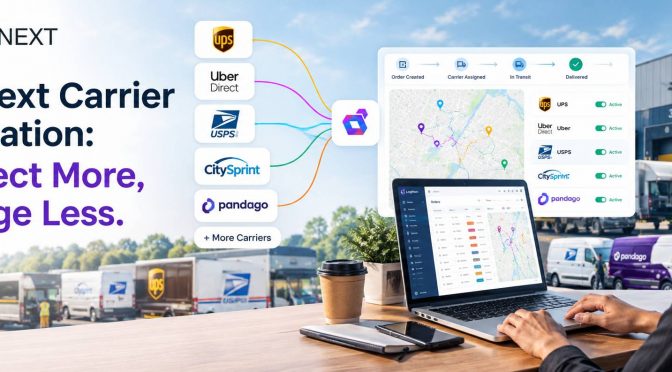
Carrier integration helps businesses connect multiple delivery providers, automate order handoffs, synchronize tracking updates, and manage internal and third-party deliveries from one platform.
Logistics is moving beyond disconnected tools. Discover how orchestration connects systems, AI, decisions, and execution for smarter operations.
Logistics ambition is accelerating, but fragmented data and disconnected operations can hold it back. See how orchestration turns AI and visibility into action.

Choosing logistics management software starts with understanding what your operation actually needs. Learn how to turn business problems into requirements, evaluate technology, and measure results.
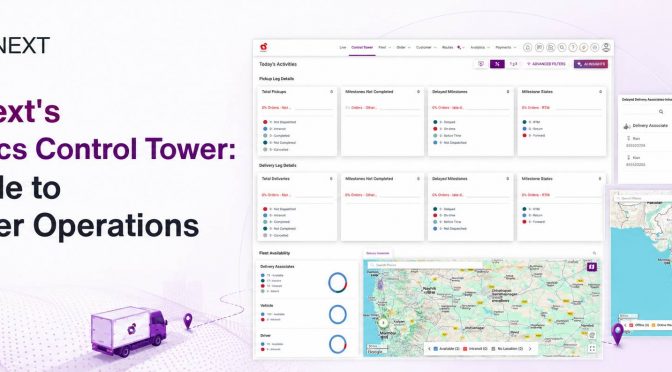
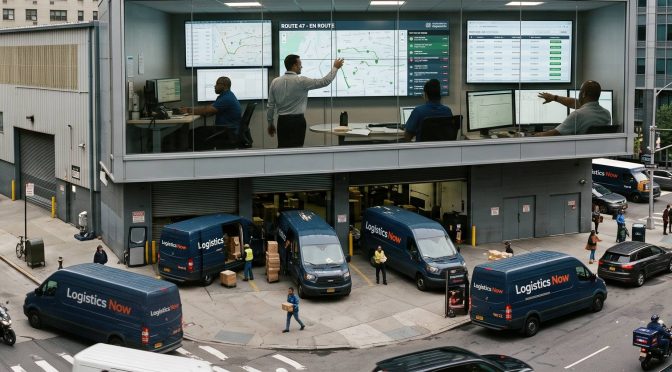
LogiNext’s logistics control tower gives teams real-time visibility, smarter automation, and actionable insights to improve daily logistics operations and performance.
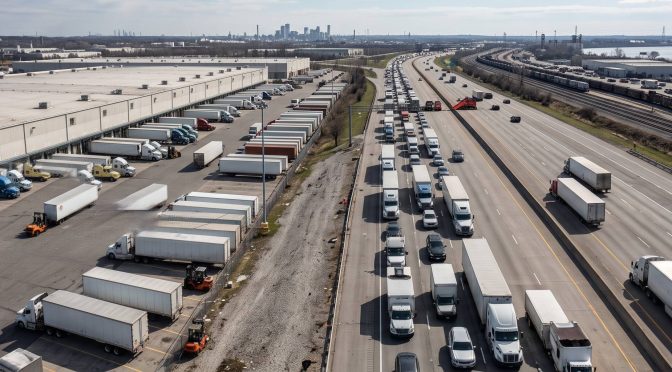
Logistics optimization is evolving from static planning to continuous reoptimization. Discover how reconfigurable networks adapt to disruption, demand, and capacity changes.
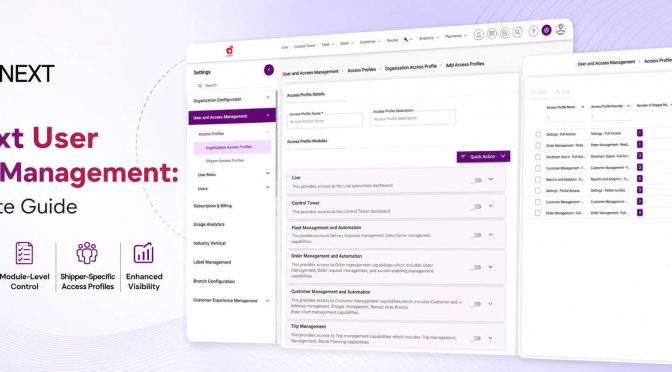
Learn how LogiNext Access Profiles simplify user access management by controlling roles, permissions, and access for dispatchers and shippers.
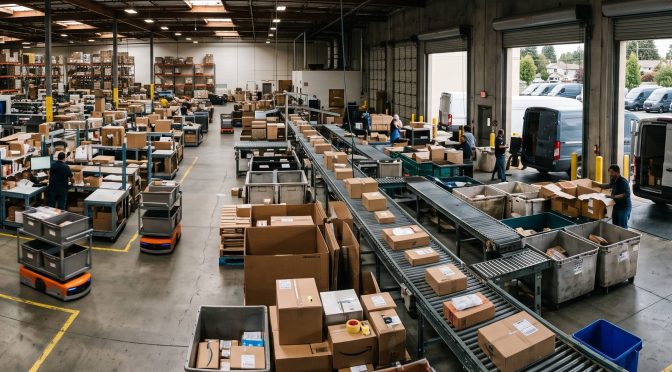
From warehouse robotics to smarter last-mile delivery, logistics automation is connecting fulfillment, routing, and delivery to make operations faster and more efficient.
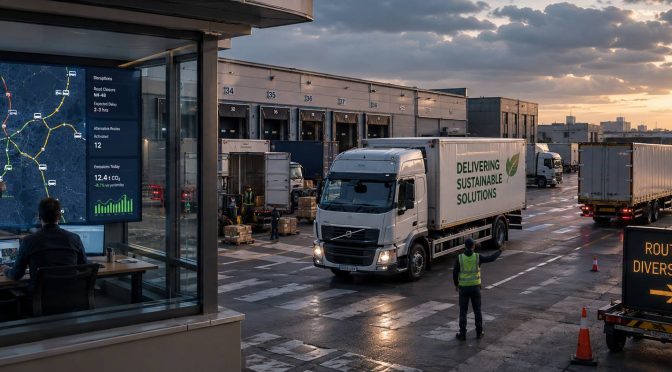
Discover how businesses can maintain logistics sustainability during supply chain disruptions through smarter routing, fleet utilization, and data-driven decisions.
Explore digital logistics solutions, the technologies behind them, their benefits, and how enterprises can use them to build smarter, more connected logistics operations.
