




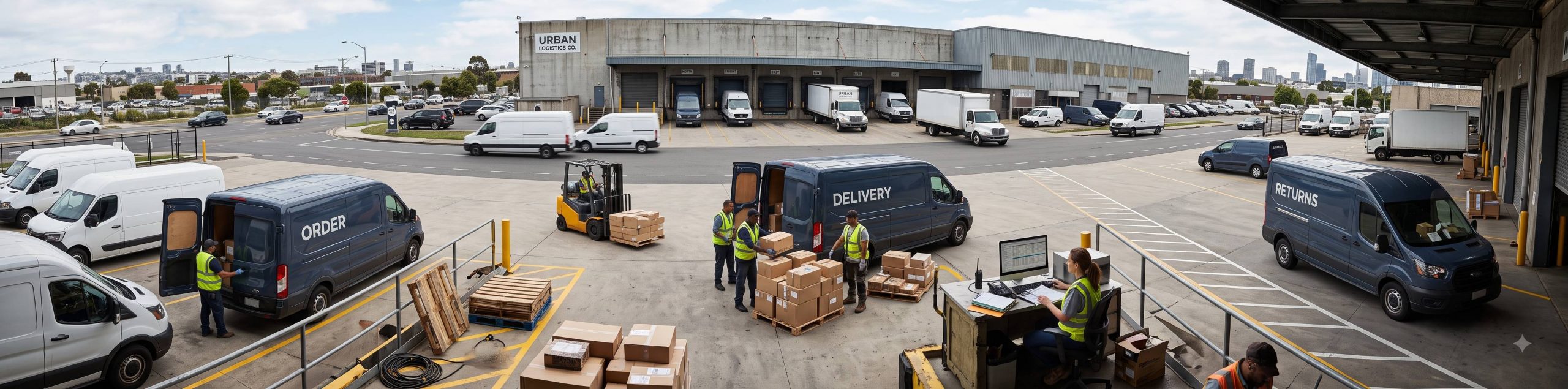
Why Logistics Is Moving Beyond Standalone Tools
For years, logistics teams bought technology one problem at a time. A transportation management system handled transportation. A warehouse management system handled the warehouse. Visibility platforms showed where shipments were. Planning tools helped decide what should happen next. Useful? Absolutely. But there was one problem: the systems often knew their own jobs better than they knew what the rest of the network was doing. That is where logistics orchestration comes in.
Instead of treating logistics technology as a collection of disconnected products, orchestration connects data, decisions, systems, and execution so the network can respond as one. The shift matters because today’s supply chains rarely have the luxury of solving problems one department at a time.
And the pressure is growing. Gartner describes supply chain orchestration platforms as a way to govern and execute operational decisions in pursuit of strategic business outcomes.
Key Takeaways
- Logistics orchestration connects systems, decisions, and execution across the logistics network.
- Integration moves data between applications; orchestration coordinates what happens next.
- AI can make orchestration more intelligent by identifying patterns, evaluating alternatives, and recommending actions.
- Real-time visibility becomes more valuable when it leads directly to decisions and execution.
- Businesses should evaluate logistics technology based on how well it improves end-to-end coordination, not just individual features.
Why Are Logistics Systems Becoming More Connected?
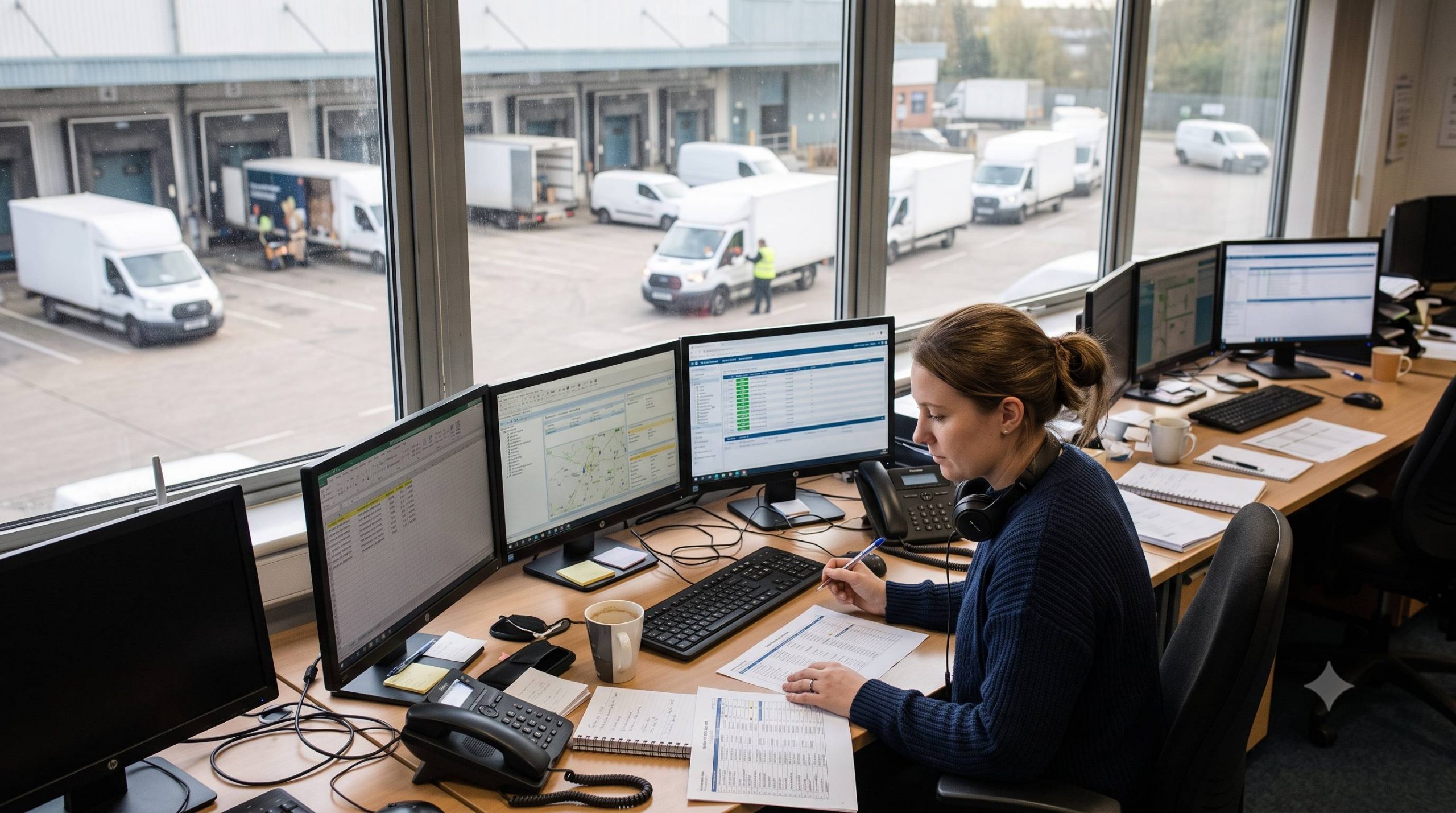
A logistics problem rarely stays in one department anymore.
A delayed inbound shipment can affect inventory availability. That can change warehouse priorities. Warehouse delays can affect outbound routes. Those delays can then put customer commitments at risk.
The problem is not necessarily that any one system failed. The problem is that the systems may not respond together.
That distinction is becoming increasingly important as supply chains become more volatile and technology adoption accelerates. The World Economic Forum notes that more than 40% of organizations still report limited or no visibility into Tier 1 supplier performance. Thereby, highlighting how much room remains for better-connected supply chain operations.
At the same time, companies are investing heavily in AI and digital capabilities. Deloitte’s 2026 India AI report found that 48% of Indian enterprises surveyed had deployed AI at scale in supply chain functions.
So the question is changing. It is no longer simply: “Which logistics system should we buy?”
It is increasingly: “How do we make all our logistics systems work together?”
What Is Logistics Orchestration?
Logistics orchestration is the coordination of data, decisions, systems, and operational actions across logistics processes so that the network can respond as one connected system.
Think of an orchestra. A violin can sound great on its own. So can a trumpet. But put 50 talented musicians on stage without a conductor, and things can get interesting very quickly.
Logistics technology works much the same way. A modern logistics environment may include:
- Transportation management
- Route optimization
- Order management
- Warehouse systems
- Carrier systems
- Delivery execution
- Real-time visibility
- Customer communication
- AI and analytics
Each system can be good at its job. Orchestration makes those capabilities work toward the same operational outcome.
Gartner has increasingly highlighted supply chain orchestration as a mechanism for using enterprise data and network insights to prescribe and execute decisions in a governed way.
That is an important distinction. Integration moves information. Orchestration moves decisions.
Why Integration Alone Isn’t Enough
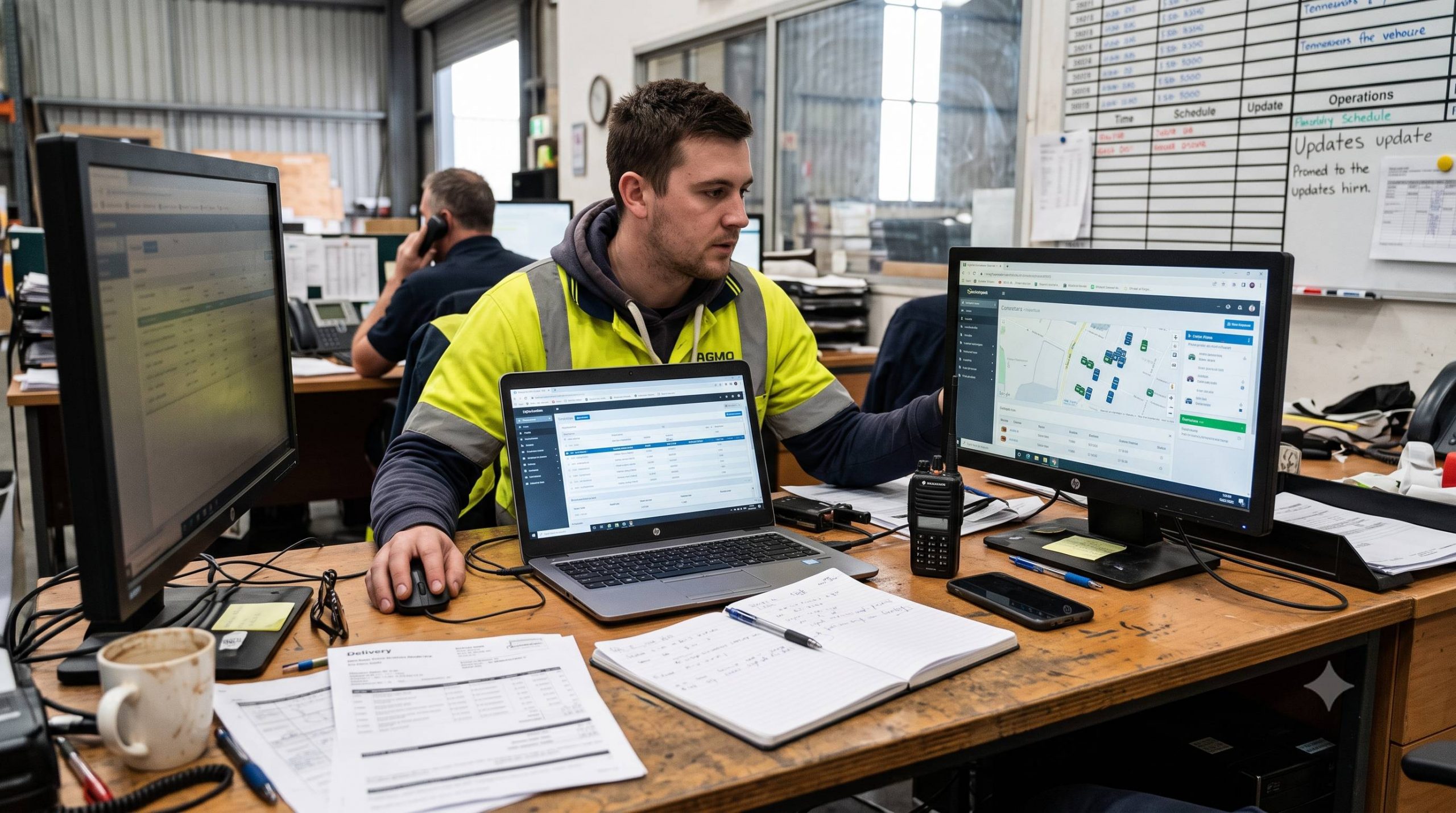
Connecting systems is necessary. But it is not the finish line. An API can tell the transportation system that a shipment is delayed. It cannot automatically decide whether the business should:
- Reassign the delivery to another route
- Change the route
- Prioritised another route
- Notify the customer
- Escalate the exception
- Update the delivery plan
That requires context, rules, intelligence, and execution.
This is where many digital transformation projects hit a wall. Businesses may have dashboards full of data and multiple systems exchanging information, yet planners still spend hours figuring out what actually needs to happen.
The technology is connected. The operation isn’t. A stronger orchestration model creates a continuous loop: Sense → Understand → Decide → Act → Learn
For example, imagine a delivery vehicle is delayed by unexpected congestion.
A connected logistics management software can identify the disruption, assess its impact on the remaining route, evaluate alternatives, recommend the best response, and push the approved change into execution.
Instead of someone discovering the problem, opening five systems, calling three people, and then updating a spreadsheet, the network can move toward a coordinated response.
That’s a considerably better use of everyone’s afternoon.
How AI Makes Logistics Orchestration More Powerful
AI adds another layer to orchestration: decision intelligence. Traditional automation follows predefined instructions. AI can evaluate changing conditions and help determine what should happen next.
This matters because logistics is full of variables. Traffic changes. Orders arrive late. Vehicles become unavailable. Customer priorities shift. Capacity disappears. Weather disrupts routes.
The World Economic Forum describes AI-powered supply chains as increasingly capable of simulating alternatives, anticipating bottlenecks, and orchestrating responses to demand volatility in real time.
But AI should not operate in isolation. That is the catch.
An AI model can generate a recommendation. The orchestration layer needs to understand where that recommendation belongs, which system should execute it, what constraints apply, and when a human should step in.
That makes the combination powerful: AI provides intelligence. Orchestration provides context and action.
And this is already moving beyond experimentation. Gartner’s 2026 research says supply chain orchestration platforms are becoming building blocks for adaptive supply chains that govern and execute operational decisions.
What Should Businesses Look for in a Logistics Orchestration Platform?
Buying another technology layer just because the word “AI” appears on the homepage is not orchestration. Sorry, but someone had to say it.
Businesses should evaluate whether a platform can actually connect decisions to execution. Look for five capabilities:
1. Connected Operational Data:
The platform should bring together relevant information from orders, vehicles, routes, deliveries, customers, and other operational systems.
2. Real-time Visibility:
Knowing what happened yesterday is useful for reporting. Knowing what is happening now is useful for decision-making.
3. Intelligent Decision-Making:
The platform should use optimization, rules, analytics, and AI to identify the best response to changing conditions.
4. Automated Execution:
A recommendation that sits inside a dashboard waiting for someone to act on it is not much of an automation strategy. The platform should be able to push decisions into operational workflows.
5. Human Control:
Not every decision should be autonomous. High-impact exceptions may require human approval, while routine decisions can be automated.
Frequently Asked Questions
1. What is logistics orchestration?
Logistics orchestration coordinates data, systems, decisions, and execution across logistics operations so different processes can respond as one connected network.
2. How is logistics orchestration different from integration?
Integration connects systems and allows them to exchange information. Logistics orchestration goes further by coordinating decisions and actions across those systems.
3. What role does AI play in logistics orchestration?
AI can analyze real-time operational data, identify risks, evaluate alternatives, and recommend or automate decisions. Orchestration connects those decisions to the systems responsible for execution.
4. Do businesses need to replace their existing logistics system?
Not necessarily. A logistics operating model can connect existing specialized systems rather than replacing every application with one platform. The goal is to reduce fragmentation and improve coordination.
5. What are the benefits of logistics orchestration?
Key benefits include faster decision-making, better visibility, fewer manual handoffs, improved exception management, more coordinated execution, and greater ability to respond to changing conditions.
Conclusion
The logistics technology stack is not disappearing. TMS, WMS, planning systems, visibility platforms, optimization engines, and other specialized tools will continue to have important roles.
What is changing is how those systems work together.
LogiNext brings planning, dispatch, routing, tracking, execution, real-time visibility, AI, and intelligent automation together to help enterprises move from disconnected logistics processes to coordinated operations.
Ready to make your logistics network work as one? Explore LogiNext and see what intelligent logistics orchestration can do for your operations.
2
 |  |  |




@LogiNext