




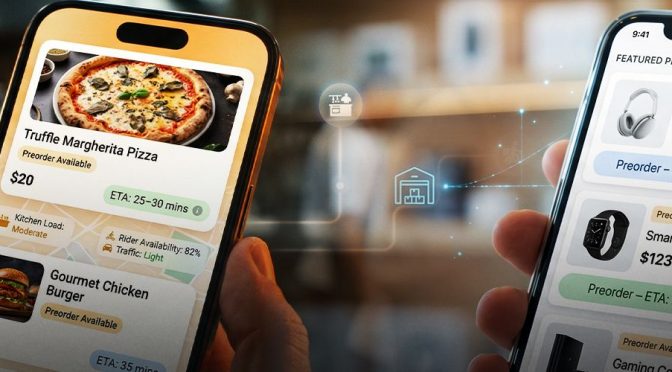
Preorder ETA is more than a checkout estimate. When powered by real-time capacity intelligence, it becomes a control lever that protects margins, stabilizes networks, and safeguards customer trust.
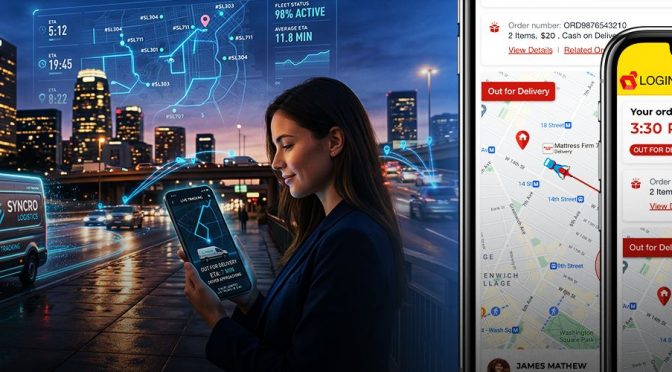
Real-time tracking is redefining logistics. Learn how AI-powered visibility improves delivery performance, reduces support costs, and builds lasting customer trust.
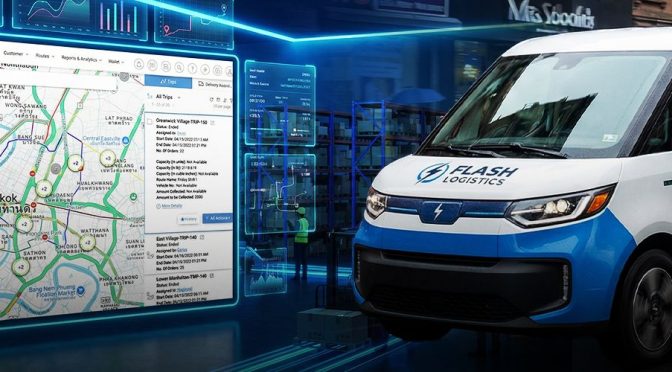
AI is redefining track and trace in logistics management. Automate repetitive tasks, improve visibility, cut costs, and boost customer satisfaction with intelligent automation.

High-stakes deliveries demand more than tracking. AI powered logistics software orchestrates routes, fleet, and timing so Super Bowl Sunday runs like clockwork.
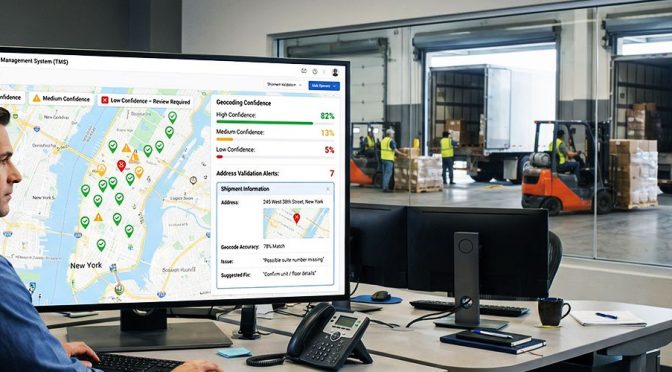
Most delivery exceptions begin with unreliable address data. Intelligent geocoding in logistics management reduces risk, improves route accuracy, and prevents costly last-mile failures before dispatch.
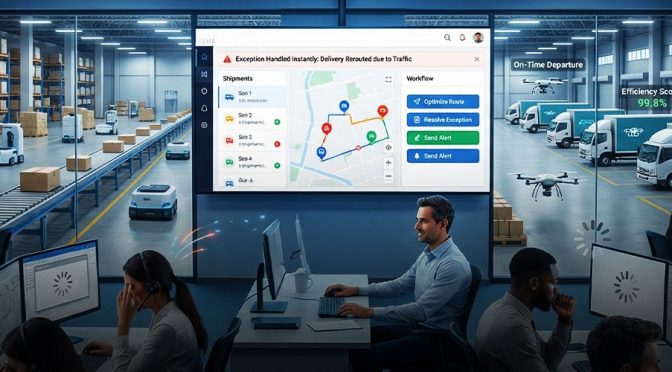
Invisible friction in logistics software quietly drains efficiency, accuracy, and morale. Learn how role-based UX and multi-level access help LogiNext eliminate operational drag at scale.

Logistics reliability has moved from operations to the boardroom. Learn why predictability, visibility, AI, and sustainability matter and how LogiNext turns reliability into a strategic advantage.
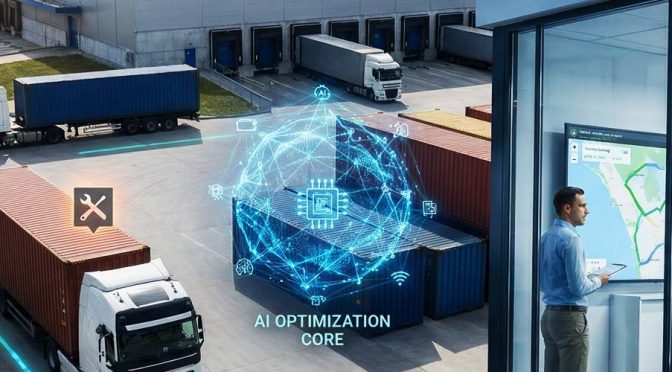
Freight logistics software is no longer just for tracking; it’s for foresight. See how AI and IoT integration enables predictive maintenance, automated dispatching, and 95% ETA accuracy.
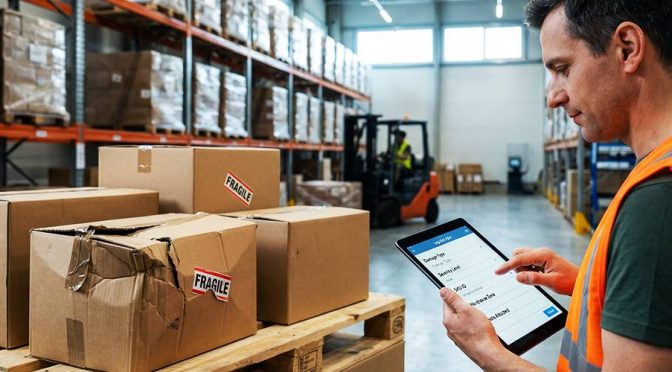
Exception configuration gives logistics teams real control—detecting issues instantly, automating responses, and preventing failures before they escalate. This is how high-quality deliveries stay on track.
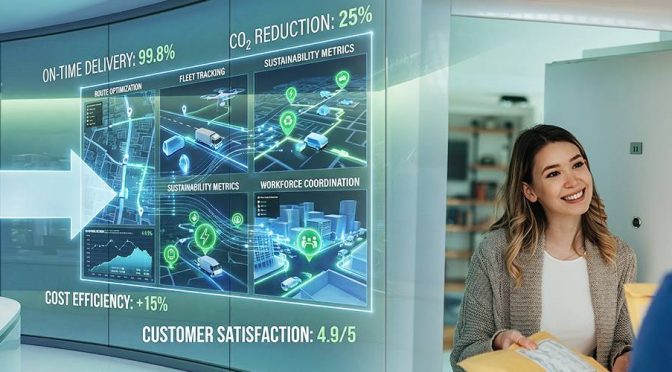
Logistics management in 2026 moves from pilots to execution. AI, automation, and integrated logistics software now drive efficiency, sustainability, and real results.
