




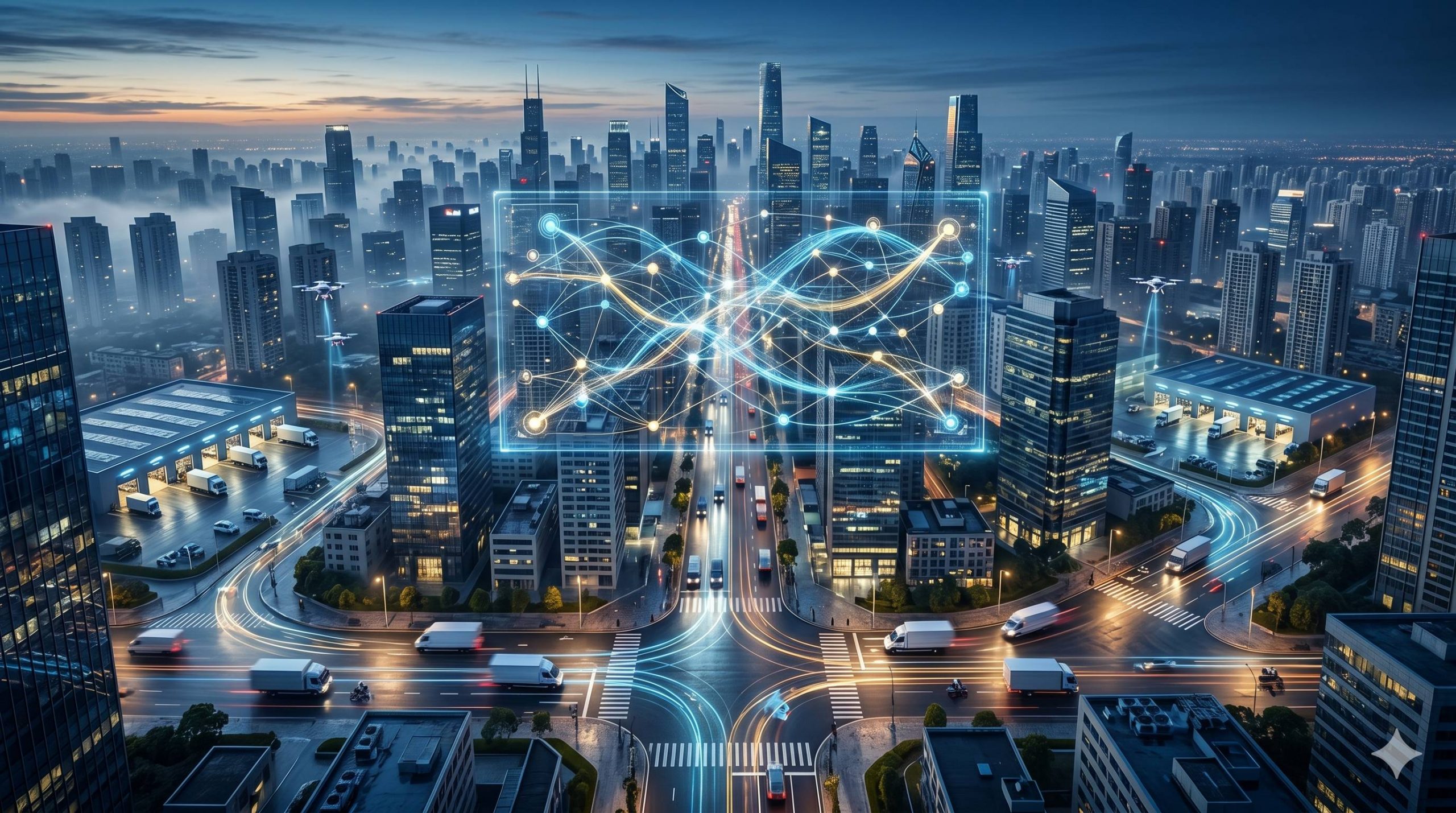
Halve Delivery Routes. Double Efficiency. Powered by LogiNext
Every delayed shipment costs businesses time, money, and customer trust. That is why companies today are investing heavily in smarter delivery software that can optimize routes, reduce operational costs, and improve delivery efficiency in real time.
According to reports from McKinsey & Company, logistics companies using AI and automation can reduce transportation costs by up to 15% while improving service levels significantly. As delivery volumes rise and customer expectations grow faster than ever, businesses need intelligent systems that can keep operations efficient, scalable, and predictable.
This is where LogiNext helps enterprises transform delivery operations with AI-powered routing, automation, and real-time visibility.
The Route Problem Nobody Talks About

Most businesses underestimate how much money disappears into inefficient routing until they actually start measuring it properly. Drivers often take longer paths, deliveries are grouped poorly, vehicles operate below capacity, and dispatch teams spend hours manually fixing issues that software should solve instantly.
Traditional delivery operations were built for static schedules and predictable demand. Modern logistics is neither. Traffic conditions shift every minute, customer availability changes throughout the day, and last-minute orders appear without warning. Without intelligent delivery management software, operations quickly become reactive instead of proactive. This creates unnecessary costs across the supply chain.
A smart routing engine does not simply guide drivers from Point A to Point B. It continuously evaluates variables like traffic, delivery windows, vehicle capacity, and delivery priorities to create the most efficient plan possible.
Why Traditional Delivery Operations Fail at Scale
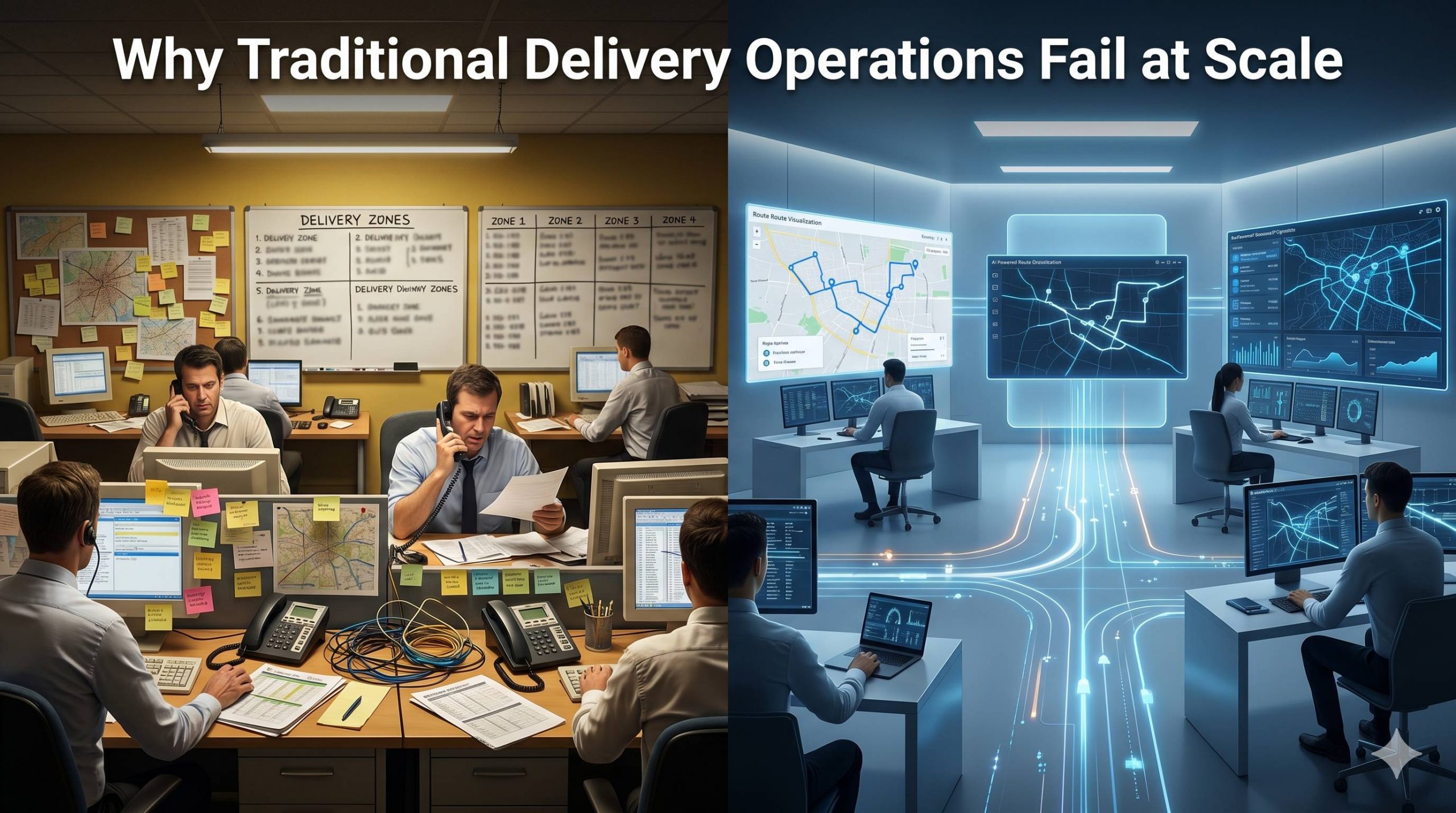
Scaling deliveries manually is like trying to manage airport traffic using sticky notes and optimism. It may work at 50 deliveries per day, but at 5,000 deliveries, the cracks become impossible to ignore.
Many businesses still rely on disconnected tools that were never designed for real-time logistics execution. The result is a combination of operational inefficiencies that directly affect profitability and customer satisfaction.
Common challenges include:
- Delayed deliveries
- High fuel consumption
- Poor fleet utilization
- Increased customer complaints
- Longer dispatch planning cycles
- Rising operational costs
A modern delivery management system solves these challenges by connecting routing, dispatching, tracking, analytics, and customer communication into one centralized platform. Instead of responding to delays after they happen, businesses can predict and prevent disruptions before drivers even leave the hub.
That shift changes logistics from reactive firefighting into controlled orchestration.
Smarter Routing Means Bigger Savings
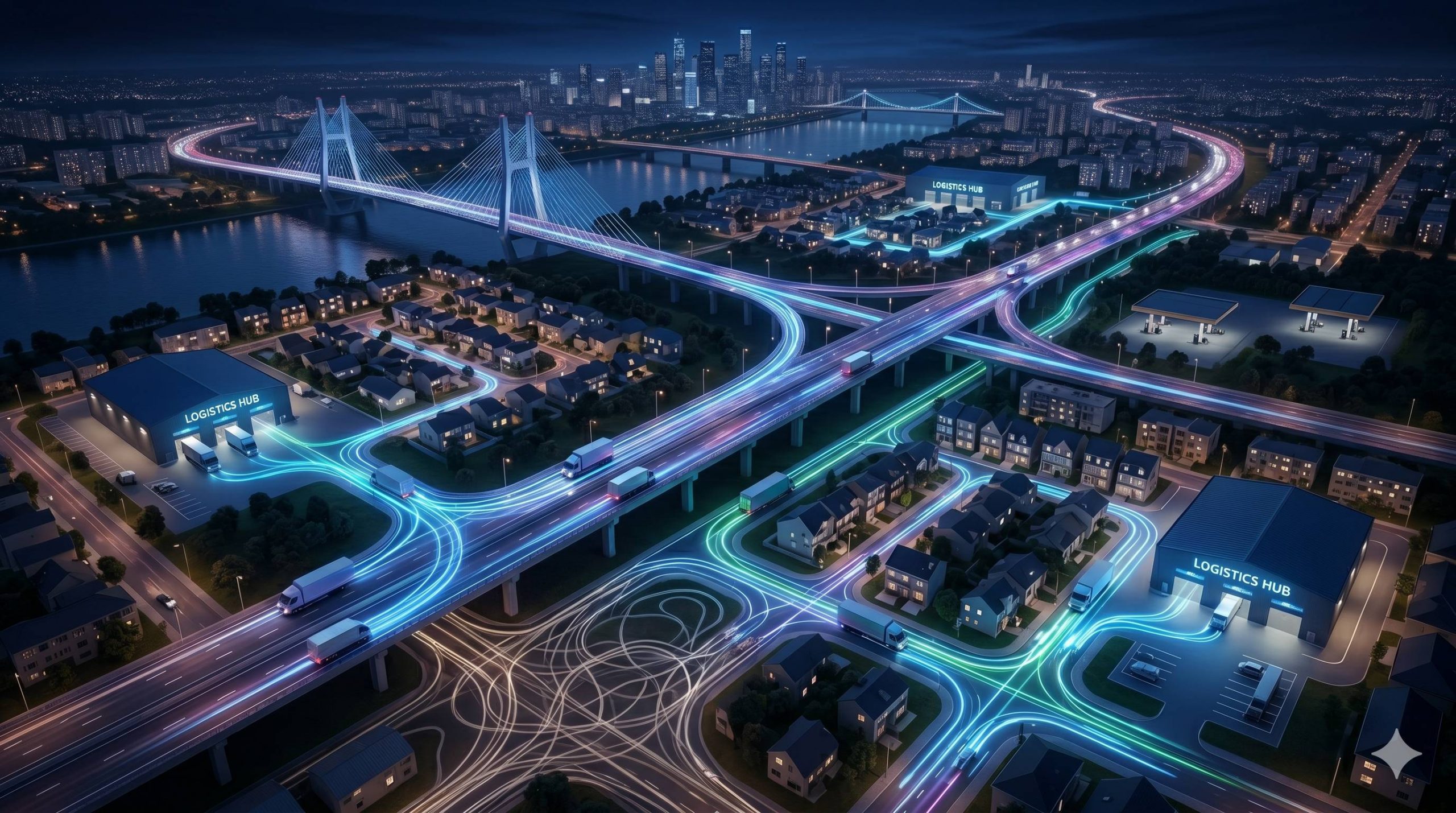
Route optimization is not just about finding the shortest path. If that were enough, every GPS app would already be running global logistics networks.
True optimization considers multiple operational variables simultaneously, including:
- Traffic conditions
- Delivery time windows
- Vehicle capacity
- Driver schedules
- Multi-stop sequencing
- Customer delivery preferences
- Road restrictions and delays
This is where AI powered delivery management creates measurable impact. AI-driven systems can evaluate thousands of route combinations within seconds and identify the most efficient delivery plan based on live conditions and historical performance.
Businesses using advanced routing systems often report:
- Up to 30% reduction in fuel costs
- Faster delivery turnaround times
- Improved driver productivity
- Higher first-attempt delivery success rates
- Better SLA compliance
An intelligent delivery management solution does not simply reduce mileage. It improves resource utilization across the entire operation while creating faster and more reliable deliveries for customers.
The Rise of AI in Delivery Operations

Artificial intelligence is no longer a futuristic experiment in logistics. It has become operational infrastructure for modern delivery networks.
Today’s AI powered delivery management software can predict delays before they occur, recommend alternate routes dynamically, and continuously improve delivery accuracy using real-time and historical data. For example, if a particular delivery zone consistently experiences congestion every Friday evening, the system can proactively reroute drivers before delays even begin.
AI also enables businesses to:
- Reduce failed deliveries
- Improve ETA accuracy
- Balance delivery loads efficiently
- Automate dispatch decisions
- Minimize vehicle idle time
- Improved fleet productivity
The result is more efficient delivery management across every stage of the operation. Companies still relying heavily on manual planning are competing against systems that analyze millions of delivery variables without slowing down. That is a difficult race to win.
Autonomous Logistics Is No Longer a Buzzword
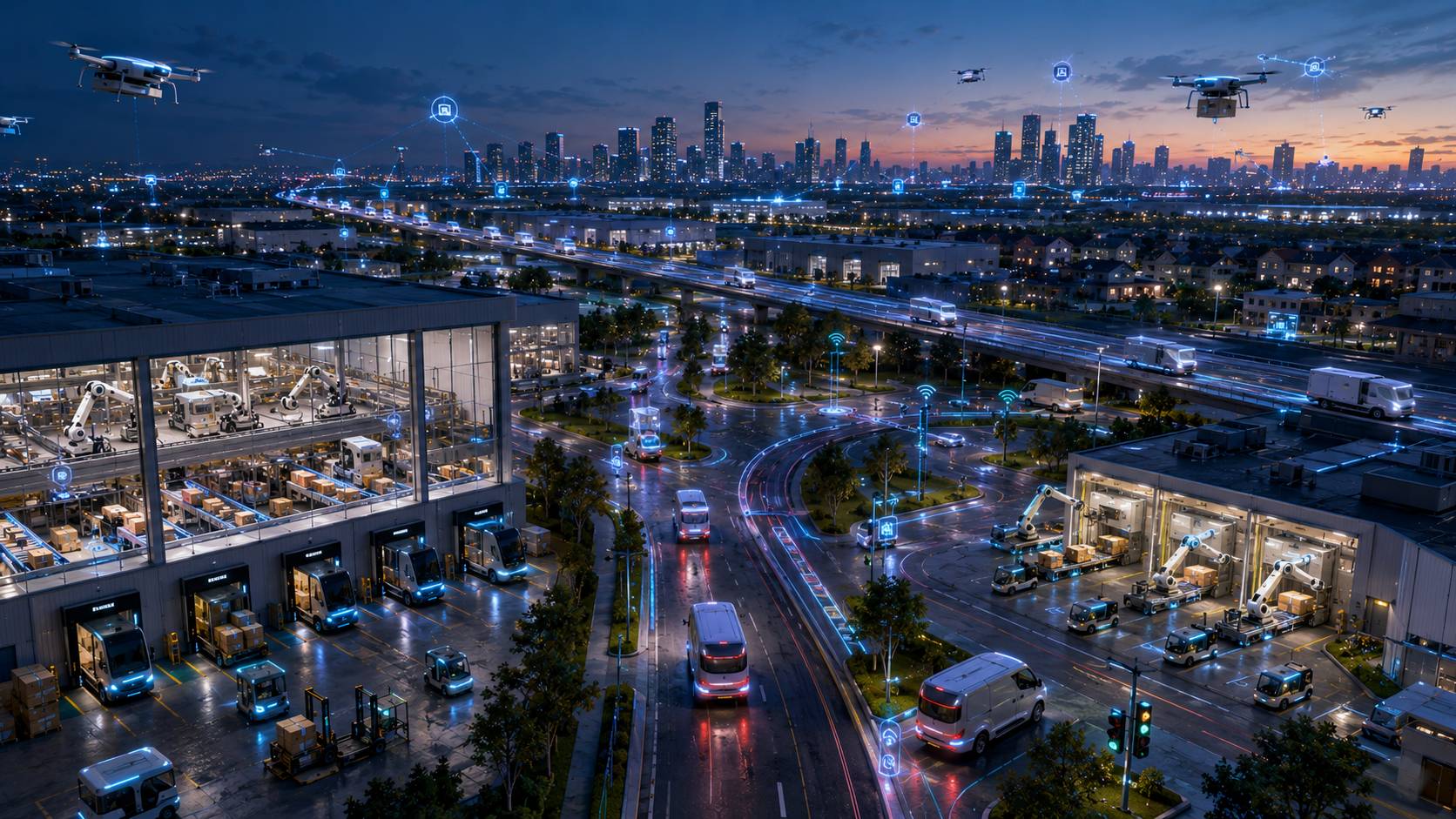
The next major evolution in logistics is automation-driven autonomy. Businesses are increasingly adopting autonomous delivery management software to reduce dependency on manual coordination while improving speed and operational consistency.
Automation can now handle repetitive workflows such as:
- Auto-assignment of drivers
- Dynamic rerouting
- Proof-of-delivery capture
- Real-time customer notifications
- Exception management
- Automated dispatch scheduling
Instead of dispatch teams spending hours making route adjustments manually, autonomous systems optimize operations continuously in the background. This becomes especially important for enterprises managing large-scale delivery operations across multiple cities or regions, where even small inefficiencies can create significant financial impact.
As delivery volumes grow, operational complexity grows even faster. Automation helps businesses scale without increasing chaos.
Customer Experience Starts After Checkout

Customers rarely remember a smooth checkout process, but they absolutely remember a delayed or failed delivery.
Modern consumers expect real-time tracking, accurate ETAs, proactive notifications, and transparent communication throughout the delivery journey. A strong delivery management system improves customer satisfaction by making deliveries more predictable and visible from dispatch to doorstep.
Research from PwC shows that customer experience has become one of the strongest competitive differentiators for businesses globally. In logistics, the delivery experience is no longer just an operational function. It has become part of the brand experience itself.
That means every delayed package quietly becomes a customer retention problem.
Data Is the New Delivery Fuel

Modern logistics operations run on visibility and analytics. Without real-time insights, businesses often know deliveries are delayed but cannot identify why delays keep happening or where costs are increasing.
An intelligent delivery management solution provides actionable operational insights such as:
- Driver performance metrics
- Fleet utilization reports
- Delivery success rates
- Fuel consumption trends
- SLA compliance tracking
- Route efficiency
This visibility allows businesses to optimize continuously instead of reacting occasionally. The best logistics teams today are not just moving packages efficiently. They are making faster, data-driven decisions every single day.
Conclusion
The future of logistics belongs to businesses that optimize smarter, automate faster, and operate with real-time intelligence. Manual routing and outdated systems simply cannot keep pace with modern delivery expectations.
A modern delivery management software platform helps businesses reduce routes, improve delivery accuracy, lower operational costs, and create better customer experiences at scale. With LogiNext, enterprises can transform delivery operations from a cost center into a long-term competitive advantage.
Ready to halve delivery routes and double efficiency? Explore how LogiNext can power smarter, faster, and more intelligent logistics operations today.
40

|

|

|




@LogiNext