




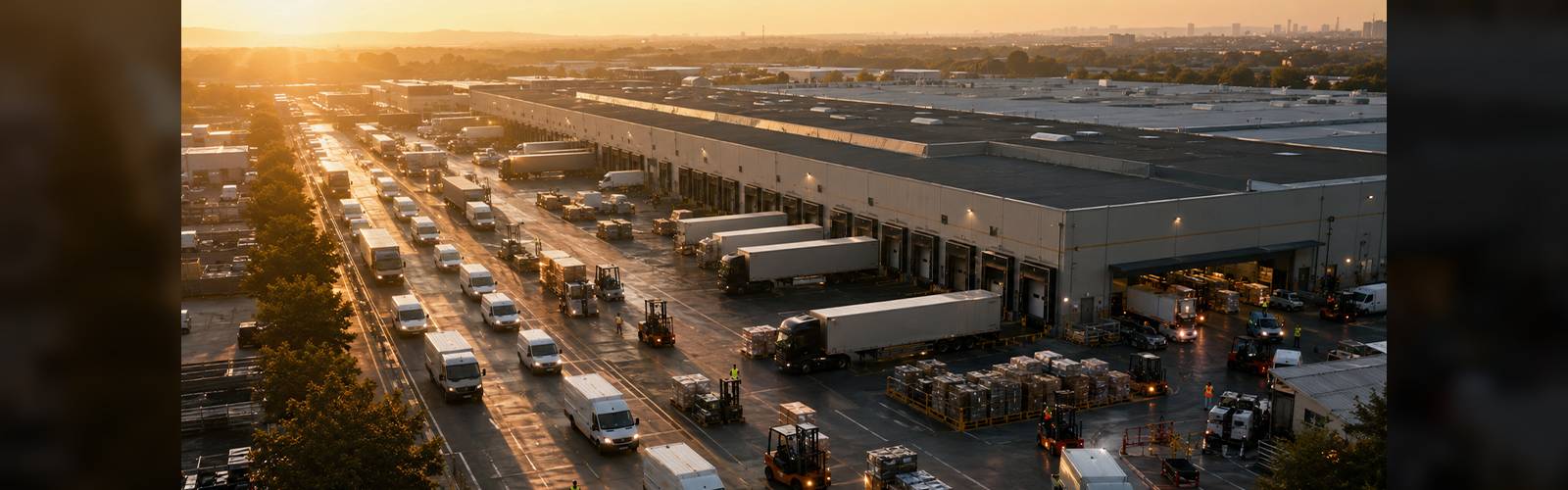
OTIF in 2026: Why Delivery Orchestration Is Replacing Traditional Transportation Management
In 2026, OTIF is no longer a boring supply chain metric sitting quietly in a spreadsheet. It has become the KPI that decides whether customers stay loyal, retailers stay happy, and operations stay profitable.
If deliveries are not on time and in full, customers do not wait around politely anymore. They switch brands faster than a driver ignoring a “slight left” from Google Maps. That shift is forcing companies to rethink logistics technology completely.
Traditional transportation management systems can no longer handle the speed, complexity, and unpredictability of modern deliveries. Businesses now need intelligent delivery orchestration platforms that improve On-time, in-full performance in real time. And that changes everything.
The Death of “Good Enough” Deliveries

A few years ago, businesses could survive with delayed shipments, vague ETAs, and the classic:
“Your order is on the way.”
Technically true. Spiritually useless.
Today, customers expect:
- Real-time tracking
- Accurate ETAs
- Faster deliveries
- Flexible delivery windows
- Immediate updates when something goes wrong
According to industry reports from nShift, logistics is becoming a major competitive differentiator as customer expectations continue rising. That means OTIF is no longer just about compliance. It is now directly tied to customer retention, operational efficiency, and brand trust.
A missed delivery today creates:
- Higher support costs
- Failed delivery expenses
- Retailer penalties
- Lost repeat business
- Damaged brand trust
The margin for operational chaos is shrinking rapidly, and businesses can no longer afford disconnected delivery operations.
Transportation Management Had a Good Run

Traditional transportation management systems were built for a different logistics era. Their core job was straightforward:
- Plan loads
- Assign carriers
- Optimize routes
- Reduce freight costs
- Track shipments
And honestly, they still do those things well.
But logistics operations in 2026 are far more dynamic. Delays happen constantly, traffic changes by the minute, warehouses face bottlenecks, and customers reschedule deliveries mid-route because apparently everyone suddenly remembers they have “just stepped out.”
This is where old-school TMS platforms start showing their age. A transportation management system manages movement, while delivery orchestration manages outcomes. That difference is becoming impossible to ignore.
Welcome to the Era of Delivery Orchestration
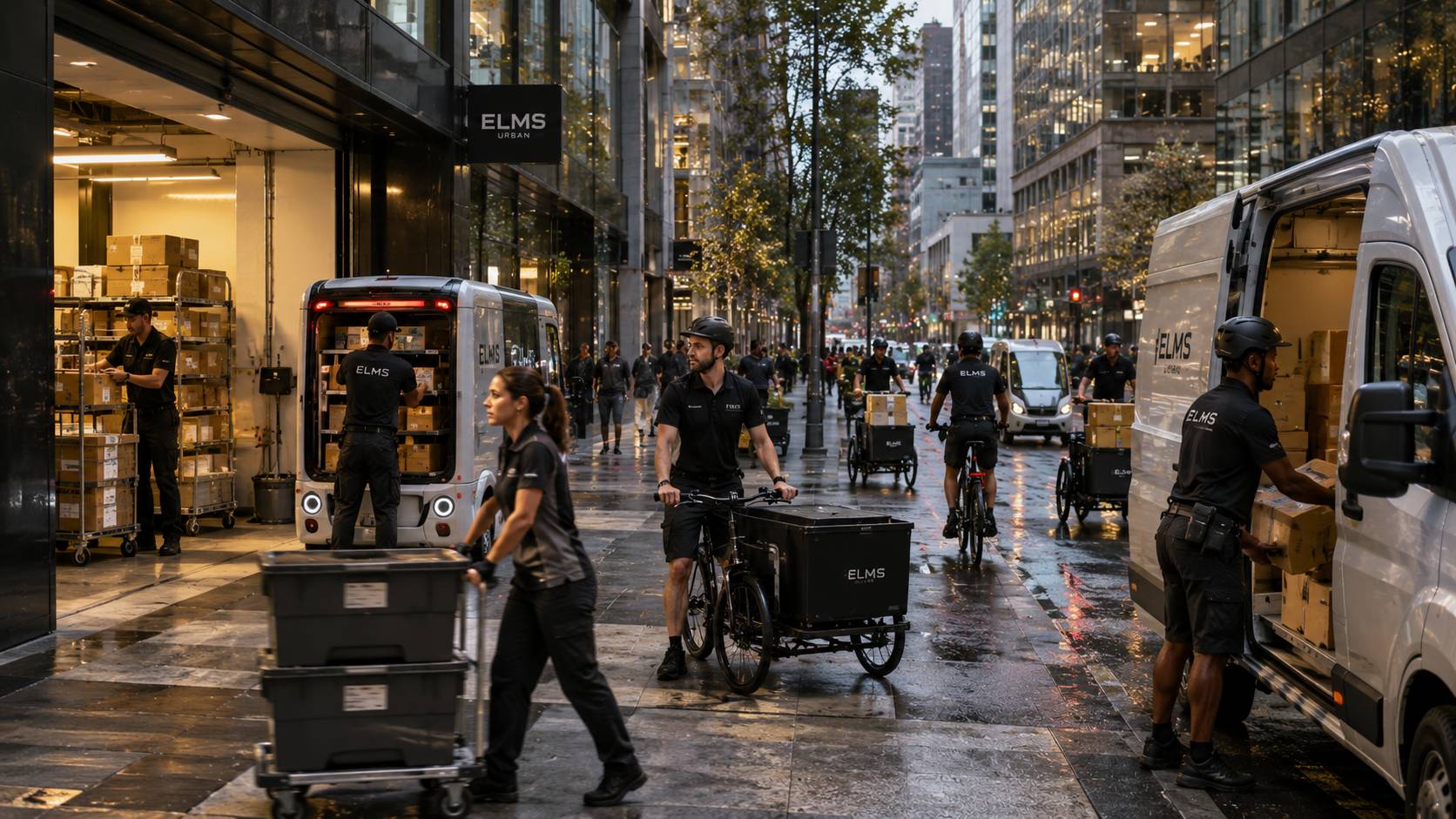
Delivery orchestration platforms do not just plan deliveries. They continuously coordinate everything happening around them in real time. Think of it like air traffic control for logistics operations.
Modern orchestration systems connect:
- Route optimization
- Dispatch management
- Warehouse operations
- Driver tracking
- Customer communication
- Carrier coordination
- Predictive analytics
- Exception management
That matters because OTIF failures rarely happen because of one catastrophic event. Most failures happen when dozens of small disconnected issues quietly stack together until operations explode at 4:47 PM.
A delayed warehouse pick impacts dispatch timing. Dispatch delays affect route efficiency, route inefficiencies create missed delivery windows, and missed windows eventually hurt customer satisfaction and retention. A modern OTIF system connects those dots before operations spiral out of control.
AI Is Quietly Becoming the Smartest Dispatcher in the Room

The biggest logistics shift in 2026 is not automation alone. It is intelligent automation powered by AI. According to logistics trend reports, companies adopting AI-driven delivery operations are already seeing:
- Around 27% shorter lead times
- Roughly 25% higher labor productivity
That directly impacts On-time, in-full performance and operational consistency. Modern OTIF software can now:
- Predict delivery risks
- Detect route congestion early
- Automatically reroute drivers
- Adjust ETAs dynamically
- Rebalance delivery loads in real time
One AI-powered logistics operation reportedly reduced daily routes from 30–40 down to 16–20 while maintaining delivery output. That is not just optimization anymore. That is logistics running with predictive intelligence instead of reactive decision-making.
Visibility Alone Is No Longer Impressive
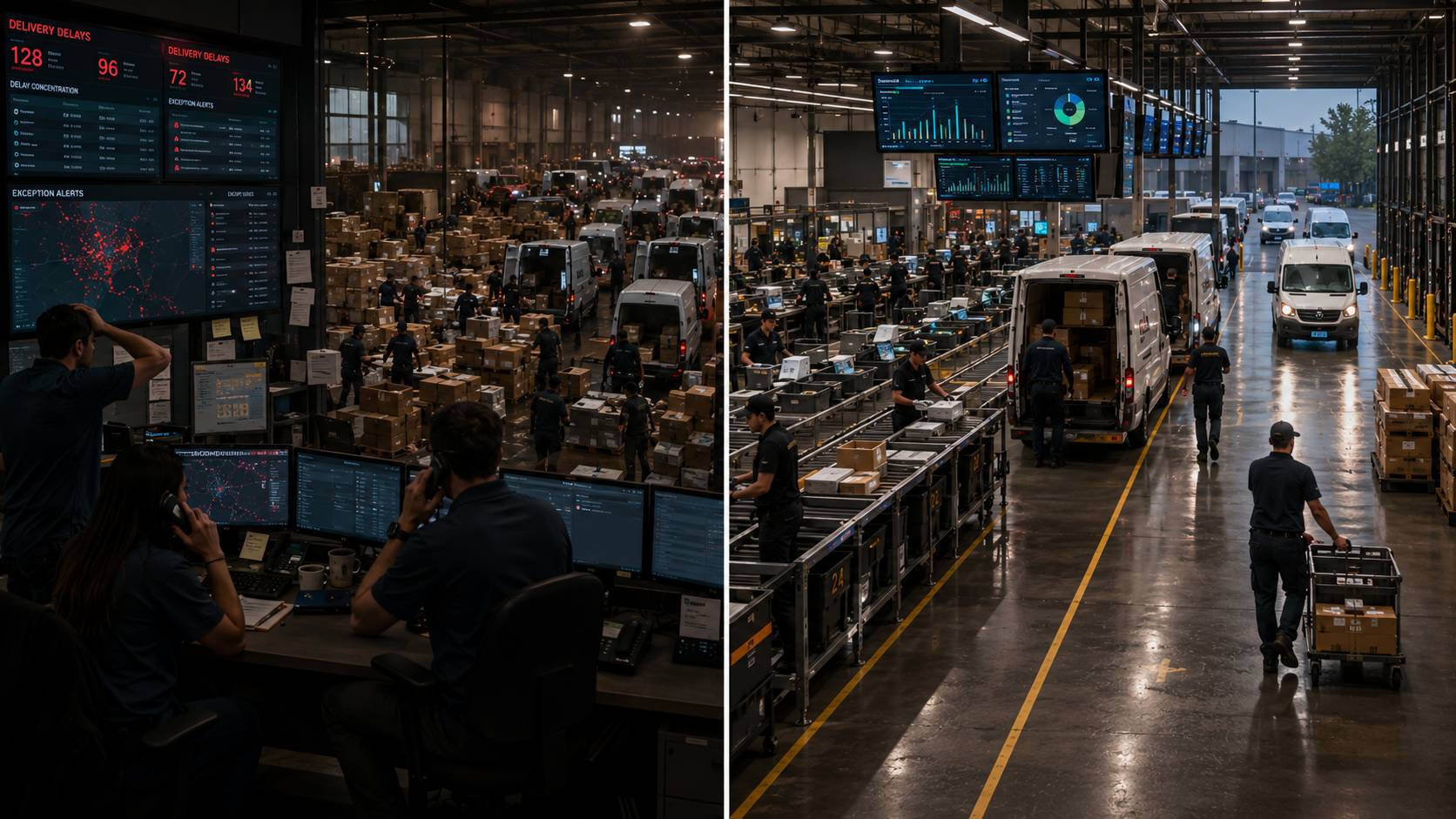
There was a time when “real-time visibility” sounded futuristic. Now it is simply expected. Customers want to know:
- Where the driver is
- When the order will arrive
- Why a delayed happened
- Whether the ETA is still accurate
And they want all of that instantly.
The problem is many businesses still rely on disconnected tools that only provide fragments of operational data. That creates a dangerous illusion of control because companies can technically “see” the delay but still cannot resolve it quickly enough.
That is why modern OTIF software is evolving beyond visibility dashboards into active decision-making systems. The smartest platforms do not just report problems; they solve them while deliveries are still moving through the network.
The Real Battle Is Exception Management

Here is the uncomfortable truth about logistics: something will always go wrong. The companies winning in 2026 are not the ones avoiding disruptions entirely. They are the ones recovering from disruptions faster than competitors.
Reddit discussions among logistics professionals increasingly point toward the same issue: teams are overwhelmed by fragmented systems, manual coordination, and reactive workflows. Many now consider orchestration and automated exception handling the true differentiators.
This is where delivery orchestration changes the game completely. Instead of simply showing a late shipment, an advanced OTIF system can:
- Detect delays proactively
- Trigger automated rerouting
- Reassign drivers instantly
- Update ETAs automatically
- Notify customers immediately
- Prevent downstream disruptions
That speed matters because customers are surprisingly forgiving about delays. What they truly hate is silence and uncertainty.
OTIF Is No Longer Just Ops Team Territory

In 2026, OTIF has become everyone’s problem.
Operations teams care because of efficiency. Finance teams care because penalties hurt margins. Customer support teams care because complaint tickets explode. Retail partners care because shelf availability matters. Customers care because patience is now a luxury item.
That is why modern logistics operations are moving toward unified orchestration platforms instead of isolated systems. An advanced On-time, in-full strategy now requires:
- Shared operational visibility
- Connected workflows
- Cross-functional coordination
- Real-time automation
- Predictive intelligence
The companies still relying on disconnected logistics tools are essentially trying to run Formula 1 operations using group chats and spreadsheets. Bold strategy.
Predictive OTIF Is the Next Big Leap
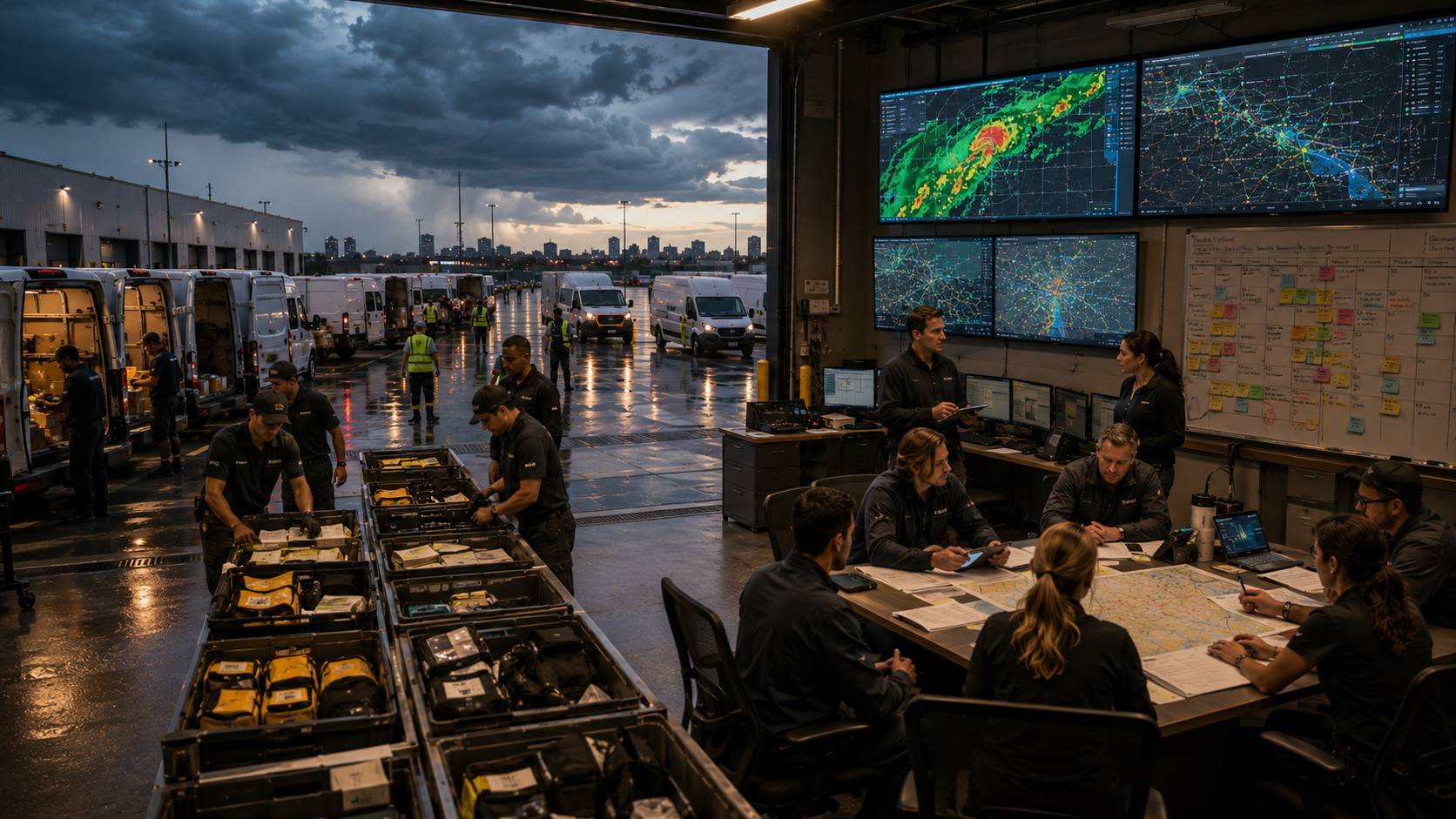
The most advanced logistics companies are no longer measuring OTIF after deliveries happen. They are predicting failures before dispatch even starts.
This is where predictive orchestration becomes incredibly powerful. AI-driven delivery platforms can analyze:
- Historical delivery trends
- Traffic conditions
- Weather patterns
- Driver availability
- Warehouse throughput
- Carrier performance data
Using this data, businesses can identify high-risk deliveries before they become expensive operational problems.
Reactive logistics asks: “Why was this shipment delayed?”
Predictive logistics asks: “How do we stop this shipment from being delayed?”
That shift is redefining modern logistics operations entirely.
Final Mile, Final Word
OTIF has officially evolved from a supply chain metric into a customer experience strategy.
Traditional transportation management systems still play an important role, but they are no longer enough to maintain consistent On-time, in-full performance at scale. Businesses now need intelligent orchestration platforms that can predict disruptions, automate decisions, and adapt deliveries in real time.
That is where solutions like LogiNext help businesses modernize delivery operations. From AI-powered route optimization and real-time visibility to automated exception handling and predictive analytics, LogiNext helps enterprises improve OTIF performance while delivering faster, smarter, and more reliable customer experiences. Click on the red button to know more.
“” 55
 |  |  |




@LogiNext