





Sweat, Stress, Missed ETAs and Melting Margins: Fixing Summer Logistics with Delivery Software
Summer doesn’t break logistics in dramatic fashion. It chips away at it. And if you’re not backed by the right delivery software, those small cracks quickly turn into operational chaos. A delayed order here. A spoiled shipment there. A rider who logs off early because the heat is unbearable. Individually, these look like minor issues. Together, they quietly drain your margins and stretch your operations thin.
This is the season where inefficiencies stop hiding. And if your systems aren’t built for it, summer exposes everything.
When Heat Starts Breaking More Than Just Comfort
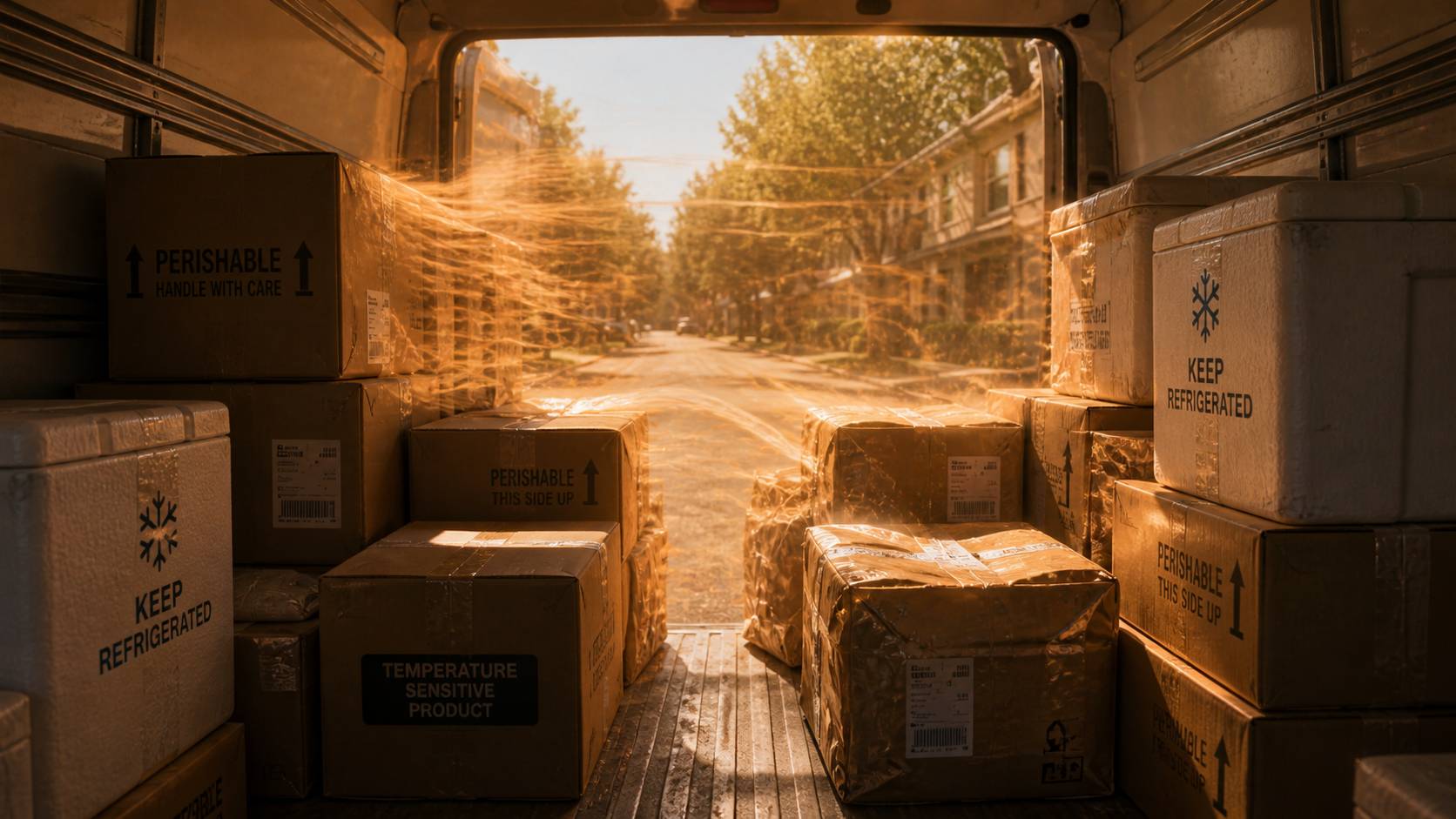
Extreme temperatures not only make deliveries uncomfortable, they make them unpredictable. Vehicles get hotter, thereby increasing the likelihood of breakdowns and maintenance. Goods specially in the categories of food, pharma and cosmetics become more sensitive. Even the packages tend to become more sensitive, leading to spoilage, leakage and returns which could have been avoided.
Data shows that temperature sensitive shipments can see spoilage rates increase by 2-3 times during peak summer months. Thats a recurring cost, not an edge case. Every delivery becomes slightly risker without a delivery system that adapts to environmental conditions. These risks compound quickly across scale.
The Silent Cost Surge Behind Every Delivery
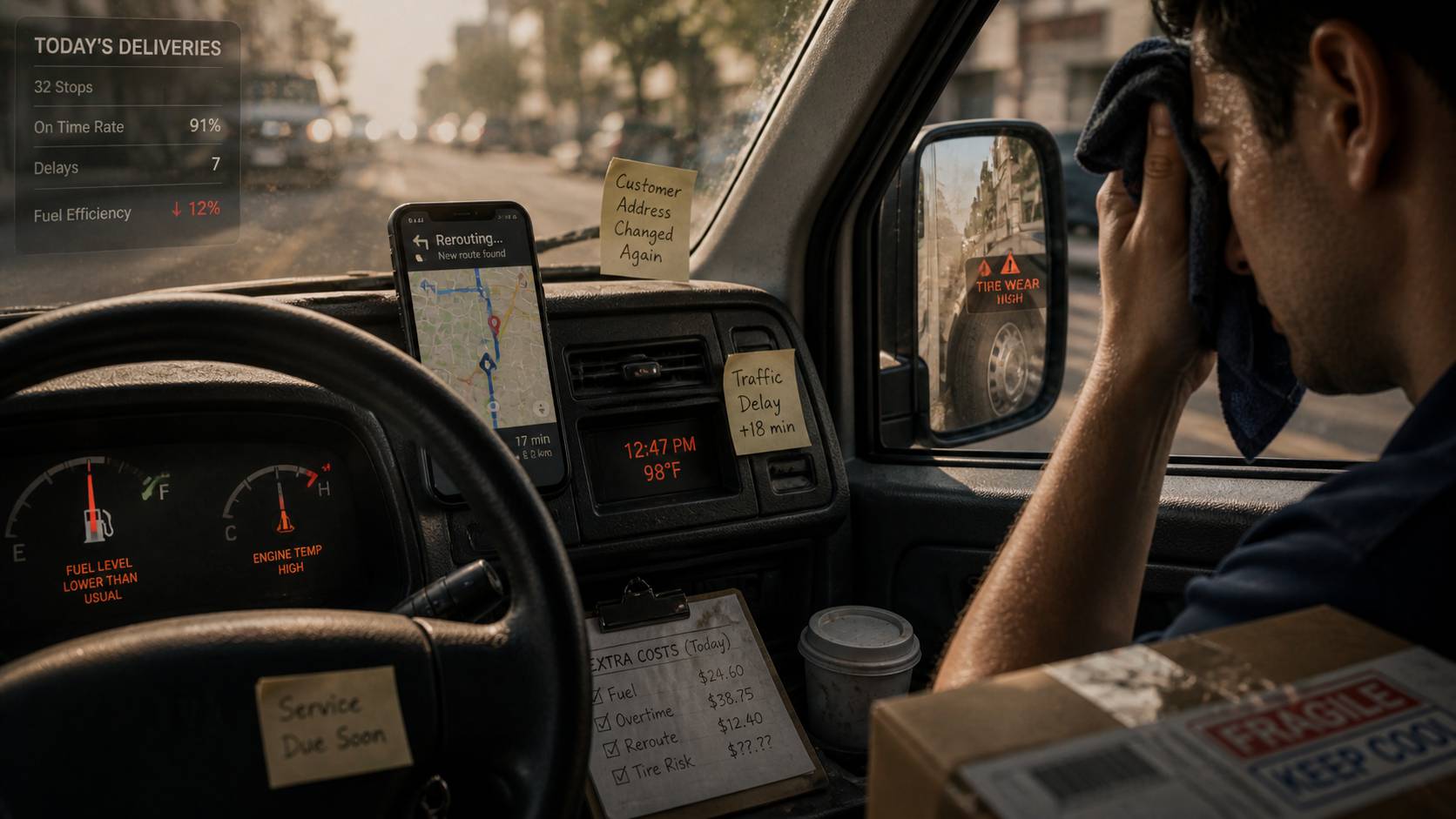
While the disruptions are visibile, the cost behind is not. Summer quietly inflates your operational expenses. Engines consume more fuel under the stress of heat. Tires wear out faster. The cooling systems demand frequent checks. These are not dramatic or sudden failures. There are small, consistent inefficiencies that stack up over time.
At this scale, this translates into a noticeable rise in cost per delivery. These increases often go unchecked as they are gradual, and get noticed only when the margins are hit. Without intelligent delivery software to optimize routes, reduce idle time, and improve asset utilization, businesses end up spending more just to maintain the same service levels. It is like running on a treadmill that keeps speeding up.
The Day Your ETA Stops Meaning Anything

Customers don’t track heatwaves. They track promises.
Summer disrupts delivery timelines in subtle but persistent ways. Traffic gets heavier, vehicles slow down, and riders are less productive during peak heat hours. What used to be a reliable 30-minute delivery window starts slipping regularly.
The real issue is that many systems don’t adjust fast enough. If your routing logic is static or based on historical averages, your ETAs become outdated the moment conditions change. That is when expectations and reality start drifting apart. And once customers lose trust in your timelines, it becomes difficult to win it back.
Demand Spikes That Refuse to Behave
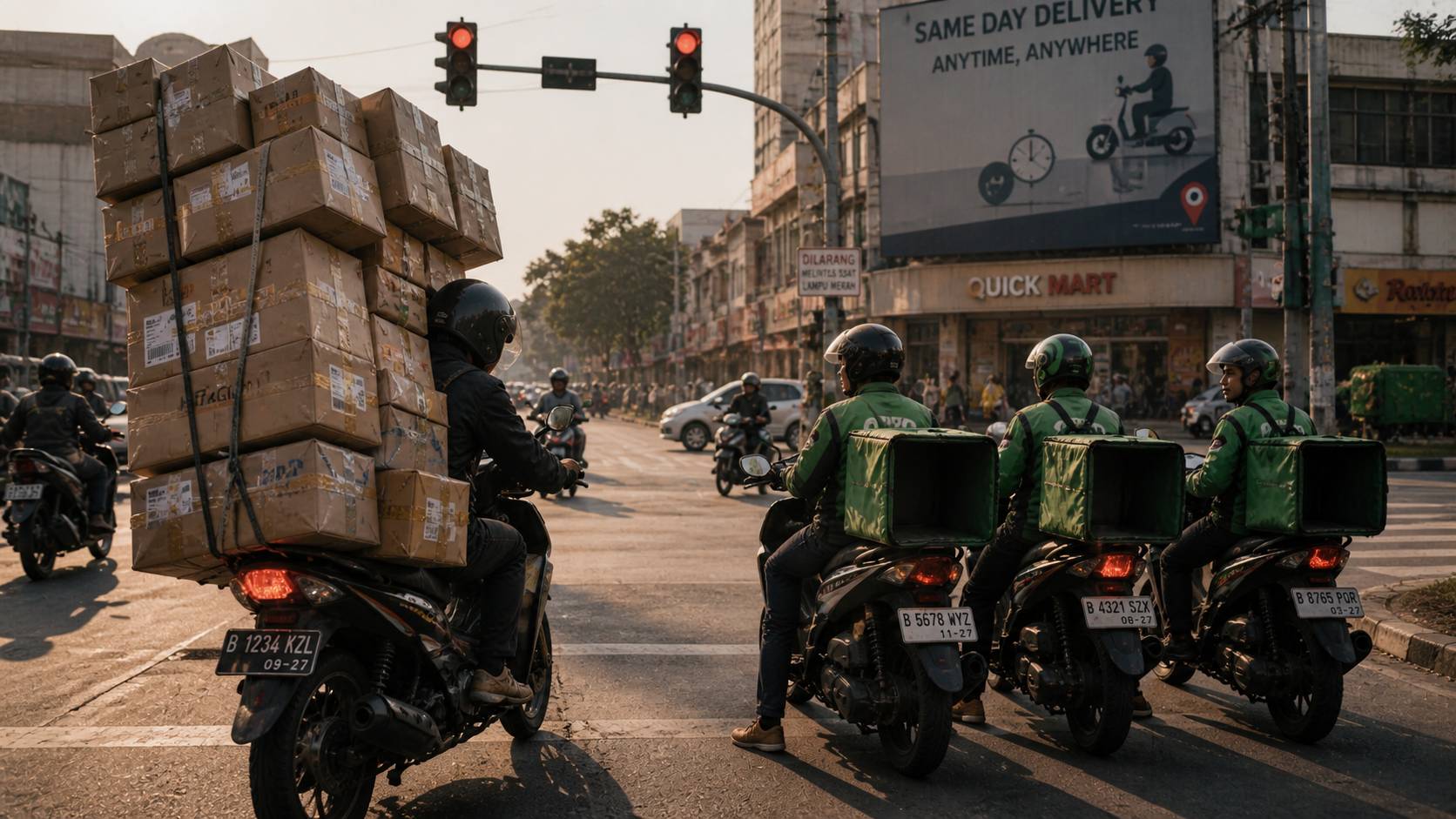
If demand simply increased during summer, planning would be easier. But it doesn’t. It becomes erratic.
You will see sudden surges in groceries, beverages, and quick commerce categories, but not evenly. Certain locations spike unexpectedly. Certain hours get overloaded. Meanwhile, rider availability drops during the hottest parts of the day, exactly when demand peaks.
This mismatch creates operational stress. Orders pile up in some zones while capacity sits underutilized in others. Traditional planning tools struggle here because they rely on predictable patterns. But summer demand is reactive. Without a responsive delivery management system, balancing this equation becomes a daily challenge.
Smarter Systems That Think on Their Feet

This is where modern delivery management software changes the game. Instead of relying on fixed plans, it adapts continuously.
With AI powered delivery software, routing becomes dynamic. The system considers real-time traffic, weather conditions, delivery urgency, and driver availability before assigning routes. It avoids congestion, reduces idle time, and ensures that deliveries move efficiently even when external conditions are unstable.
This kind of adaptability keeps operations running smoothly under pressure. It is not about finding the shortest path anymore. It is about finding the smartest one. In peak summer, that difference directly impacts both delivery speed and operational cost.
From Guesswork to Real-Time Control
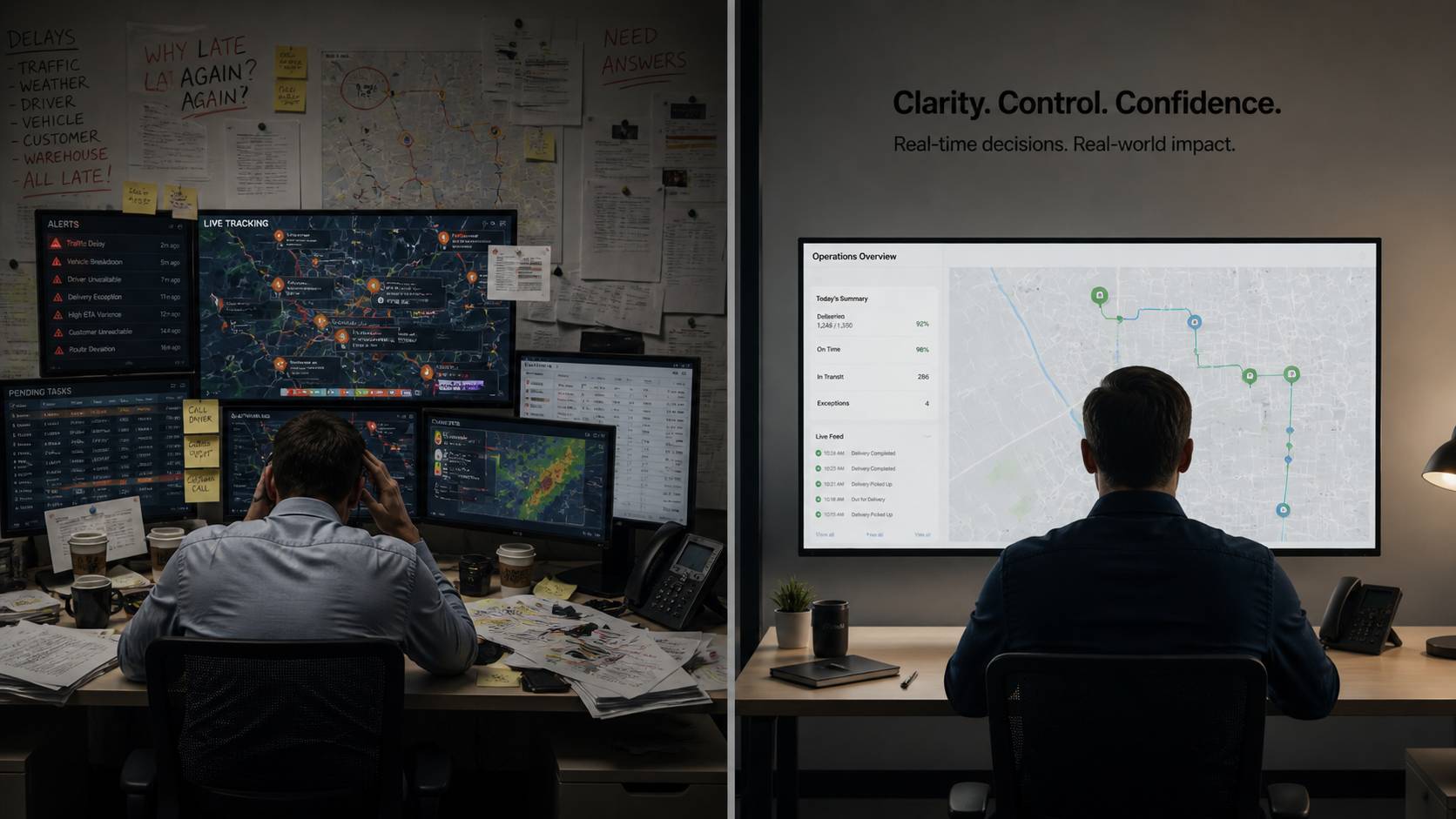
Visibility is what separates reactive operations from controlled ones. A strong delivery management solution gives you a live view of your entire fleet. You can track where vehicles are, how deliveries are progressing, and where risks are emerging.
A robust delivery management system (DMS) does not just show data. It acts on it. Alerts flag delays before they escalate. Dispatching becomes automated and optimized, ensuring that each rider is assigned orders efficiently. Predictive insights help anticipate demand spikes and high-risk routes, allowing teams to prepare instead of react.
There is an improvement in customer communication. With automated updates and accurate ETAs, customers tend to stay informed. This helps in reducing friction and builds trust. In a season which is full of uncertainty, this level of control keeps operations stable.
The Outcome: Stable Operations, Lower Costs, and Better Customer Trust
Summer logistics will never be easy. But i does not have to feel chaotic or unpredictable. With the right delivery management system, inefficiencies can be identified and addressed before they spiral into larger operational issues.
A strong delivery management solution brings structure to variability, helping teams manage fluctuating demand, rider availability, and route disruptions with far greater control. Add AI powered delivery software into the mix, and operations move beyond reactive decision-making to intelligent, data-driven execution.
The impact is tangible. Delivery networks become more resilient and adaptable under pressure. Costs are kept in check through better planning and resource utilization. Service levels remain consistent, even during peak stress periods. Customer expectations are met with greater accuracy and transparency. Most importantly, margins are protected, turning summer from a risk into a manageable phase.
Final Take: The Heat Isn’t Temporary, Your Strategy Shouldn’t Be Either
Rising temperatures and unpredictable climate patterns are becoming permanent variables in logistics. Businesses that treat summer as a short-term disruption will keep repeating the same mistakes. The smarter move is to build systems that adapt.
If your operations still rely on static routing or manual coordination, the problem is not just the heat. It is the lack of control. Platforms like LogiNext bring together intelligent routing, real-time visibility, and predictive analytics to help businesses stay ahead, even in peak summer chaos.
Because when the heat rises, effort alone will not protect your margins. Better systems will. So click on the red button and book a demo today!
49

|

|

|




@LogiNext