



How Delivery Became the Brand Experience
In today’s customer-first economy, delivery management has moved far beyond logistics. The customer journey no longer ends at checkout; it now extends all the way to the doorstep. Every ETA update, tracking notification, delay alert, and on-time arrival shapes how customers perceive a brand.
What was once seen as an operational metric has now become a customer experience driver, making delivery one of the most visible parts of the brand promise.
Customers no longer judge brands solely on product quality or price. They judge them on how easy, predictable, and transparent the post-purchase journey feels. In many ways, delivery has become the final test of whether a brand truly delivers on its promise.
The Customer Journey No Longer Ends at Checkout

For years, brands focused heavily on the pre-purchase experience. Website design, pricing, product pages, and checkout flows were treated as the primary levers of customer satisfaction. While these still matter, the real experience now begins after the order is placed.
Once customers click “buy,” they expect visibility and certainty. They want to know when their order will arrive, where it is in transit, and whether there are any delays. A lack of communication during this stage creates uncertainty, and uncertainty quickly becomes frustration.
This is why delivery management software has become essential for modern businesses. Real-time tracking, proactive alerts, and clear ETAs help brands maintain customer confidence even after the transaction is complete. A smooth post-purchase experience reassures customers that the brand values their time, not just their wallet.
The Last Mile Has Become the First Impression
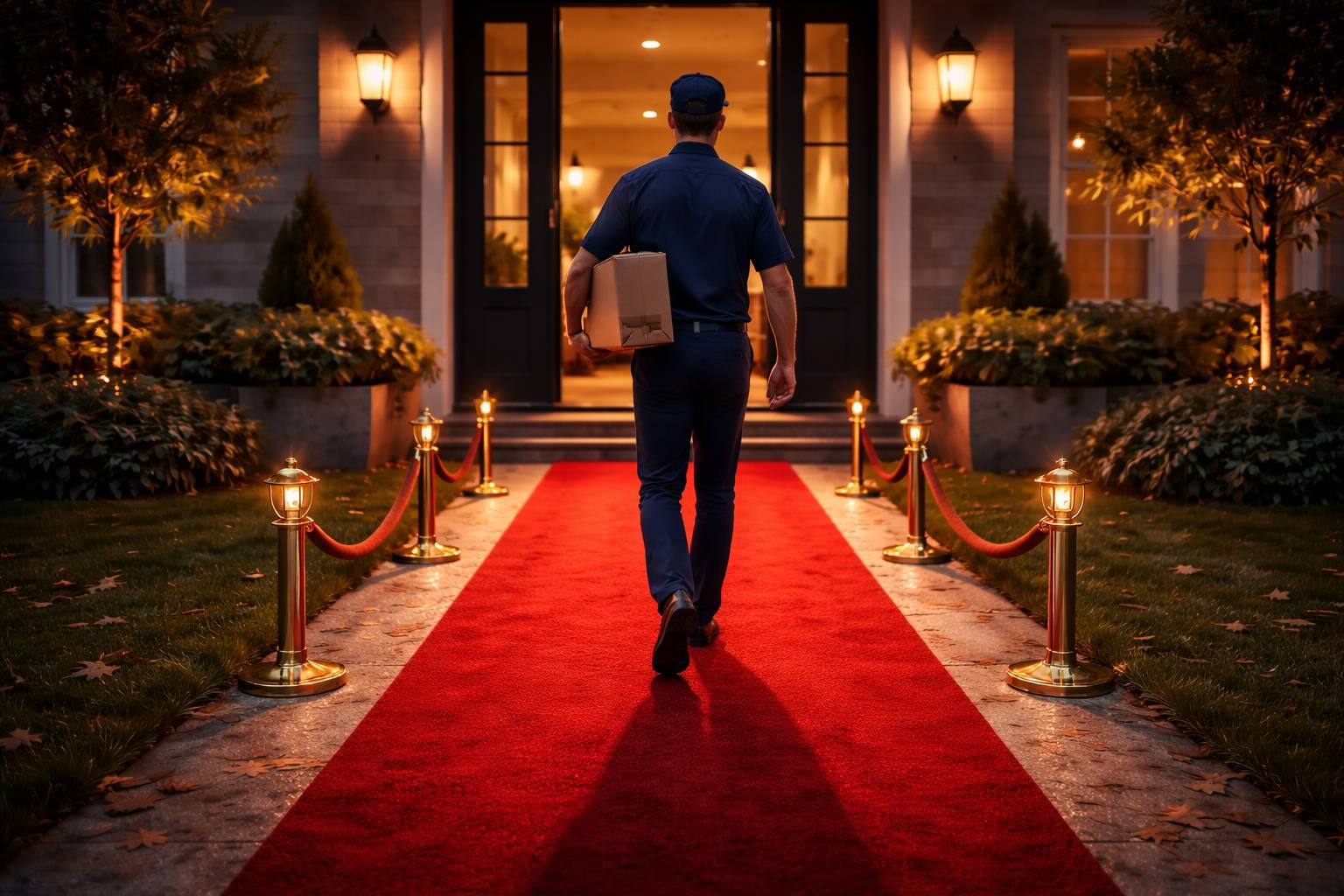
The last mile is no longer simply the final leg of a route. It is often the most memorable part of the entire customer journey.
A customer may spend only a few minutes on a website, but the delivery experience unfolds over hours or even days. Order confirmations, live tracking, arrival alerts, proof of delivery, and returns pickups all become moments of interaction with the brand.
This is where a strong delivery management system makes a measurable difference. Accurate ETAs and proactive communication reduce customer anxiety and build trust. Customers are far more likely to forgive a slightly longer delivery window if the timeline is communicated clearly and consistently.
In many ways, the doorstep has become the new storefront. The delivery driver, the timeliness of the order, and the condition of the package now represent the brand in the customer’s mind. The first lasting impression no longer happens at checkout, it happens at the door.
Why Delivery Performance Directly Impacts Customer Loyalty
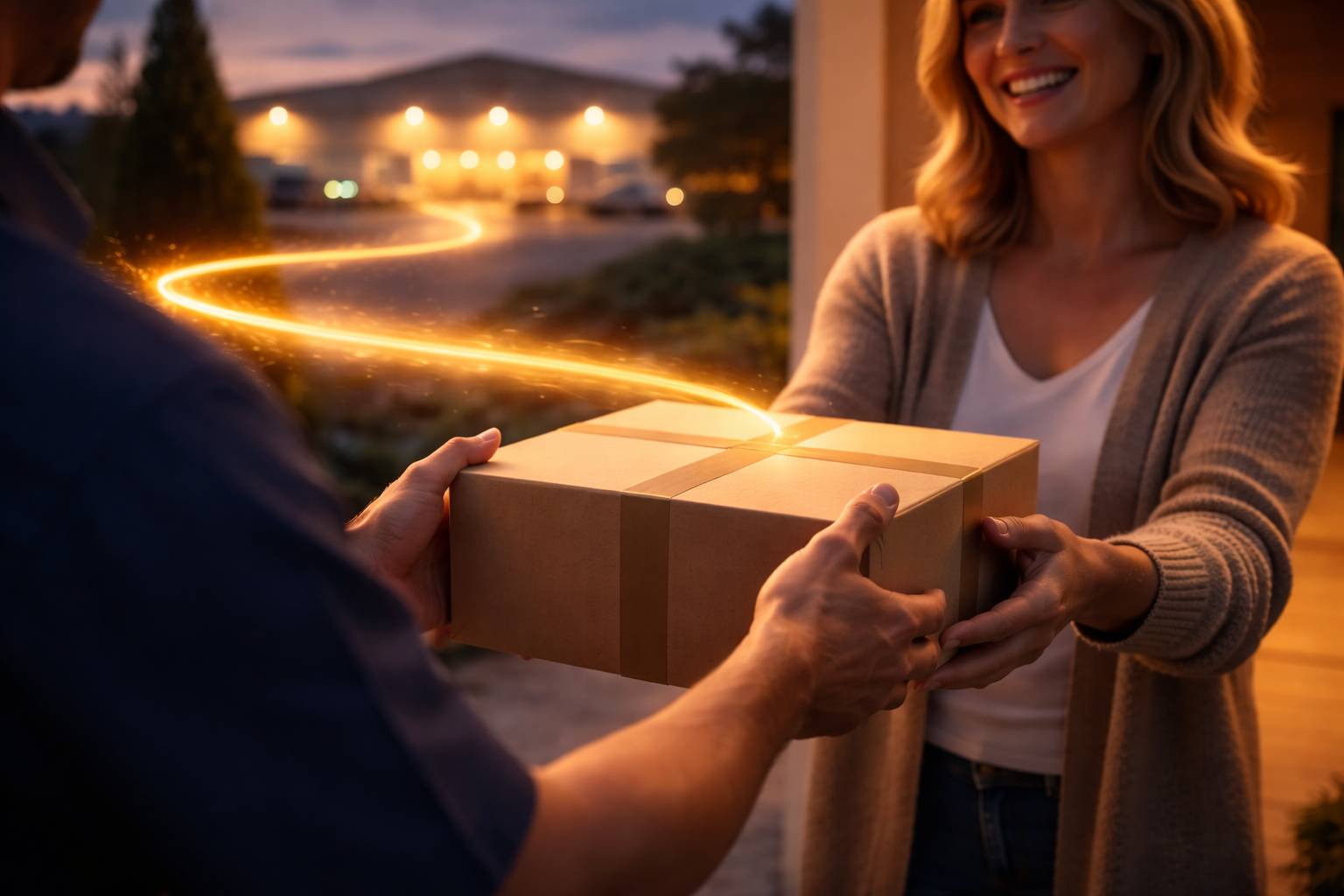
Late deliveries and failed attempts do more than disrupt operations. They directly affect customer loyalty.
Customers rarely separate the courier from the brand. If an order arrives late, the blame almost always falls on the business. In an age where alternatives are just a click away, one poor delivery experience can be enough to lose repeat business.
This is where delivery management becomes a growth lever rather than just an operational tool. A modern delivery management platform helps reduce failed deliveries, optimize route efficiency, and keep customers informed at every stage.
When customers trust that your brand will deliver exactly when promised, they are far more likely to return. Consistency builds reliability, and reliability builds loyalty. In many industries, especially retail, e-commerce, grocery, and quick commerce, delivery experience has become one of the strongest predictors of repeat revenue.
How Delivery Management Turns Logistics into Experience
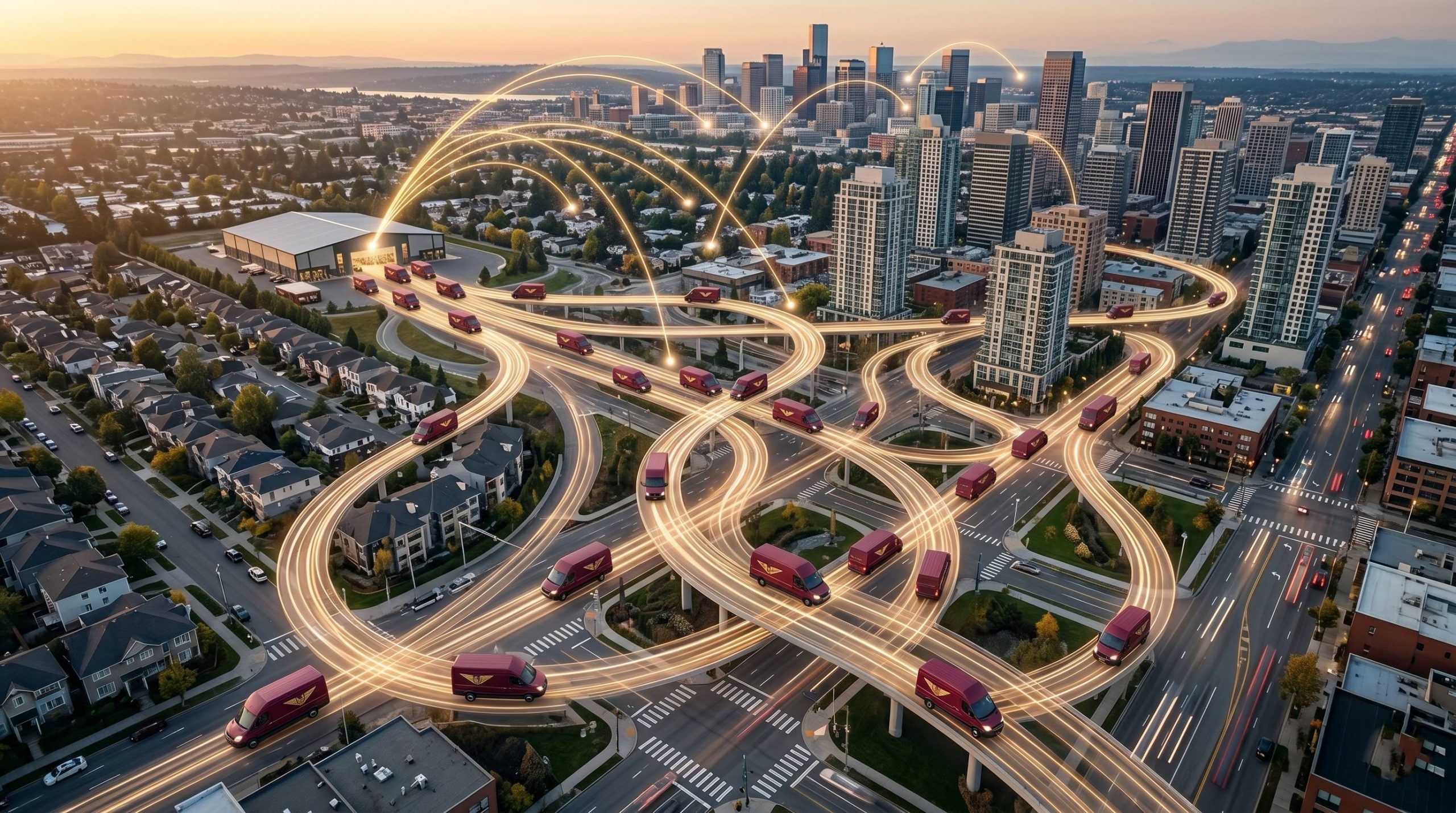
Today, businesses are no longer investing in logistics tools only to improve fleet efficiency. They are investing in customer experience infrastructure.
A smart delivery management solution connects route optimization, customer communication, proof of delivery, returns workflows, and performance analytics into one ecosystem. This creates a delivery journey that feels seamless, intentional, and customer-centric.
For example, automated notifications can instantly update customers if their delivery window changes. Digital proof of delivery creates transparency and accountability. Easy return scheduling improves the post-delivery experience.
This is where delivery software transforms logistics into experience.
A robust DMS allows brands to move from reactive problem-solving to proactive service design. Instead of dealing with customer complaints after a failed delivery, businesses can prevent the issue before it affects the customer. That shift is what defines experience-led delivery.
The Role of AI in Experience-Led Delivery
The future of delivery lies in intelligence and adaptability.
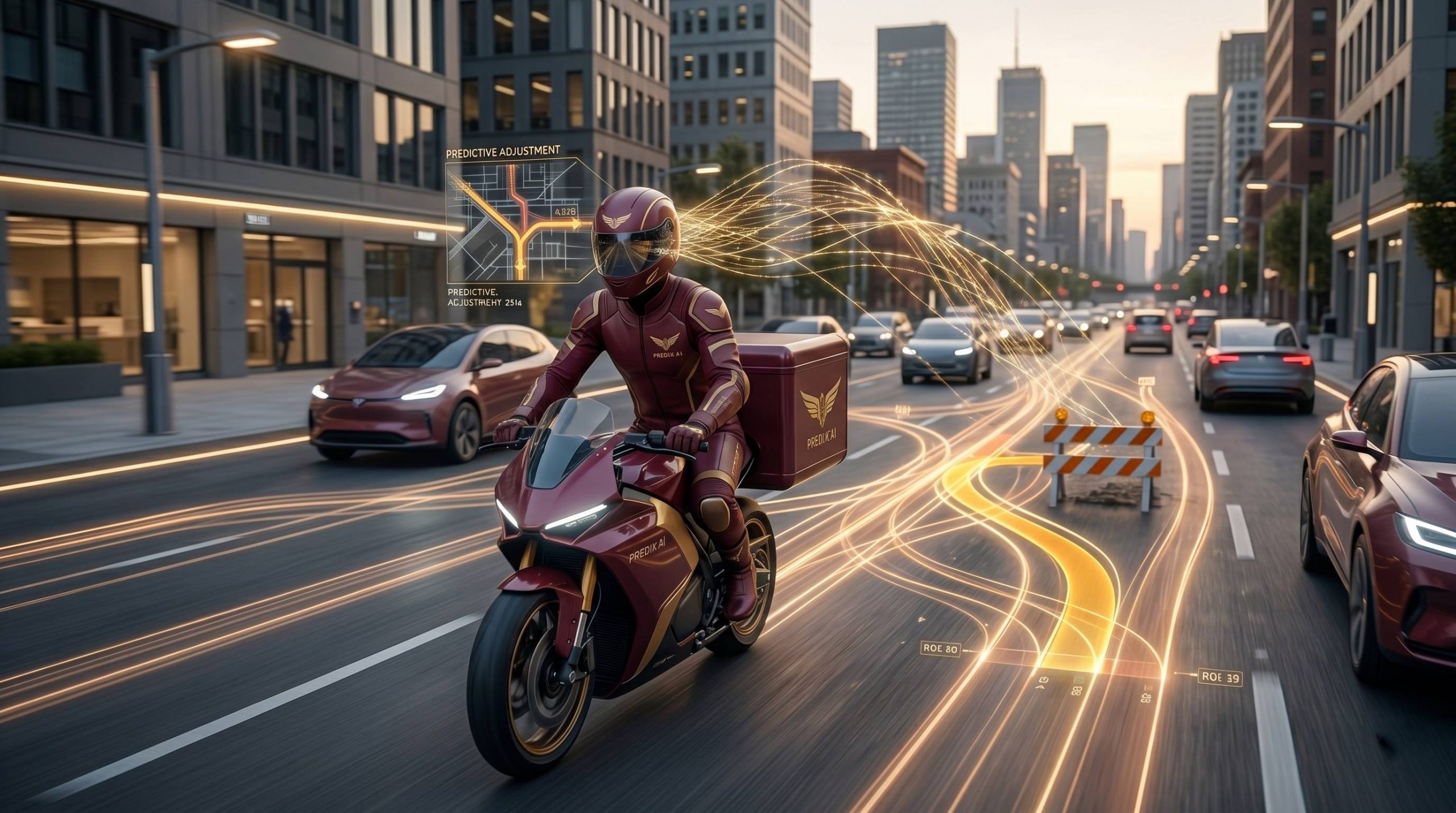
AI powered delivery management is transforming how brands meet rising customer expectations. Instead of relying on static routes and manual dispatch decisions, AI uses real-time traffic data, weather conditions, route density, and driver capacity to optimize deliveries dynamically. This allows businesses to predict disruptions before they happen.
For example, if traffic threatens an on-time arrival, the system can instantly reroute the driver and send an updated ETA to the customer. That one proactive message can significantly improve customer trust and reduce support queries.
Customers do not necessarily expect perfection. They expect visibility. This is why AI powered delivery management is becoming a key differentiator for businesses looking to create premium customer experiences at scale.
From Cost Center to Competitive Advantage
Delivery is no longer just a cost center. It is a strategic advantage. Businesses using advanced delivery management software can lower support tickets, improve on-time performance, reduce failed attempts, and strengthen customer satisfaction.
In highly competitive markets, products and prices can be replicated. Delivery experience is much harder to copy consistently.
Customers now compare brands not just on what they sell, but on how well they deliver. The business that communicates clearly, provides accurate ETAs, and consistently meets expectations earns trust faster.
That trust often translates directly into repeat orders and stronger customer lifetime value.
Conclusion: Turning Every Delivery into a Loyalty Moment
Great products may win the first purchase, but great delivery experiences win the second. By investing in scalable delivery management solutions brands can transform operations into a seamless customer experience engine. With LogiNext’s delivery management platform, businesses can optimize routes, improve ETAs, and create delivery journeys that build trust at every step.
Connect with LogiNext today and turn every delivery into a brand-defining moment that drives loyalty, retention, and long-term growth. Click on the red button to know more.
“”
 |  |  |




@LogiNext