





Margin on the Move: Why US Enterprises Are Building Smarter, Leaner Fleets
In today’s US logistics landscape, fleet management is no longer just an operational function. It has become a profitability strategy. Rising fuel costs, tighter delivery windows, higher labor expenses, and increasing customer expectations have forced enterprises to rethink an old assumption: more vehicles automatically mean better service.
In reality, oversized fleets often create the opposite effect, driving up costs through underutilized assets, inefficient routing, and avoidable downtime. The shift now is toward leaner, data-led fleet operations where every mile, vehicle, and route must justify its cost.
That is where modern fleet management software and intelligent automation are reshaping the economics of enterprise logistics.
From Fleet Size to Fleet Productivity
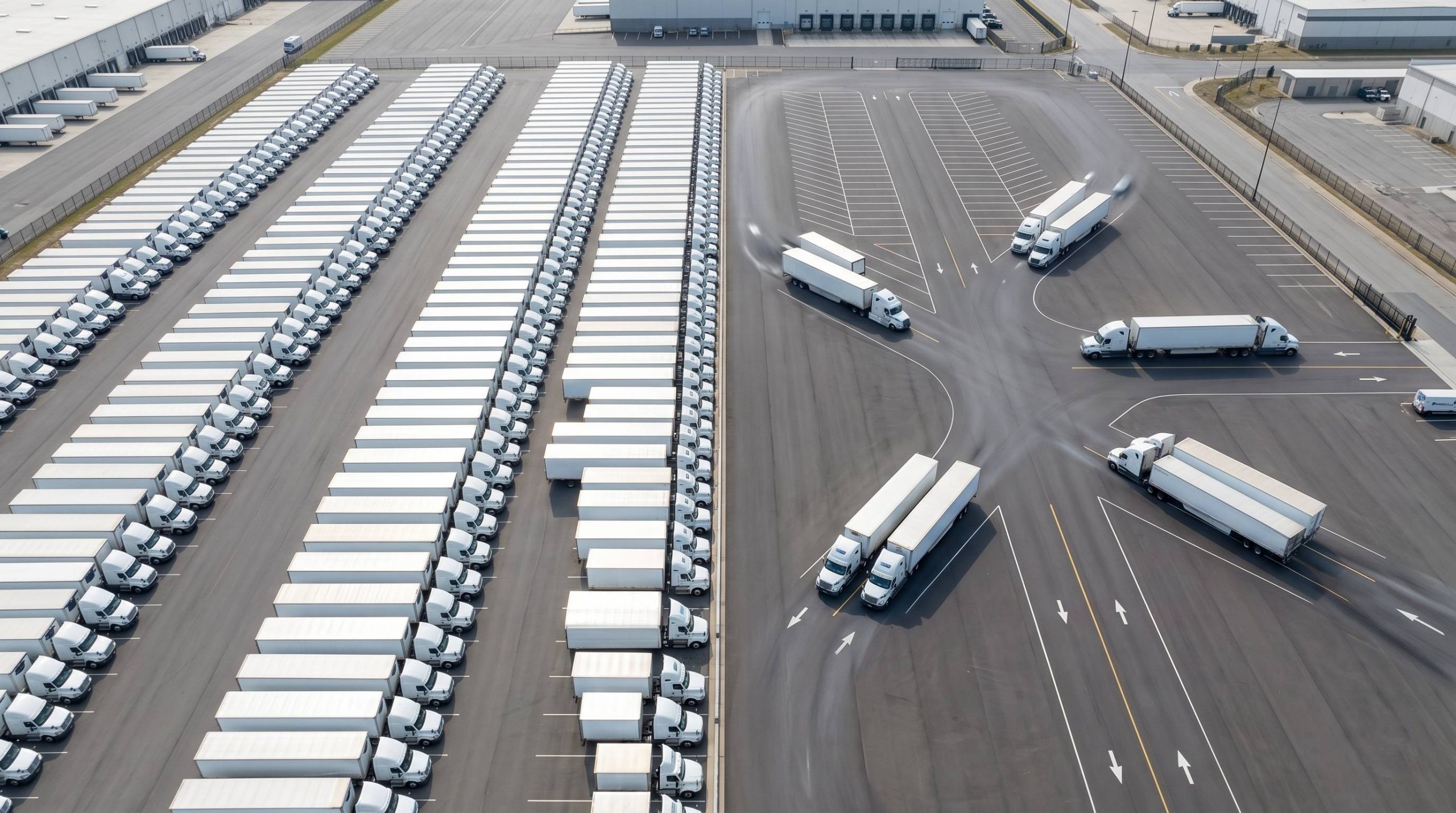
For years, scaling logistics meant adding vehicles. More demand meant more trucks, more drivers, and more route capacity. But in 2026, that model is beginning to look financially outdated. A vehicle that spends too much time idle is not an asset. It is a cost center with wheels.
US enterprises are now embracing efficient fleet management strategies that focus on asset productivity rather than asset volume. Instead of expanding fleets reactively, businesses are using performance data to identify underutilized vehicles, consolidate routes, and improve load planning.
This leaner approach reduces insurance, maintenance, and depreciation costs while improving revenue per vehicle. In a market where labor shortages and wage pressures continue to rise, excess fleet capacity has become an expensive luxury.
This is where a modern fleet management system becomes more than a visibility tool. It helps operations teams understand which vehicles are underperforming, which routes consistently run below capacity, and where asset rationalization can directly improve margins.
In short, smarter utilization is replacing blind expansion.
Smarter Routes, Stronger Margins
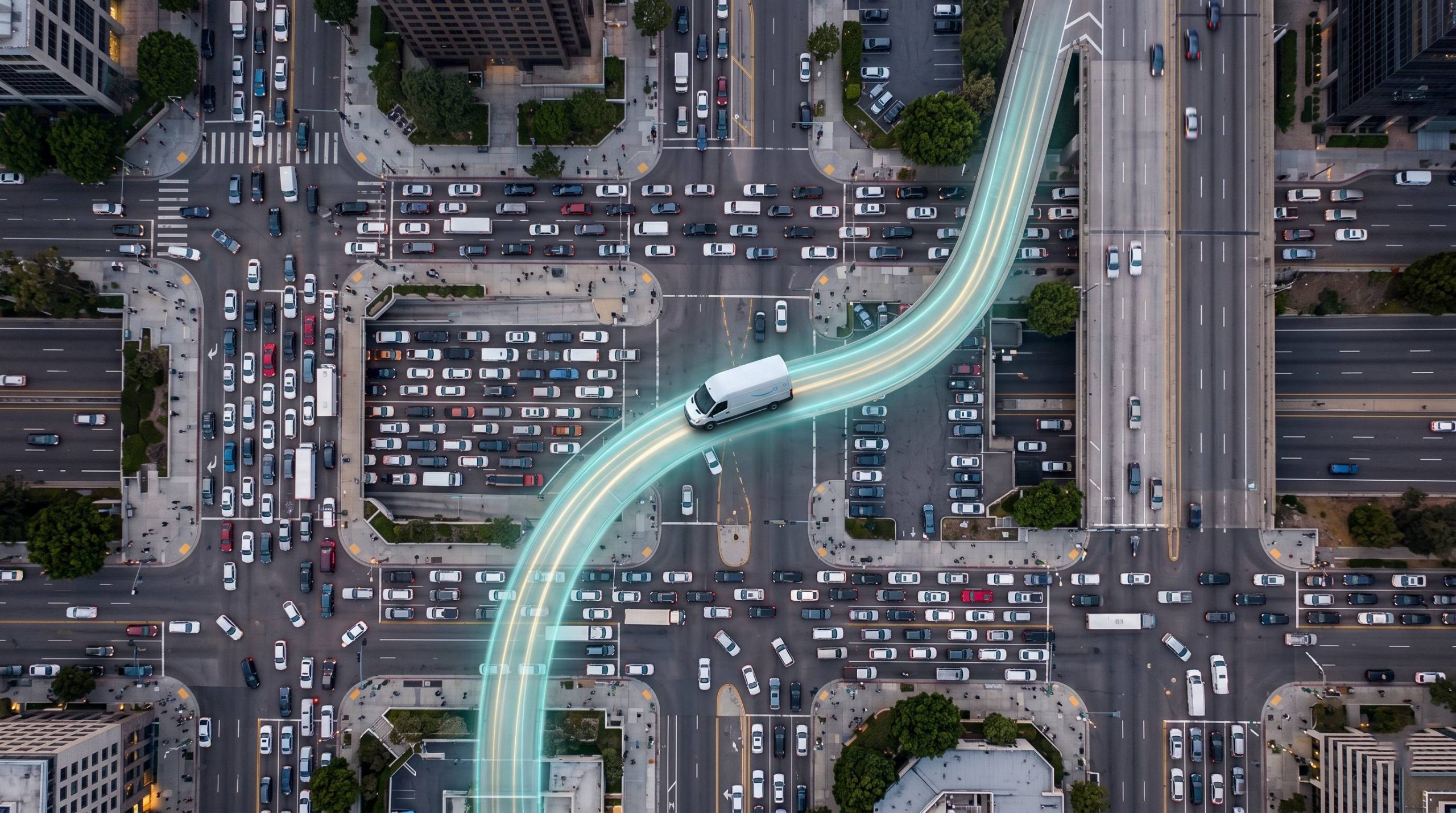
Route inefficiency remains one of the biggest silent drains on profitability. A few extra miles per route may seem minor, but across hundreds of vehicles and thousands of weekly trips, those costs compound quickly.
This is why AI powered fleet management has become central to enterprise logistics strategy. Modern fleet management systems now use real-time traffic data, delivery priority, vehicle capacity, and driver schedules to optimize routes dynamically.
The goal is not simply to find the shortest path. It is to find the most commercially efficient one. That means balancing delivery speed, fuel usage, driver productivity, and customer SLAs in real time. For enterprises, this turns route planning from a dispatch task into a margin lever.
More importantly, route optimization is no longer a once-a-day exercise. Traffic congestion, weather disruptions, and same-day order surges can make a morning plan obsolete by noon.
A strong fleet management solution ensures route density remains high, vehicles avoid unnecessary deadhead miles, and delivery commitments stay intact even when conditions shift.
In logistics, margins are often won in the miles no one notices.
Downtime Costs More Than Repairs
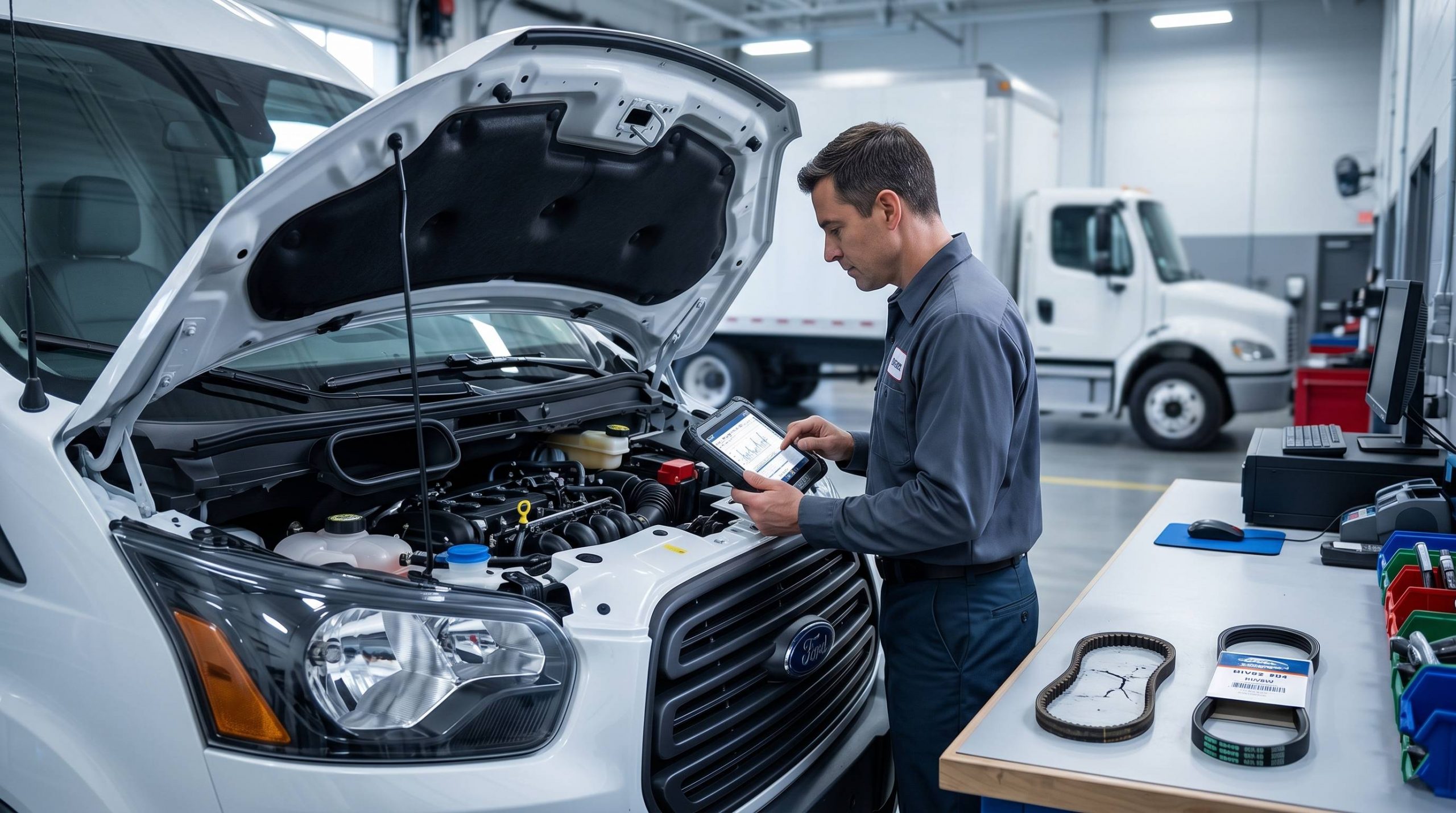
One vehicle breakdown rarely stays just an operational issue. It creates delayed deliveries, missed SLAs, overtime costs, and in many cases, customer dissatisfaction that extends beyond a single order.
This is where advanced fleet management software proves its value. Predictive maintenance capabilities help enterprises detect issues before they escalate into expensive downtime. By monitoring vehicle health, mileage thresholds, engine diagnostics, and driver behavior patterns, businesses can schedule maintenance proactively and keep fleet uptime high.
For US enterprises operating regional or national delivery networks, downtime costs can ripple far beyond a single route. A failed vehicle may force last-minute route reassignment, increase driver hours, and impact promised delivery windows.
This is why AI powered fleet management is increasingly being used to identify recurring failure patterns across the fleet. Instead of looking at vehicles in isolation, enterprises can analyze asset performance trends fleet-wide and make smarter servicing decisions.
The financial logic is simple: preventive maintenance costs less than reputational damage.
AI Is Making Fleets More Autonomous

The next frontier is not only automation, but intelligent decision-making at scale.
Autonomous fleet management does not necessarily mean driverless vehicles. It refers to systems that can independently optimize assignments, reroute vehicles around disruptions, rebalance loads, and adjust schedules with minimal human intervention.
For large US enterprises, this is becoming essential. Manual fleet decisions simply do not scale fast enough in a same-day and next-day delivery environment. A robust fleet management system now functions less like a dashboard and more like an intelligent control tower, constantly analyzing, adjusting, and improving operational efficiency.
That is what modern AI powered fleet management really delivers: not just visibility, but decision intelligence. The fleet gets leaner not because it shrinks, but because it thinks smarter.
The New Logic of Fleet Efficiency
The enterprises leading in 2026 are not the ones with the biggest fleets. They are the ones extracting the most value from every vehicle they own.
Leaner fleets mean fewer wasted miles, lower idle time, better route density, and stronger margins. This is the core of modern fleet management: moving from scale-based logistics to performance-based logistics.
What is changing in the US market is the mindset around efficiency. It is no longer measured solely by cost reduction. It is measured by how effectively logistics operations support growth, customer retention, and service excellence.
A well-optimized fleet management solution directly impacts customer experience. This is through better ETA accuracy, fewer missed deliveries, and more reliable service windows.
In a market where delivery performance increasingly shapes brand perception, operational efficiency has become a front-end business differentiator. And in an environment where every operational inefficiency shows up in margin reports, that shift is not optional. It is strategic.
Conclusion: Build a Fleet That Performs Like a Business Asset
The future of enterprise logistics belongs to fleets that are intelligent, lean, and built for margin efficiency. From fleet management software and predictive maintenance to autonomous fleet management and AI-led optimization, the tools now exist to transform fleet operations into a true competitive advantage.
With LogiNext, enterprises can move beyond traditional fleet management and build a smarter logistics engine powered by real-time visibility, route intelligence, and automation-first decisioning.
Because in 2026, the smartest fleets are not just moving goods. They are moving margins. So click on the red button and book a demo today.
33

|

|

|




@LogiNext