



How to Eliminate Prep-to-Pickup Delays and Dock Bottlenecks
In today’s high-speed delivery ecosystem, driver management software has evolved far beyond simple driver tracking. It now plays a critical role in synchronizing physical movement with operational workflows in real time. Whether it is a rider approaching a cloud kitchen or a linehaul truck nearing a parcel hub, delays often begin in the invisible gap between physical arrival and digital acknowledgment. This gap impacts service speed, product quality, labor efficiency, and customer satisfaction.
The Hidden Delay That Slows Operations
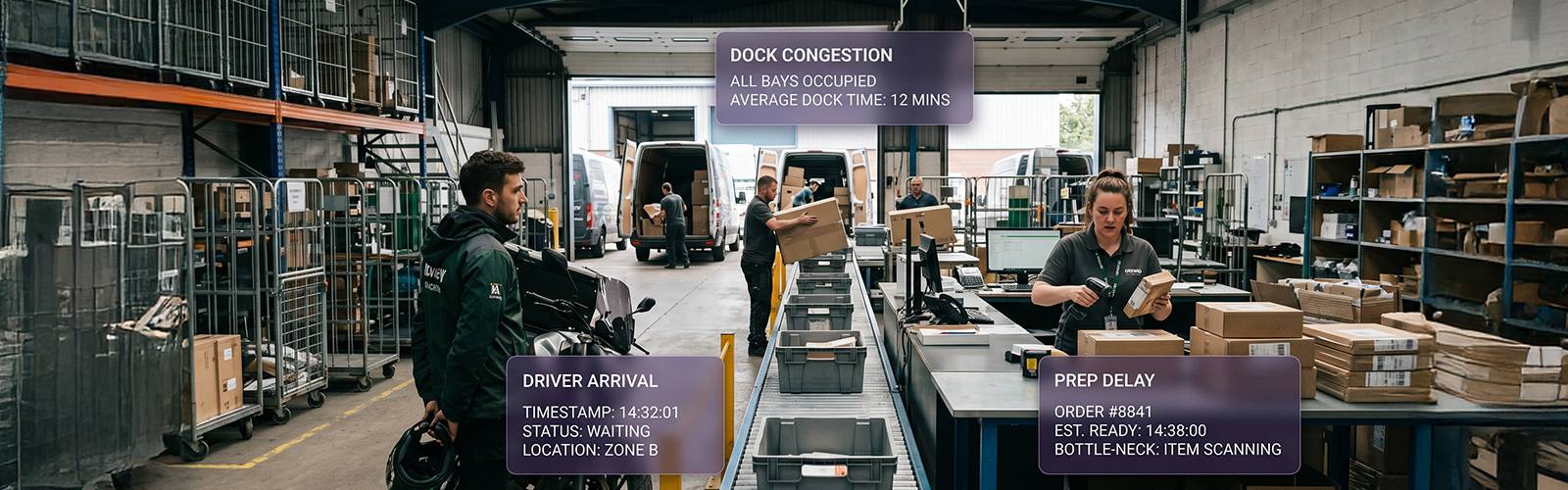
Across industries, one persistent challenge continues to create operational inefficiencies: the prep-to-pickup gap and the dock bottleneck.
In cloud kitchens and QSR operations, food may be prepared before the rider actually reaches the pickup point. Without a real-time arrival trigger, orders often wait under heat lamps, affecting food temperature and quality.
Even a few extra minutes can lead to poor customer reviews and lower repeat orders. According to Salesforce, 88% of customers say the experience a company provides is as important as its products or services. Thereby, making timely hand-offs critical to retention.
A similar issue affects CEP and parcel hubs. Trucks often arrive at the gate before the sorting or dock teams are aware of it. While drivers complete paperwork or wait for manual check-in, teams inside continue working on lower-priority tasks. The vehicle has arrived, but the system has not yet responded.
Why Manual Check-Ins Are No Longer Enough
Many operations still depend on drivers manually updating their arrival status through an app. This process introduces unnecessary friction at a critical stage of execution.
First, app fatigue is a real operational problem. Drivers manage navigation, documentation, and route coordination simultaneously, making manual milestone updates easy to miss or delay.
Second, manual inputs create an information lag. Kitchens prepare based on estimated ETAs instead of actual proximity, while hubs allocate labor reacAtively rather than proactively.
Third, this leads to margin leakage. When timestamps depend on human action, SLA reporting, detention billing, and hand-off accountability become unreliable.
Finally, delayed arrival updates create workflow paralysis. Customer notifications, dock readiness, cold storage preparation, and labor alerts are all delayed because the triggering signal comes too late.
Moving from Manual Triggers to Autonomous Signals
This is where AI powered driver management becomes essential.
Modern driver management systems use GPS and geofencing to automatically detect vehicle movement and trigger workflows the moment a vehicle enters a predefined boundary.
Instead of relying on drivers to manually tap “arrived,” the system converts real-world movement into an instant digital command.
The vehicle’s GPS coordinates effectively become a digital key. Once a driver crosses a geofence, the system can automatically trigger:
- Kitchen preparation
- Dock assignment
- Labor allocation
- Customer alerts
- Cold storage readiness
- Yard slotting
This is zero-touch execution. No buttons, delays and dependency on human action.
Use Case 1: QSR and Cloud Kitchens
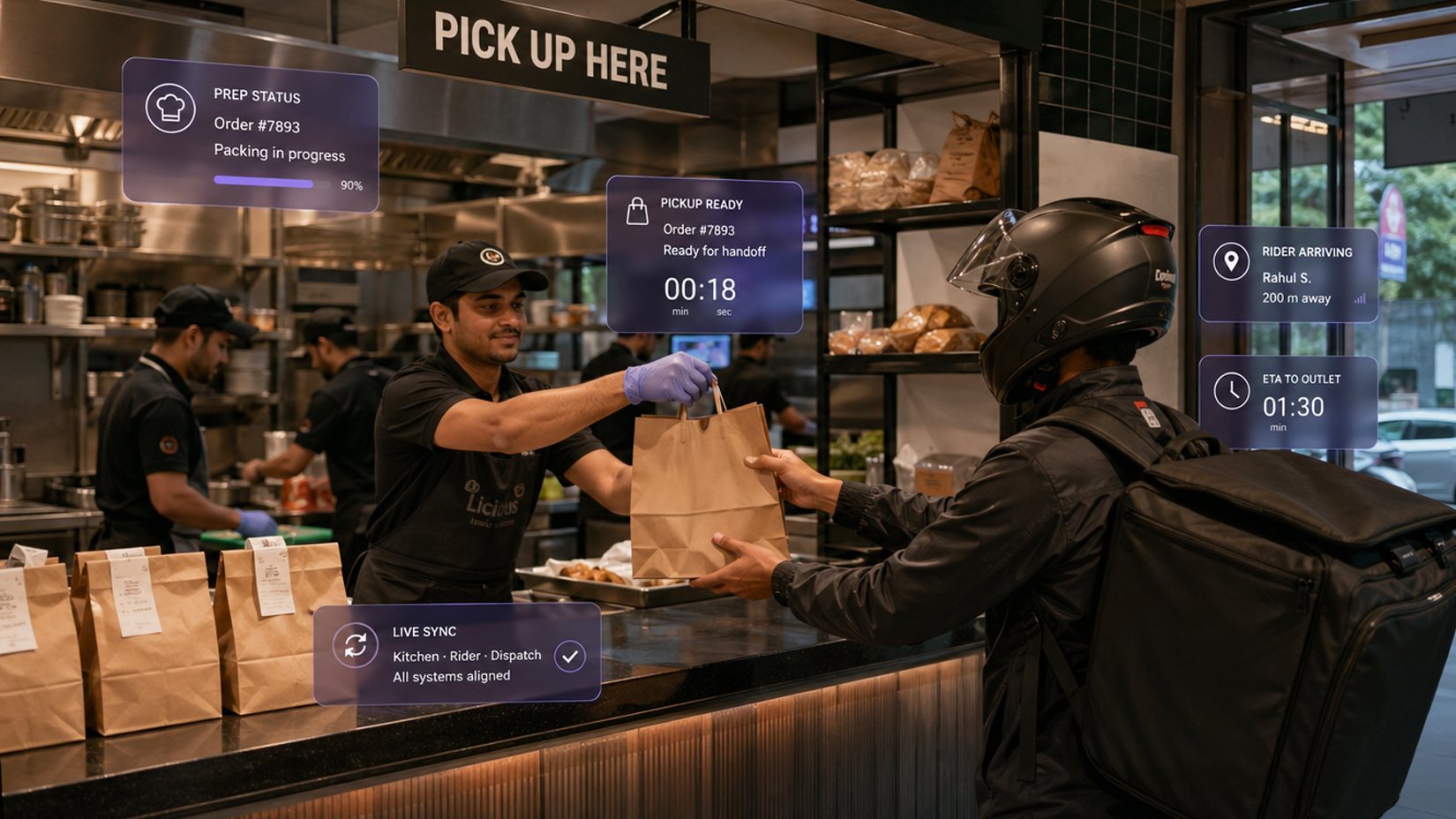
In food delivery, timing directly impacts customer experience.
With an intelligent driver management platform, the kitchen receives a real-time signal when the rider enters a predefined proximity zone, such as 500 meters from the outlet. This allows the order to be prepared based on actual rider arrival rather than estimated timing.
As a result, food preparation begins at the right moment, reducing wait time at pickup and eliminating unnecessary dwell time under heat lamps. The outcome is an immediate hand-off, faster click-to-door delivery, better food quality, and stronger customer satisfaction scores.
For QSR brands competing on speed and consistency, this directly improves NPS, repeat orders, and overall delivery experience.
Use Case 2: CEP and Parcel Hubs
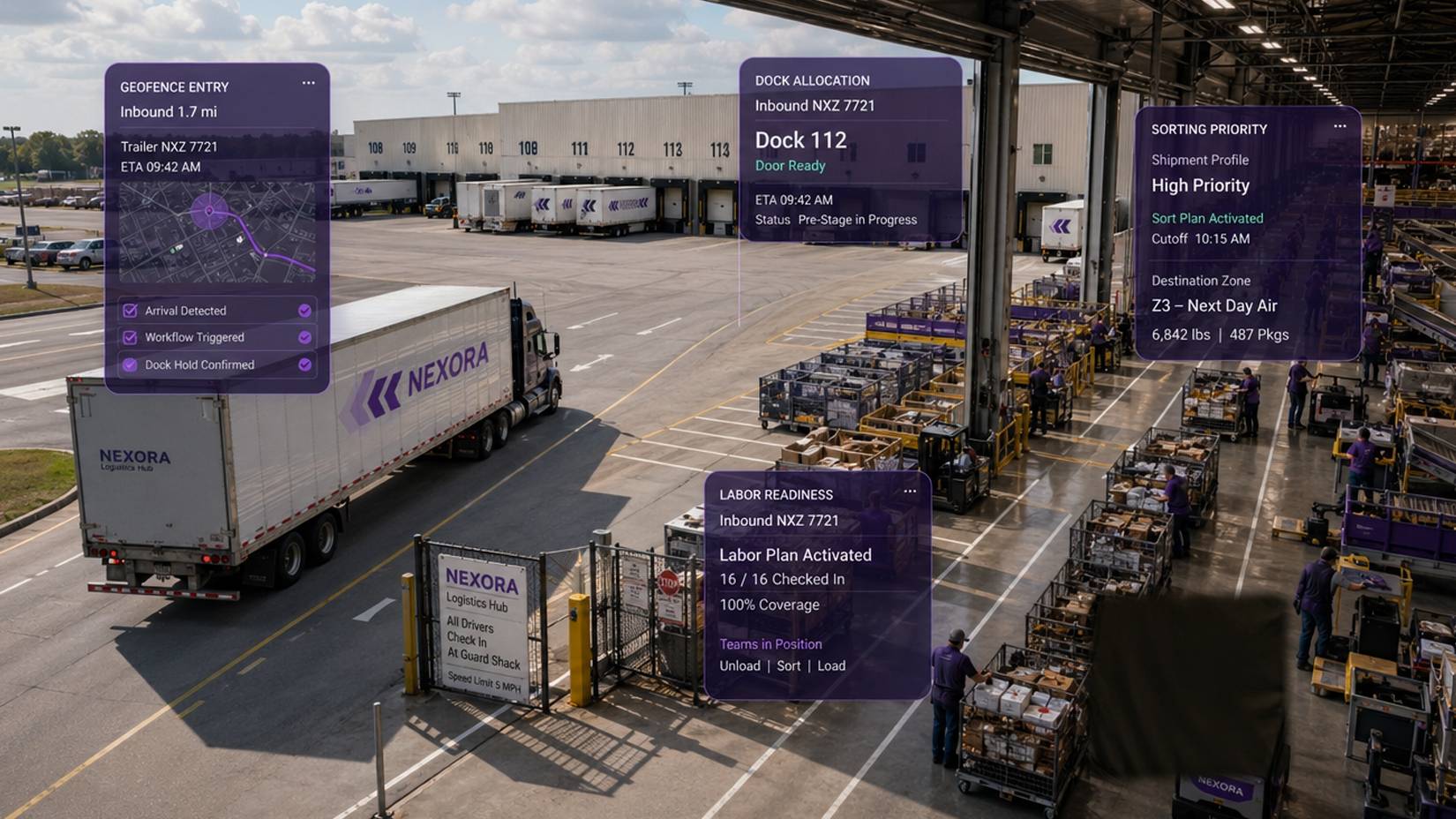
In parcel logistics, gate-to-dock lag remains a major operational bottleneck.
A smart driver management solution eliminates this delay by triggering workflows the moment a truck enters a 5–10 km geofence around the hub. This automated signal can instantly initiate dock allocation, sorting priority changes, labor team readiness, and yard slot booking before the truck physically reaches the gate.
As a result, hubs can process priority loads faster, reduce congestion at entry points, and improve throughput by up to 20%, especially during peak volume periods. This ensures faster turnaround and better SLA adherence.
Use Case 3: Line-Haul and Long-Haul Trucking
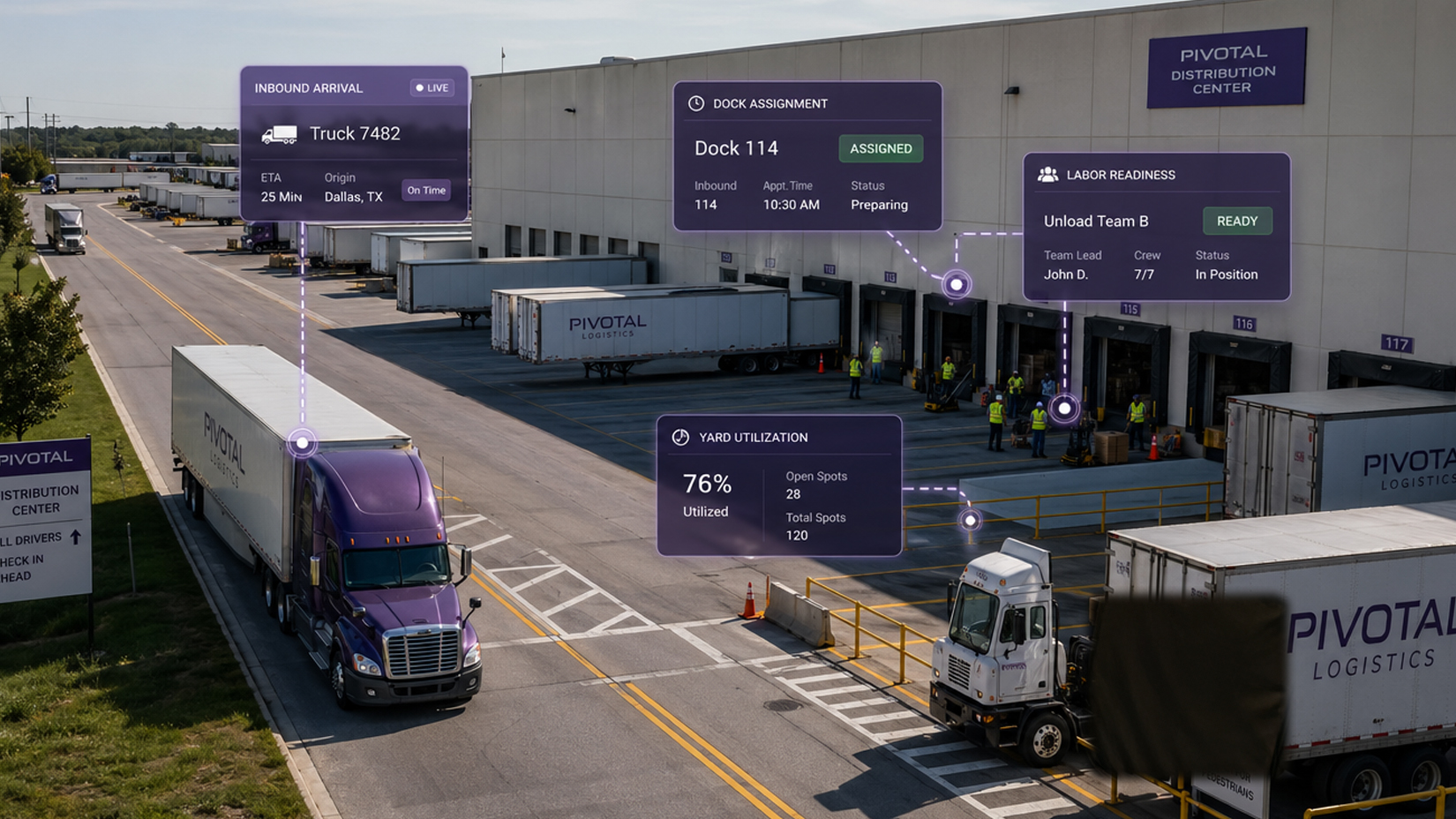
Distribution centers often prepare labor based on scheduled ETA, which rarely matches real road conditions.
Using driver management software, real-time geo-signals allow DC teams to dynamically prepare unloading labor, assign docks, and manage yard space as trucks approach. This helps operations teams align workforce availability with actual arrival times instead of relying on planned schedules.
Early or delayed truck arrivals no longer disrupt workflows. The result is lower labor idle time, better dock utilization, smoother yard operations, and significantly reduced congestion during high-volume inbound windows.
Use Case 4: Healthcare and Cold Chain Logistics
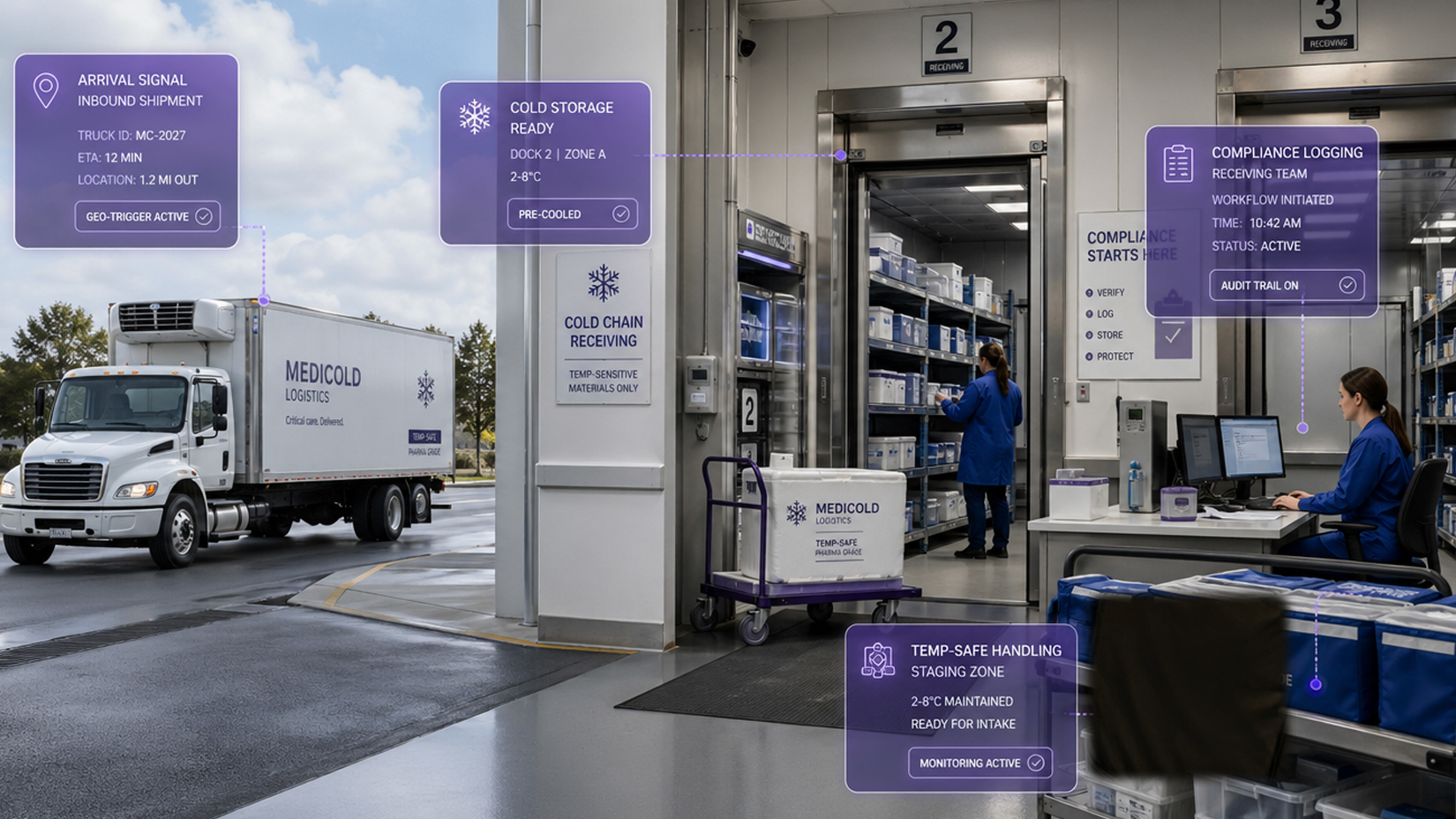
For healthcare and pharma logistics, timing failures can quickly become compliance failures.
Vaccines, biologics, and temperature-sensitive products require immediate temperature-controlled handling upon arrival. With AI powered driver management, geo-triggered alerts notify receiving teams before the vehicle reaches the facility. Thereby, ensuring cold storage units are ready and compliance logging systems are activated in advance.
This minimizes temperature excursion risk, supports regulatory compliance requirements, and significantly reduces spoilage risk. For critical healthcare shipments, this level of precision is essential for both operational efficiency and patient safety.
The Bigger Operational Advantage
Signal-driven logistics transforms operations from reactive workflows into predictive orchestration.
The benefits are measurable:
- Faster turnaround times
- Lower yard congestion
- Improved labor utilisation
- Stronger SLA adherence
- Better customer experience
- Reliable audt trails
Most importantly, it creates a physics-backed record of arrival events, eliminating disputes around driver check-ins and shipment timing.
Conclusion
The biggest delays in logistics often happen in the few minutes between arrival and action. Closing this gap requires moving beyond manual updates to autonomous, signal-driven execution. With smarter workflows, businesses can eliminate pickup delays, reduce dock bottlenecks, and improve operational speed across functions.
If your teams still rely on manual check-ins, it may be time to rethink the process. Connect with LogiNext to build a faster, smarter, and more reliable logistics ecosystem. Click on the red button to know more.
“” 62
 |  |  |




@LogiNext