




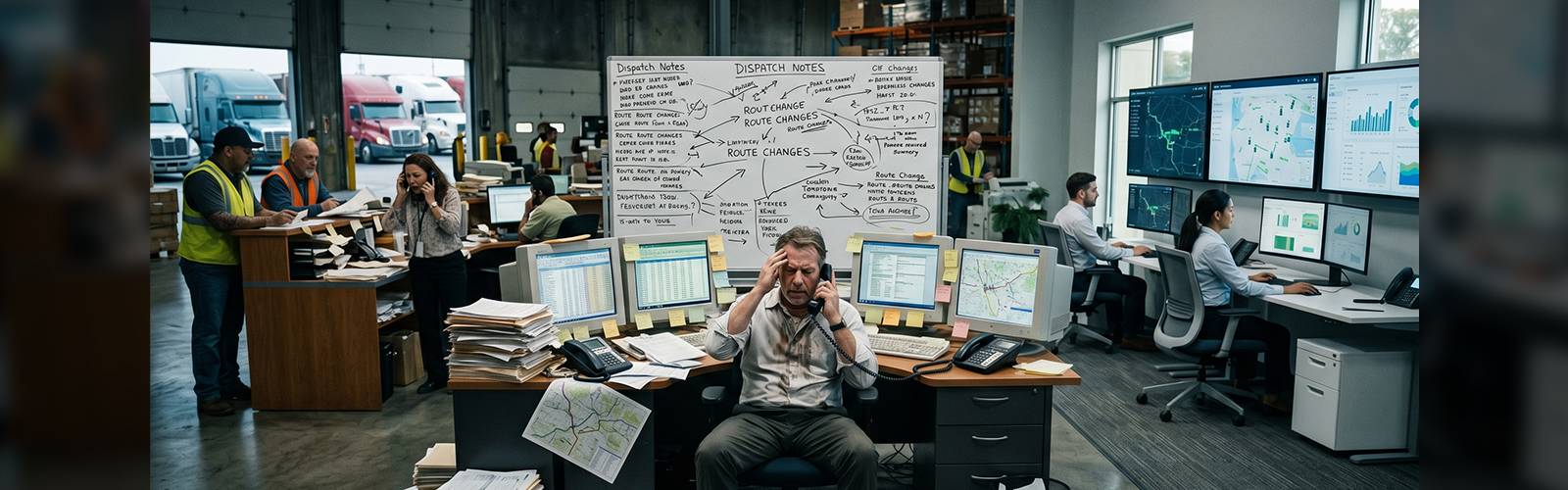
The Most Expensive Word in Logistics? “Manual.”
In logistics, “manual” used to mean control. Today, mostly means delays, errors and rising operational costs. Modern trucking software is not replacing logistics teams because it looks futuristic. It is replacing manual operations because manual operations are becoming painfully expensive.
Every spreadsheet update, dispatch phone call, handwritten proof of delivery or last-minute routing decision quietly slows down operations. And in an industry already battling fuel costs, driver shortages and tighter delivery expectations, those delays add up fast.
According to McKinsey, logistics companies using AI and automation can reduce transportation costs by up to 15% while improving service levels significantly.
The reality is simple: manual operations are no longer inefficient. They are expensive.
Your Spreadsheet Is Running the Fleet. That’s the Problem.
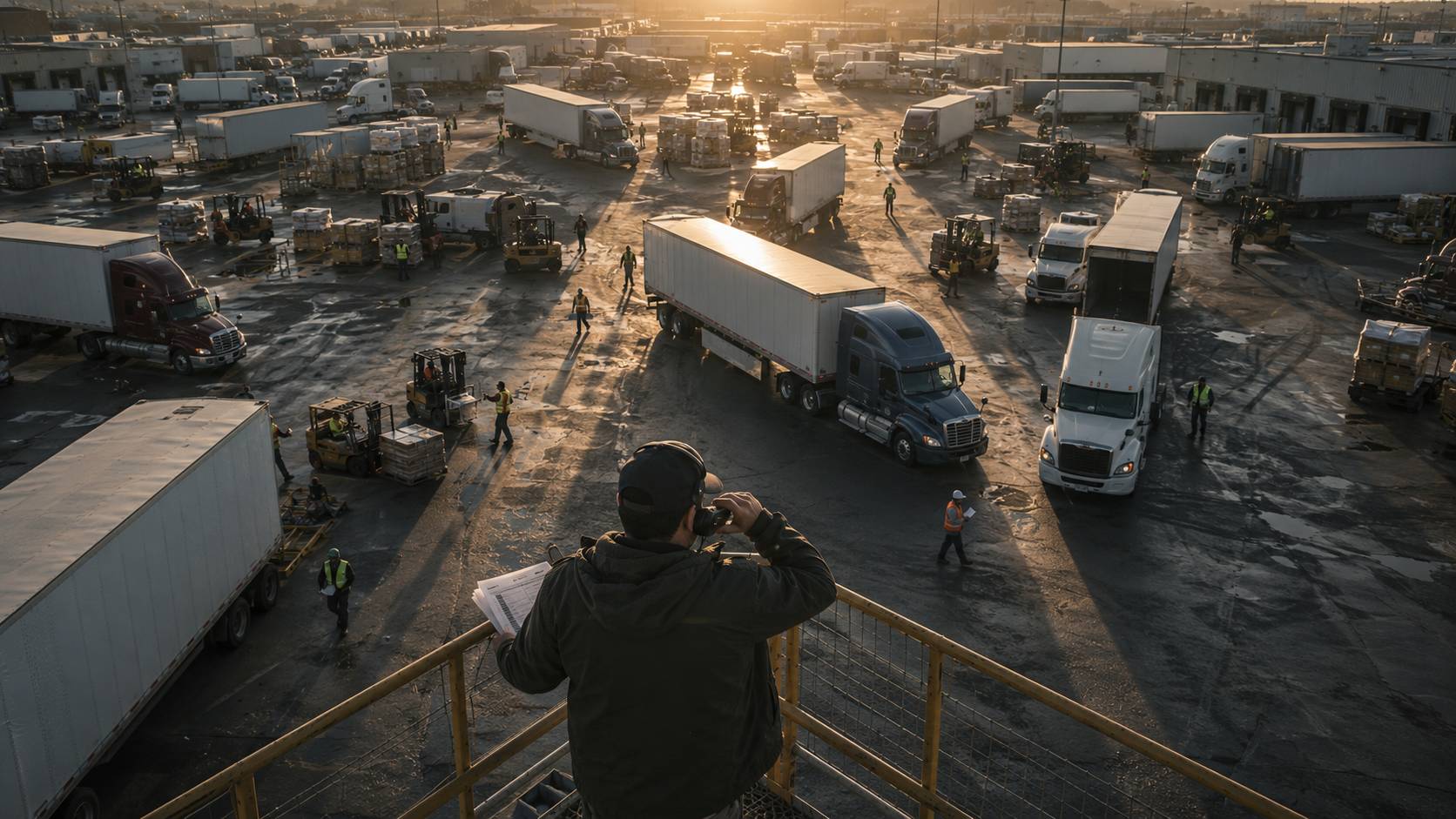
Most transportation companies do not realize how dependent they are on manual coordination until operations start breaking under pressure. Dispatchers juggling spreadsheets, calls, and delivery updates may keep things moving temporarily, but the system becomes fragile as shipment volumes increase. Many fleets still rely on:
- Excel sheets for route planning
- Phone calls for dispatching
- Paper logs for compliance
- WhatsApp groups for driver communication
The issue is not just inefficiency. It is the lack of centralized visibility. One missed update can trigger delays, idle trucks, and unhappy customers. A connected trucking system solves this by centralizing dispatching, tracking, communication, and reporting into one streamlined operational workflow.
Every Manual Route Comes With a Fuel Surcharge
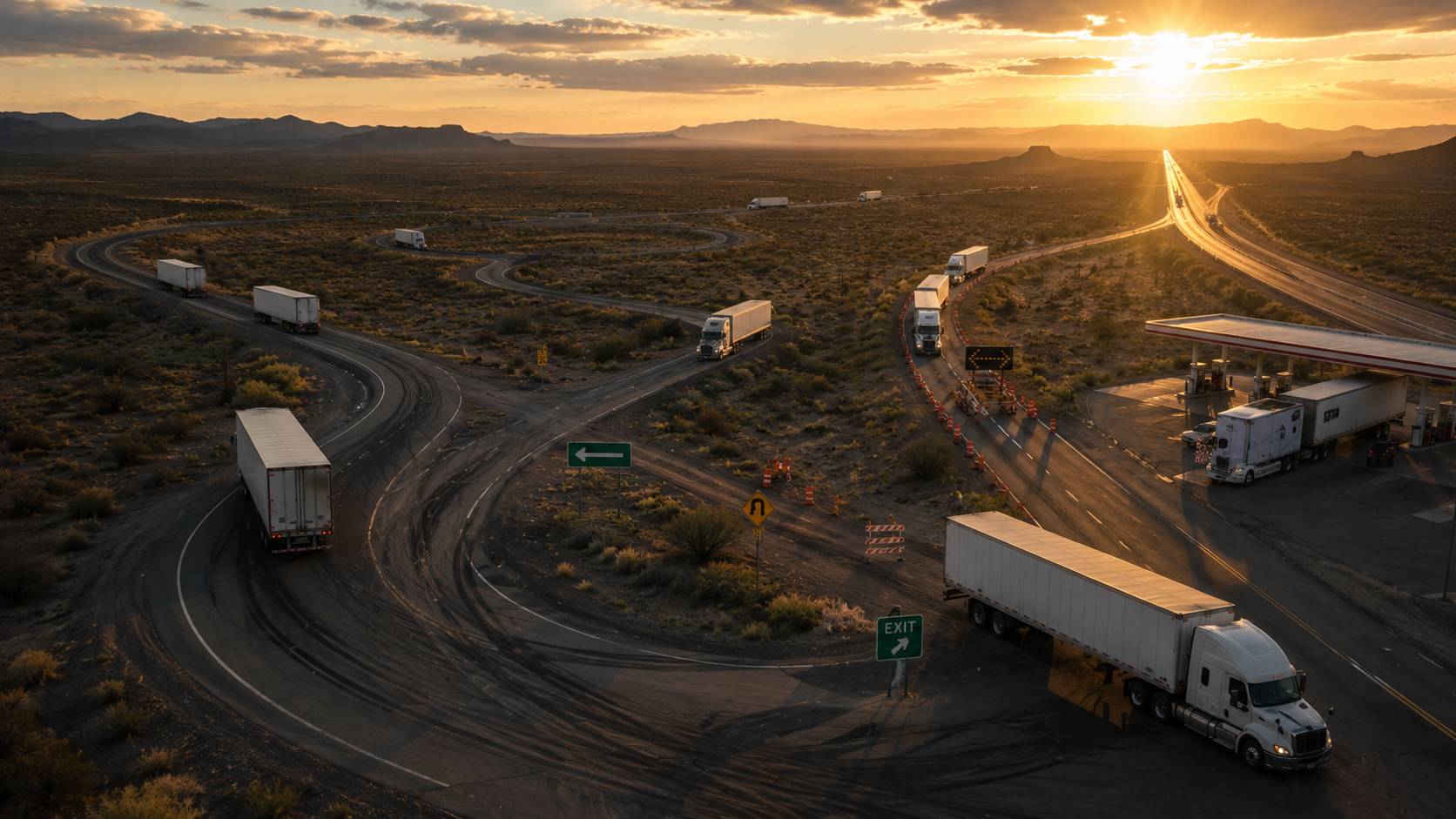
Fuel costs already put enough pressure on transportation companies. Adding manual route planning into the mix only increases waste. When routes are planned manually, fleets often deal with:
- Empty miles
- Poor route sequencing
- Traffic-heavy dispatching
- Higher fuel consumption
An advanced AI powered trucking software platform can optimize routes in real time using traffic conditions, delivery schedules, vehicle capacity, and driver availability. According to the American Transportation Research Institute, fuel accounts for nearly 25% of a fleet’s operating costs.
Even small improvements in route optimization can significantly reduce operational expenses across large fleets. This is why modern businesses are increasingly investing in smarter transportation management solution platforms to improve both efficiency and profitability.
Customers Expect Amazon-Level Visibility Everywhere

Today’s customers expect visibility that feels instant and effortless. They can track coffee deliveries, grocery orders, and ride shares in real time, so freight visibility expectations have changed too.
Yet many transportation companies still rely on delayed email updates or manual driver calls for shipment status information.
Modern customers expect:
- Real-time tracking
- Accurate ETAs
- Instant notifications
- Digital proof of delivery
A connected logistics management software platform helps transportation businesses meet those expectations by automating updates and centralizing shipment visibility. Better communication reduces customer frustration while improving trust and retention.
In a competitive logistics market, visibility is no longer a premium feature. It has become a baseline expectation for every transportation operation.
Small Manual Errors Create Big Financial Problems
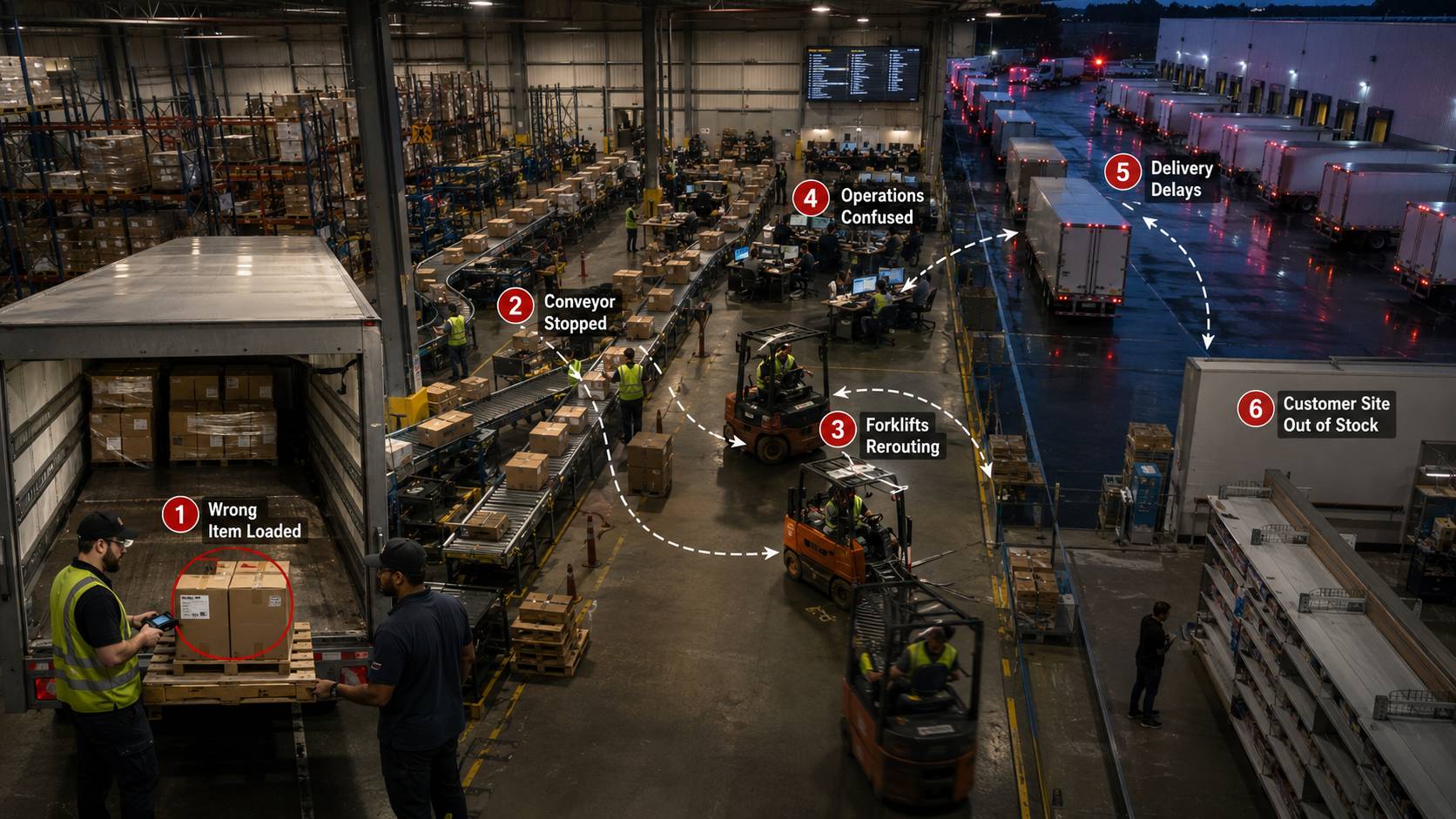
Manual workflows rarely collapse dramatically. Instead, they create small operational mistakes that quietly become expensive over time. A typo in a delivery address, a missed dispatch update, or an incorrect invoice can create delays, customer complaints, and additional operational costs.
Common issues caused by manual processes include:
- Incorrect route assignments
- Delayed delivery updates
- Documentation errors
- Missed compliance records
According to Gartner, poor data quality costs organizations an average of $12.9 million annually. Logistics businesses are especially vulnerable because transportation operations rely heavily on timing and accuracy.
A modern trucking software platform reduces these risks by automating repetitive operational tasks while improving consistency, visibility, and delivery accuracy across the supply chain.
AI Is Becoming the Smartest Dispatcher in Logistics
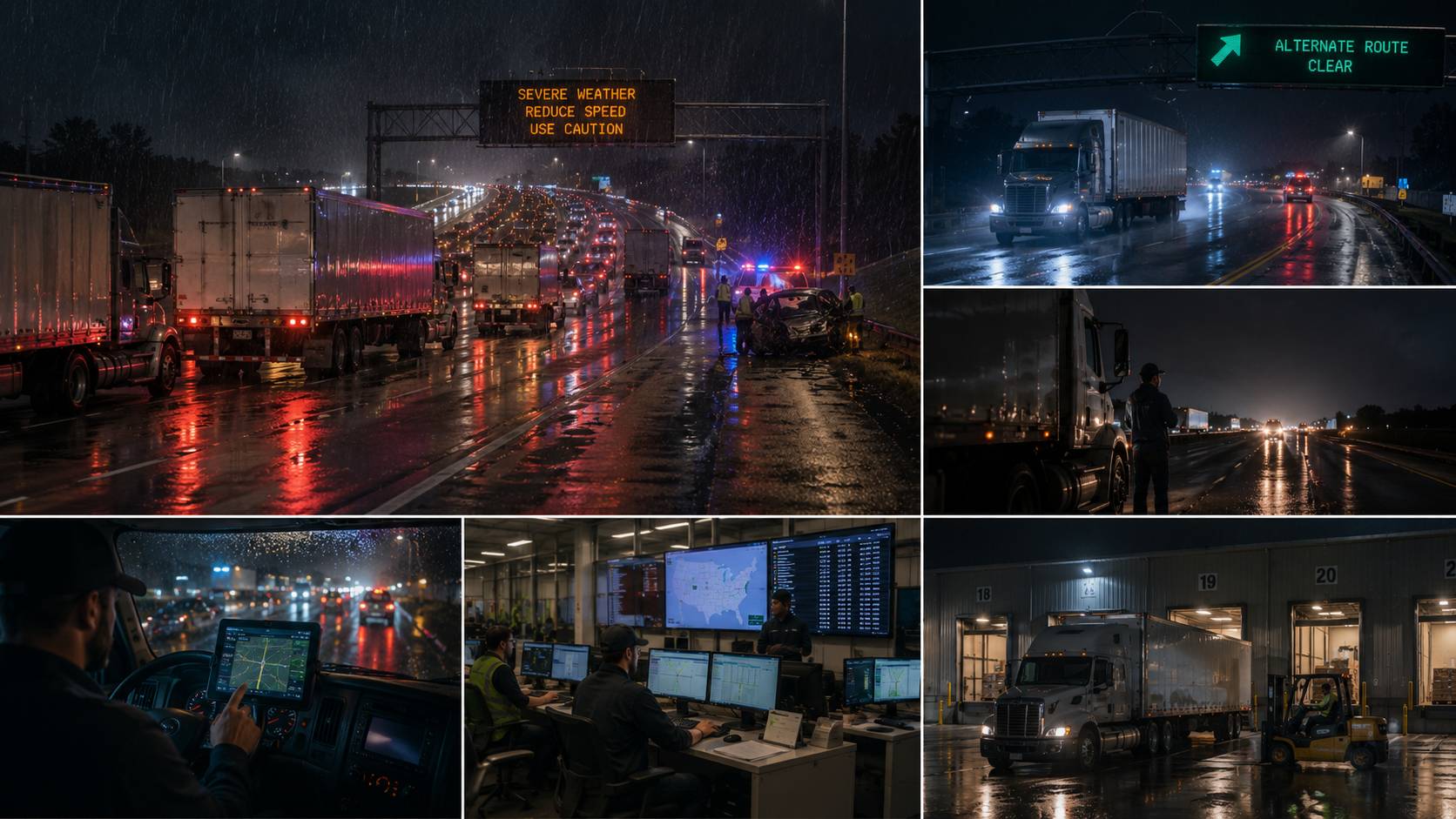
The future of transportation is not about replacing dispatch teams. It is about helping them make faster and more intelligent decisions using automation and predictive analytics. A modern trucking solution powered by AI can:
- Predict delays before they happen
- Recommend alternate routes automatically
- Improve fleet utilization
- Reduce idle time
Instead of reacting to operational problems manually, fleets can now prevent disruptions before they impact deliveries. This shift from reactive operations to predictive operations is transforming the industry quickly.
Businesses adopting AI powered trucking software are improving delivery performance, reducing costs, and scaling operations more efficiently. The fleets growing fastest today are often the ones making smarter operational decisions, not necessarily the ones with the largest number of trucks.
Manual Workflows Are Frustrating Drivers Too

Drivers already deal with traffic congestion, tight delivery windows, long hours, and compliance pressure daily. Manual workflows only add more friction to an already demanding job. Constant dispatch calls, repetitive paperwork, and disconnected systems slow drivers down and create unnecessary frustration.
Common driver frustrations include:
- Waiting for dispatch callbacks
- Manual paperwork handling
- Re-entering delivery information
- Route confusion during deliveries
A connected trucking system simplifies operations through mobile-based workflows, automated updates, digital documentation, and optimized routing. Better systems create smoother driver experiences while improving operational efficiency at the same time.
In an industry still facing driver shortages, reducing workflow friction can play a major role in improving driver satisfaction and long-term retention.
The Fastest Growing Fleets Are Automating First
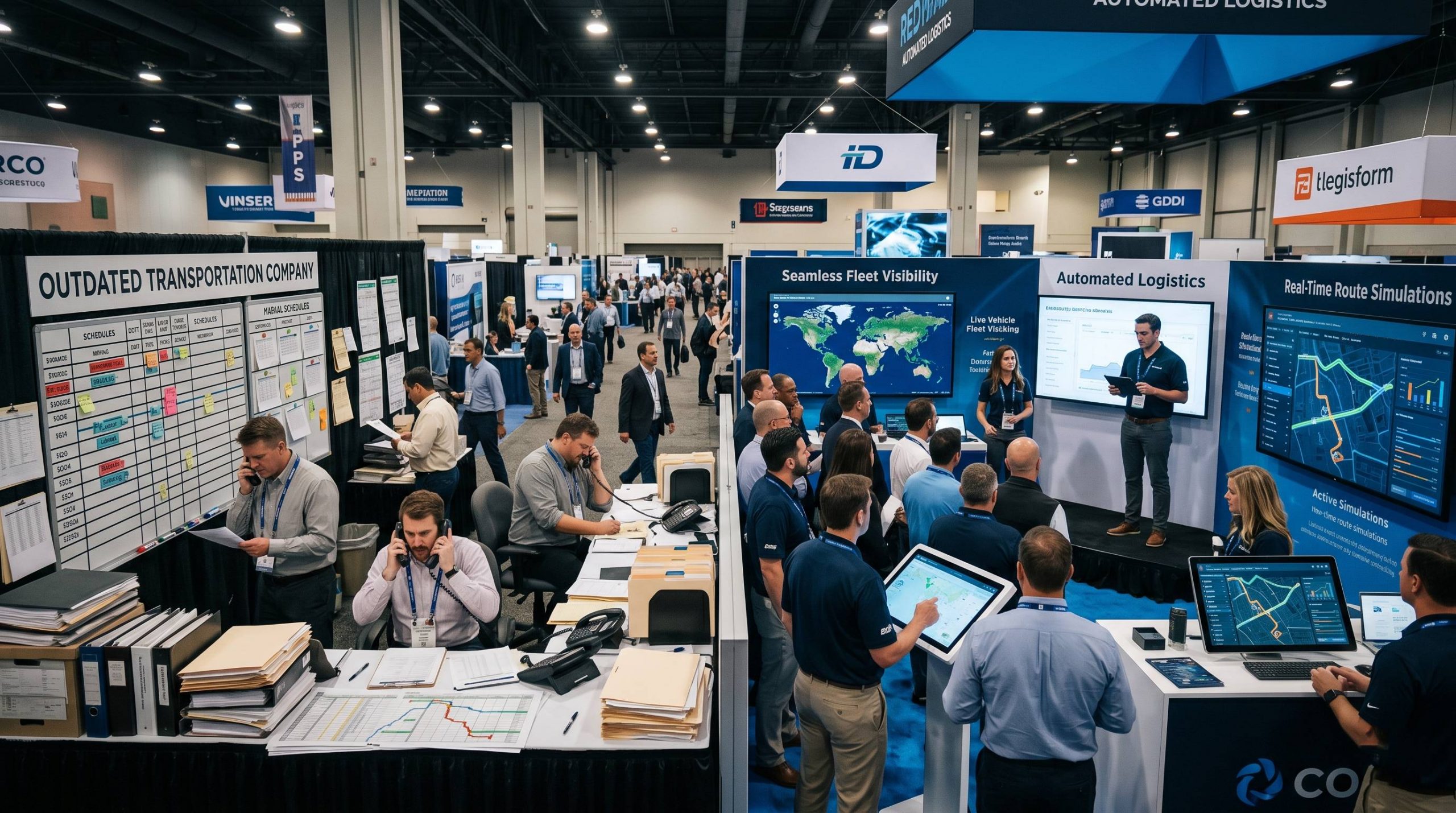
The logistics industry is divided into two very different groups. One side still depends heavily on spreadsheets, calls, and disconnected tools. The other is building connected ecosystems using advanced logistics management software and intelligent transportation management solution platforms.
The difference between the two approaches becomes more obvious as businesses scale. Companies relying on manual coordination often struggle with visibility gaps, slower decision-making, and rising operational costs.
Meanwhile, automated operations can adapt faster to customer expectations and market changes.
Modern logistics demands speed, visibility, and accuracy at scale. That is why businesses investing in smarter trucking software today are positioning themselves to operate more efficiently and compete more effectively in the years ahead.
Conclusion
Manual operations may feel familiar, but familiarity is becoming costly. Modern trucking software, intelligent trucking solutions, and AI-driven transportation platforms are helping fleet reduce costs, improve visibility and operate far more efficiently at scale.
Businesses that automate now will move faster, deliver smarter, and compete better in the years ahead. Ready to eliminate manual bottlenecks from your transportation operations?
LogiNext helps enterprises automate dispatching, optimize routes in real time, improve delivery visibility, and build scalable logistics operations using advanced AI-powered technology. Click on the red button to know more.
38

|

|

|




@LogiNext