




Why Logistics Management Needs a Stress Test in an Unpredictable World
Global supply chains are more vulnerable than ever before. Fro, geopolitical conflicts and extreme weather to labor shortages and changing customer demand, disruptions are not a rare event anymore. They have become part of everyday business operations. This reality is forcing the organizations to change their approach to logistics management.
The questions is no longer whether disruptions would occur. The real question is how prepared businesses are when they do. Many logistics leaders are now adopting stress-testing practices to evaluate the resilience of their supply chains
The Growing Complexity of Modern Logistics
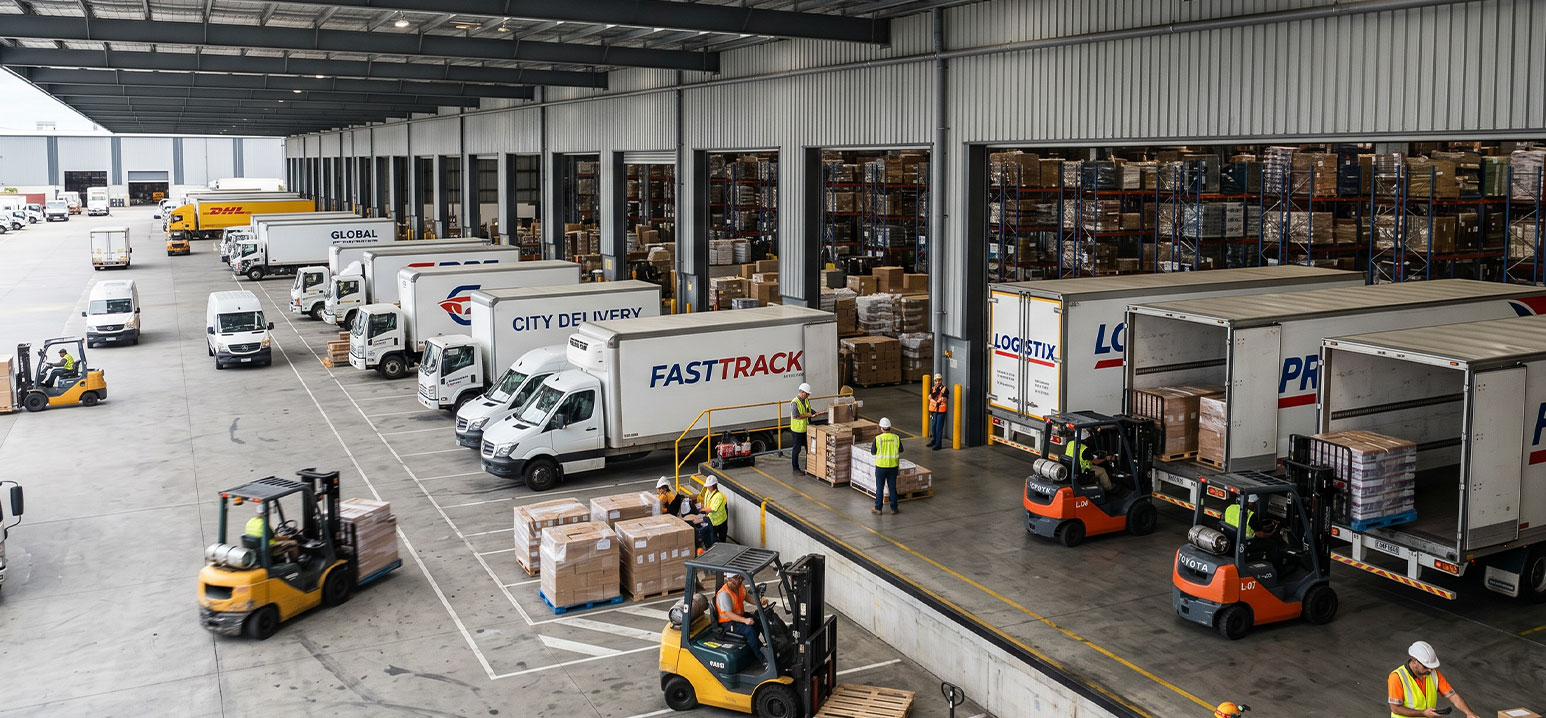
Supply chains today are more interconnected than ever. A delay at a single supplier can create ripple effects across multiple regions. A port closure can disrupt inventory availability thousands of miles away. Rising transportation costs can quickly impact profit margins.
According to research from the World Economic Forum, supply chain disruptions can reduce annual earnings by up to 45% over a decade for some organizations. Meanwhile, a McKinsey study found that companies can expect supply chain disruptions lasting a month or longer approximately every 3.7 years.
These challenges highlight the need for stronger logistics management strategies that focus not only on efficiency but also on resilience.
Organizations that continue relying on reactive approaches often struggle to recover quickly. In contrast, companies that proactively identify vulnerabilities can minimize operational and financial damage when disruptions occur.
What Is a Logistics Stress Test?
A logistics stress test is a structured process used to evaluate how a supply chain responds to various disruption scenarios. These scenarios may include:
- Supplier failures
- Transportation delays
- Port congestion
- Demand surges
- Fuel price increases
- Labor shortages
- Natural disasters
- Regulatory changes
The objective is to identify weaknesses before they become business-critical problems.
Industry experts define stress testing as a method of simulating disruptions to understand their impact on supply chain performance and recovery capabilities. Organizations can then use these insights to develop contingency plans and improve resilience.
Instead of waiting for a crisis to expose operational weaknesses, businesses gain a clearer understanding of where risks exist and how they can respond effectively.
Why Logistics Stress Management Is Becoming a Priority
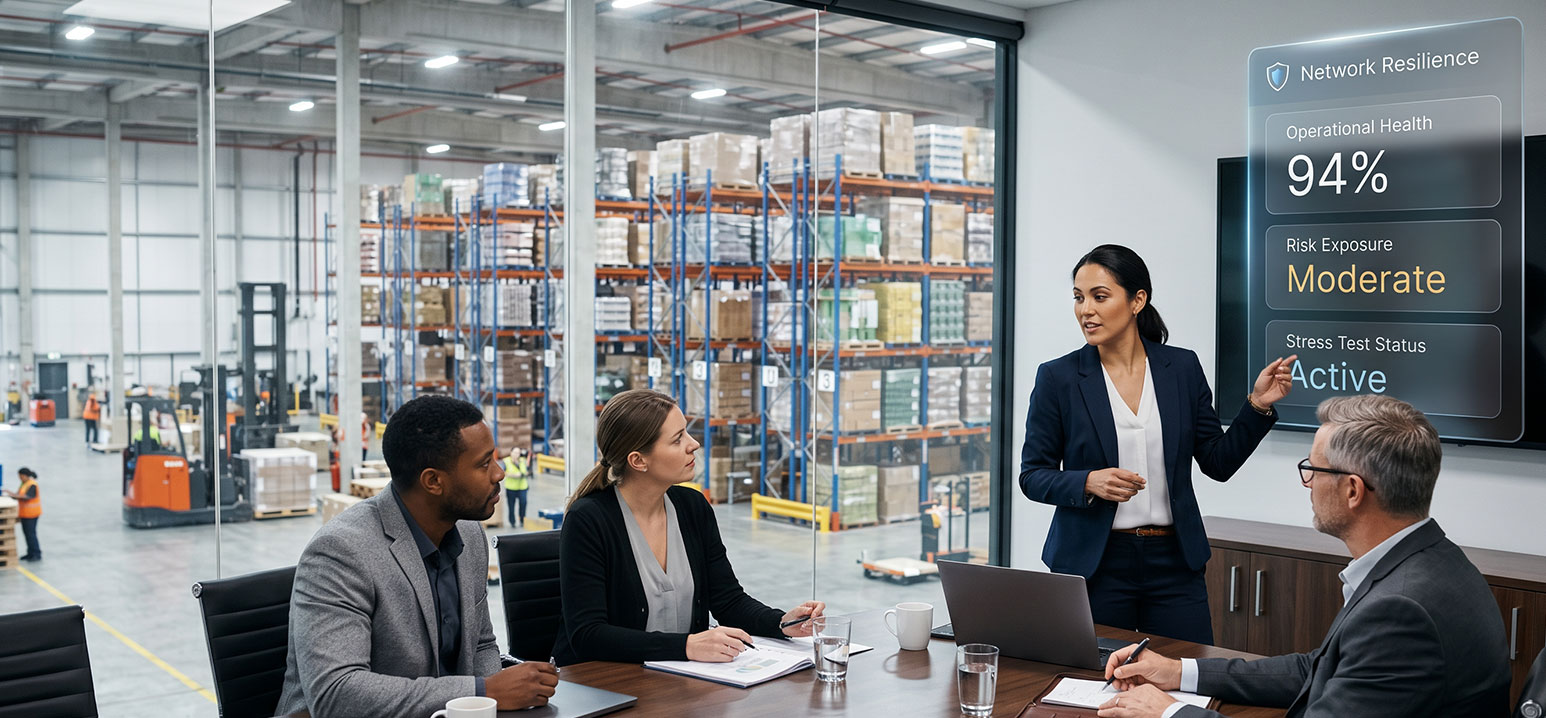
Traditional risk management often focuses on individual events. Modern supply chains require a broader approach. Logistics stress management helps organizations evaluate multiple disruptions simultaneously and understand how risks interact across the network.
For example, a transportation delay may seem manageable on its own. However, when combined with inventory shortages and increased customer demand, the consequences can become much more severe.
Companies are increasingly realizing that resilience cannot be built through isolated improvements. It requires a comprehensive view of operations, suppliers, transportation networks, inventory levels, and customer expectations.
Effective logistics stress management enables organizations to:
- Detect vulnerabilities early
- Reduce operational downtime
- Improve service continuity
- Strengthen supplier collaboration
- Protect revenue during disruptions
- Enhance customer satisfaction
Businesses that regularly conduct stress tests are often better positioned to adapt to changing market conditions.
The Role of Technology in Modern Logistics Risk Management
As supply chains grow more complex, manual monitoring methods are becoming insufficient. This is where logistics risk management technologies play a critical role.
Modern digital platforms provide real-time visibility into transportation operations, inventory movements, and supplier performance. Advanced analytics can identify emerging risks before they escalate into larger disruptions.
Organizations can now simulate different scenarios and evaluate their potential impact on costs, service levels, and delivery performance. For example, businesses can assess:
- The impact of losing a major supplier
- Potential delays caused by port congestion
- Transportation capacity shortages
- Inventory depletion scenarios
- Demand fluctuations across regions
These insights support faster and more informed decision-making. As a result, logistics risk management is evolving from a reactive function into a strategic business capability.
Why a Logistics Management System Matters
Stress testing requires accurate and timely data. Without reliable information, organizations cannot effectively identify vulnerabilities or measure performance under different scenarios.
A modern logistics management system provides the visibility required to evaluate supply chain health continuously.
These platforms centralize data from multiple sources, including transportation operations, warehouse activities, fleet management, and customer deliveries.
Key benefits include:
- End-to-end visibility
- Real-time tracking
- Automated reporting
- Predictive analytics
- Exception management
- Faster response times
Organizations that leverage a robust logistics management system can detect disruptions earlier and respond more effectively. Instead of relying on fragmented spreadsheets and disconnected systems, teams gain a unified view of operations and risk exposure.
Building Resilience with Logistics Management Software
Technology is becoming the foundation of resilient supply chains.
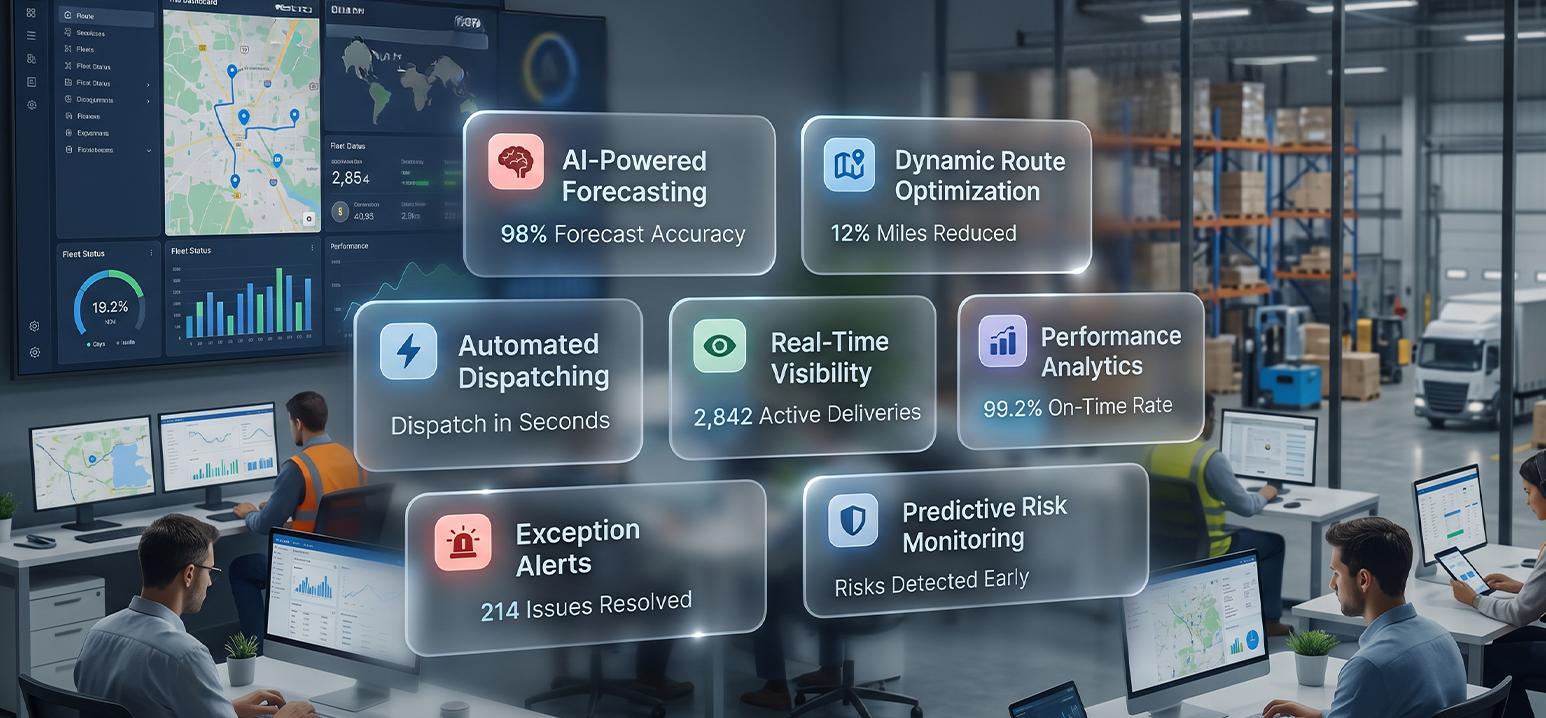
Modern logistics management software enables organizations to move beyond simple tracking and reporting. It helps businesses predict disruptions, optimize routes, automate workflows, and improve operational agility.
Key capabilities often include:
- AI-powered forecasting
- Dynamic route optimization
- Automated dispatching
- Real-time visibility
- Performance analytics
- Exception alerts
- Predictive risk monitoring
By leveraging logistics management software, organizations can model disruption scenarios and develop proactive response strategies. This improves both operational efficiency and long-term resilience.
As uncertainty continues to grow, technology investments are increasingly viewed as a necessity rather than an option.
The Future of Logistics Management Solutions
The future of supply chain resilience will depend heavily on data-driven decision-making.
Organizations are moving toward intelligent logistics management solutions that combine automation, analytics, and real-time visibility within a single platform.
These solutions help businesses:
- Monitor supply chain health continuously
- Identify emerging risks
- Optimize resource allocation
- Improve delivery performance
- Enhance customer experience
- Strengthen operational resilience
A comprehensive logistics management solution allows organizations to respond to disruptions faster while maintaining service quality and controlling costs.
As market conditions continue to evolve, companies that embrace digital transformation will be better equipped to navigate uncertainty.
Conclusion
Supply chain disruptions are no longer occasional challenges, they are a constant reality. Organizations that invest in logistics stress management and proactive risk planning are better equipped to maintain operational continuity and adapt to changing market conditions.
With greater visibility, automation, and data-driven decision-making, LogiNext helps businesses build more resilient logistics operations and stay prepared for whatever comes next. Click on the red button to book a demo today.
“”
 |  |  |




@LogiNext