



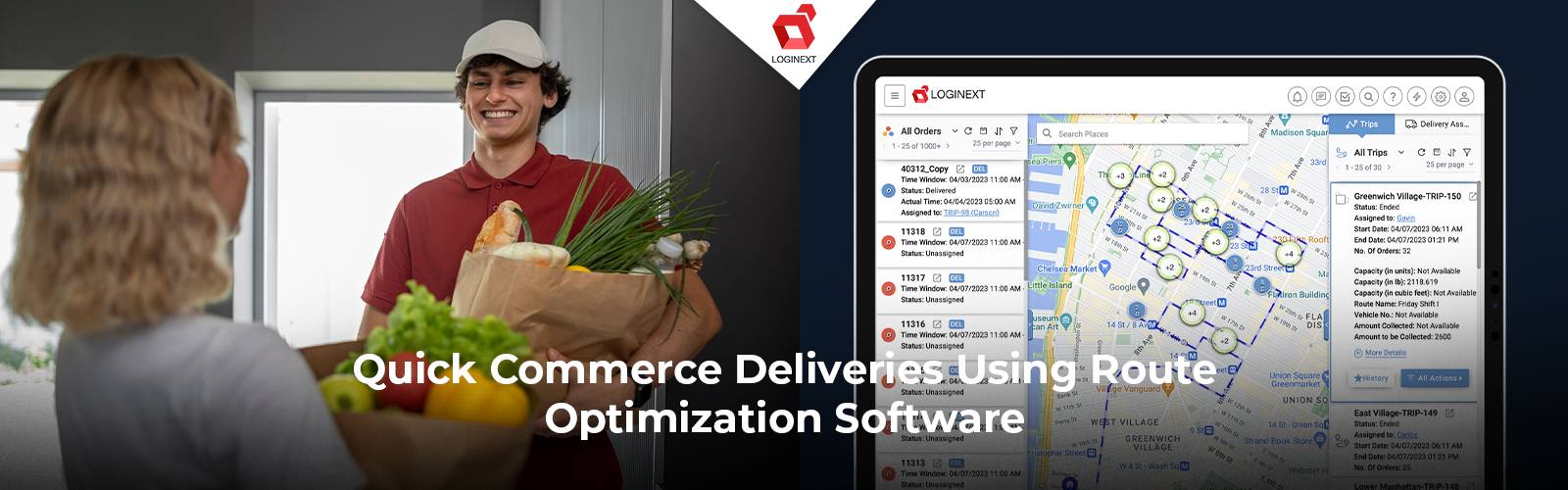
How Route Optimization Software Improves Delivery Operations
– Route optimization software can increase delivery efficiency by up to 30%.
– Companies using route optimization see a 25% reduction in delivery costs.
– Optimized routes can lead to a 40% decrease in delivery-related carbon emissions.
– Businesses report a 20% rise in customer satisfaction with faster deliveries.
The Ultimate Guide: How Route Optimization Will Improve Your Logistics Operations
Definition of Route Optimization Software
Route optimization software is a tool that helps plan the best delivery routes. It uses data to find the fastest and most efficient paths. This software considers traffic, road conditions, and delivery locations. By doing this, it saves time and fuel.
Importance of Route Optimization in Digital/Quick Commerce Deliveries
Route optimization is crucial for digital and quick commerce. Quick commerce means delivering goods fast, often within hours. This software makes it possible. It helps companies deliver more packages in less time. For example, a study found that route optimization can reduce delivery times by up to 20%. It also lowers fuel costs, saving companies thousands of dollars each year. Customers get their orders faster, which makes them happy and loyal.
Check Out: Top 7 Delivery Routing And Delivery Route Optimization Software
Overview of the Product Life Cycle in the Context of Quick Commerce
The product life cycle in quick commerce includes several stages. It starts with sourcing the product. Then, it moves to store it in a warehouse. Next, the product is picked and packed for delivery. Finally, it is delivered to the customer.
Route optimization plays a key role in this cycle. Speeding up deliveries helps keep products fresh, especially perishable goods like groceries. Faster deliveries also mean products spend less time in transit, reducing the chance of damage. This keeps customers satisfied and reduces returns.
Must Read: How Route Optimization Software Revolutionizes Multiple Deliveries With Limited Drivers
Understanding Key Features of Route Optimization Software
Route optimization software comes with several powerful features designed to streamline and enhance the delivery process. These features help companies navigate the complexities of traffic, manage multiple vehicles, and meet specific customer needs efficiently. Here’s a closer look at some of the key functionalities that make route optimization software indispensable for modern logistics.
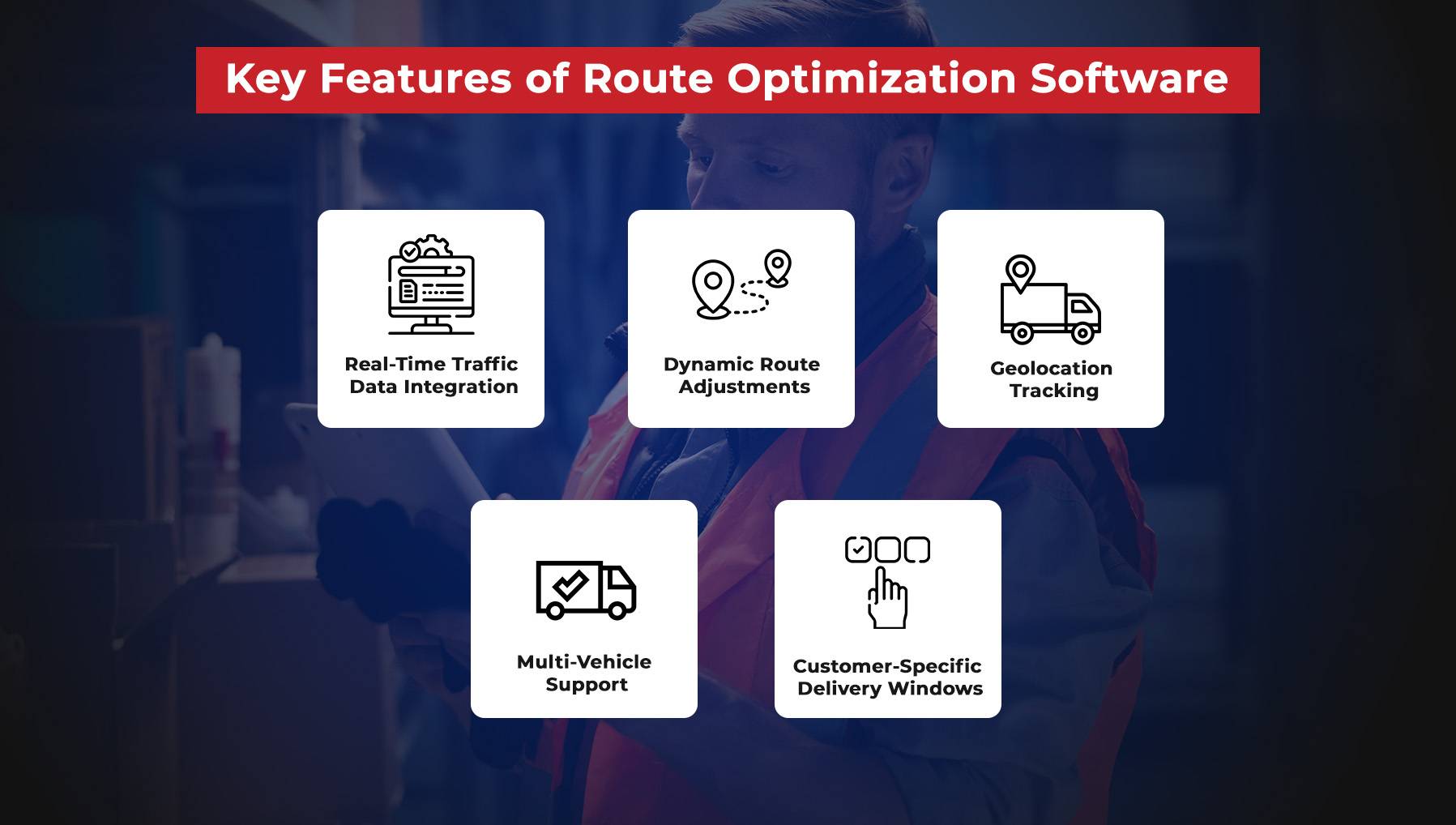
1. Real-Time Traffic Data Integration
Real-time traffic data integration means the software uses live traffic information. It checks for traffic jams, accidents, and road closures. This helps drivers avoid delays. For example, one study showed that using real-time traffic data can reduce delivery times by up to 15%.
2. Dynamic Route Adjustments
Dynamic route adjustments allow the software to change routes on the fly. If there is an unexpected delay, the software finds a new, faster route. This keeps deliveries on schedule. It helps drivers avoid problems and reach their destinations quicker.
3. Geolocation Tracking
Geolocation tracking lets companies see where their vehicles are at any time. It uses GPS to monitor their exact location. This helps managers know if drivers are on the right path. It also helps in case of emergencies, like a breakdown. Geolocation can improve delivery accuracy by up to 25%.
4. Multi-Vehicle Support
Multi-vehicle support means the software can handle many delivery vehicles at once. It plans routes for each vehicle, making sure they all work together efficiently. This helps companies with large fleets. It ensures all deliveries are done in the shortest time possible. This can increase delivery capacity by up to 30%.
5. Customer-Specific Delivery Windows
Customer-specific delivery windows allow customers to choose their preferred delivery times. The software schedules routes to meet these time slots. This makes customers happy because they get their packages when they want them. It also reduces missed deliveries, saving time and resources.
Benefits of Using Route Optimization Software for Digital/ Quick Commerce Deliveries
Route optimization software is a powerful tool that helps digital and quick commerce companies achieve timely and efficient deliveries. By finding the best routes, this software ensures faster deliveries, lower costs, and happier customers. Here are some key benefits of using route optimization software for your delivery operations.
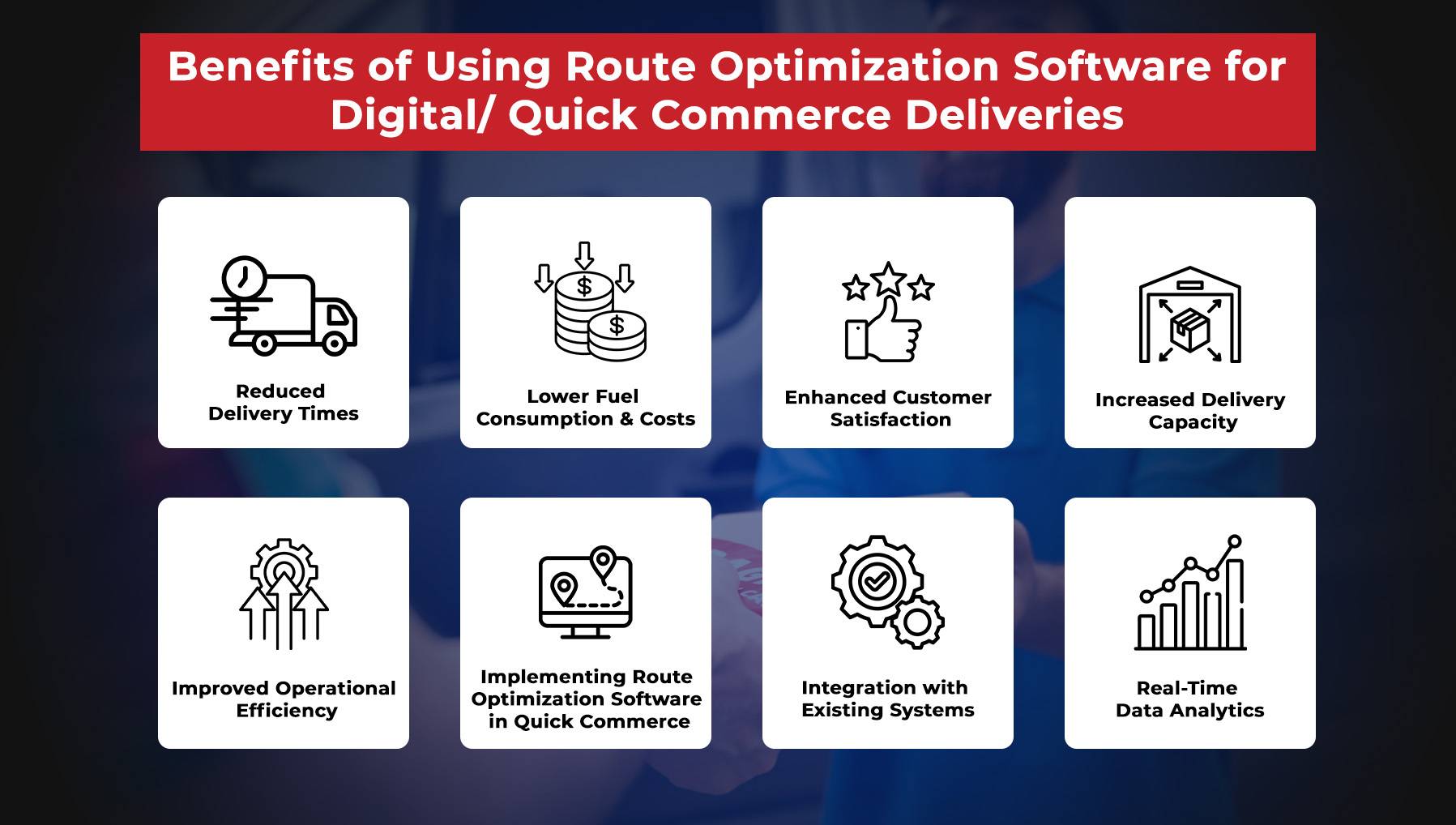
Reduced Delivery Times
Route optimization software helps drivers find the quickest paths. It avoids traffic and roadblocks. This means packages arrive faster. Studies show that optimized routes can cut delivery times by up to 20%. This is important for quick commerce, where speed matters.
Lower Fuel Consumption and Costs
By finding the shortest routes, the software reduces the distance traveled. Less driving means less fuel is used. This lowers fuel costs. For example, some companies have saved up to 15% on fuel expenses by using route optimization. This also helps the environment by reducing emissions.
Enhanced Customer Satisfaction
When deliveries are fast and on time, customers are happy. They trust the service and are more likely to order again. Route optimization also helps with accurate delivery windows, so customers know when to expect their packages. Happy customers are loyal customers. They leave good reviews and recommend the service to others.
Increased Delivery Capacity
With better routes, drivers can deliver more packages in the same amount of time. This increases the number of deliveries a company can handle. Some businesses have seen a 25% boost in delivery capacity. More deliveries mean more revenue without needing more drivers or vehicles.
Improved Operational Efficiency
Route optimization makes operations smoother. It helps managers plan better and reduces mistakes. For example, it minimizes the chances of missed deliveries. Efficient routes also mean less wear and tear on vehicles, saving on maintenance costs. Overall, it helps the business run more smoothly and effectively.
Quick Read: 10 Tips For Timely On-Demand Deliveries With Route Optimization Software
Implementing Route Optimization Software in Quick Commerce
Integrating route optimization software into quick commerce operations can significantly enhance efficiency and accuracy. This software must seamlessly connect with existing systems to be effective, ensuring all data is current and correct. Here’s how to successfully implement route optimization software in your quick commerce operations.
Integration with Existing Systems
To use route optimization software effectively, it must work with other systems. This includes customer management systems, order systems, and inventory systems. Integration ensures that all data is up-to-date and accurate. For example, when an order is placed, the software quickly plans the best route. This seamless connection saves time and reduces errors.
Real-Time Data Analytics
Real-time data is crucial for route optimization. The software uses live information about traffic, weather, and road conditions. This helps adjust routes instantly to avoid delays. For example, if there is an accident, the software finds a new route. Real-time data can improve delivery accuracy by up to 20%. This means packages arrive on time, even when conditions change.
Customizing Routes for Different Delivery Scenarios
1. Urban vs. Rural Deliveries
Urban deliveries are different from rural ones. Cities have more traffic and shorter distances between stops. Rural areas have longer distances and fewer roads. The software customizes routes based on these factors. For example, it might prioritize highways for rural deliveries and avoid busy city streets for urban ones. This ensures efficient deliveries in all areas.
2. High-Priority vs. Standard Deliveries
Not all deliveries are the same. Some are high-priority and need to arrive quickly. Others are standard and can take a bit longer. The software can distinguish between these types. It plans the fastest routes for high-priority deliveries. This ensures that urgent packages arrive on time. For example, medical supplies might be prioritized over regular goods.
3. Time-Sensitive Deliveries (e.g., Perishable Goods)
Perishable goods, like groceries, need to be delivered quickly. The software takes this into account. It plans routes that get these items to customers as fast as possible. This reduces the chance of spoilage. For example, fresh food deliveries can be scheduled during the coolest parts of the day to keep them fresh. This helps maintain product quality and customer satisfaction.
Recommended: 10 Ways Route Optimization Software Reduces TAT For Your Transportation Operations
Enhancing Product Life Cycle with Route Optimization
Route optimization software is not only beneficial for efficient deliveries but also plays a crucial role in enhancing the product life cycle. By ensuring faster and more accurate deliveries, this software helps extend the shelf life of perishable goods, improves product availability, and reduces product returns. Here’s how route optimization can enhance different aspects of the product life cycle.
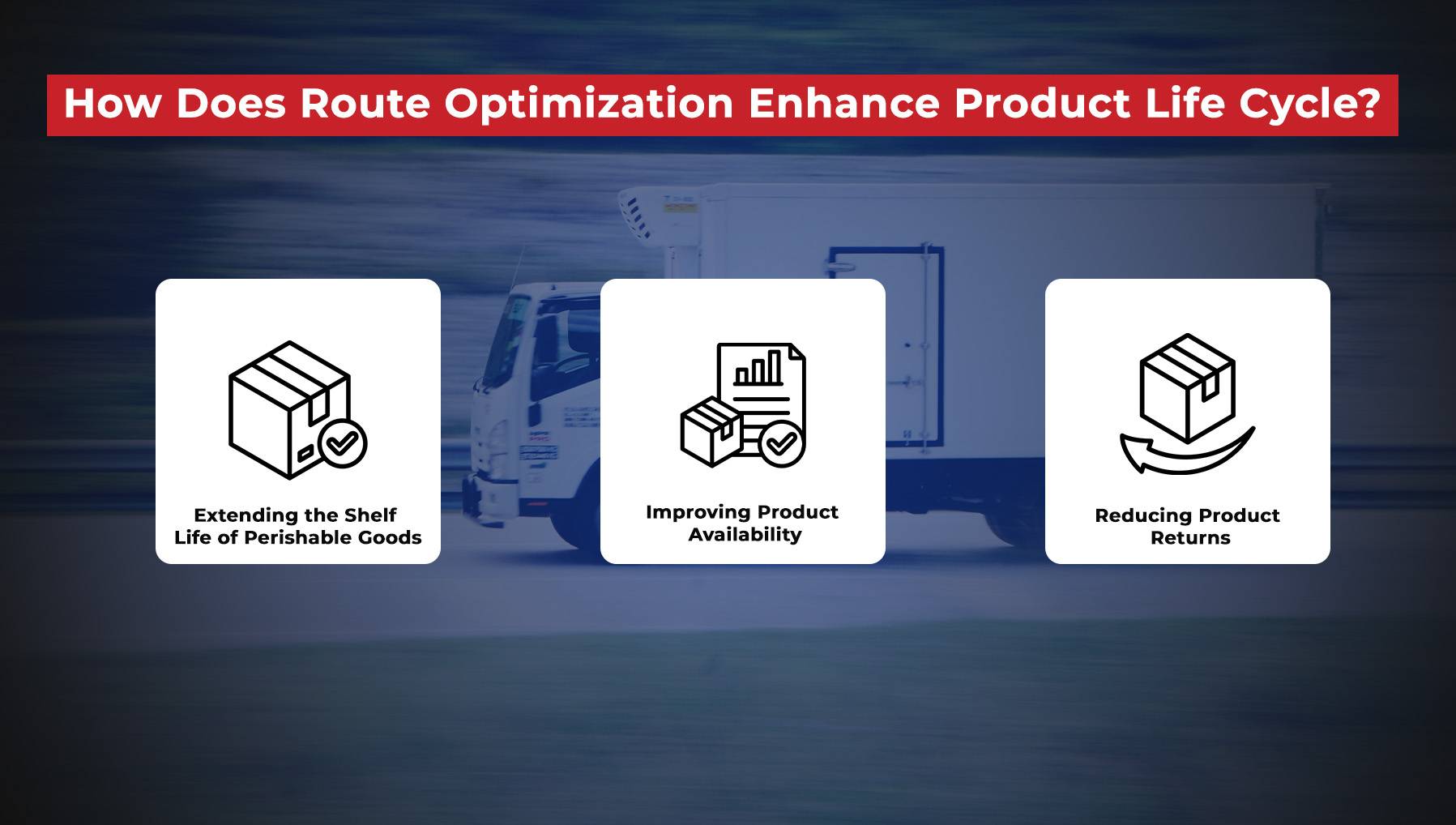
Extending the Shelf Life of Perishable Goods
1. Faster Deliveries Reducing Spoilage
Route optimization software helps deliver perishable goods quickly. This reduces the time food spends in transit, keeping it fresher. For example, fresh produce delivered in hours instead of days stays crisp and tasty. Faster deliveries mean less spoilage, which can reduce waste by up to 30%.
2. Optimal Storage and Handling During Transit
The software also ensures that perishable goods are handled correctly during transit. It can plan routes that include optimal storage facilities and maintain proper temperatures. For instance, refrigerated trucks can be routed efficiently to keep food cold. This careful handling helps extend the shelf life of perishables.
Improving Product Availability
1. Efficient Stock Replenishment
Efficient routes help restock stores and warehouses faster. The software plans the best paths for delivery trucks, ensuring that products arrive on time. This means stores are rarely out of stock. For example, a study showed that optimized routes could improve restocking times by 20%. This keeps shelves full and customers happy.
2. Minimized Stockouts and Overstock Situations
Route optimization helps balance inventory levels. It ensures that products are delivered when needed, preventing stockouts and overstock situations. Stockouts happen when items are unavailable, and overstock occurs when there is too much. Both can be costly. Optimized deliveries keep inventory just right, reducing these problems by up to 25%.
Reducing Product Returns
1. Accurate and Timely Deliveries
Accurate and timely deliveries mean customers get what they ordered when they expect it. This reduces the number of returns. If a package arrives late or damaged, customers might send it back. Route optimization ensures that deliveries are made correctly and on time. For example, timely deliveries can reduce return rates by up to 15%.
2. Enhanced Customer Satisfaction Leading to Fewer Returns
Happy customers are less likely to return products. When deliveries are fast and accurate, customer satisfaction improves. Satisfied customers are more likely to keep their purchases and less likely to request returns. Good service builds trust and loyalty, reducing the hassle and cost of returns.
Challenges and Considerations When Purchasing Route Optimization Software
Implementing route optimization software can significantly enhance delivery efficiency, but it comes with its own set of challenges and considerations. Companies need to be aware of these potential obstacles to make a smooth transition and maximize the benefits of the software. Here are some key challenges and considerations to keep in mind.
Initial Setup and Integration Costs
Implementing route optimization software can be expensive at first. Companies need to buy the software and integrate it with existing systems. This process can be time-consuming and may require hiring experts. For example, initial setup costs can range from a few thousand to tens of thousands of dollars, depending on the size of the business.
Data Accuracy and Real-Time Updates
The software relies on accurate and up-to-date data to work well. If the data is wrong or outdated, the routes won’t be efficient. For example, if the traffic data is old, the software might send drivers into traffic jams. Companies need to ensure they have reliable sources for traffic, weather, and road conditions. Regular updates are crucial for maintaining data accuracy.
Managing Exceptions and Disruptions
Unexpected events can disrupt even the best-planned routes. Road closures, accidents, and vehicle breakdowns are common problems. The software needs to handle these situations effectively. For instance, it should quickly reroute drivers to avoid delays. However, managing these exceptions can be challenging. Companies need a plan for when things go wrong to keep deliveries on track.
Training and Adaptation for Delivery Personnel
Delivery personnel need to understand how to use the new software. This requires training, which takes time and resources. Drivers must learn to follow the optimized routes and use the technology correctly. Some may resist the change, preferring old methods. For example, a survey found that 20% of drivers initially struggled with new route planning software. Companies need to support their staff during this transition to ensure smooth adaptation.
Future Trends in Route Optimization for Quick Commerce
The field of route optimization is continuously evolving, driven by technological advancements that promise to further enhance the efficiency and effectiveness of quick commerce deliveries. Emerging trends are set to revolutionize how goods are transported, making the process faster, smarter, and more reliable. Here are some of the key future trends to watch out for.
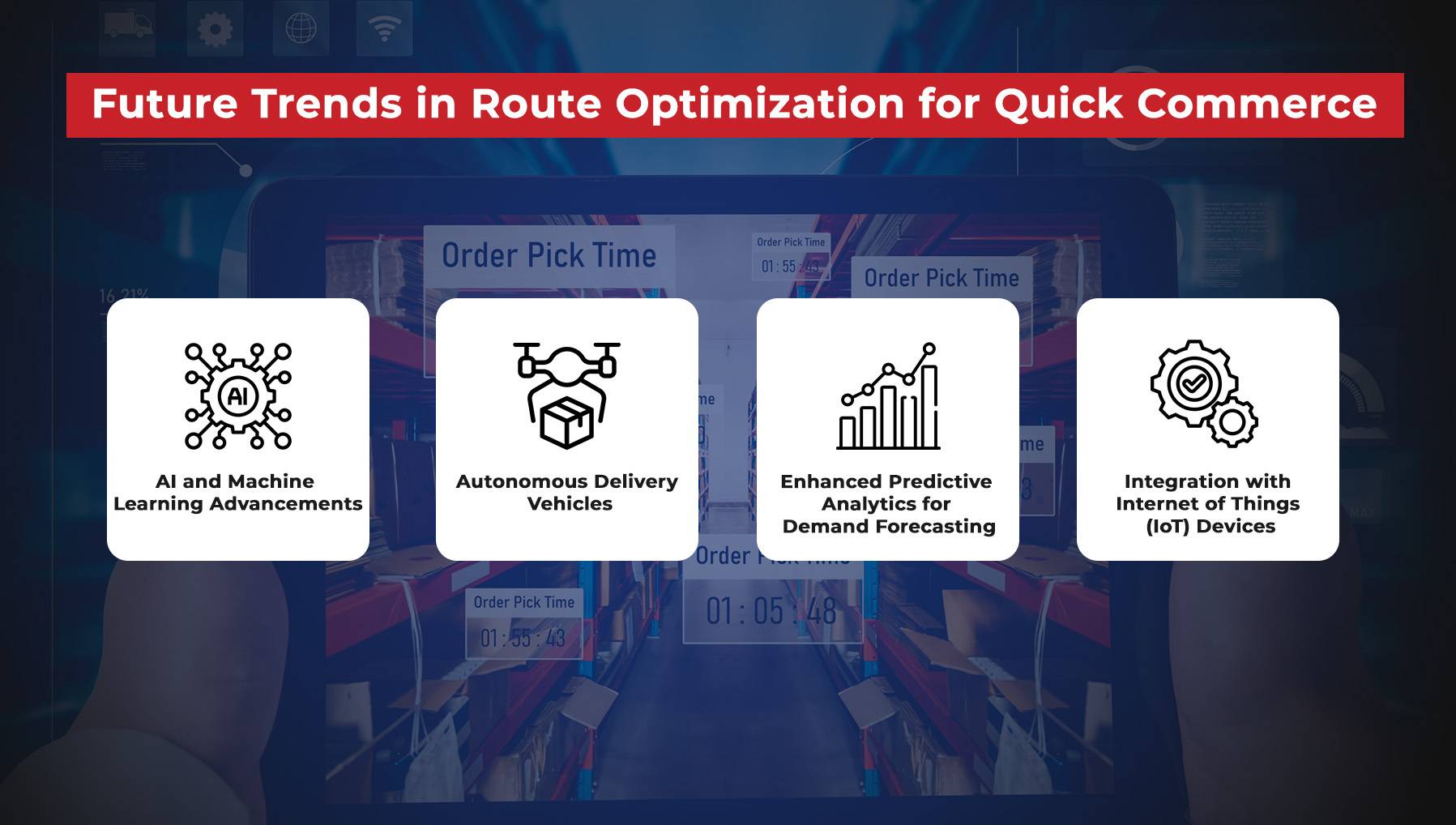
AI and Machine Learning Advancements
AI and machine learning are making route optimization smarter. These technologies learn from past deliveries to predict the best routes. They can adapt to changing conditions quickly. For example, AI can analyze traffic patterns to avoid future jams. This helps deliveries become even faster and more efficient. Studies show that AI can improve delivery efficiency by up to 25%.
Autonomous Delivery Vehicles
Autonomous delivery vehicles are the future of quick commerce. These self-driving cars and drones can deliver goods without human drivers. They follow optimized routes to make deliveries faster and cheaper. For instance, drones can bypass traffic by flying directly to their destination. Companies like Amazon are already testing drone deliveries. This technology could reduce delivery times significantly.
Enhanced Predictive Analytics for Demand Forecasting
Predictive analytics uses data to forecast future demand. This helps companies plan their deliveries better. By knowing what customers will order and when, companies can optimize their routes ahead of time. For example, if the software predicts a high demand for groceries on weekends, it can plan more efficient routes for those days. This reduces delivery times and prevents stockouts. Enhanced predictive analytics can improve demand forecasting accuracy by up to 30%.
Integration with Internet of Things (IoT) Devices
IoT devices connect everyday objects to the internet. In route optimization, IoT devices can provide real-time data from delivery vehicles. For example, sensors can monitor a truck’s location, speed, and temperature. This data helps the software plan better routes and ensure safe delivery of perishable goods. Integration with IoT can improve delivery accuracy and reduce delays.
Get Insights: Enhancing Efficiency And Profitability Using AI and ML in Route Optimization
The Critical Role of Route Optimization in the Success of Quick Commerce
Route optimization is essential for quick commerce. It helps companies deliver products faster and more efficiently. This keeps customers happy and loyal. For example, optimized routes can reduce delivery times by up to 20%. They also lower fuel costs and improve delivery accuracy. Without route optimization, quick commerce would struggle to meet customer demands and stay competitive.
Companies need to adopt route optimization software. It saves time and money and boosts customer satisfaction. But the work doesn’t stop there. Companies should continuously improve their practices. Technology is always advancing, and staying updated is crucial. By using the latest tools and strategies, companies can stay ahead of the competition and keep their customers happy.
“” 195
 |  |  |




@LogiNext