



Finding Your Perfect Fit: How to Select a TMS That Integrates Seamlessly with Your Systems
Selecting the right Transportation Management System (TMS) is crucial for businesses aiming to streamline their logistics and transportation operations. With the growing complexity of supply chains, the need for an efficient and robust TMS that integrates seamlessly with existing systems is more vital than ever. This guide will help you identify the key considerations when choosing the best transportation management software for your needs.
Understanding the Importance of a Transportation Management System
A Transportation Management System (TMS) is a digital tool designed to manage and optimize the daily operations of transportation fleets. It helps businesses plan, execute, and optimize the physical movement of goods, ensuring timely deliveries, cost efficiency, and customer satisfaction.
According to a report by MarketsandMarkets, the global TMS market is expected to grow from $10.4 billion in 2023 to $15.7 billion by 2028, at a compound annual growth rate (CAGR) of 8.6%. This growth is driven by the increasing demand for automation and digitalization in logistics operations.
Key Features to Look for in the Best Transportation Management System (TMS)
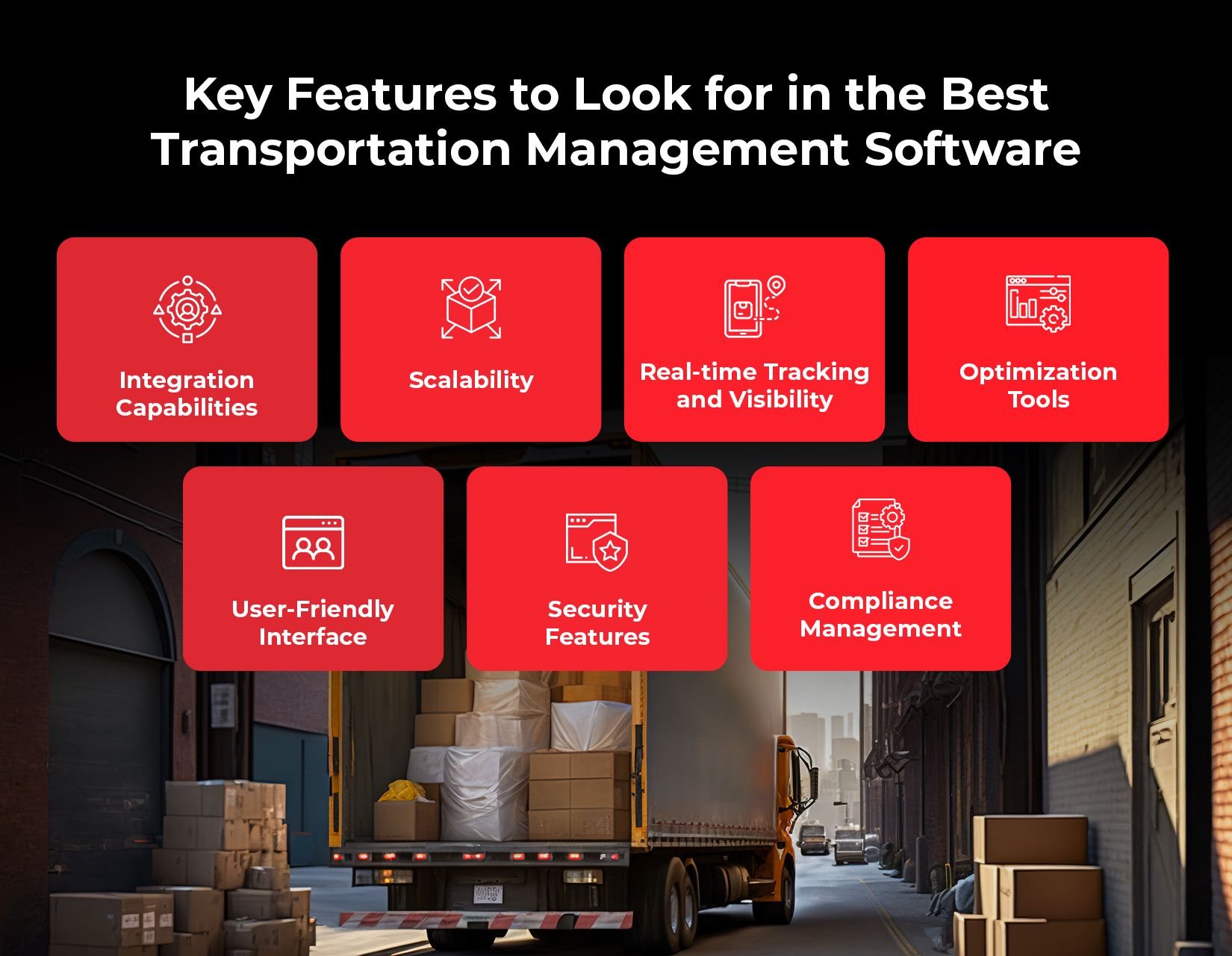
When selecting a TMS, consider the following key features to ensure it aligns with your operational needs:
1. Integration Capabilities:
The best transportation management system should integrate seamlessly with your existing systems, such as Enterprise Resource Planning (ERP), Warehouse Management Systems (WMS), and Customer Relationship Management (CRM) systems. This warrants data stability and refines overall operational efficiency.
2. Scalability:
Choose a TMS that can grow along with your business. As your operations expand, the TMS should handle increased volume and complexity without compromising performance.
3. Real-time Tracking and Visibility:
Real-time tracking allows you to monitor the location and status of shipments. This feature is crucial for maintaining transparency and enhancing customer satisfaction.
4. Optimization Tools:
The software should offer robust optimization tools for route planning, load optimization, and carrier selection. These tools help reduce transportation costs and improve delivery times.
5. User-Friendly Interface:
A user-friendly interface ensures that your team can quickly adapt to the new system, minimizing training time and reducing the risk of errors.
6. Security Features:
Data security is paramount, especially when dealing with sensitive customer information and financial transactions. The TMS should have strong security protocols to protect your data.
7. Compliance Management:
The TMS should help you comply with local, national, and international regulations, including documentation and reporting requirements.
Why Integration is Crucial in a Transportation Management System (TMS)
Integration is the backbone of any successful TMS implementation. A well-integrated TMS enhances data flow, reduces manual data entry, and minimizes errors. It enables real-time data sharing across departments, leading to better decision-making and improved operational efficiency. A report by Grand View Research indicates that businesses that use integrated TMS solutions can achieve up to a 30% reduction in operational costs
Moreover, integration with other systems, such as WMS and ERP, ensures that all logistical data is centralized. This centralization simplifies reporting, enhances visibility, and improves supply chain transparency. For example, if your TMS integrates with your ERP, you can easily monitor inventory levels, manage orders, and coordinate deliveries more effectively.
How to Evaluate the Best Transport Management Software for Your Business
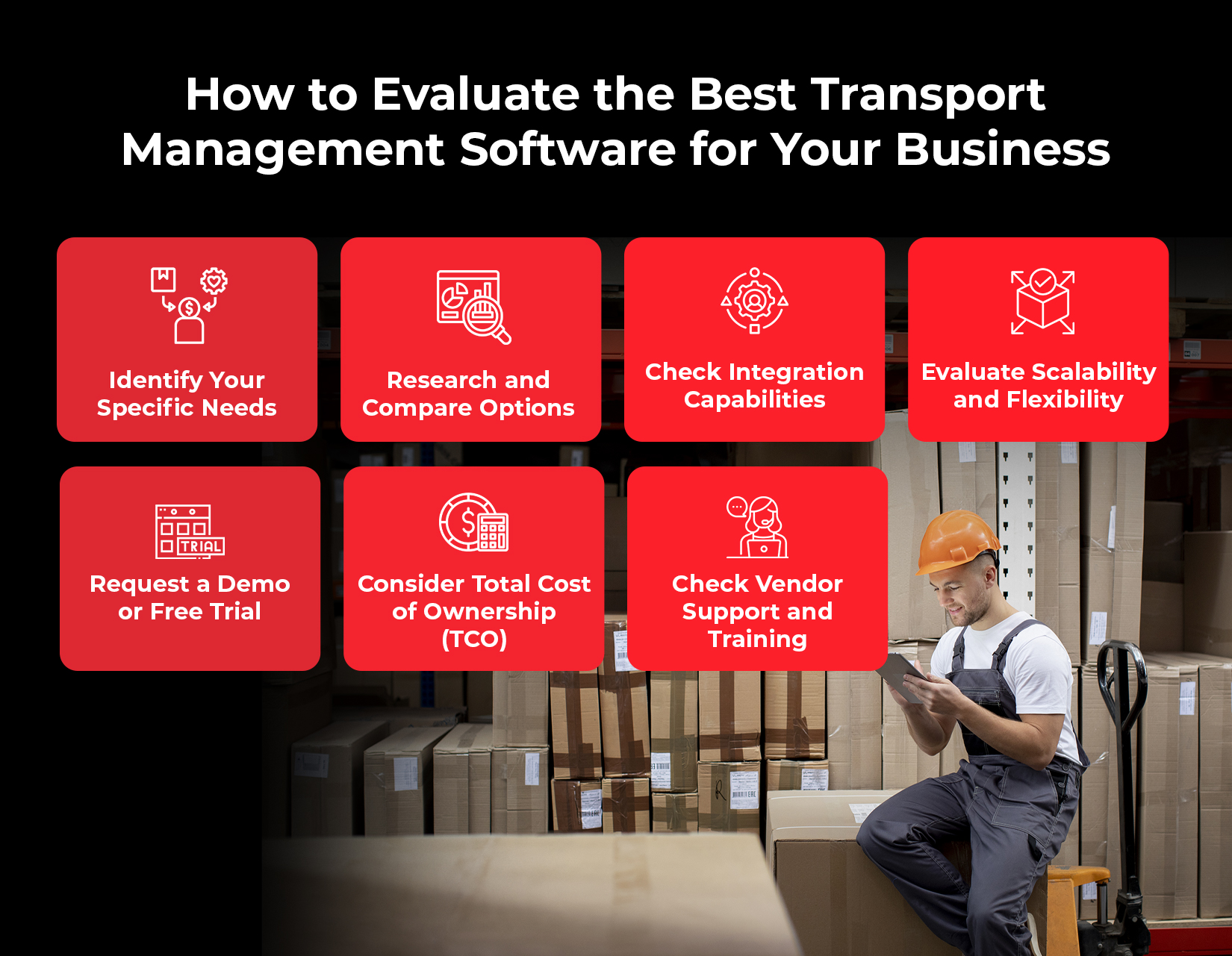
To find the best transport management software for your business, follow these steps:
1. Identify Your Specific Needs:
Assess your current transportation processes and identify areas where you need improvement. Are you looking to reduce costs, improve delivery times, or enhance visibility? Understanding your specific needs will help you choose a TMS that aligns with your goals.
2. Research and Compare Options:
Conduct thorough research on the available TMS solutions in the market. Look for software that has a proven track record in your industry. Compare features, pricing, customer reviews, and vendor reputation.
3. Check Integration Capabilities:
Ensure that the TMS can integrate with your existing systems without requiring extensive customization. Ask potential vendors for integration examples and references to validate their capabilities.
4. Evaluate Scalability and Flexibility:
Choose a TMS that is scalable and flexible enough to accommodate your future growth and changing business needs. This will save you from the hassle and cost of switching systems as your business evolves.
5. Request a Demo or Free Trial:
Most TMS providers offer demos or free trials. Use this opportunity to test the software’s functionality, ease of use, and compatibility with your
6. Consider Total Cost of Ownership (TCO):
While the initial cost is important, consider the total cost of ownership, including implementation, training, support, and maintenance costs. A cheaper solution may cost more in the long run if it requires frequent updates or lacks essential features.
7. Check Vendor Support and Training:
Choose a vendor that offers comprehensive support and training. Effective onboarding and continuous support are critical for maximizing the benefits of the TMS.
FAQs
1. Why should you invest in a transportation management System?
A TMS optimizes your supply chain, reduces shipping costs, improves delivery times, and enhances customer satisfaction. It provides real-time tracking and analytics for better decision-making and operational efficiency.
2. How to choose the Right TMS for Your Business?
Identify your business needs, evaluate key features, consider scalability, check user reviews, and compare costs. Choose a TMS that integrates seamlessly with your existing systems and offers robust support.
3. How long does it take to implement a TMS?
The implementation timeline for a TMS typically ranges from a few weeks to several months, depending on system complexity, integration requirements, and company size.
4. What are the Different Types of TMS?
Types of TMS include cloud-based, on-premise, and hybrid systems. Each offers unique benefits, such as scalability, cost-efficiency, or data control, catering to different business needs.
5. What is the future of Transportation Management?
The future of TMS includes advancements in AI, machine learning, IoT, and blockchain technology, enhancing automation, predictive analytics, and secure data exchange.
6. What are the attributes of the Best TMS?
The best TMS offers user-friendly interfaces, scalability, integration capabilities, real-time analytics, cost management features, robust customer support, and security compliance.
Conclusion
Selecting the best transportation management software requires careful consideration of your business needs, integration capabilities, scalability, and total cost of ownership. By choosing a TMS that integrates seamlessly with your existing systems, you can enhance operational efficiency, reduce costs, and improve customer satisfaction. Remember to evaluate all options thoroughly and choose a solution that aligns with your long-term business goals. With the right TMS in place, your business can achieve greater logistical efficiency and drive growth in today’s competitive market.
By following these guidelines and focusing on integration and scalability, you can find a TMS that not only meets your current needs but also supports your future growth. Make an informed decision and invest in a TMS that will enhance your transportation management and give you a competitive edge.
“”
 |  |  |




@LogiNext