



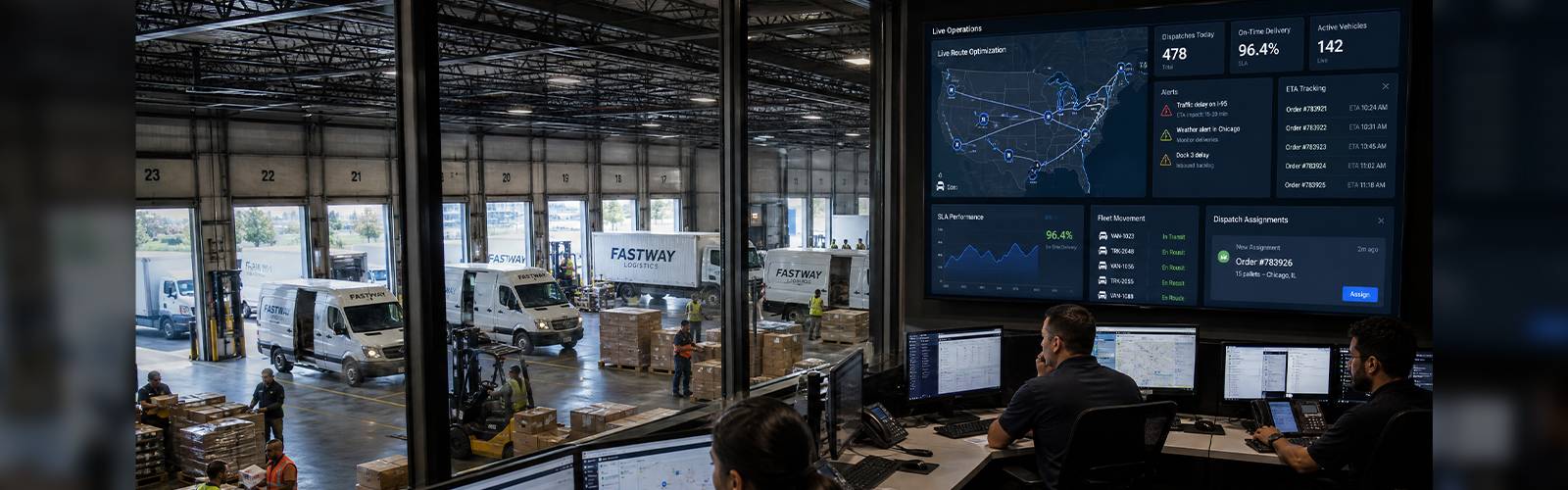
Why Logistics Enterprises Use LogiNext to Reduce Dispatch and Delivery Delays
In logistics, delays are expensive. A late dispatch can trigger missed delivery windows, unhappy customers, rising fuel costs and operational chaos across the supply chain. As delivery volumes continue to rise, logistics enterprises are moving away from fragmented workflows and investing in smarter technology. That is where modern Transportation Management Software (TMS) becomes critical.
Today, companies are no longer looking for software that simply tracks vehicles. They want intelligent systems that optimize dispatch, improve visibility, automate decisions, and reduce delays before they happen. This is one reason why enterprises are increasingly using LogiNext as their preferred transportation management solution.
According to a report by Gartner, organizations adopting AI-driven supply chain technologies can improve operational efficiency by up to 30%. That number matters in logistics, where even small delays create a ripple effect across routes, warehouses, and customer experiences.
The Growing Cost of Dispatch and Delivery Delays
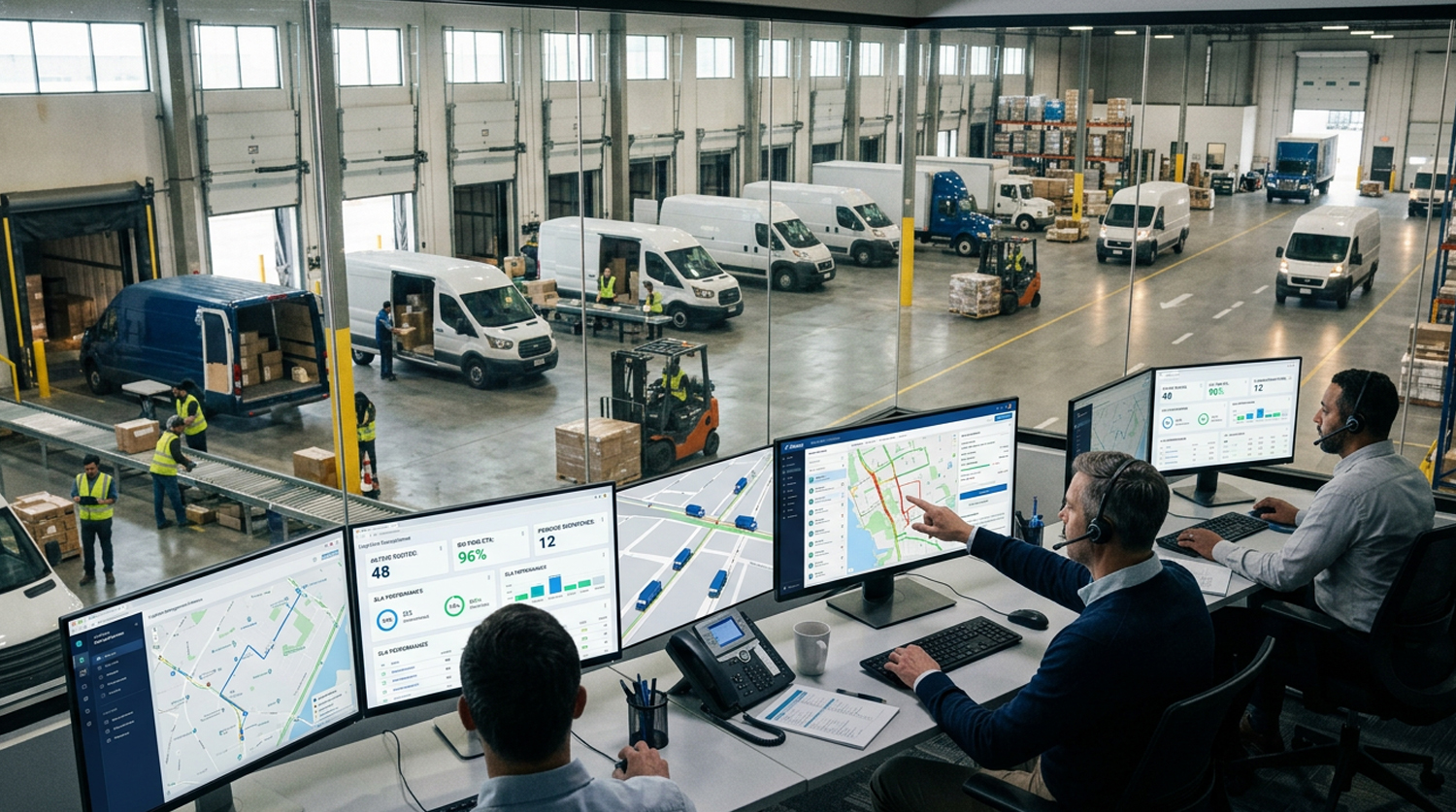
Dispatch delays are not just scheduling problems anymore. They directly affect profitability.
When dispatch operations depend on spreadsheets, manual route planning, disconnected communication channels or outdated systems, businesses face several operational risks:
- Slow route allocation
- Increased idle time
- Higher fuel consumptions
- Missed SLAs
- Reduced driver productivity
- Poor customer communication
- Lower fleet utilization
For enterprises managing high delivery volumes, these inefficiencies scale quickly.
Modern transportation management requires real-time coordination between dispatchers, drivers, customers, and operations teams. Traditional systems struggle to support this level of speed and visibility.
This is why enterprises are shifting toward an AI powered transportation software approach instead of relying on legacy tools.
Why Traditional TMS Platforms Often Fail Under Pressure
Many older transportation management software were built for static planning environments. Logistics operations today are anything but static.
Traffic conditions change every minute. Customer requests shift during transit. Drivers face unpredictable road conditions. Delivery priorities evolve throughout the day.
Traditional TMS platforms often struggle because they:
- Rely heavily on manual intervention
- Lack real-time optimization capabilities
- Offer limited route recalculation
- Cannot dynamically allocate orders
- Operate with delayed data updates
As delivery expectations continue to tighten, enterprises need systems that can make intelligent operational decisions instantly. This is where LogiNext differentiates itself.
How LogiNext Helps Reduce Dispatch Delays
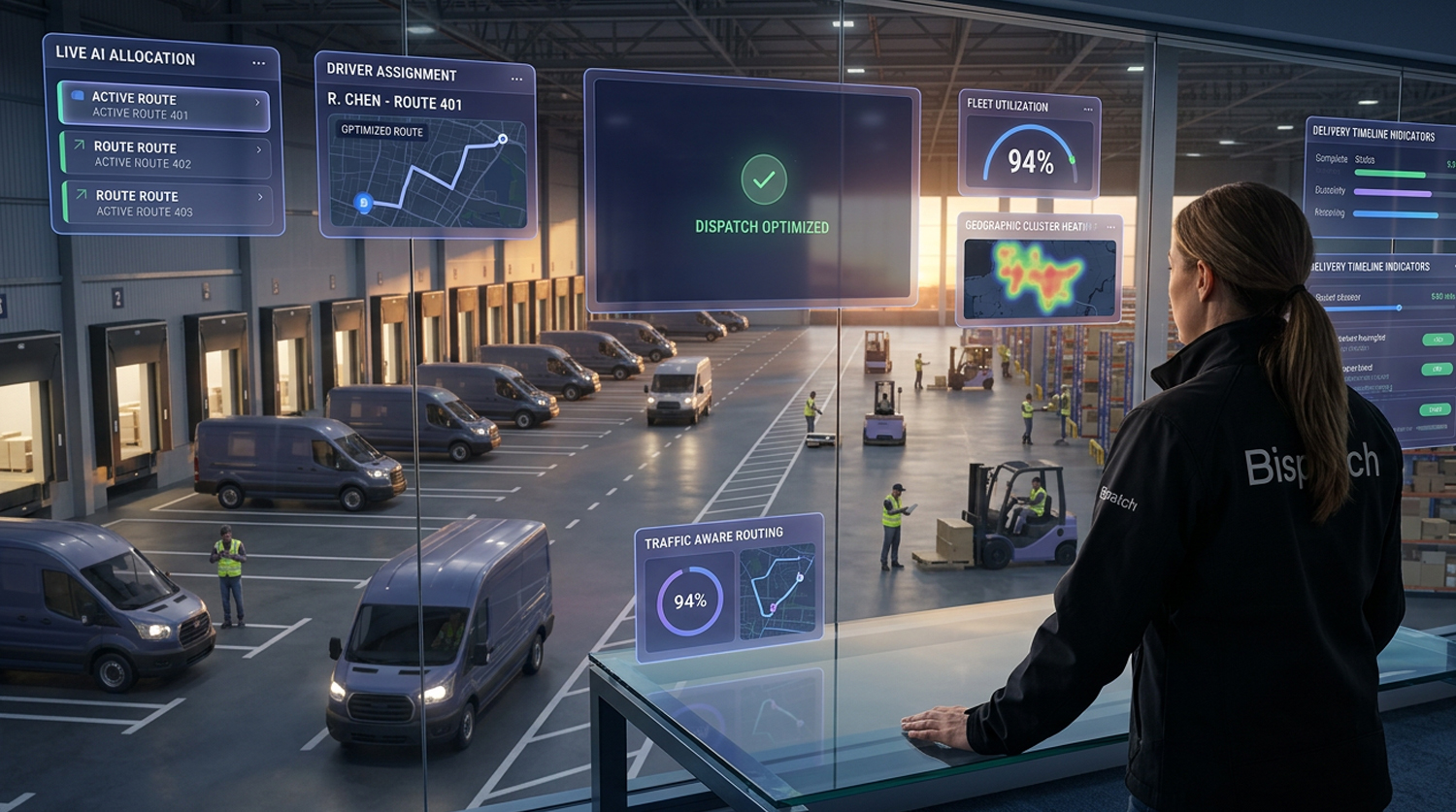
LogiNext focuses on automating and optimizing dispatch workflows through intelligent decision-making engines. Instead of manually assigning deliveries, dispatchers can use AI-driven automation to allocate tasks based on:
- Driver availability
- Vehicle capacity
- Delivery priority
- Traffic conditions
- Geographic clustering
- Estimated delivery timelines
This enables significantly faster dispatch cycles.
With a modern transportation management software, dispatchers no longer spend hours adjusting schedules manually. The system continuously analyses operational variables and recommends optimized assignments in real-time.
For large logistics enterprises, this leads to:
- Faster route creation
- Reduced planning hours
- Improved fleet utilization
- Lower operational overhead
- Better delivery consistency
Efficient dispatching also reduces driver confusion. Drivers receive optimized routes directly through mobile applications, reducing communication gaps and unnecessary delays.
Real-Time Route Optimization Improves Delivery Speed
One major reason enterprises invest in advanced TMS is route optimization. Poor routing creates avoidable delays. A vehicle stuck in traffic or following inefficient sequences affects delivery timelines, fuel costs, and customer satisfaction.
LogiNext uses real-time data to improve routing efficiency continuously. Its routing engine cosiders:
- Live traffic conditions
- Road restrictions
- Delivery time windows
- Vehicle limitations
- Multi-stop sequencing
- Driver schedules
This creates more efficient transportation management across the entire delivery network. Dynamic route optimization is especially important for industries like:
- Retail
- E-commerce
- FMCG
- Cold chain logistics
- Parcel delivery
- Third-party logistics providers
In these industries, delivery speed directly affects customer retention. McKinsey research suggests that implementing AI-based route optimization can reduce transportation costs by 15% while improving service levels significantly.
That combination of cost reduction and operational speed makes modern AI powered transportation software highly valuable for enterprises.
Better Visibility Reduces Operational Bottlenecks
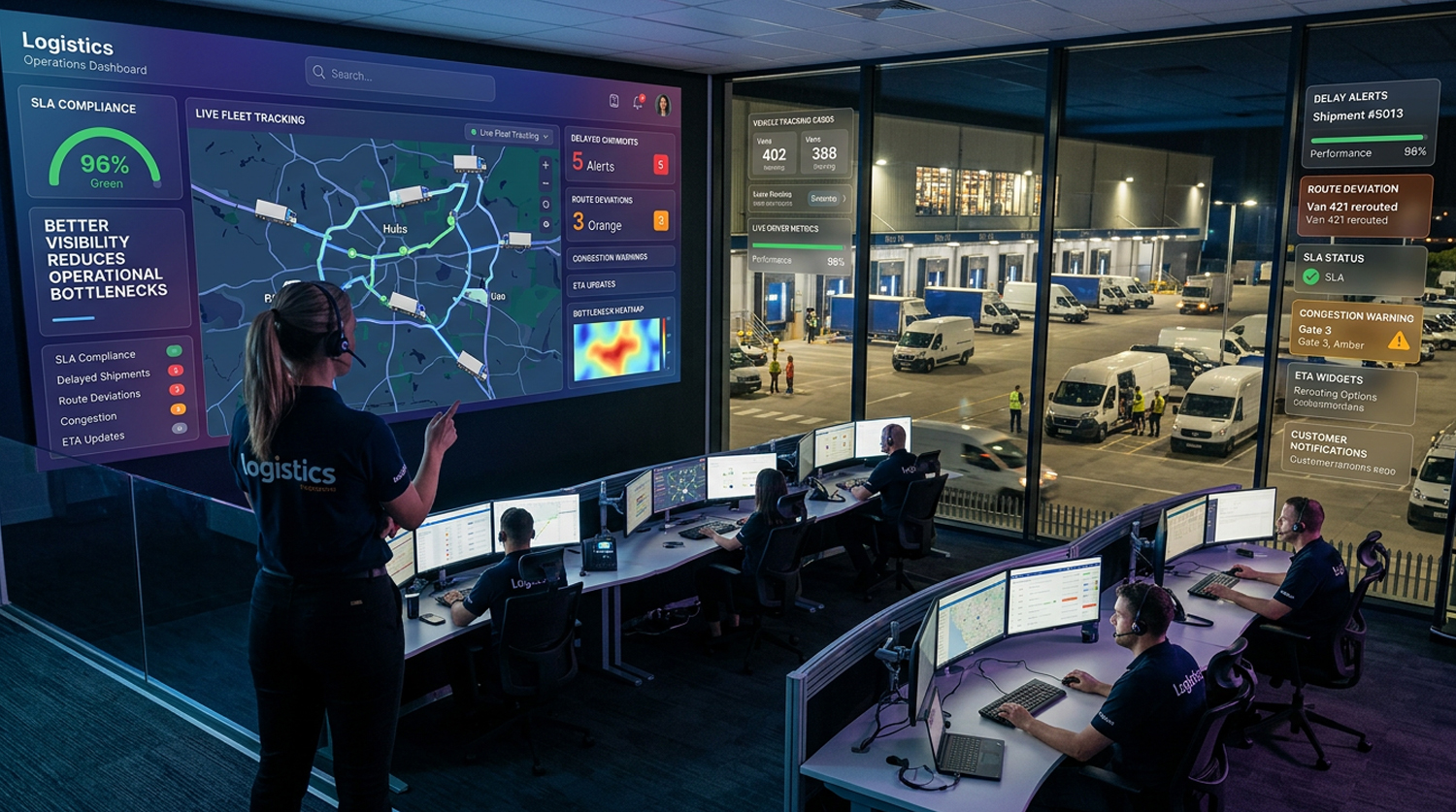
One of the biggest causes of delivery delays is lack of visibility. When operations teams cannot track vehicles accurately, small disruptions become large operational problems. Delays remain unnoticed until customers start complaining.
Modern transportation management systems solve this by providing end-to-end visibility. LogiNext offers centralized dashboards that help operations teams monitor:
- Vehicle movement
- Driver performance
- Delivery status
- Delayed shipments
- Route deviations
- SLA compliance
Real-time visibility allows teams to react immediately when disruptions occur. For example, if a vehicle gets delayed due to congestion, operations managers can reroute nearby drivers or proactively update customers.
This improves both operational efficiency and customer trust. A modern TMS is no longer just a tracking platform. It functions as a real-time operational control tower.
AI Helps Enterprises Scale Faster
As logistics enterprises expand, operational complexity increases rapidly.
Managing 50 deliveries per day manually is difficult. Managing 50,000 deliveries manually becomes impossible. This is where scalable transportation management becomes essential.
LogiNext uses automation and AI to support enterprise-scale logistics operations without requiring proportional increases in manpower. AI-powered systems can automate:
- Delivery allocation
- Route planning
- Capacity utilization
- Exception management
- ETA prediction
- Dispatch prioritization
This allows enterprises to scale faster while maintaining service quality. An advanced transportation management solution also improves decision-making by analyzing large volumes of operational data.
Businesses can identify:
- High-delay zones
- Infefficient routes
- Underutilised routes
- Driver productivity patterns
- Delivery bottlenecks
These insights help enterprises continuously improve logistics performance.
Customer Expectations Are Driving TMS Adoption
Customer expectations around delivery speed have changed dramatically. Same-day and next-day delivery are now standard expectations in many industries. Customers also expect accurate ETAs, live tracking, and proactive notifications.
Without modern Transportation Management Software, meeting these expectations becomes extremely difficult. LogiNext helps enterprises improve customer experience by enabling:
- Accurate ETA calculations
- Real-time delivery tracking
- Automated notifications
- Faster issue resolution
- Reduced failed deliveries
These capabilities strengthen customer trust and improve retention rates. In competitive logistics markets, delivery experience often becomes a key differentiator.
Final Thoughts
Delivery delays are no longer minor operational issues. They affect customer loyalty, transportation costs, and long-term business growth.
LogiNext helps enterprises move beyond reactive logistics operations by enabling intelligent dispatching, real-time optimization, and data-driven execution. Its approach to efficient transportation management allows logistics companies to reduce delays, improve visibility, and deliver better customer experiences consistently.
In a market where speed and reliability define success, AI-driven logistics technology is quickly becoming the operational backbone of modern transportation management. Click on the red button to book a demo.
57
 |  |  |




@LogiNext