




10 Must-Have Integrations With Delivery Management Software To Exponentially Grow Digital Commerce Businesses
Digital commerce is booming, and many businesses have started to capitalize on this trend. Using the right delivery management software enables businesses to create online wonders. Digital commerce allows businesses to showcase their products and customers can explore, choose, and bring home the best find with just a click.
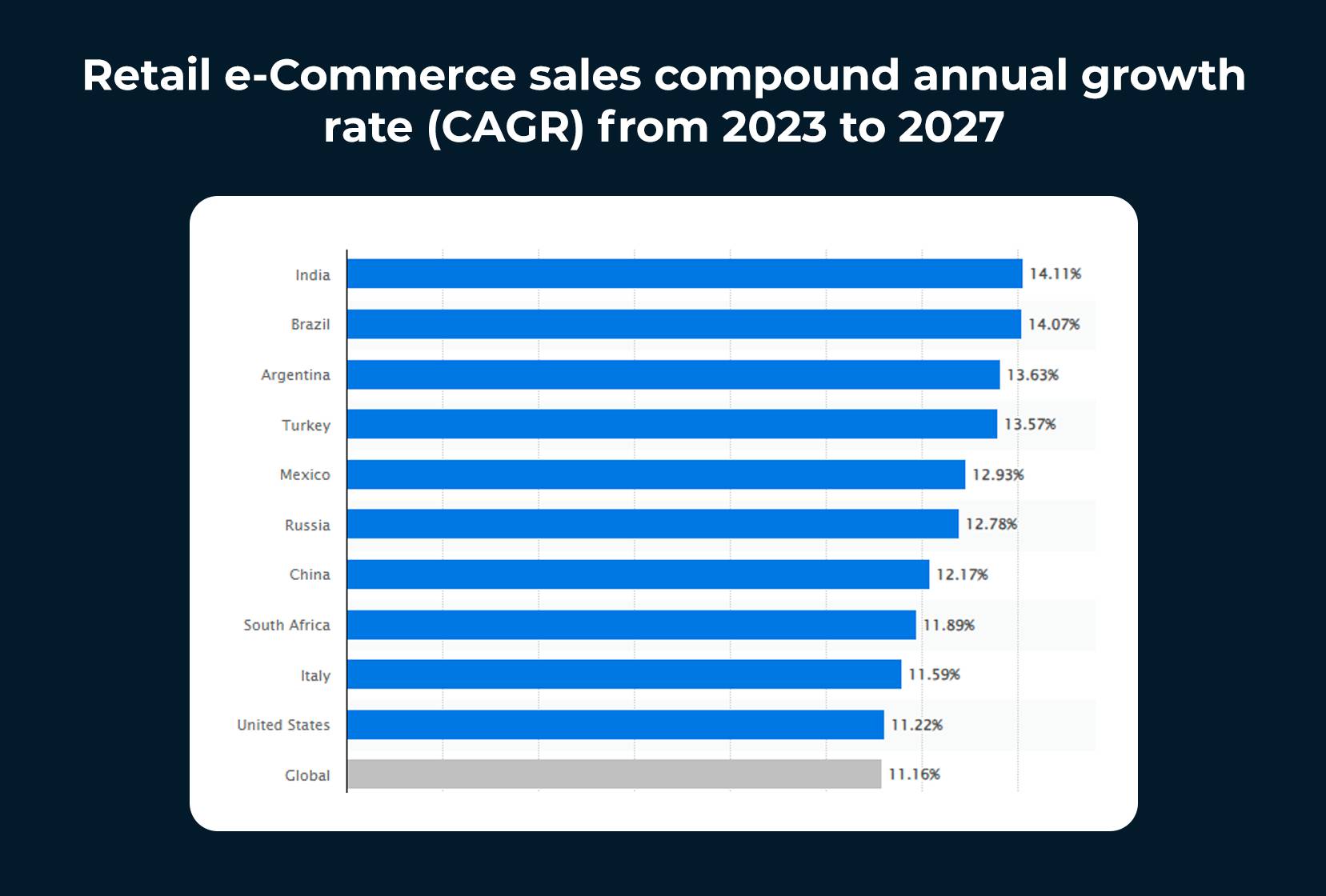
MysticMarket is one such thriving digital commerce business. Mike, with his passion for business, offered a wide range of products to his customers. As his business grew, he started facing challenges of scaling operational efficiencies and maintaining customer satisfaction. Mike being a tech wizard, researched online for the best delivery management software integrations that could help him meet customer expectations.
Pain Points in Digital Commerce
– Managing increasing order volumes efficiently.
– Ensuring accurate and on-time deliveries.
– Balancing operational efficiency with a personalized customer experience.
– Integrating new technologies seamlessly into existing systems.
Today, let’s embark on a journey of digital transformation to find the top 10 integrations that helped him manage deliveries even better. Get ready to discover the secrets behind elevating your online shopping experience.
Goals to Achieve Using Integrations in his Delivery Management Software
– Streamline delivery operations for efficiency.
– Enhance the customer experience through reliable and timely deliveries.
– Improve overall business performance and scalability.
– Stay competitive in the dynamic e-commerce market.
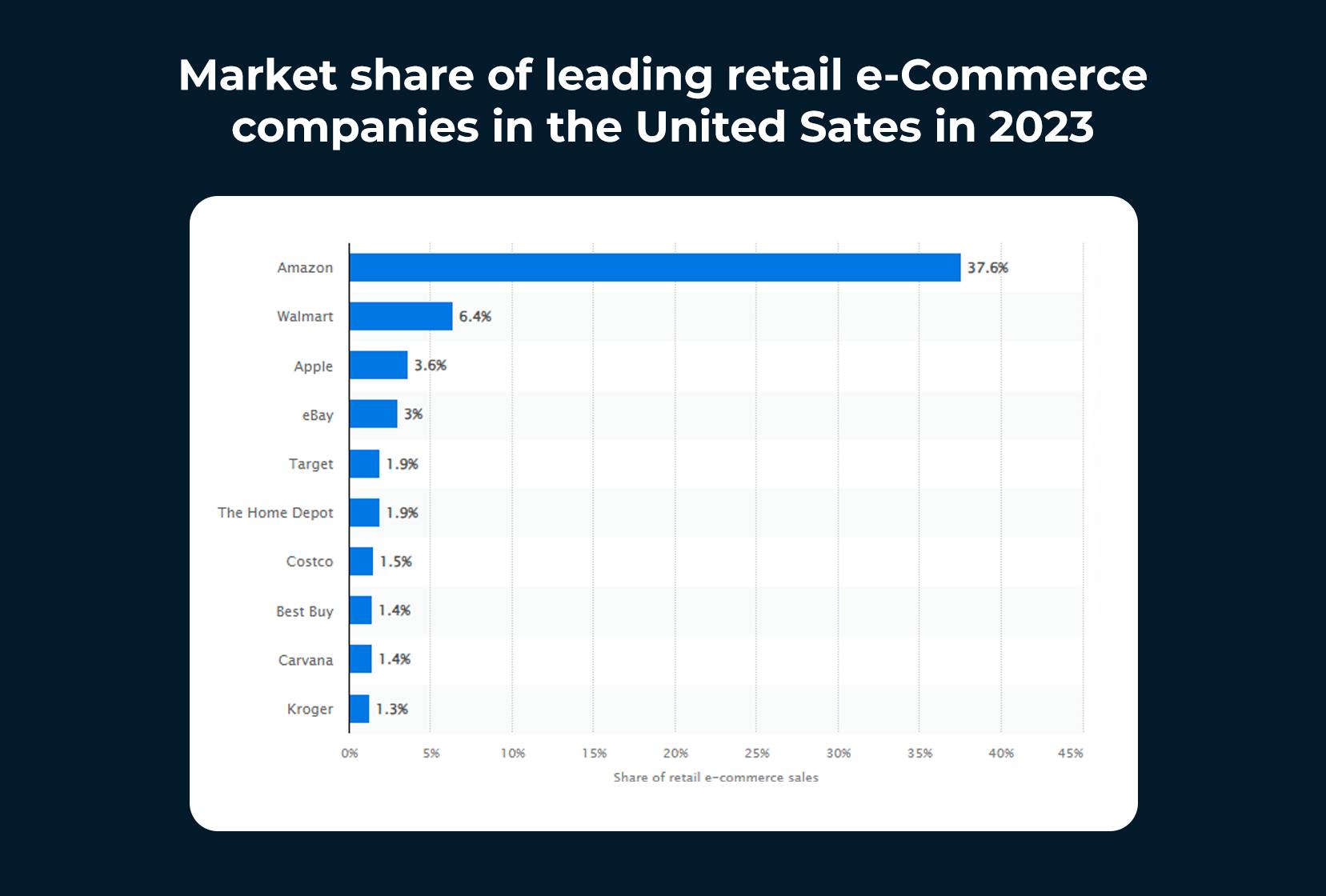
Enter the World of Digital Commerce Delivery Management Business
Now that you have stepped into Mike’s shoes, let’s discover the secrets of what makes his online platform work seamlessly. Imagine, if the internet is a mall, then Mike’s online store is the store that sees the largest customer footfall. However, with greater customer footfall he faced several challenges in delivery management.
Growing order list: As the eCommerce business took off, it led to an increase in pressure to get orders delivered on time without getting lost. The main challenge here is whether the delivery management system can handle incoming orders and ensure timely deliveries as per order priority.
Race against time: For customers, items reaching them on time is of the utmost importance. The key challenge for dispatchers is to ensure timely delivery based on the type of delivery time.
Creating a lasting relationship: Gaining customer trust and ensuring they return for more purchases is the dream for any digital commerce business. The challenge here is to find what’s the best way to make it happen using delivery management software.
Scaling for future growth: As Mike’s business grew, he had to find the right solution that could be integrated into a delivery management system. Thus ensuring growth without any hiccups.
10 Key Integrations for Last Mile Delivery Management Software Efficiency
To overcome challenges for his digital commerce business, these were the several integrations that helped Mike attain delivery nirvana.
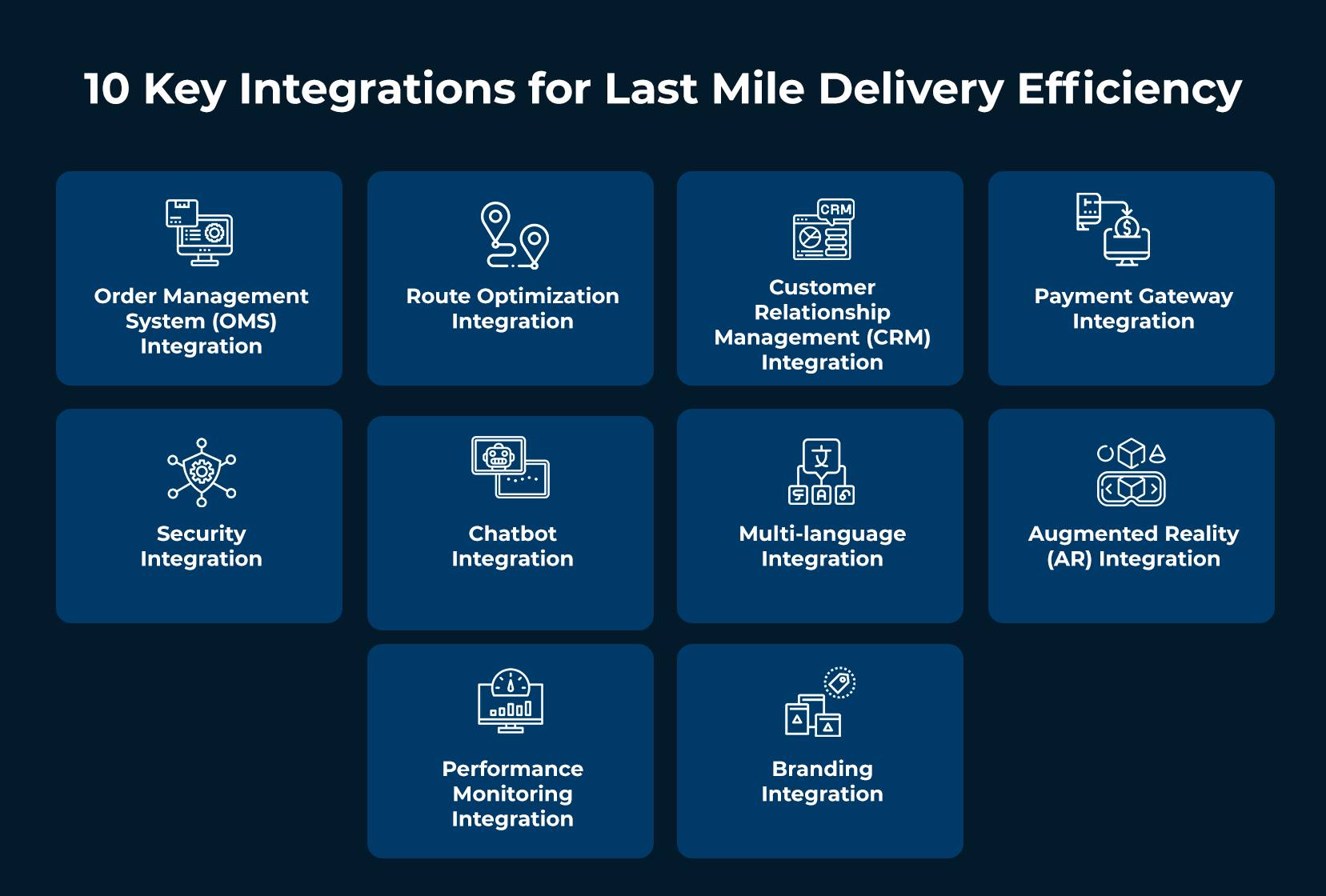
Order Management System (OMS) Integration:
With an OMS, Mike and your dispatcher can organize all the orders and plan dispatch accordingly. The OMS integration ensures each order placed is ready to be delivered at the earliest to customers’ doorstep.
Route Optimization Integration:
The route optimization integration is like the treasure map for your dispatcher. It helps the dispatch team find the fastest route to get the delivery completed on time and in perfect condition.
Customer Relationship Management (CRM) Integration:
Omni-channel communication is the key to enhancing last mile delivery efficiency. This integration allows your team to understand user behavior and market exactly what customers expect.
Payment Gateway Integration:
The payment gateway integration allows drivers to collect payments from customers safely and quickly. Making payments an easy, secure, and completely transparent process.
Security Integration:
Like a protective spell, a Security Integration keeps your shop safe from any sneaky villains (cyber threats). It ensures that your information is secure and not leaked to any third-party vendors.
Chatbot Integration:
Just like a friendly wizard assistant, a Chatbot Integration helps customers answer their questions and guide them through the retail store. It makes your customer experience more interactive and enjoyable.
Multi-language Integration:
With this magical translation spell, Mike can make his shop speak different languages. It ensures that customers across the world can enjoy the buying experience in their preferred language.
Augmented Reality (AR) Integration:
With this enchanting tool, Mike can bring his products to life! It lets you (customers) see how items would look in real life before making the purchase.
Performance Monitoring Integration:
This integration acts like a wizard’s telescope, helping Mike keep an eye on how well his shop is performing. It ensures that everything runs smoothly, and he can quickly fix any hiccups.
Branding Integration:
Think of this integration as a magical wand that tailors as per customer requirements. With a tracking link system, they can be added to ensure brand recall and provide offers that lead to customers returning to the website.
Also Read: Top 7 delivery management software for enterprise businesses
Implementing Delivery Management Software Integrations Efficiently with LogiNext
LogiNext is the leading delivery management software solution provider that helps businesses streamline their operations. With the combination of APIs and Webhooks, the dispatcher now gets complete control over delivery operations. We ensure that each piece fits perfectly, creating a seamless and enchanting experience for your customers. Our solutions team will help you with these integrations to ensure your operations work in harmony.
Be smart like Mike and ensure your digital commerce business gets these integrations made with delivery management software. Get ready to experience a digital wonderland where every click, scroll, and discovery is a magical journey! Click on the red button below to speak with an expert.
“”
 |  |  |




@LogiNext