


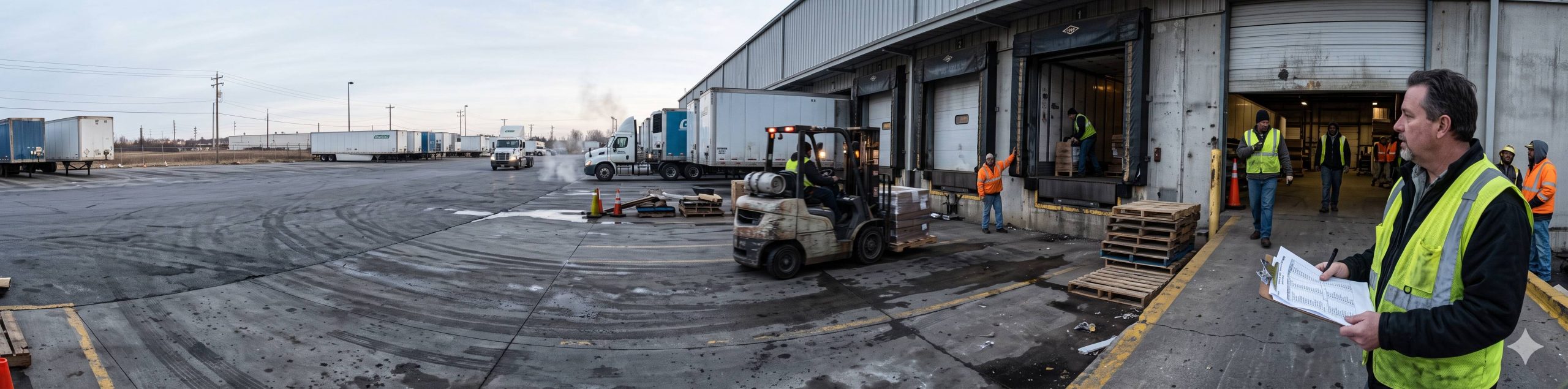
Supply Chain Management in a World That Won’t Sit Still
Supply chain management is getting harder as geopolitical tensions, shifting trade policies, energy costs, and transportation constraints continue to disrupt business plans. According to discussions highlighted at the CSCMP EDGE conference in October 2026, this volatility is expected to persist through 2027. For businesses, that means the old strategy of waiting for things to settle down might need a rethink.
The good news? Companies cannot control global events, but they can control how they respond. Smarter planning, flexible logistics networks, stronger partnerships, and well-targeted AI can help businesses make better decisions when conditions change.
Here’s what supply chain leaders need to know, and how to prepare for another year of uncertainty without letting every new headline rewrite the entire operating plan.
Key Takeaways
- Supply chain volatility is expected to remain a challenge through 2027, driven by geopolitical, economic, energy, and capacity pressures.
- Lower logistics costs do not necessarily indicate lower operational risk.
- Resilient supply chain management requires flexible planning, stronger partner coordination, and continuous performance monitoring.
- Supply chain management software and AI can improve decision-making when supported by reliable data and practical workflows.
- Businesses should prioritize measurable operational improvements over technology adoption for its own sake.
What Does Persistent Supply Chain Volatility Mean For Businesses?
Supply chain volatility refers to unpredictable changes in costs, demand, transportation capacity, trade conditions, and product availability that make it difficult for businesses to plan and execute operations consistently.
It is no longer just about recovering from one major disruption. Businesses must increasingly manage several moving variables at once.
Consider the possibilities: fuel prices rise, a trade policy changes, a transportation partner faces capacity constraints, and customer demand shifts in the same week. Each event creates a challenge. Together, they can disrupt delivery schedules, strain margins, and force teams to make expensive last-minute decisions.
The financial stakes are significant. The 2026 State of Logistics Report, produced by Kearney for the Council of Supply Chain Management Professionals (CSCMP) and presented by Penske Logistics, reported that US business logistics costs reached $2.4 trillion, or 7.8% of GDP, in 2025. Costs declined from the previous year, but the report identified persistent structural pressures, including energy price volatility, trade realignment, labor constraints, and uneven global growth.
In other words, a better cost figure does not automatically mean an easier operating environment.
Why Is Traditional Supply Chain Management Struggling To Keep Up?

Traditional supply chain management often relies on forecasts, fixed schedules, established routes, and assumptions about cost and capacity. These remain useful planning tools, but they become less reliable when operating conditions change faster than teams can respond.
Three challenges stand out.
- Plans become outdated quickly. A route or carrier arrangement that made financial sense last month might not be the best choice today.
- Disconnected systems slow decisions. When transportation partners, order systems, and operational teams work with fragmented information, identifying the impact of a disruption becomes harder.
- Reactive decisions increase costs. Last-minute carrier changes, rushed deliveries, and inefficient resource allocation can eat into already pressured margins.
Imagine a retailer preparing for a major promotional weekend. Demand is higher than expected, transportation capacity tightens, and a key delivery route becomes less viable. A team relying on yesterday’s plan may discover the problem only after service levels begin to slip.
A more adaptable operation would identify the emerging constraint, assess available alternatives, and adjust execution before the disruption spreads.
The difference is not a perfect prediction. It is the ability to respond without starting from scratch.
How Can Businesses Build Supply Chain Resilience For 2027?
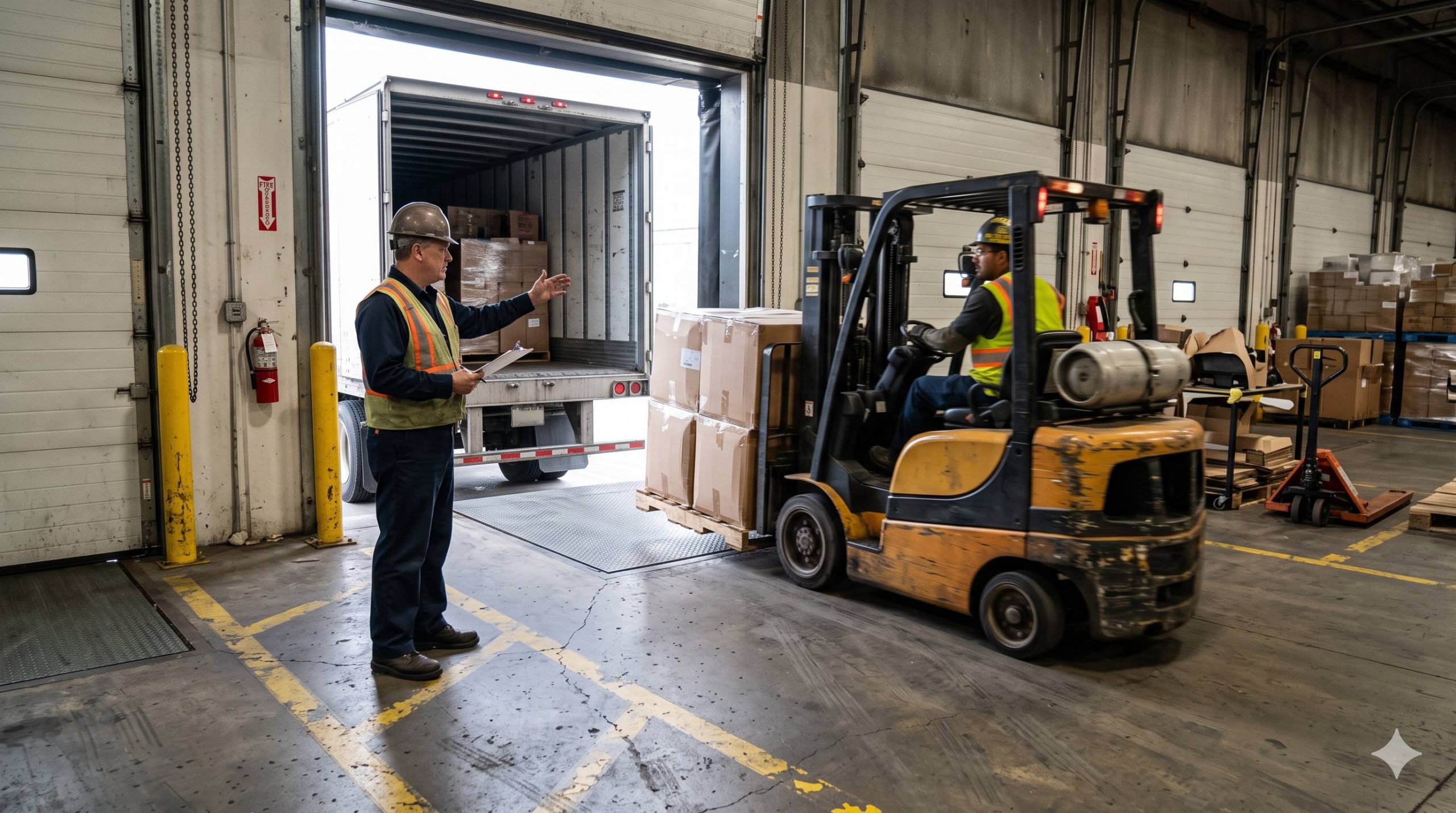
Supply chain resilience comes from preparing for multiple scenarios and making it easier to adapt when reality ignores the plan. Businesses can start with four practical steps.
1. Plan for scenarios, not a single forecast. Model what happens if fuel costs rise, demand spikes, or transportation capacity falls. Define which thresholds should trigger a change in plans.
2. Strengthen partner coordination. Maintain clear communication with carriers, suppliers, and logistics partners. Alternative arrangements are more useful when responsibilities and escalation processes are agreed upon in advance.
3. Improve operational visibility. Bring relevant order, delivery, capacity, and exception information together so teams can understand where problems are emerging and which decisions need attention.
4. Review performance continuously. Track cost per delivery, on-time performance, resource utilization, and exception rates. These measures help teams identify whether a response is protecting service levels or merely shifting costs elsewhere.
The goal is to build flexibility into everyday supply chain management, not to create a separate emergency process that teams scramble to activate when something goes wrong.
What Role Do Supply Chain Management Software and AI Play?
Supply chain management software can help businesses connect operational data, coordinate logistics activities, and respond to changing conditions. However, buying another system is not automatically a solution. The value depends on whether the technology addresses a real operational problem and integrates with the workflows teams already use.
AI can add another layer of decision support by helping teams interpret data, identify patterns, evaluate alternatives, and recommend actions. The most useful applications are specific and measurable, rather than AI added simply because it is fashionable.
The 2026 State of Logistics Report highlights AI’s growing commercial value in well-defined applications, while noting that adoption remains uneven across shippers and logistics providers.
For logistics teams, this creates several practical opportunities:
- Exception prioritization: Identify which delivery issues need immediate attention.
- Decision support: Evaluate operational alternatives against cost, capacity, and service requirements.
- Logistics coordination: Connect planning and execution so that operational changes can be acted upon more consistently.
- Performance analysis: Use historical and current operational data to identify recurring bottlenecks.
A supply chain management system should also be evaluated for integration capabilities, data quality, scalability, and the clarity of its decision-making workflows. A sophisticated AI feature cannot compensate for unreliable data or disconnected systems.
The objective is straightforward: reduce the time between identifying a problem and taking a useful action.
Also Read: What Enterprise Leaders Are Learning From Supply Chain AI
How Can LogiNext Help Businesses Navigate Supply Chain Uncertainty?
When volatility becomes a regular feature of business, logistics execution needs to be flexible enough to keep up.
For example, businesses can evaluate how their logistics technology supports changing delivery requirements, connects information across systems, and helps teams respond to operational exceptions. The right approach depends on the organization’s existing infrastructure, workflows, and specific constraints.
Frequently Asked Questions
1. What are the biggest supply chain management challenges for 2027?
Geopolitical uncertainty, changing trade policies, energy price volatility, transportation capacity constraints, and labor and productivity pressures are among the key challenges businesses need to monitor.
2. How can businesses manage supply chain volatility?
Businesses can use scenario planning, diversify transportation options where practical, strengthen partner communication, monitor operational performance, and establish clear processes for responding to disruptions.
3. What is the role of supply chain management software?
Supply chain management software helps organizations coordinate processes, connect operational information, monitor performance, and support logistics decisions. Its value depends on integration, data quality, and how well its capabilities address business needs.
4. How does AI improve supply chain management?
AI can help interpret operational data, identify patterns, prioritize exceptions, and support decision-making. Results depend on the quality of available data, the use case, and how effectively AI is integrated into operational workflows.
5. What should businesses look for in a supply chain management system?
Businesses should assess integration capabilities, data reliability, scalability, visibility, workflow support, analytics, and the ability to adapt to changing operational requirements. They should also establish measurable success criteria before implementation.
Conclusion: Build For Change, Not Just Efficiency
The next chapter of supply chain management will not be defined by which business can predict every disruption. It will be defined by which businesses can adapt without losing control of costs, service levels, and operational priorities.
As volatility persists, flexible planning, connected systems, and intelligent decision-making will become increasingly important. The starting point is to identify where your current logistics operations struggle to respond and determine which improvements would make the biggest measurable difference.
Want to make your logistics operations more adaptable? Explore how LogiNext can help your business coordinate logistics execution and build a more responsive operation.
 |  |  |




@LogiNext