


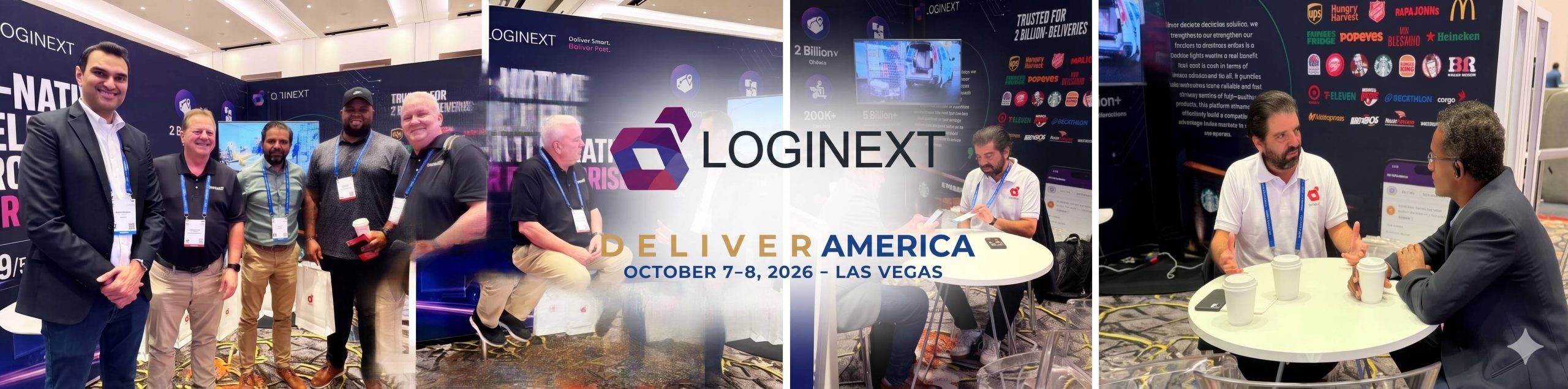
LogiNext at DELIVER America 2026: Why Logistics Orchestration Matters
Logistics orchestration is becoming increasingly important as enterprises manage more complex transportation networks, multiple delivery partners, and growing expectations for operational efficiency. At DELIVER America 2026 in Las Vegas, conversations with prospective customers brought these challenges into focus for the LogiNext team.
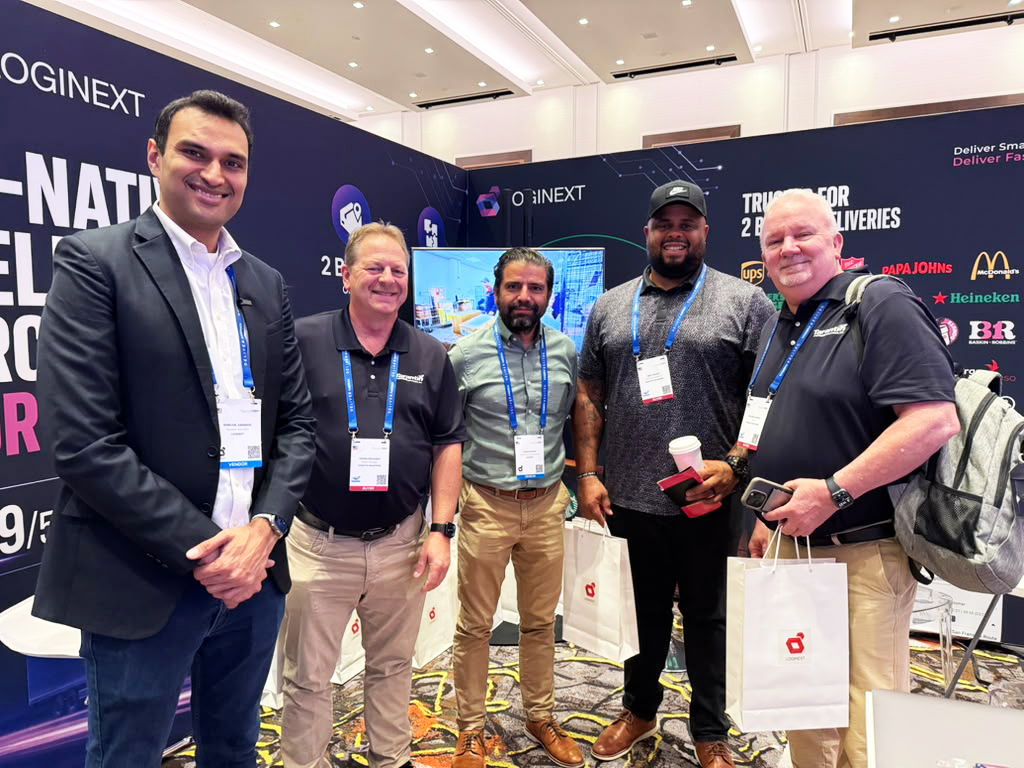
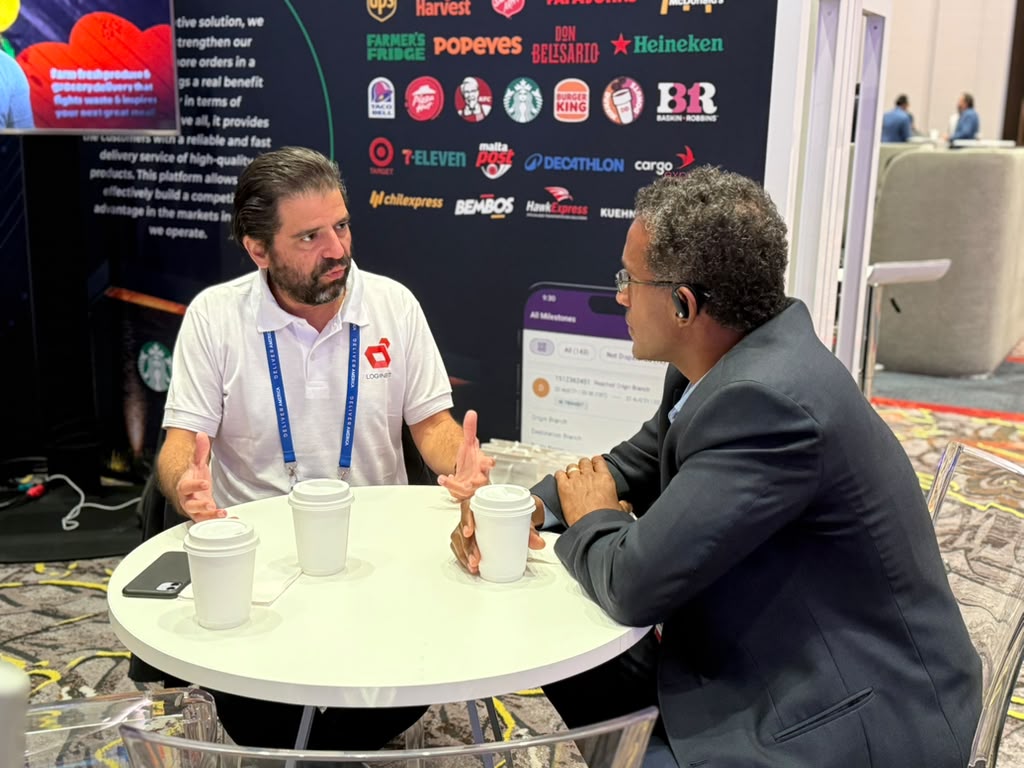
Held on October 7–8 at Caesars Forum, the event brought together leaders from retail, ecommerce, supply chain, logistics, and operations. For LogiNext, it was an opportunity to engage with businesses working through the realities of modernizing their logistics operations.
The conversations covered different operating environments, but several recurring themes stood out. Disconnected systems, coordination across carriers and partners, pressure to control transportation costs, and the need for visibility that supports better decisions.
Key Takeaways
- Connected operations matter: Enterprises need planning, transportation execution, and visibility to work together rather than operate as isolated functions.
- Carrier coordination is a bigger challenge than fleet ownership: Businesses need consistency across internal resources and external logistics partners.
- Visibility needs to lead to action: Knowing what is happening across a network is valuable, but teams also need to respond effectively.
- Cost control depends on better coordination: Transportation efficiency requires decisions that account for the wider network, not just individual activities.
- Logistics orchestration connects the dots: The opportunity is to make systems, partners, and operational decisions work as part of a coordinated whole.
When Logistics Operations Become a Jigsaw Puzzle
As businesses grow, their logistics networks rarely become simpler. New facilities, delivery partners, transportation requirements, and operational workflows add layers of complexity. The technology supporting these activities can grow just as fragmented.
A business may have a transportation management system for planning, separate tools for tracking, and different processes for coordinating carriers or managing exceptions. Each tool might serve a purpose, yet teams can still struggle to connect the information and decisions flowing between them.
This was one of the broader themes reflected in the conversations recorded at DELIVER America. Some prospects were considering technology modernization or TMS implementation, while others were focused on connecting planning, execution, and visibility across their operations.
The challenge is not necessarily a lack of software. It is the effort required to make different systems and processes work together.
That is where logistics orchestration becomes relevant. Rather than treating every operational function as a separate workflow, orchestration focuses on coordinating activities and decisions across the logistics network.
Why Does Transportation Cost Optimization Require a Network-Level View?
Outsourced transportation can give businesses flexibility and access to external capacity. It can also introduce more moving parts into daily operations.
When internal fleets, third-party logistics providers, and multiple carriers share responsibility for execution, maintaining consistent service and coordinating activities becomes more demanding. Businesses need to understand how work is progressing across partners. Where operational issues are emerging, and how those issues affect the wider network.
The prospect conversations reflected an interest in carrier coordination, outsourced delivery operations, and fleet utilization. These challenges extend beyond selecting a provider or negotiating a contract. They involve managing execution across different resources and operating arrangements.
A coordinated approach helps organizations look beyond individual carrier activities and understand how partner performance affects the operation as a whole.
Why Transportation Costs Need a Network-Level View
Transportation costs are shaped by more than the price of an individual trip. Resource utilization, route decisions, network design, delivery exceptions, and coordination between facilities can all influence how efficiently goods move.
The conversations recorded at DELIVER America included concerns around transportation costs, network optimization, and maintaining operational performance
as businesses scale. These are connected problems. A decision that appears efficient for one vehicle, route, or facility may not deliver the same benefit when the wider network is considered.
Transportation management software supports important planning and execution activities. Logistics orchestration builds on the broader idea of coordinating those activities with the other processes and information that influence operational outcomes.
For enterprise teams, this means looking at efficiency across connected workflows instead of optimizing each step in isolation. Better coordination can help teams identify where resources, plans, and execution need to align more closely.
The goal is not simply to move more efficiently at one point in the network. It is to make the overall operation work better.
How Can Supply Chain Visibility Translate Into Better Decisions?
Visibility remains essential to modern logistics. Teams need reliable information about shipments, assets, execution progress, and exceptions to understand what is happening across their networks.
But visibility alone does not resolve every operational problem. Information is most useful when the right people can interpret it and take appropriate action.
Some of the conversations captured in the prospect notes touched on visibility beyond final-mile delivery, including inbound transportation, distribution between facilities, and broader logistics networks. These environments can involve different systems, partners, and operational requirements, making it harder to maintain a consistent picture of activity.
Supply chain visibility software can help organizations improve their view of logistics execution. The next question is how that visibility connects to decisions. Can teams identify a problem, understand its operational implications, and coordinate the response across the relevant workflows?
That distinction matters. A connected logistics operation needs more than a view of what has happened. It needs a practical way to use operational information in planning and execution.
How Does Logistics Orchestration Connect the Entire Operation?
Across the different challenges reflected in the conversations, a common thread emerged. Businesses need to coordinate more decisions across increasingly complex operations.
This is the problem logistics orchestration is designed to address. It brings planning, dispatch, routing, execution, visibility, and automation into a more coordinated operational approach, rather than leaving teams to bridge every gap between separate processes.
At LogiNext, this aligns with our focus on an AI-native orchestration platform for modern supply chains. The platform connects key logistics activities to help enterprises manage complexity across their operations. LogiNext supports more than one billion deliveries across 50+ countries and a global ecosystem of 300+ integrations.
AI adds another dimension to this approach. Its value is not simply in automating an individual task. The broader opportunity is to support better-informed decisions across connected logistics workflows, helping enterprises move beyond isolated automation toward more coordinated operations.
The right approach will depend on each organization’s network, existing technology, and operational priorities. But the underlying objective remains consistent: connect the systems and decisions that determine how logistics performs.
Also Read: LogiNext at AIxEcom Summit 2026: AI & Supply Chain Insights
The Biggest Takeaway From DELIVER America 2026
The prospect conversations at DELIVER America did not point to one universal logistics problem. Different businesses had different networks, technology environments, and operational pressures.
What connected these challenges was the need to make the pieces work together: systems that share information, carriers that operate within coordinated processes, visibility that supports action, and transportation decisions that account for the wider network.
For us at LogiNext, this reinforces why logistics orchestration matters. As enterprise operations become more interconnected, adding another standalone tool may not be enough. Businesses need to consider how their technology, partners, and workflows fit together.
Want to explore how logistics orchestration could help connect your operations? Talk to LogiNext about building a more coordinated, intelligent, and scalable logistics network.
 |  |  |




@LogiNext