




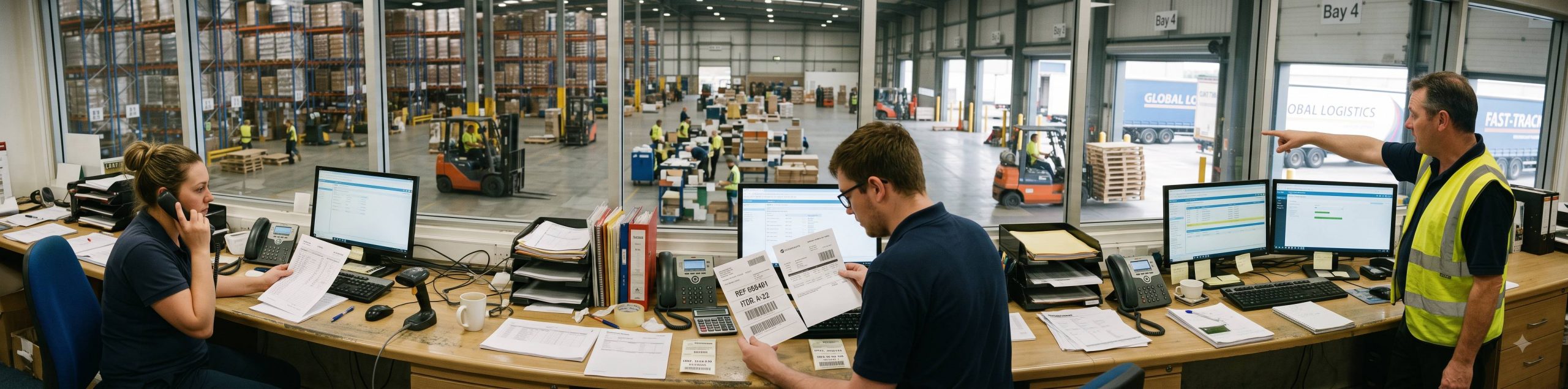
Supply Chain Integration: Make Your Systems Talk
Supply chain integration connects the applications, data, and processes businesses use to plan and execute supply chain operations. It allows information to move between systems. Thereby, helping teams make decisions using consistent data instead of chasing updates across disconnected tools.
Imagine investing in software for inventory, orders, transportation, and analytics, only to find that your teams still rely on spreadsheets and endless email threads to keep everything aligned. The technology is there, but the connections are missing.
As supply chains become more digital, businesses need more than a collection of specialized applications. They need those applications to work together. Supply chain integration helps bridge the gaps, reduce operational friction, and create a more coordinated environment without requiring businesses to replace every system they already use.
Key Takeaways
- Supply chain integration connects applications, data, and processes across business functions.
- Disconnected systems can create duplicate work, inconsistent information, and delayed decisions.
- APIs, EDI, and integration platforms help applications exchange information.
- Successful integration requires reliable data, monitoring, security, and employee adoption.
- LogiNext helps businesses coordinate logistics execution and improve operational visibility within a connected supply chain.
Why Does Having More Supply Chain Software Not Always Mean Better Operations?
Technology investments are growing, but adding another application does not automatically make a supply chain more efficient.
According to the 2025 MHI Annual Industry Report, produced with Deloitte, 55% of surveyed supply chain leaders were increasing their investments in supply chain technology and innovation. The report highlights the importance of connecting technology, equipment, people and operations to improve end-to-end performance.
The challenge is that each application may manage a different part of the business. An ERP system handles enterprise transactions, warehouse software manages fulfilment, and transportation tools support shipment planning. If those systems do not exchange information properly, employees become the unofficial integration layer.
Someone exports a report. Someone else updates a record. Another person checks whether the numbers match.
It works, until the volume grows, a process changes or an important updates gets mixed.
Supply chain integration addresses this problem by connecting systems around the workflows they support. The goal is not to accumulate more technology. It is to get more value from the technology already in place.
How Does Supply Chain Integration Connect the Dots?
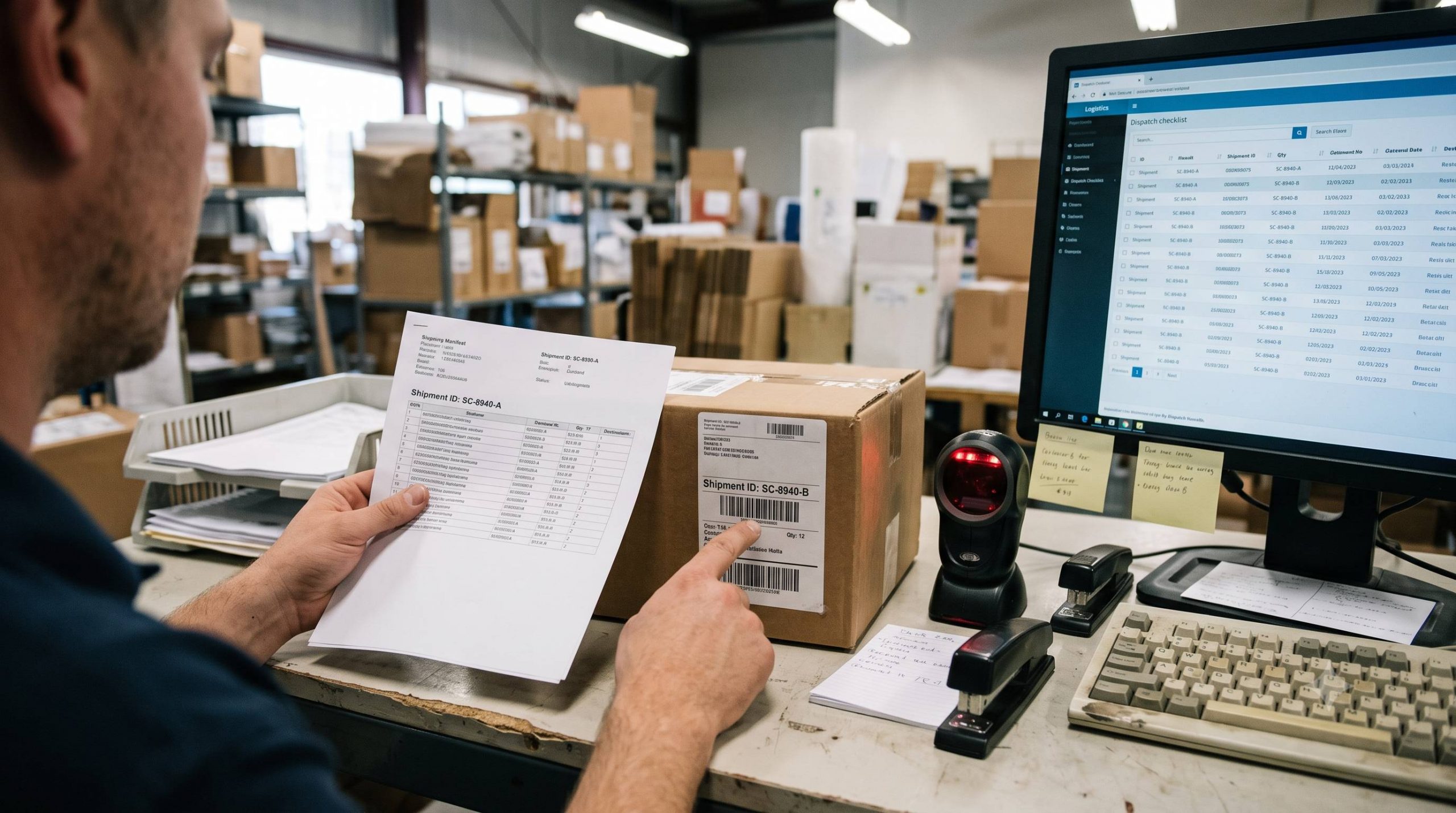
Supply chain integration enables different applications to exchange information and coordinate activities through defined connections and workflows.
Consider a business processing a customer order. The order management systems records the request, inventory software checks availability and fulfilment teams prepare the goods. Transportation systems then support shipment planning, while operational data helps teams monitor performance.
When these systems are integrated properly, relevant information can flow between them without requiring someone to manually transfer every update.
This is also where supply chain automation becomes valuable. When systems exchange information reliably, businesses can automate routine tasks such as updating order records, transferring data between applications, and triggering the next step in a workflow. That means fewer manual handoffs, less repetitive work, and more time for teams to focus on exceptions that require human judgment.
What makes these connections work?
Businesses typically use a combination of technologies:
- Application Programming Interfaces (APIs): Allow applications to exchange information and trigger actions through defined interfaces.
- Electronic Data Interchange (EDI): Enables structured exchanges of business documents between organizations.
- Integration Platforms: Help manage connections, transform data into compatible formats and coordinate information flows across applications.
The right approach depends on the systems involved, how quickly information needs to move, data requirements, and security policies.
A useful rule: connect systems based on the business process, not simply because a connection is technically possible. An integration should solve a real problem, improve an information flow, or enable a decision that was previously difficult to make.
What Can Businesses Gain From Better Supply Chain Integration?
The biggest gains appear when connected information helps people take action, rather than simply giving them another dashboard to check.
Here is what effective integration to improve:
- Less manual work: Automated information exchange reduces repetitive data entry and reconciliation.
- More consistent data: Shared definitions and validation rules prevent conflicting records.
- Faster decisions: Teams can access relevant updates sooner and respond with better context.
- Greater operational visibility: Connected information provides a clearer picture of activity across business functions.
- More flexibility: A well-designed integration architecture makes it easier to introduce applications and modify workflows as business requiremtns change.
For example, if a fulfilment plan changes, the relevant transportation and operations teams need that information before it creates a downstream problem. Connected workflows can help deliver the update to the right systems and people.
However, integration is not a magic fix. If the source data is inaccurate or the business process is poorly designed, connecting systems spread those problems faster. Reliable integration begins with reliable information.
What Usually Goes Wrong During Supply Chain System Integration?
The technical connection is only one part of the job. Businesses also need to ensure that information is interpreted correctly, failures are visibile and people understand how to use the resulting workflows.
Four common challenges deserve attention:
1. Inconsistent Data:
Two systems may use different identifiers or formats for the same product, location, or transaction. Standardizing critical data and assigning ownership helps reduce confusion.
2. Fragile Connections:
An interface may fail when a system changes or a message arrives in an unexpected format. Retry rules, error handling, and clear escalation procedures make integrations more resilient.
3. Limited Monitoring:
A connection can appear active while information is delayed or incomplete. Monitoring should track successful exchanges, processing times, and failures.
4. Poor Adoption:
Employees may continue using old workarounds if new processes are unclear or difficult to follow.
The last issue is particularly important. Gartner predicted in May 2025 that 60% off supply chain adoption efforts would fail to delivery promised value by 2028 because of insufficient investment in learning and development.
The lesson extends beyond integration technology: implementation, employee training and process ownership must be part of the investment from the beginning.
How Can Businesses Build a Supply Chain Integration Strategy That Works?

The best integration programs start with operational priorities rather than a long technical wish list.
Use this practical checklist before committing to a new project:
1. Identify the friction: Find where teams repeatedly enter information, reconcile conflicting records or wait for updates.
2. Map the information flow: Determine where data originates, which systems need it and which decisions depend on it.
3. Define data ownership: Establish which system is authoritative for important records and identifiers.
4. Choose the right approach: Evaluate APIs, EDI and integration platforms against actual business and technical requirements.
5. Plan for exceptions: Define how teams will detect missing updates, retry failed exchanges and resolve errors.
6. Measure the results: Track data accuracy, manual effort, processing time, and relevant operational performance before and after the implementation.
Start with one high-impact workflow, establish a baseline, and expand when the connection is reliable. A few well-managed integrations that solve meaningful problems are more valuable than dozens of connections nobody monitors.
Where Does LogiNext Fit Into a Connected Supply Chain?
Connected data is useful, but logistics teams also need to turn information into coordinated action.
LogiNext provides logistics orchestration capabilities that help businesses coordinate delivery operations and improve visibility across logistics workflows. Within a broader technology environment, it can support the operational side of logistics. While ERP, warehouse and the other enterprise systems continue managing their respective functions.
For example, connected workflows can help businesses coordinate delivery execution, monitor operational progress, and give teams better access to relevant delivery information. The capabilities available depends on the products, integrations and configuration in place.
The bigger idea is that every system does not need to do everything. Each should have a clear role, exchange reliable information and contribute to a coordinated process.
For businesses modernising their supply chains, this approach can help connect technology investments to the operational outcomes they are meant to deliver.
Frequently Asked Questions
1. What is supply chain integration?
Supply chain integration connects applications, data, and processes so information can move consistently across supply chain activities. It helps teams coordinate work and make decisions using more reliable information.
2. What is supply chain integration software?
Supply chain integration software helps connect applications and manage information exchange between them. Depending on the solution, it may support APIs, EDI, data transformation, workflow coordination and integration monitoring.
3. What is the difference between supply chain integration and supply chain management?
Supply chain management involves planning and managing activities such as sourcing, inventory, fulfillment, and transportation. Supply chain integration connects the systems and information that support those activities so they can work together more effectively.
4. What are the main challenges of supply chain integration?
Common challenges include inconsistent data, incompatible systems, unreliable connections, security requirements, limited monitoring, and insufficient employee training. Addressing these issues early can reduce implementation risks.
5. How can businesses measure supply chain integration success?
Businesses can track data accuracy, failed transactions, processing time, manual reconciliation effort, exception resolution time, and relevant operational outcomes. The metrics should demonstrate both technical reliability and business value.
Conslusion
A modern supply chain needs more than individual applications that perform their own jobs well. It needs reliable connections that help information move across business functions, allowing teams to make decisions and coordinate operations with less friction.
The best way to begin is to identify a real operational problem, connect the systems involved, and measure whether the change makes work easier and outcomes better.
Ready to bring greater coordination and visibility to your logistics operations? Explore LogiNext to see how its logistics orchestration platform can support a more connected supply chain.
 |  |  |




@LogiNext