



The $10 Million Distraction: Why Fleet Management Is Your First Line of Defense
Fleet management has become a critical function for ogistics businesses operating in high-pressure, high-risk environments. With rising customer expectations and tighter delivery timelines, companies often focus heavily on speed and efficiency. Which is sometimes at the cost of safety and compliance.
This imbalance creates hidden risks that do not appear in daily reports but surface later as financial losses, legal exposure, and operational disruptions.
A modern fleet management system is no longer optional. It provides the visibility and control needed to manage driver behavior, ensure compliance, and protect business outcomes. Without it, companies are not just managing deliveries, they are managing uncertainty.
The Reality on the Road: Where Risk Actually Lives
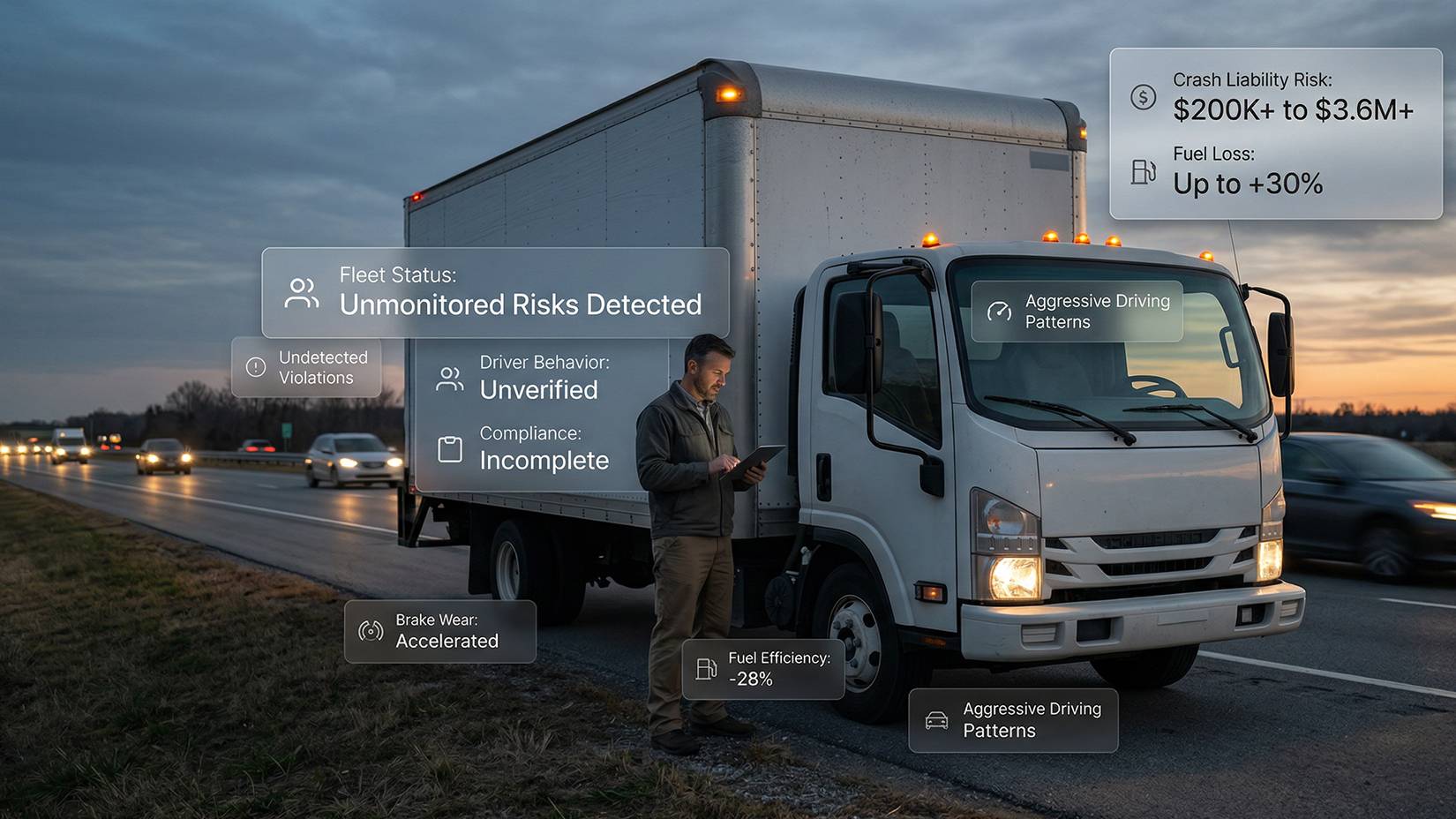
Picture this: it’s 3:00 pm on a rainy Tuesday, and your driver is behind the wheel of a loaded truck, racing to meet tight delivery deadlines. In an attempt to recover lost time, they accelerate aggressively, brake hard at every signal, and push beyond speed limits, even through restricted zones.
To operations teams, this may look like a driver trying to stay on schedule. To regulators and lawyers, however, it is a pattern of dangerous behavior that can quickly turn into a costly liability.
The real issue is visibility. Without a robust fleet management system, most businesses remain unaware of these risky behaviors until it is too late. What seems like a minor delay on the surface could already be a legal and financial risk in the making.
The Hidden Cost of Poor Fleet Management
Ignoring structured fleet management does not reduce costs, it simply delays them until they become unavoidable. One of the biggest risks is liability. According to the American Transportation Research Institute (ATRI), the average cost of a truck-involved crash with injuries exceeds $200,000, while fatal crashes can surpass $3.6 million.
Without a data-backed fleet management solution, companies struggle to prove that they actively monitored and corrected unsafe driving behavior. Thereby, leaving them exposed to severe penalties.
Operational costs also rise quietly. Aggressive driving significantly increases fuel consumption and accelerates wear and tear on vehicles. The U.S. Department of Energy estimates that erratic driving can increase fuel usage by up to 30%, while frequent harsh braking reduces brake life and increases maintenance cycles. Without AI powered fleet management, these inefficiencies remain hidden until they impact profitability.
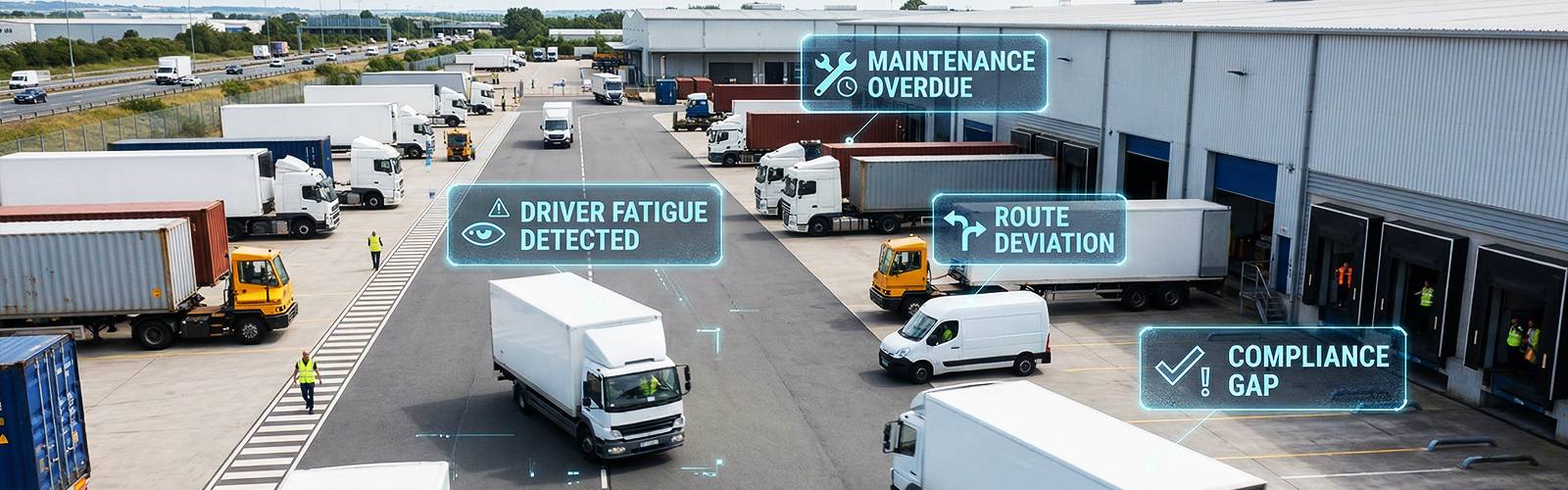
Compliance is another blind spot. Speeding, unauthorized zone entry, and restricted-hour driving often go unnoticed until fines arrive or insurance premiums spike. This reactive approach highlights the absence of efficient fleet management, where issues are addressed only after they escalate.
At the same time, the lack of visibility creates a culture with little accountability, where high-risk drivers operate unchecked while disciplined drivers receive no recognition.
Why Traditional Systems Feel Short
Traditional tools were built for visibility, not control. They show where vehicles are, but fail to capture how they are being driven in real time. As a result, risky behaviors like overspeeding, harsh braking, or frequent route deviations often go unnoticed until they lead to bigger issues.
Without deeper insights, businesses are left reacting to problems instead of preventing them. There is no clear way to track patterns, enforce safety rules, or hold drivers accountable consistently.
This lack of actionable data limits decision-making and increases exposure to risk. Modern systems address this gap by combining real-time tracking with behavioral insights, enabling timely intervention and better operational control.
Turning Driving Into Documented Compliance
A well-designed fleet management system ensures that every driving action is measurable and enforceable. Real-time overspeed monitoring allows businesses to set thresholds based on vehicle type, geography, or operational requirements, ensuring that violations are not only detected but also recorded. This creates a reliable dataset that can be used for compliance and performance tracking.
Advanced systems also detect aggressive driving patterns, such as harsh acceleration and braking, which often serve as early indicators of unsafe behavior. By leveraging AI powered fleet management, businesses can identify these patterns early and intervene before they lead to accidents or costly damage.
Geofencing further strengthens control by enabling time-based restrictions for specific zones. Whether it is a school zone or a restricted industrial area, the system can trigger instant alerts when violations occur, ensuring immediate action rather than delayed discovery.
Comprehensive reporting ties all these capabilities together. A centralized dashboard within a fleet management solution provides a clear overview of driver behavior, trip deviations, and compliance trends. Thus enabling informed decision-making and consistent enforcement.
The Business Impact of Efficient Fleet Management
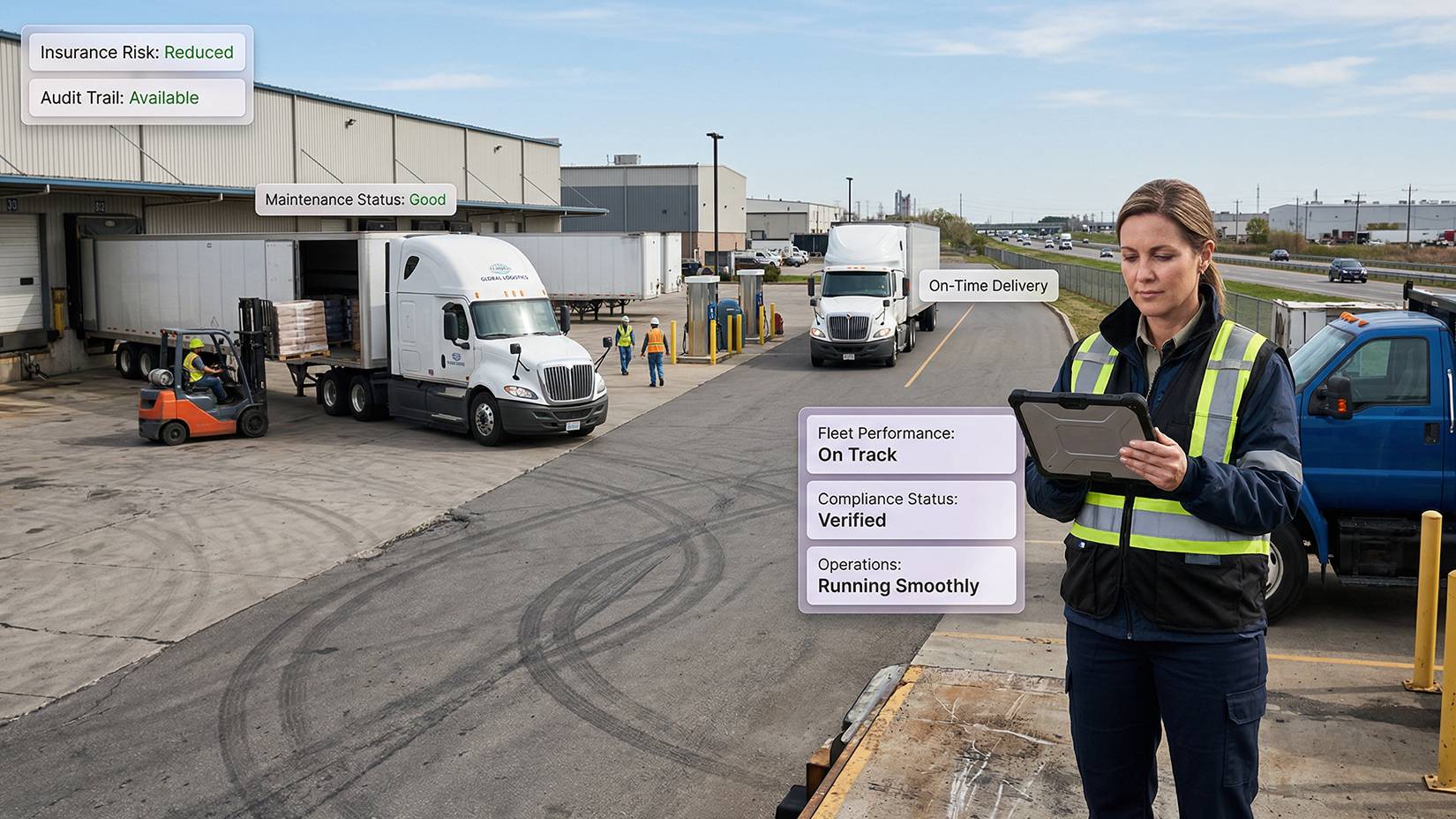
Implementing efficient fleet management delivers measurable benefits across operations. Insurance premiums can be reduced when businesses demonstrate proactive risk management supported by data. A structured fleet management system provides the documentation needed to negotiate better terms with insurers.
Vehicle longevity also improves as smoother driving reduces mechanical stress, leading to fewer repairs and lower maintenance costs. This directly enhances return on investment for fleet assets.
In the event of an incident, having a digital audit trail becomes critical. A reliable fleet management software records driver behavior, violations, and corrective actions, providing evidence that the company took necessary precautions. This can significantly strengthen legal defense and reduce liability.
Operationally, safer driving leads to fewer disruptions, fewer delays, and more consistent service delivery. This level of predictability is essential for maintaining service-level agreements and ensuring customer satisfaction.
The Strategic Role of AI in Fleet Management
As fleet operations grow in scale and complexity, manual monitoring becomes inefficient and error-prone. This is where AI adds real value. By continuously analyzing large volumes of trip and driver data, AI can identify patterns that are not visible through traditional methods. It detects anomalies such as sudden changes in driving behavior, repeated violations, or inefficient routes in real time.
More importantly, AI enables predictive decision-making. Instead of reacting to incidents, businesses can anticipate risks and take preventive action. This improves safety, reduces operational costs, and ensures more consistent performance across the fleet, making operations both scalable and resilient.
Conclusion: From Risk Exposure to Operational Control
Modern fleet management is not just an operational tool, it is a strategic necessity. Without it, businesses operate with limited visibility, increasing their exposure to financial, legal, and operational risks. With it, they gain the ability to monitor, control, and optimize every aspect of fleet performance.
A comprehensive fleet management solution transforms driver behavior into measurable data, enabling accountability, improving safety, and ensuring compliance. In an industry where a single incident can have significant consequences, investing in the right system is not optional, it is essential for long-term sustainability.
Take control of your fleet operations with LogiNext’s AI-powered fleet management software and turn everyday risks into predictable, manageable outcomes.
38

|

|

|




@LogiNext