




10 Tips To Streamline Delivery Operations With Delivery Tracking Software
In the fast-paced world of e-commerce and logistics, efficient delivery operations are the backbone of customer satisfaction. As businesses strive to meet the growing demands of consumers, the role of delivery tracking software has become increasingly crucial. In this blog post, we will delve into the significance of a delivery tracking system and provide ten invaluable tips to streamline your last mile delivery operations. Whether you’re a small business or a large enterprise, optimizing your delivery process is key to staying competitive and ensuring customer loyalty.
Key Takeaways
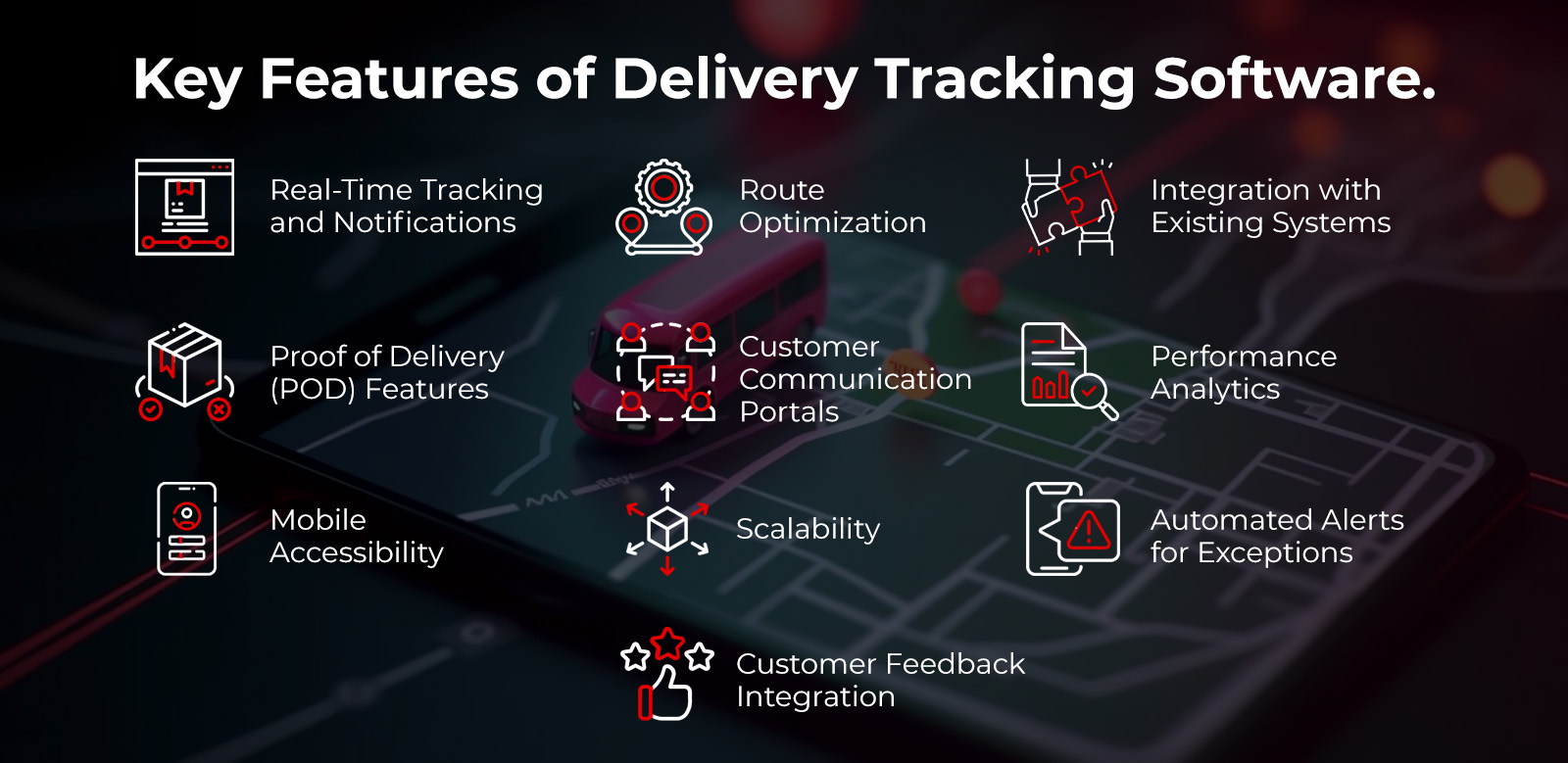
- Real-time tracking and automated notifications improve shipment visibility and keep customers informed.
- Route optimization helps reduce unnecessary travel, fuel consumption, and delivery delays.
- Digital proof of delivery creates a reliable record of completed deliveries and helps minimize disputes.
- Mobile accessibility gives drivers access to routes, delivery details, updates, and POD capabilities while on the road.
- Performance analytics and customer feedback provide actionable insights for continuously improving delivery operations.
- Scalability, compatibility, customization, usability, and total cost of ownership should be considered when selecting delivery tracking software.
- Automated exception alerts help operations teams identify and resolve delays, route deviations, and other disruptions faster.
Why Is Delivery Tracking Software Important?
Delivery tracking software has revolutionized the way businesses manage their logistics. Gone are the days of uncertainty and guesswork in the delivery process. With real-time tracking capabilities, businesses can provide customers with accurate and up-to-date information about the status and location of their orders. This transparency not only enhances the customer experience but also reduces inquiries and support tickets.
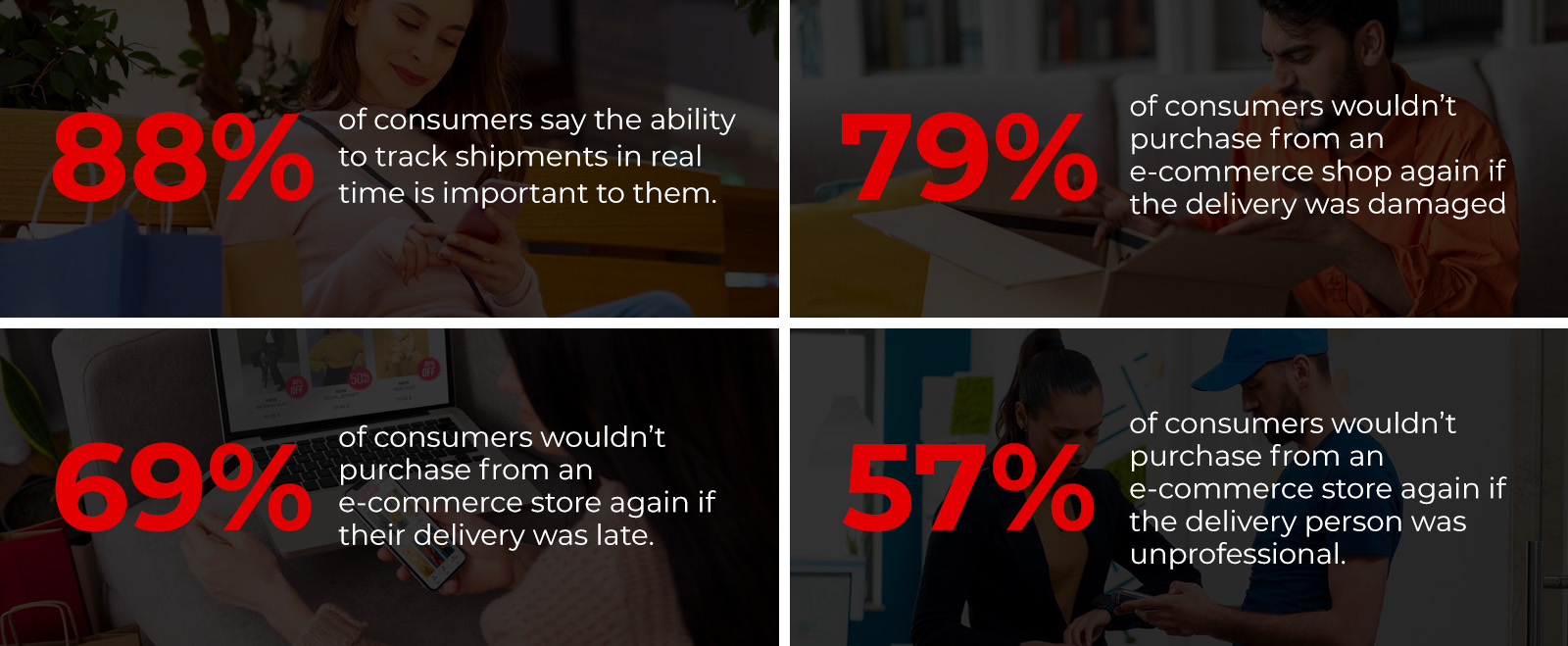
Moreover, delivery tracking software offers operational insights that enable businesses to identify bottlenecks, optimize routes, and improve overall efficiency. It empowers both businesses and customers with a sense of control and reliability, fostering trust and loyalty in the process. In a market where customer experience is a key differentiator, investing in delivery tracking software is a strategic move that can set your business apart from the competition.
How Can Delivery Tracking Software Streamline Delivery Operations?
Tip 1: Real-Time Tracking and Notifications
Ensure your delivery tracking software provides real-time tracking updates to both your team and customers. Instant notifications about shipment status changes keep everyone in the loop and help manage expectations.
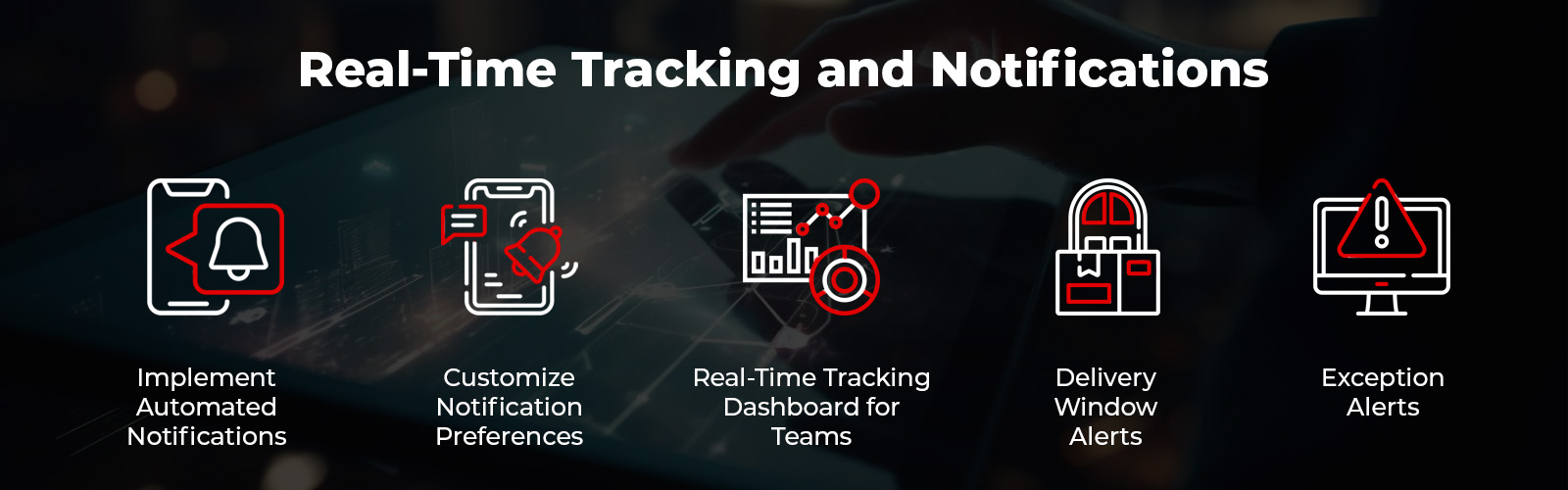
Implement Automated Notifications: Set up automated notifications for key shipment status changes, such as order confirmation, dispatch, en route, and delivery. This ensures that your customers and internal teams are promptly informed of any developments.
Customize Notification Preferences: Provide customization options for customers to choose their preferred notification channels—whether it’s SMS, email, or in-app notifications. This personalization enhances the customer experience by allowing them to receive updates in their preferred manner.
Real-Time Tracking Dashboard for Teams: Equip your internal teams with a real-time tracking dashboard that provides an overview of all ongoing deliveries. This centralized platform allows your team to monitor the status of multiple shipments simultaneously, facilitating quick decision-making.
Delivery Window Alerts: Implement alerts for customers and delivery teams when a delivery is approaching its designated time window. This helps manage expectations and allows customers to plan their day around the expected arrival of their orders.
Exception Alerts: Set up automated alerts for exceptions or delays in the delivery process. Whether it’s due to unforeseen circumstances, traffic, or other issues, immediate notifications empower your team to address challenges proactively and keep customers informed.
Key Insight: Real-time tracking and notifications create a sense of transparency and reliability for both your team and customers. This feature enables customers to plan for the arrival of their orders, reducing anxiety and minimizing the need for follow-up inquiries. For your team, it provides valuable information to manage resources efficiently, anticipate delays, and make real-time decisions.
Tip 2: Route Optimization in Delivery Tracking Software
Optimize delivery routes to minimize travel time and fuel costs. Look for delivery tracking software that offers intelligent route planning algorithms, taking into account traffic patterns, delivery windows, and order priority.
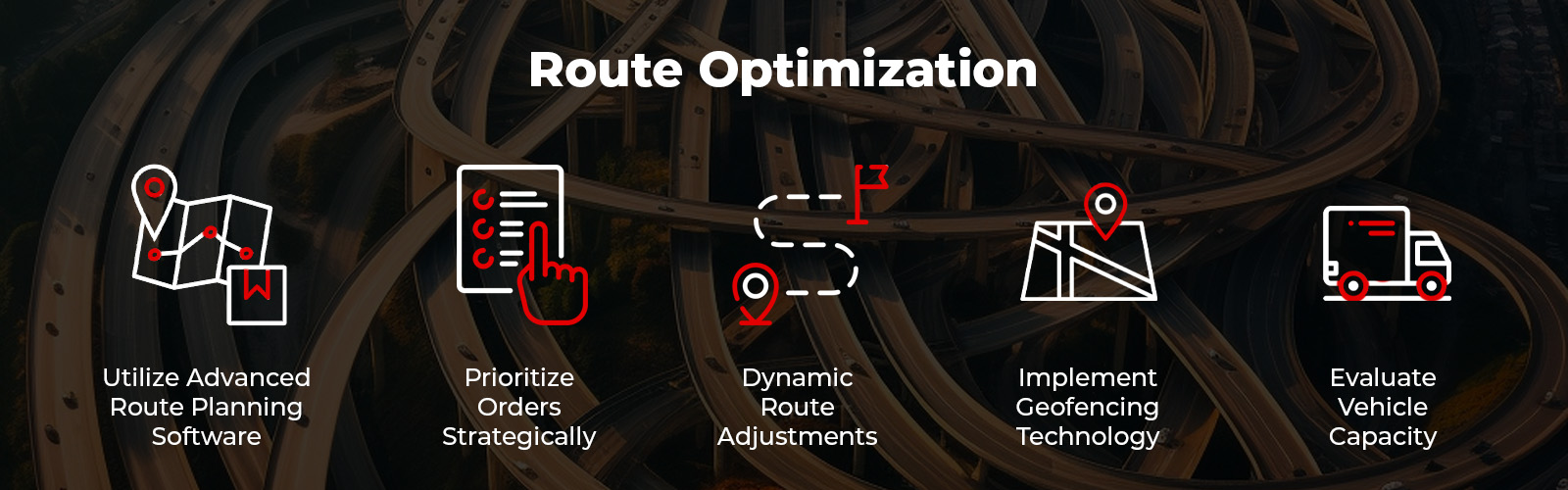
Utilize Advanced Route Planning Software: Invest in route planning software equipped with advanced algorithms that consider multiple variables, including real-time traffic data, historical traffic patterns, and delivery windows. Look for solutions that continuously update routes based on dynamic conditions.
Prioritize Orders Strategically: Implement a system that allows you to prioritize orders based on various factors such as delivery time windows, customer preferences, and product perishability. This ensures that critical or time-sensitive deliveries are given priority in route planning.
Dynamic Route Adjustments: Enable your delivery tracking software to make dynamic route adjustments in real-time. This includes rerouting deliveries based on unexpected road closures, accidents, or changes in customer availability. This flexibility is crucial for maintaining efficiency.
Implement Geofencing Technology: Incorporate geofencing technology to create virtual perimeters around specific locations, such as delivery destinations or warehouses. Geofencing can trigger automated actions, such as notifying customers of an imminent delivery or prompting drivers to check in upon arrival.
Evaluate Vehicle Capacity: Consider the capacity of each delivery vehicle when optimizing routes. Efficiently utilizing the available space in each vehicle helps reduce the number of trips and, consequently, lowers fuel costs.
Key Insight: Route optimization is more than just finding the shortest path. It involves considering various factors like traffic, delivery windows, and order priority. Efficient routes not only save time and fuel costs but also contribute to timely deliveries, enhancing customer satisfaction. The right software will continuously analyze and optimize routes, adapting to changing conditions for ongoing efficiency.
Tip 3: Integration with Existing Systems
Choose a delivery tracking solution that seamlessly integrates with your existing systems, such as inventory management and order processing. This integration streamlines operations by eliminating manual data entry and reducing errors.
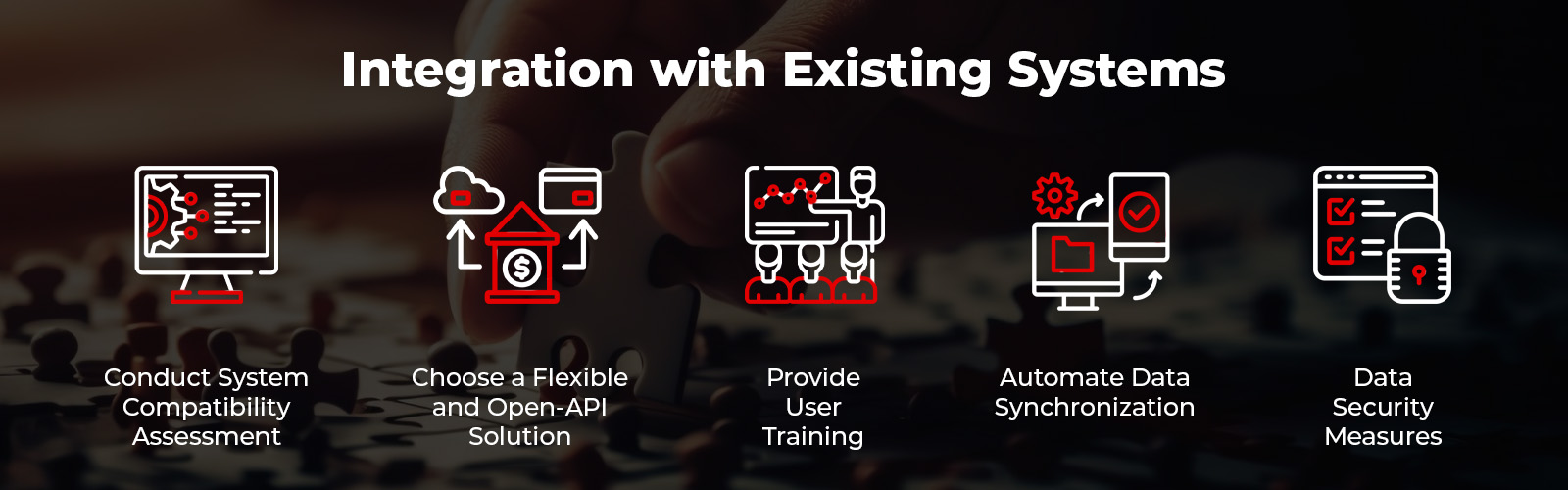
Conduct System Compatibility Assessment: Begin by conducting a thorough assessment of your existing systems, including inventory management, order processing, and other relevant software. Identify key data points and processes that should seamlessly integrate with the new delivery tracking solution.
Choose a Flexible and Open-API Solution: Select a delivery tracking software that offers a flexible and open API (Application Programming Interface). An open API facilitates smooth communication between different software systems, allowing for seamless data exchange and integration.
Provide User Training: Conduct training sessions for relevant staff to familiarize them with the integrated systems. Ensure that users understand how data flows between different platforms and how to leverage the integrated features to streamline their tasks.
Automate Data Synchronization: Implement automated data synchronization between the delivery tracking system and existing systems. Automation reduces the risk of manual errors, ensures real-time data updates, and enhances overall operational efficiency.
Data Security Measures: Implement robust data security measures to protect sensitive information shared between systems. Ensure that the integration complies with relevant data protection regulations and industry standards to maintain the integrity and confidentiality of your data.
Key Insight: Seamless integration with existing systems streamlines operations by eliminating manual data entry and reducing errors. This ensures that all parts of your business are on the same page, from order processing to inventory management. A well-integrated system facilitates a smoother workflow, reduces redundancy, and improves overall accuracy in your delivery processes.
Tip 4: Proof of Delivery (POD) Features
Implement digital proof of delivery features to enhance accountability and minimize disputes in delivery tracking software. Electronic signatures, photos, and timestamps provide concrete evidence of successful deliveries.
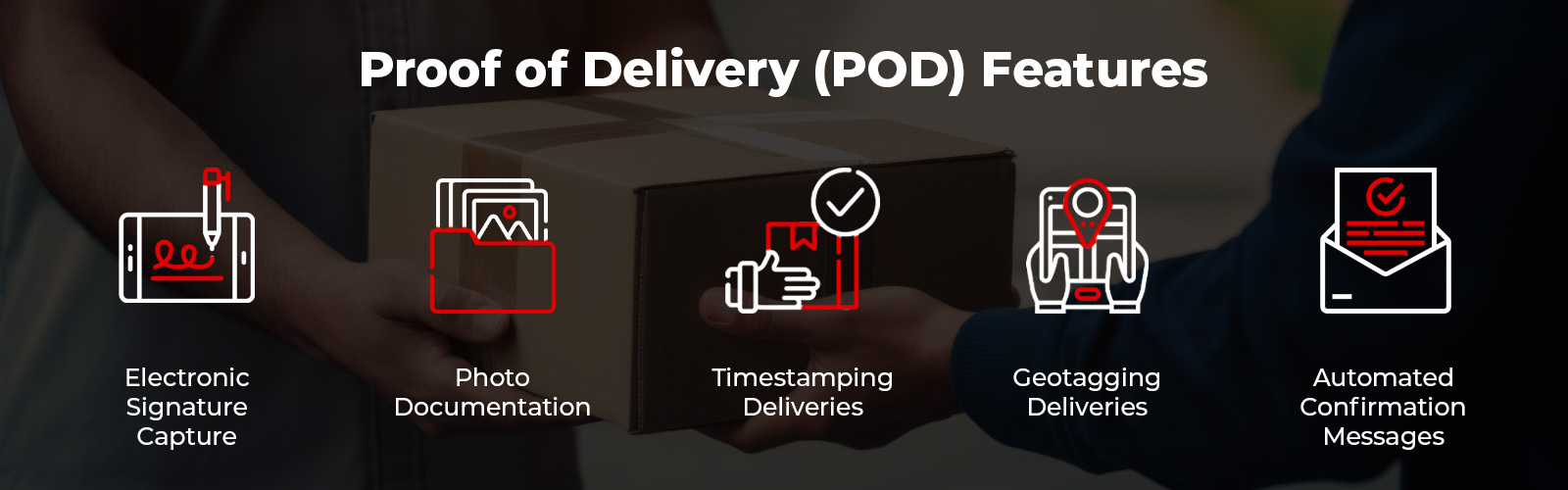
Electronic Signature Capture: Integrate a feature that allows delivery personnel to capture electronic signatures upon successful delivery. This electronic signature serves as a legally binding confirmation from the recipient, offering concrete proof of receipt.
Photo Documentation: Implement functionality that enables delivery teams to capture photos at key delivery points. This can include the delivered package at the doorstep, any specific delivery instructions followed, or the condition of the package upon delivery. Photos provide visual evidence in case of disputes.
Timestamping Deliveries: Ensure that each delivery is timestamped accurately. The system should automatically record the exact time the delivery was made, creating a chronological record. Timestamps add a layer of accountability, particularly in cases where delivery time is critical.
Geotagging Deliveries: Integrate geotagging capabilities to capture the geographical location of each delivery using delivery tracking software. Geotags provide irrefutable evidence of where the delivery occurred, adding an extra layer of verification and accountability.
Automated Confirmation Messages: Set up automated confirmation messages to be sent to customers upon successful delivery. These messages can include a summary of the delivered items, the timestamp, and a link to view the electronic proof of delivery. This keeps customers informed in real-time.
Key Insight: Digital proof of delivery features add a layer of accountability to your delivery process. By capturing electronic signatures, photos, and timestamps, you create an indisputable record of successful deliveries. This not only protects your business from false claims but also builds trust with customers, assuring them that their orders have reached the intended destination.
Tip 5: Customer Communication Portals
Offer customers a dedicated portal to track their orders and receive updates in delivery tracking software. This self-service option reduces the volume of customer inquiries and improves overall satisfaction.
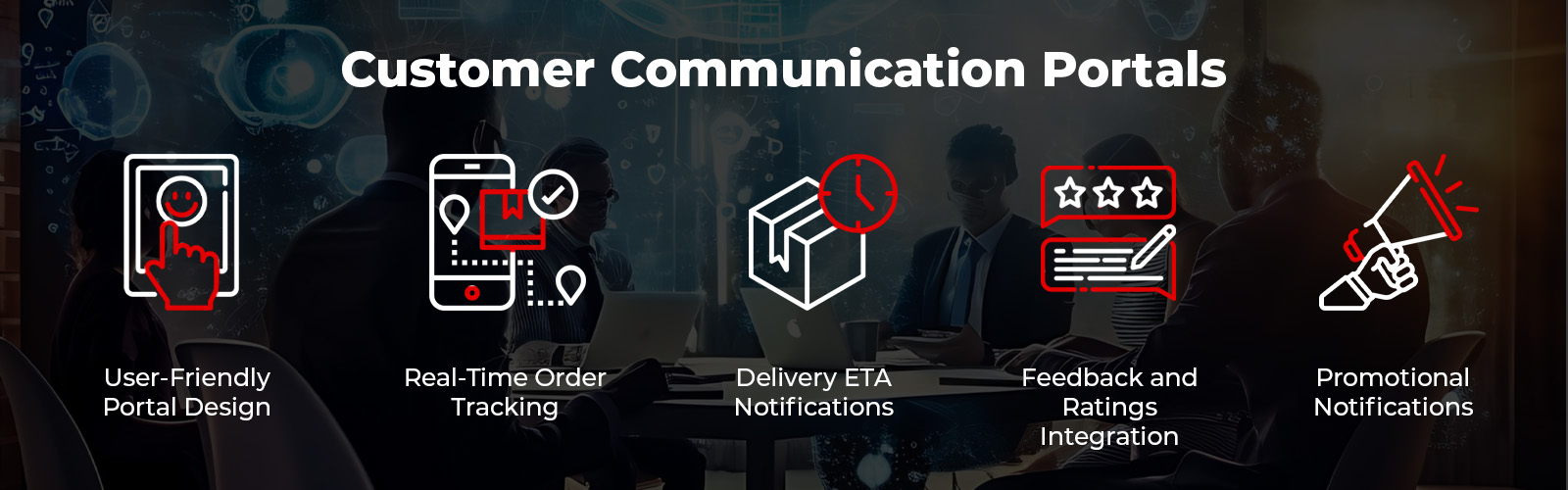
User-Friendly Portal Design: Design the customer communication portal to be intuitive and user-friendly. Ensure that customers can easily navigate through the portal to find the information they need without confusion.
Real-Time Order Tracking: Provide real-time order tracking capabilities within the portal. Customers should be able to view the current status and location of their orders, along with expected delivery times. Keep this information updated in real-time to enhance accuracy with delivery tracking software.
Delivery ETA Notifications: Set up automated notifications for estimated time of arrival (ETA). Inform customers when their delivery is expected, allowing them to plan their day accordingly. This feature reduces uncertainty and enhances the overall customer experience.
Feedback and Ratings Integration: Integrate a feedback and ratings feature within the portal. Encourage customers to provide feedback on their delivery experience directly through the platform. Use this information to make continuous improvements to your delivery processes.
Promotional Notifications: Utilize the portal to send targeted promotional notifications. Inform customers about special offers, discounts, or new product launches. This adds value to the portal as a communication channel and can contribute to increased customer engagement.
Key Insight: Providing customers with a dedicated portal to track their orders fosters a sense of control and satisfaction. Self-service options reduce the workload on your customer support team, allowing them to focus on more complex inquiries. Additionally, a user-friendly portal enhances the overall customer experience, contributing to positive reviews and repeat business.
Tip 6: Performance Analytics
Utilize the analytics features of your delivery tracking software to identify performance trends, track key metrics, and make data-driven decisions to optimize your delivery operations continually.
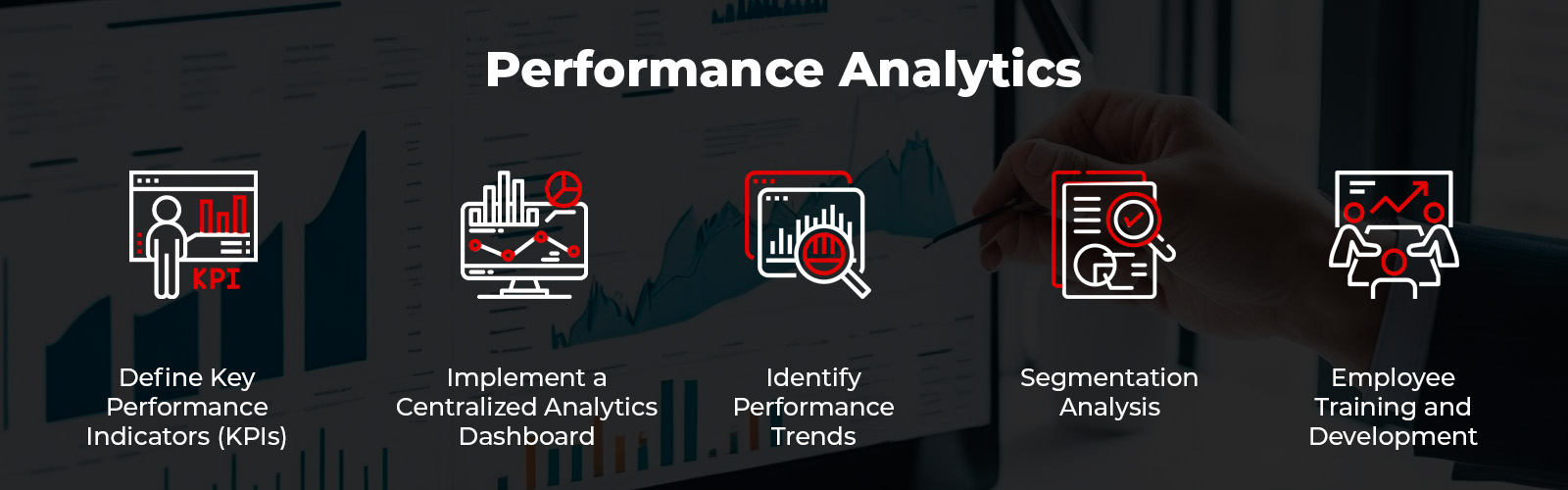
Define Key Performance Indicators (KPIs): Clearly define the key performance indicators (KPIs) that are most relevant to your delivery operations. This could include metrics such as on-time delivery rates, delivery times, order accuracy, and customer satisfaction scores.
Implement a Centralized Analytics Dashboard: Set up a centralized analytics dashboard that consolidates data from various sources, including your tracking software, order processing, and customer feedback systems. Ensure that the dashboard provides real-time insights into performance metrics.
Identify Performance Trends: Use the analytics tools to identify performance trends over time. Are there certain days or times when delivery efficiency is consistently higher or lower? Understanding trends allows for proactive decision-making to address challenges or capitalize on opportunities.
Segmentation Analysis: Conduct segmentation analysis to understand performance variations across different regions, delivery zones, or specific product categories. This granularity helps in tailoring strategies to address specific challenges unique to each segment.
Employee Training and Development: Leverage performance analytics to identify areas where employee training and development can have a positive impact. Whether it’s enhancing driver skills, optimizing warehouse processes, or improving customer service, tailor training programs based on data-driven insights.
Key Insight: Leveraging performance analytics helps you gain actionable insights into your delivery operations. By tracking key metrics, identifying trends, and analyzing performance data, you can make informed decisions to continuously optimize your processes. Performance analytics also provide a foundation for setting and achieving operational goals, ensuring your delivery operations are aligned with your business objectives.
Tip 7: Mobile Accessibility
Ensure that your delivery tracking software is accessible via mobile devices. This is particularly beneficial for drivers who need on-the-go access to route information, delivery details, and real-time updates.
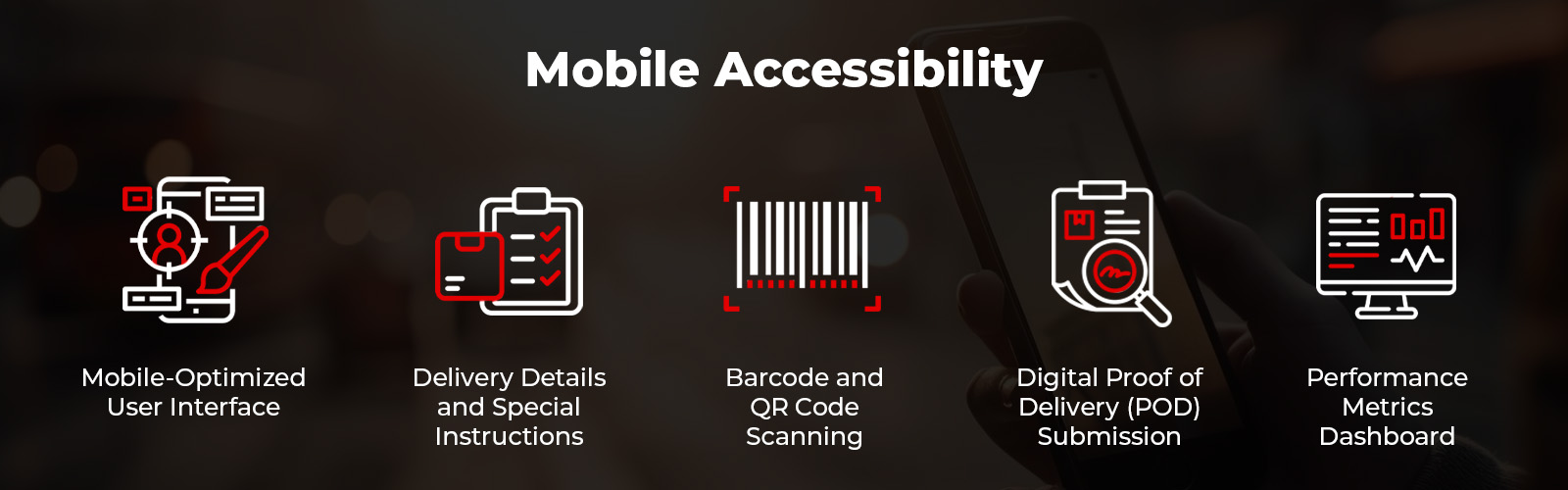
Mobile-Optimized User Interface: Develop a mobile-optimized user interface for the delivery tracking software. Ensure that the interface is intuitive, responsive, and easy to navigate on various mobile devices, providing an optimal experience for drivers on the go.
Delivery Details and Special Instructions: Ensure that all relevant delivery details and any special instructions are easily accessible on the mobile app. This includes information about the items being delivered, delivery windows, and specific customer preferences or notes.
Barcode and QR Code Scanning: Implement barcode and QR code scanning capabilities within the mobile app. This allows drivers to quickly and accurately scan package labels, reducing the risk of errors and streamlining the delivery verification process.
Digital Proof of Delivery (POD) Submission: Integrate a feature for digital proof of delivery submission directly through the mobile app. This includes capturing electronic signatures, taking photos, and recording timestamps to provide concrete evidence of successful deliveries.
Performance Metrics Dashboard: Develop a performance metrics dashboard accessible on the mobile app. This allows drivers to track their own performance, review key metrics, and receive feedback on areas for improvement, fostering a sense of accountability and continuous improvement.
Key Insight: Mobile accessibility is essential for on-the-go access to vital information. Delivery drivers can benefit significantly from having route information, delivery details, and real-time updates at their fingertips. This capability improves communication and decision-making in the field, contributing to more efficient and reliable deliveries.
Tip 8: Scalability
Choose a delivery tracking solution that can scale with your business. As your order volume increases, your delivery tracking software should have the capacity to handle the growing demands of your operations.

Cloud-Based Infrastructure: Opt for a cloud-based delivery tracking solution. Cloud infrastructure offers scalability by allowing you to easily adjust resources based on demand. This ensures that your software can accommodate increased order volumes without requiring major system overhauls.
Capacity Planning: Conduct a thorough capacity planning assessment to estimate your current and future needs. Identify potential growth scenarios and choose a delivery tracking software that aligns with the scalability requirements projected for your business.
Integration Compatibility: Ensure that the delivery tracking software integrates seamlessly with other systems and technologies. Scalability should not be limited to the tracking software alone; it should extend to the entire ecosystem of tools your business relies on.
Engage in Vendor Discussions: Engage in discussions with your software vendor about their commitment to scalability. Seek information on their track record with other businesses experiencing growth and inquire about their roadmap for handling increasing demands in the future.
Invest in Future-Proof Technology: Choose technologies and frameworks that are known for their ability to scale. Investing in future-proof technology ensures that your delivery tracking software can evolve with technological advancements without requiring frequent replacements.
Key Insight: Choosing a scalable solution ensures that your delivery tracking software can grow with your business. As order volumes increase, the software should have the capacity to handle the growing demands of your operations without sacrificing performance. Scalability future-proofs your investment, preventing the need for frequent software upgrades or replacements as your business expands.
Tip 9: Automated Alerts for Exceptions
Implement automated alerts for exceptions, such as delays, route deviations, or inventory shortages in your delivery tracking software. Proactive notifications empower your team to address issues promptly and maintain efficient operations.
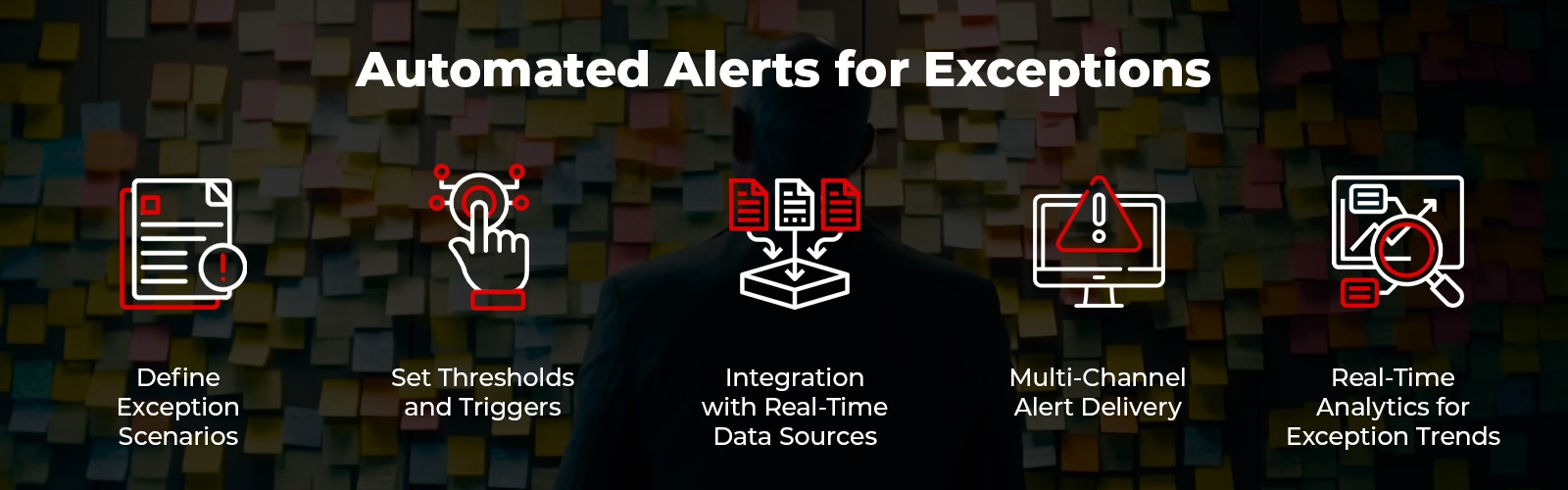
Define Exception Scenarios: Work closely with your operations team to identify and define specific exception scenarios that warrant automated alerts. These could include delays, route deviations, inventory shortages, adverse weather conditions, or any other events that may impact the delivery process.
Set Thresholds and Triggers: Establish clear thresholds and triggers for each identified exception scenario. Define the conditions that will trigger an alert, such as a specified percentage increase in delivery time, a deviation from the planned route, or a sudden inventory drop below a certain level.
Integration with Real-Time Data Sources: Ensure that your automated alert system is seamlessly integrated with real-time data sources. This integration allows the system to continuously monitor and analyze data, triggering alerts based on the most up-to-date information.
Multi-Channel Alert Delivery: Implement a multi-channel alert delivery system. Alerts should be sent through various channels, including email, SMS, and in-app notifications, to ensure that the relevant team members receive timely information regardless of their preferred communication method.
Real-Time Analytics for Exception Trends: Implement real-time analytics to track and analyze exception trends. Use this data to identify patterns, understand the root causes of recurring issues, and make informed decisions on process improvements or resource allocation.
Key Insight: Automated alerts for exceptions enable your team to proactively address issues that may disrupt the delivery process. Whether it’s a delay, route deviation, or inventory shortage, timely notifications empower your team to take corrective action swiftly. This proactive approach minimizes the impact of disruptions and helps maintain the overall efficiency of your delivery operations.
Tip 10: Customer Feedback Integration
Integrate customer feedback mechanisms into your delivery tracking software. Use this information to identify areas for improvement and enhance the overall customer experience.
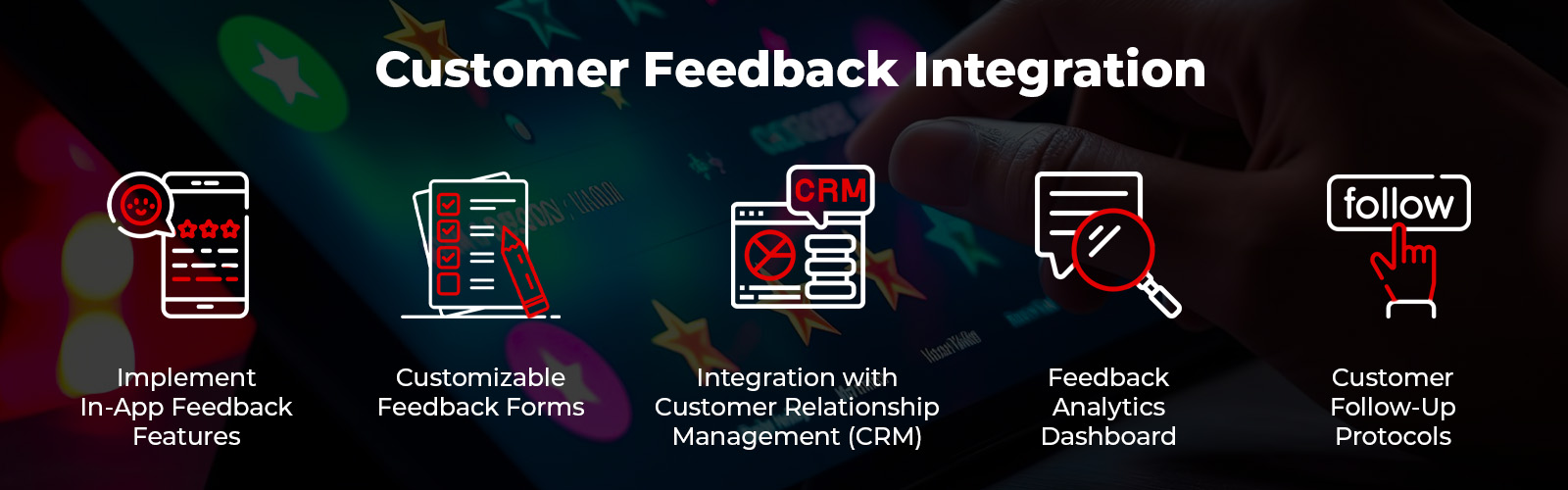
Implement In-App Feedback Features: Integrate in-app feedback features directly into your delivery tracking software. Allow customers to provide feedback on their delivery experience conveniently within the app, capturing their sentiments immediately after the delivery.
Customizable Feedback Forms: Design customizable feedback forms that align with specific aspects of the delivery process. Include questions about delivery punctuality, package condition, and overall satisfaction. Customize forms based on customer preferences and the type of feedback you want to collect.
Integration with Customer Relationship Management (CRM): Integrate the feedback system with your Customer Relationship Management (CRM) software. This integration ensures that customer feedback is linked to individual customer profiles, providing a holistic view of their interactions and allowing for personalized responses.
Feedback Analytics Dashboard: Create a feedback analytics dashboard that aggregates and visualizes customer feedback data. The dashboard should provide insights into overall satisfaction scores, common pain points, and areas where your delivery operations excel. Regularly review this dashboard for actionable insights.
Customer Follow-Up Protocols: Implement protocols for following up with customers who provide feedback, especially those who express dissatisfaction. Proactively reach out to understand their concerns, offer resolutions, and demonstrate a commitment to addressing issues raised during the feedback process.
Key Insight: Integrating customer feedback mechanisms into your delivery tracking software closes the feedback loop and provides valuable insights into the customer experience. Analyzing feedback allows you to identify areas for improvement and make data-driven decisions to enhance overall satisfaction. This continuous feedback loop is crucial for adapting to changing customer expectations and maintaining a customer-centric approach in your delivery operations.
Incorporating these insights into your strategy will not only streamline your delivery operations but also contribute to a positive and efficient customer experience. Remember, the success of your delivery tracking software implementation lies in its thoughtful integration into your overall logistics strategy and continuous optimization based on real-time data and customer feedback.
How to Choose the Right Delivery Tracking Software?
Selecting the right delivery tracking software is a critical decision that can significantly impact your business. Consider the following factors:
Compatibility: Ensure the software integrates seamlessly with your existing systems.
Scalability: Choose a solution that can grow with your business.
User-Friendly Interface: Opt for software that is easy to use for both your team and customers.
Customization: Look for a solution that can be tailored to meet your specific business needs.
Cost: Evaluate the total cost of ownership, including setup, licensing, and ongoing maintenance fees.
FAQs
How does delivery tracking software improve delivery operations?
It improves delivery operations by providing real-time visibility, optimizing routes, automating notifications, managing exceptions, and connecting delivery data with other business systems. These capabilities help teams respond faster and reduce manual work.
Can delivery tracking software integrate with existing systems?
Yes. Delivery tracking software can integrate with systems such as inventory management, order processing, CRM, and other logistics platforms. API-based integrations can enable automated data synchronization between systems.
What features should businesses look for in delivery tracking software?
Important features include real-time tracking, route optimization, automated alerts, digital proof of delivery, customer communication, analytics, mobile accessibility, system integrations, and scalability.
How should a business choose the right delivery tracking software?
Businesses should evaluate compatibility, scalability, usability, customization, integration capabilities, and total cost of ownership. The software should also support the company’s current delivery operations while being capable of handling future growth.
LogiNext- Your One-stop Delivery Tracking Software Solution
In the ever-evolving landscape of delivery operations, staying ahead requires strategic investments in technology. Delivery tracking software is not just a tool; it’s a catalyst for operational excellence and customer satisfaction. By implementing the ten tips outlined in this guide and carefully selecting the right software for your business, you can streamline your delivery operations, reduce costs, and create a positive and memorable experience for your customers. Embrace the power of technology to transform your delivery processes and position your business for sustained success in the competitive world of e-commerce and logistics.
“”
 |  |  |




@LogiNext