




How Data Analytics is Revolutionizing Logistics Management
Logistics management essentially is the art of moving something from point A to point B through the most optimal route. Logistics management in the current scenario requires a lot of co-ordination between different entities. You must consider the inventory analysis, capacity management, vehicle tracking, route optimization, driver tracking, delivery personnel management, etc.
Each such entity acts as a data source. A large volume of information flows through these data points, and teams must analyze and streamline it.
Every single person or process that interacts with the logistics system becomes a recorded data point. The system can convert these data inputs into insights that help teams plan future shipments more effectively. It can also integrate the latest updates from a delivery route into the next trip. As a result, the system learns something new from each trip and applies those learnings to improve future operations.
This dynamic nature of data analytics is the driving force behind planning and executing logistics management and its related practices.
Data Analytics as a Maverick Solution
The biggest challenge facing data analytics is lack of awareness when it comes to its possible applications. Data analytics can be used to revitalize the entire company and streamline each of its departments. As of now there is a limit to understanding that people have regarding data analytics. It is, sometimes, misunderstood and misrepresented.
At LogiNext we constantly try to educate our clients about the extent of usage of the analysis of structured data. We develop case-studies that chronicle the different applications which our clients achieved through our data analytics. Analytics would very helpful to a client who knows how to use them.
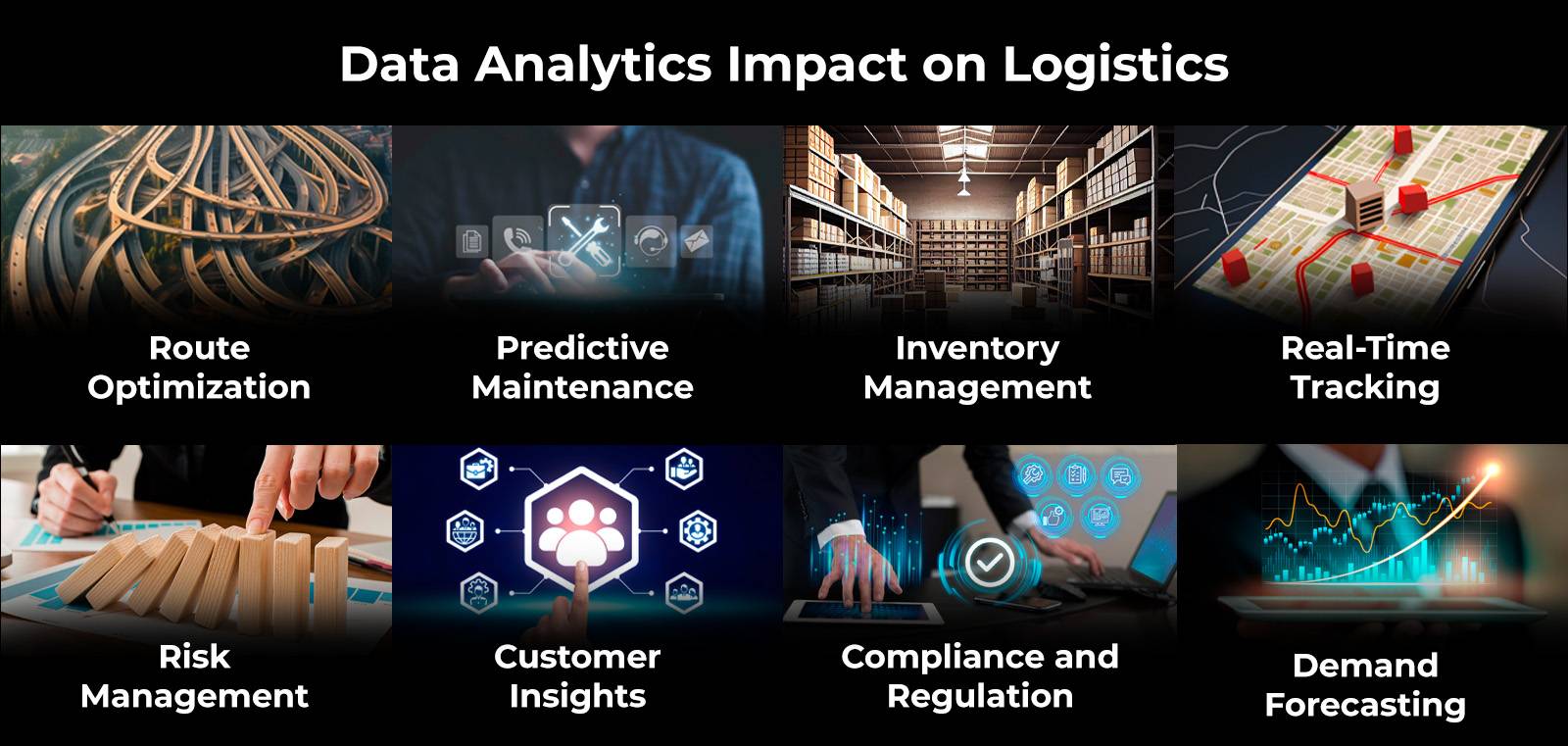
Logistics management is considered a cost point in different companies, which is fair. The only way to affect the profit through logistics management in a company is to cut costs. Here data analytics is essential to plan and streamline the operations.
When a company has insights on the use and viability of their essential resources they can better utilize the same. For example, resource allocation and capacity management within fleets can be optimized. With real-time analytics, delivery route optimization can save time and fuel costs.
Also Read: The Ultimate Guide To Logistics Management Software
Many cost-saving opportunities exist, and they vary across industries. Companies can leverage these points to boost their profits. Businesses can also use the supply chain as a tool to improve customer satisfaction. Real-time tracking allows customers to monitor the estimated time of arrival for their deliveries, which gives them greater confidence and peace of mind.
It would also bring about transparency in the supply chain, which would in turn help in building the trust factor in customers.
Structured vs Unstructured Data
It is believed that structured data is the keystone for all things relating to logistics management and optimization.
The reality is a little farther down the road from this. Most of the data that companies have, not just in a logistics management company, is unstructured data. If you even consider internal communication within any organization, data is stored in different formats and structure. Some data or information is in text form in an email communication, some data might be present as a video recording, and some other data might be in a HTML code.
Don’t miss: Best Logistics Management Software Solutions
Analytics becomes a challenge when you want to compare the viability of one form of data with the other. Data analytics for a Twitter post is very different from that of a YouTube video. We need to find a base of comparison for all these data inputs.
This base acts like a common denominator that normalizes different forms of information into a unified and seamless data stream. This unified data enables teams to make faster decisions. The system can perform this normalization and unification in real time, allowing clients or users to access strategic information from multiple sources in a single, consistent format.
Decision making can be streamlined with greater efficiency after such a normalization process.
Future of Logistics Management: 2024-25
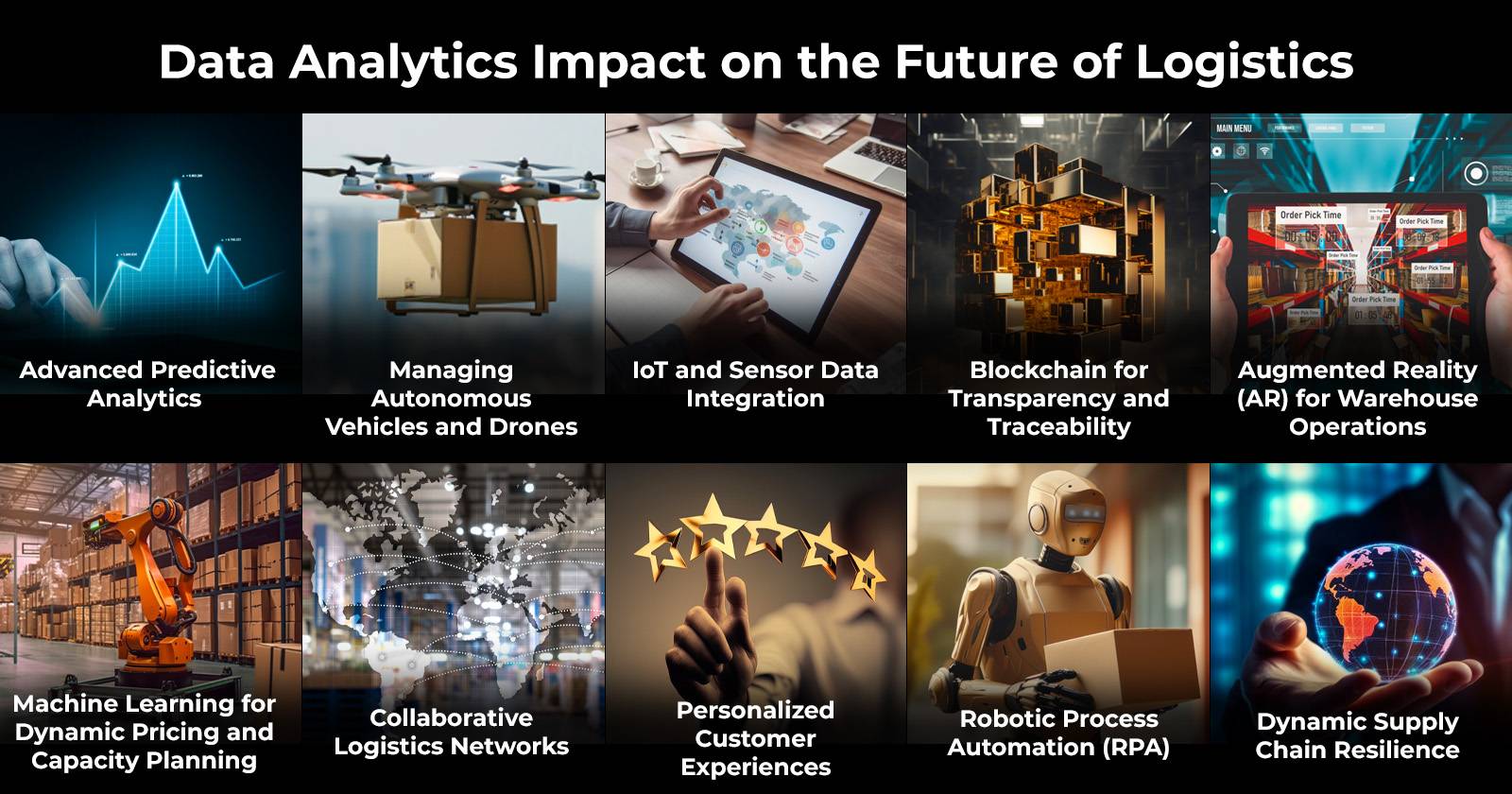
The trend that we are a part of now, and would turn out big by the year 2024-25, is predictive analysis. There would two major applications that would come forth from data analytics. We could chart costs from various overheads such as fuel, state specific taxes, utility costs over the next quarter or year. Based on this understanding we could plan for contingencies at the beginning itself.
Another application of such forecasting mechanism would be network management. We would be able analyze different possible hub points in our logistics network and utilize proper route-optimization techniques to figure the ideal location for a central logistics hub. With data analytics, all such things can be pre-planned.
And now with the integration of GST, logistics management and optimization has caught a second wind.
Another big trend is intuitive real-time tracking. This, again, is a current trend, but it is destined to grow exponentially soon. We already have different data insights that are available to the client. The next stage is to hasten the process of data assimilation and processing to make data analysis instantaneous.
The system would make this data available to the client exactly when they need it. This capability represents one of the major developments expected to shape the coming year.

|

|

|




Pingback: LogiNext-Blog | From Hyperloop to Robots! The Biggest Breakthroughs in Logistics and Field Service Management!
Pingback: LogiNext-Blog | Do You Think Heavy Traffic Blocks are the Only Reason for Delayed ETA’s? Think Again