




Winter Is Coming for Late Deliveries: Courier Software That Saves the Day
Late deliveries do not just dent customer sentiment. They erode margins, break SLAs, and quietly push brands out of consideration. Much like the famous Game of Thrones warning-Winter is coming-logistics teams know that peak seasons and disruptions are inevitable. The only question is, will your delivery operations be ready for the cold, hard reality? In an era where same-day and next-day delivery are table stakes, excuses do not survive very long. Winter peaks, unpredictable demand, traffic congestion, and labor shortages only make things worse. This is where Courier Software stops being a back-office tool and becomes a business-critical system.
Modern logistics leaders do not ask if they need courier software. They ask how fast they can deploy the right one.
Why Late Deliveries Are a Business Risk, Not an Ops Issue
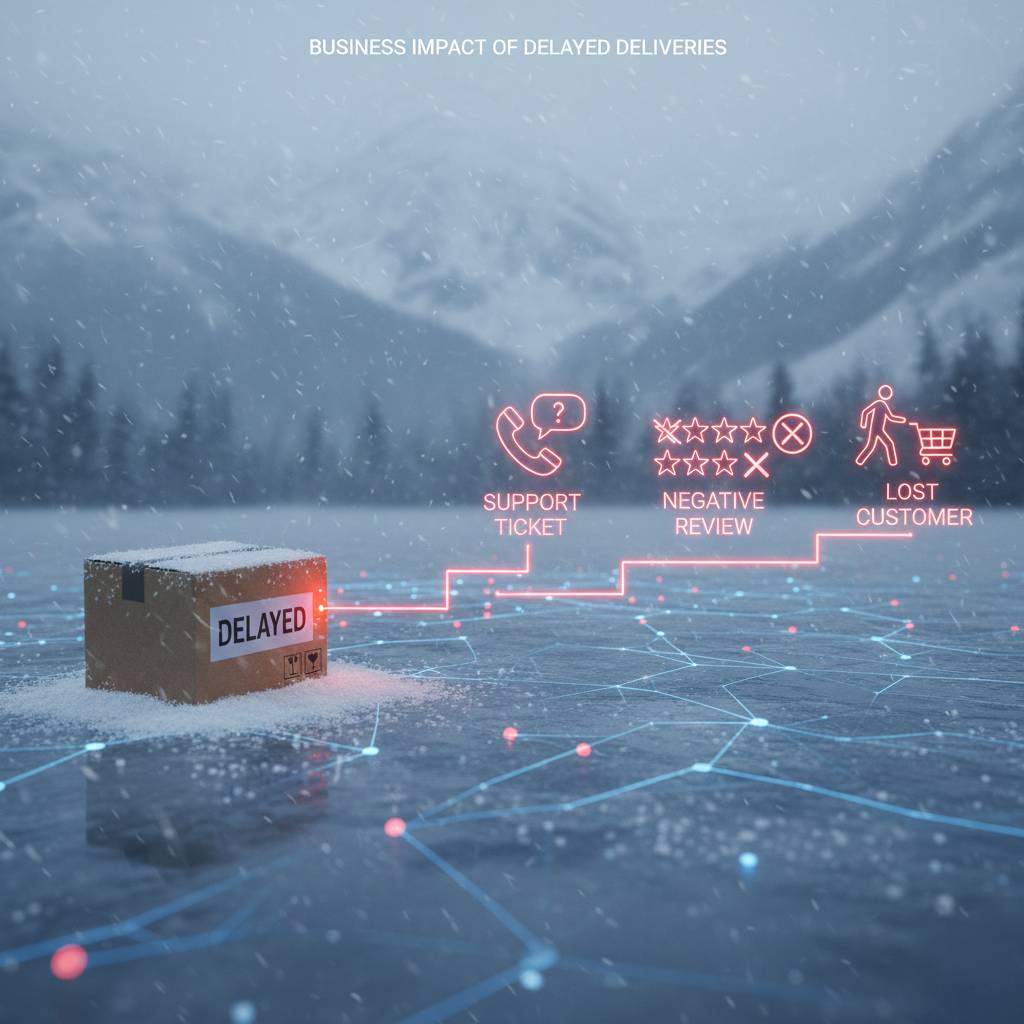
In Game of Thrones, kingdoms did not fall because winter arrived; they fell because leaders ignored the warning signs. The same happens in logistics-late deliveries.
According to industry studies, 62% of customers say delivery speed directly impacts brand loyalty. Another report shows that failed or late deliveries increase return rates by up to 30%, especially in retail and eCommerce. The cost is not limited to redelivery: customer support calls spike, reviews drop, and churn rises.
Manual dispatching, spreadsheet-based route planning, and disconnected carrier systems cannot keep up with the demand surges this winter. Overnight, courier networks become complex. This is precisely where courier delivery software earns its keep.
Courier software brings structure and predictability to an otherwise chaotic environment, with real-time decision-making.
What Makes Courier Software Mission-Critical in Winter
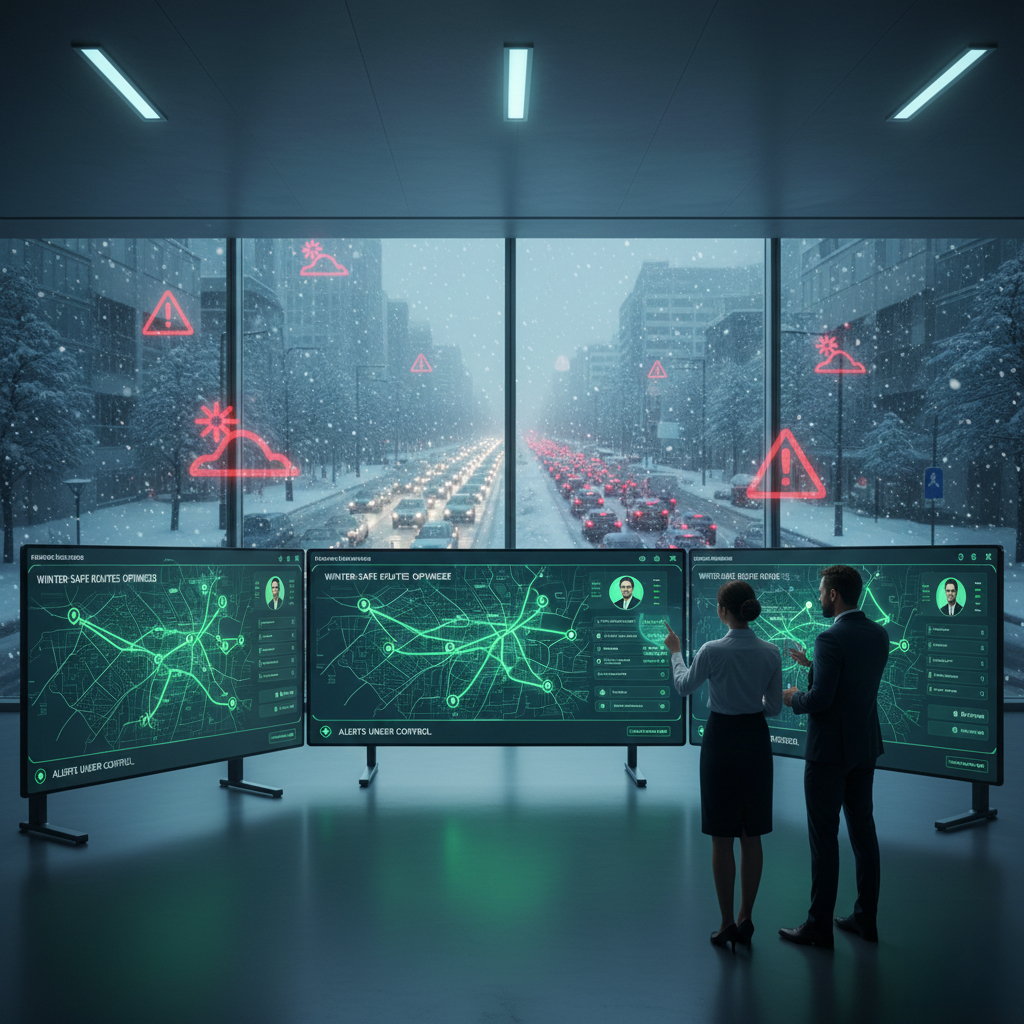
When winter hits, hope is not a strategy. Neither is relying on outdated systems. Just as the Night’s Watch survived by watching the wall relentlessly, logistics teams survive winter peaks by maintaining constant operational vigilance.
Modern Courier Software is that control tower, providing monitoring of each and every route, each delay, and any risk in real time. Without it, business are effectively operating blind while demand storms in.
Winter logistics is unforgiving: bad weather, holiday volumes, and scarce fleet availability create a perfect storm. Traditional tools fail because they react too late. Modern courier management software is built to predict, adapt, and optimize in motion.
Key capabilities include:
– Dynamic Route Optimization considering real-time traffic, weather, and service windows.
– Automate dispatching based on capacity, location, and SLA priority.
– Real-time tracking across owned fleets and third-party carriers
– Proactive alerts for delays before customers complain.
These capabilities become exponentially stronger when powered by AI. AI-powered courier software learns from historical data and improves the performance of delivery constantly.
From Dispatch Chaos to Controlled Execution
Manual dispatching during peak season is the logistics equivalent of fighting White Walkers with wooden swords. That might look brave, but it does not end well.
The biggest causes of late deliveries are poor dispatch planning. Human-led dispatch decisions simply cannot scale during peak periods; they are slow, biased, and very often reactive.
The software replaces guesswork with logic. It clusters, sequences, and assigns orders automatically in just a few seconds. The system continuously balances cost, distance, delivery promises, and driver availability.
This level of orchestration is impossible without automation. Companies with advanced courier delivery management software report an improvement in on-time delivery rates of up to 20% during peak seasons.
Visibility Is the Difference Between Control and Panic

It seems that in popular culture, chaos usually starts when the leadership loses sight of what happens outside their walls. The same holds for courier operations.
You cannot fix what you cannot see. Lack of visibility is the silent killer of courier operations.
With modern software, there is end-to-end visibility throughout the delivery life cycle. Every milestone from order creation to proof of delivery is tracked in real time. Operations teams know precisely where the delays are forming and why this is happening.
This visibility is not only internal. Customers now want to see live tracking, precise ETAs, and instant notifications for themselves. Brands using courier delivery software with customer communication features witness up to 35% fewer inquiries like “Where is my order?”
AI Powered Courier Software: From Reactive to Predictive

Traditional courier systems react to problems. AI-powered courier software prevents them.
AI models predict potential delays in advance by analyzing historic delivery data, traffic patterns, weather trends, and driver behavior. Routes are dynamic. Delivery promises are recalculated in real time.
That is a transformative shift from reactive firefighting to predictive control. Logistics teams stop chasing delays and start preventing them.
AI-powered courier software also improves resource utilization. Fleets run leaner. Fuel costs drop. Driver productivity increases without burnout.
Scaling Without Breaking During Peak Demand
Peak season pressure is not too different from a season finale cliffhanger: volumes surge overnight, expectations spike, and one weak link can unravel the entire operation.
Courier management software is designed to scale under pressure. Whether you are managing 500 or 50,000 deliveries a day, the system adapts. Onboard new carriers with speed, and reconfigure service zones without disrupting your business.
This flexibility is very important for retailers, 3PLs, and D2C brands operating across multiple cities or regions. Courier Software becomes the control tower that keeps everything moving-calm at the surface, decisive underneath.
Data-Driven Decisions That Actually Reduce Costs
Late deliveries are expensive. So, too, is inefficient routing, underutilized fleets, and failed first attempts. With courier delivery software, each delivery generates data; that data then converts into actionable insights. Operations teams can:
– Identify chronic delay zones.
– Optimize delivery slots according to success rates.
– Carrier performance, measured objectively.
– Reduce fuel and overtime costs.
Companies utilizing courier delivery management software can reduce logistics costs by 10–15% in the first year alone.
Choosing the Right Courier Software
Not all systems are built for modern logistics challenges. When selecting Courier Software, look beyond basic tracking. Prioritize those platforms where:
– Capabilities of end-to-end courier delivery management software.
– Native AI-powered software features.
– Integrating seamlessly with OMS, WMS, and ERP systems.
– Peak and off-peak demand scalability.
Any software is supposed to feel less like a tool and more like an extension of your operations team.
Final Word: Winter Does Not Forgive Weak Logistics
As Game of Thrones reminded its audience many times over, winter punishes the unprepared. Logistics is no different. Late deliveries are no longer tolerated. The customer remembers, the markets respond.
Winter may be coming, but chaos does not have to. Equipped with the right Courier Software, businesses gain control, visibility, and resilience when it matters most.
Courier delivery software, and AI-powered courier software are not trends; they are a new baseline. Those who invest in it now will deliver on time, while the rest will be explaining delays. So, don’t hold back, book a demo with LogiNext today. Click on the red button to know more.
30

|

|

|




@LogiNext