



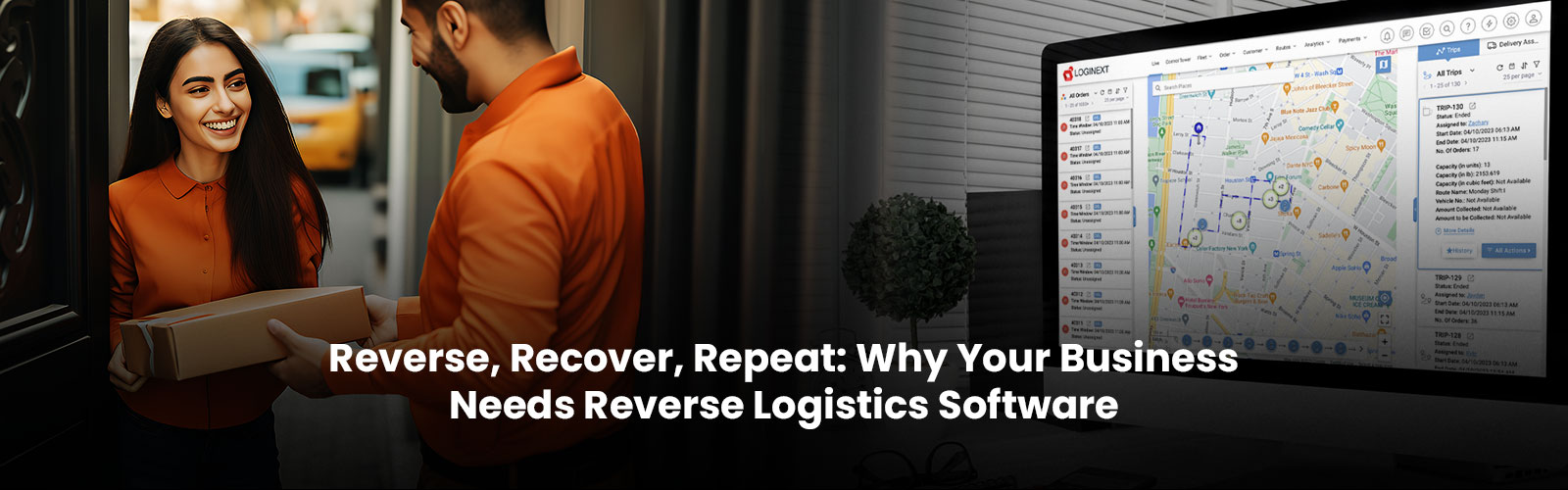
Reverse, Recover, Repeat: Why Your Business Needs Reverse Logistics Software
In today’s customer-centric and sustainability-driven world, logistics doesn’t end at the point of delivery. It loops back. Returns, repairs, recycling, and resale- these reverse operations are now critical components of any modern supply chain. The engine behind this shift? Reverse logistics software.
What is Reverse Logistics?
Reverse logistics refers to the process of moving goods from customers back to the seller or manufacturer. It includes product returns, refurbishment, recycling, and disposal. Unlike traditional logistics, reverse logistics focuses on value recovery and minimizing losses from returns.
With returns accounting for nearly 20% of eCommerce sales globally and even more in specific categories like apparel. Also, managing them manually can be chaotic, costly, and error-prone. This is where a reverse logistics solution becomes essential.
The Growing Importance of Reverse Logistics
Consumer expectations are evolving. They now demand not just fast deliveries but also convenient returns. At the same time, brands are under pressure to reduce waste and improve supply chain sustainability.
According to a report by Allied Market Research, the global reverse logistics market is expected to reach $954 billion by 2028, growing at a CAGR of 5.6%. This surge signals a wake-up call for companies to invest in digital reverse logistics systems.
What is Reverse Logistics Software?
Reverse logistics software is a digital platform designed to automate, optimize, and monitor the reverse flow of goods. From managing returns to processing refunds and enabling resale or recycling, it ensures that every step is seamless and cost-effective.
Key features of a robust reverse logistics system include:
– Automated return authorization
– Real-time tracking and visibility
– Integration with warehouse and transportation systems
– Analytics and reporting for return patterns
– Compliance with sustainability and waste management regulations
Why Your Business Needs Reverse Logistics Software
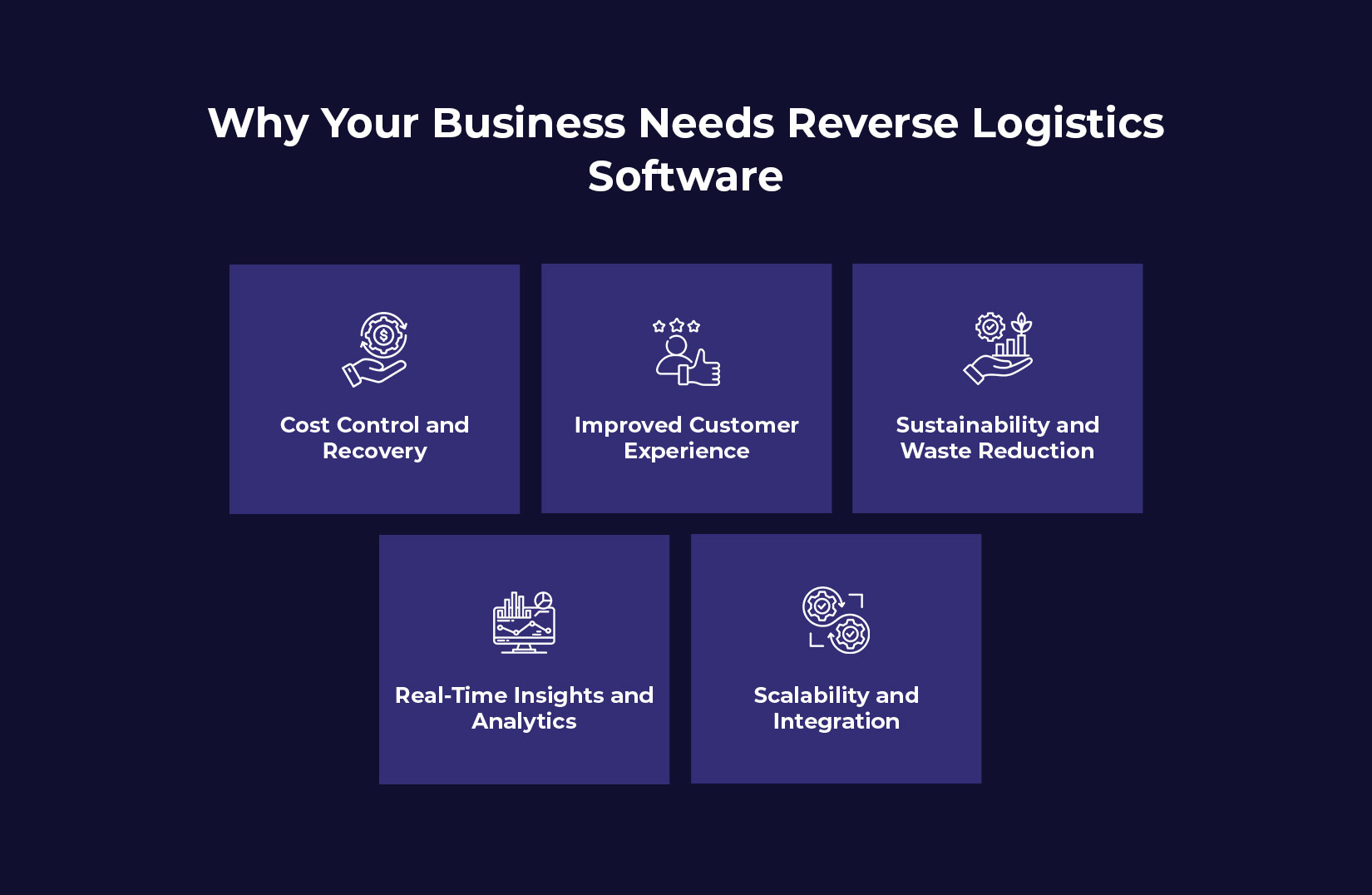
1. Cost Control and Recovery:
Unmanaged returns lead to hidden costs- storage, transportation, labor, and lost inventory value. A reverse logistics solution streamlines the return process. It also routes goods to the most economical destinations (repair centers, warehouses, or recyclers), and helps recover the maximum possible value. Businesses that implement reverse logistics software report up to 30% cost savings on return-related expenses.
2. Improved Customer Experience:
Reverse logistics isn’t just an operational need; it’s a customer service differentiator. Today’s shoppers expect easy returns and quick refunds. A reverse logistics system makes this possible with self-service portals, real-time return updates, and automated workflows that accelerate processing. 92% of consumers say they will buy again from a company if the return process is easy (Invesp).
3. Sustainability and Waste Reduction:
Companies are now judged not just on profits, but on purpose. A reverse logistics software allows businesses to manage eco-friendly disposal, refurbish returned goods, and track sustainability metrics.
Many brands use this capability to build circular supply chains- reselling returned items or recycling components. This helps in reducing landfill waste and improving brand reputation. Circular economy models could generate $4.5 trillion in economic benefits globally by 2030 (World Economic Forum).
4. Real-Time Insights and Analytics:
Manual reverse processes offer little visibility. With a digital reverse logistics system, managers can access real-time data on return reasons, locations, volumes, and cost impact. This insight allows businesses to adjust upstream processes like improving product quality or packaging to reduce returns.
5. Scalability and Integration:
Whether you’re handling a few dozen returns a week or thousands, reverse logistics software scales with your operations. It can be integrated with your warehouse management system (WMS), transportation management system (TMS), and ERP platforms for seamless end-to-end logistics.
Reverse Logistics in Action
Let’s take the example of a consumer electronics brand managing returns across multiple channels. Without a reverse logistics solution, return cycles were taking up to 15 days, resulting in low customer satisfaction and high storage costs.
After implementing a centralized reverse logistics system, they:
– Reduced return processing time by 50%
– Improved asset recovery by 35%
– Enabled real-time tracking of each returned product
– Decreased return-related customer complaints by 40%
The result? Happier customers, lower costs, and a greener supply chain.
Choosing the Right Reverse Logistics Software
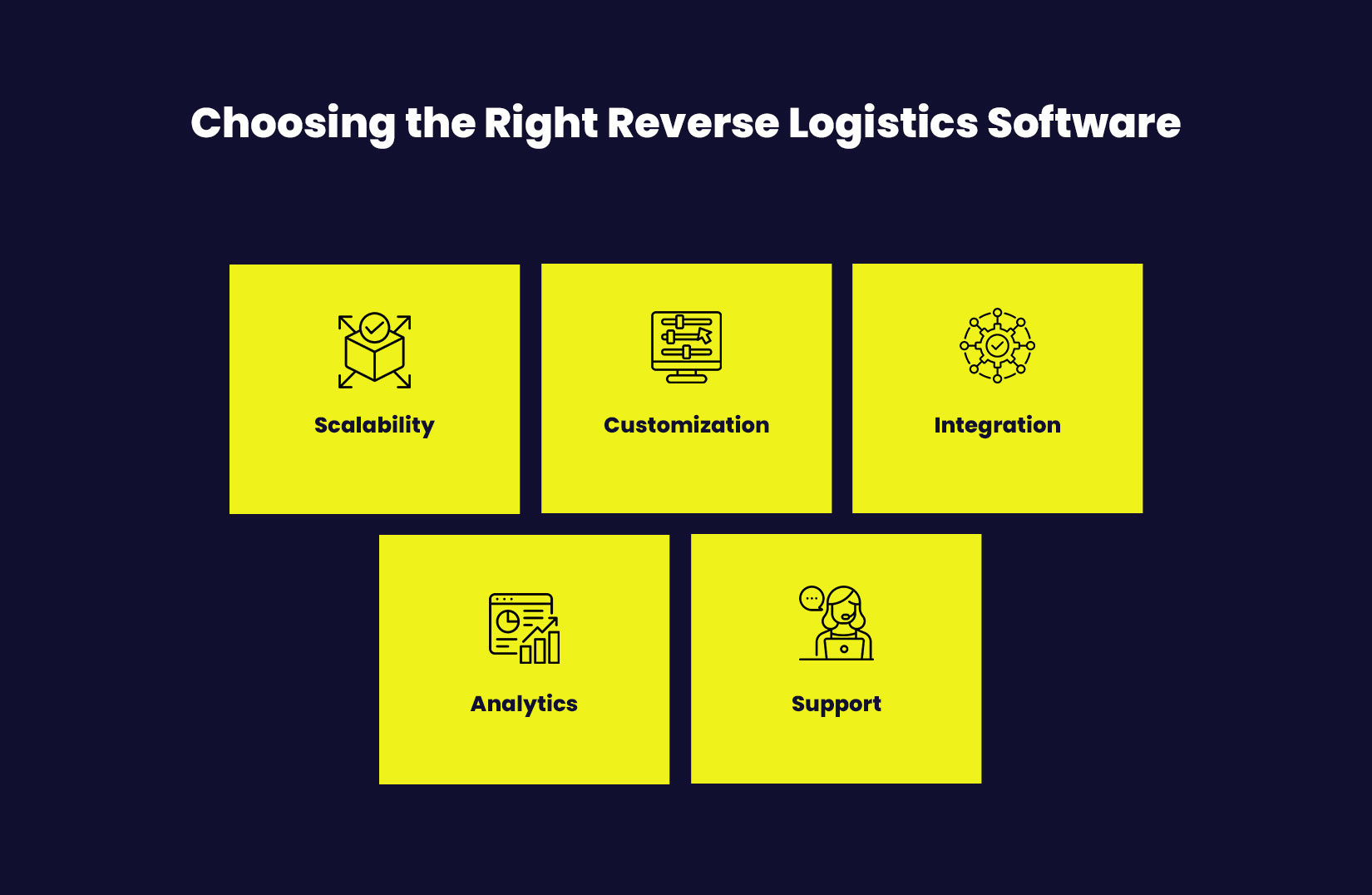
Not all solutions are created equal. When selecting a reverse logistics platform, look for:
1. Scalability:
Can it grow with your business? Your reverse logistics software should be able to handle increasing return volumes, new markets, and evolving business models without requiring a complete overhaul.
2. Customization:
Does it fit your unique return flows? Every business has distinct return processes. The solution should adapt to your workflows, be it repairs, refurbishments, or recycling—without forcing generic templates.
3. Integration:
Is it compatible with your current logistics tech stack? Seamless integration with existing WMS, TMS, and ERP systems ensures smooth data flow and avoids operational silos.
4. Analytics:
Can it provide detailed performance reports? Advanced reporting tools are essential to track KPIs like return rate, processing time, and recovery value.
5. Support:
Is there a team to help during setup and scaling? Reliable onboarding, training, and technical assistance ensure successful deployment and long-term usage.
Investing in the right reverse logistics software is not just about fixing what’s broken—it’s about creating a long-term advantage.
Conclusion
In the modern supply chain, forward thinking means looking backward—at your returns. A well-managed reverse logistics solution isn’t just a cost reducer; it’s a value driver. From reducing environmental impact to enhancing customer loyalty and improving margins, reverse logistics software is now essential.
If your business isn’t using a reverse logistics system yet, you’re not just missing returns, you’re missing opportunity. Reverse. Recover. Repeat. And let technology lead the way. Book a demo with LogiNext Solutions and get the best reverse logistics software today.
“”
 |  |  |




@LogiNext