




A Multifaceted Career Having Mastered Multiple Trades: Stuti Mehrotra’s Success Story
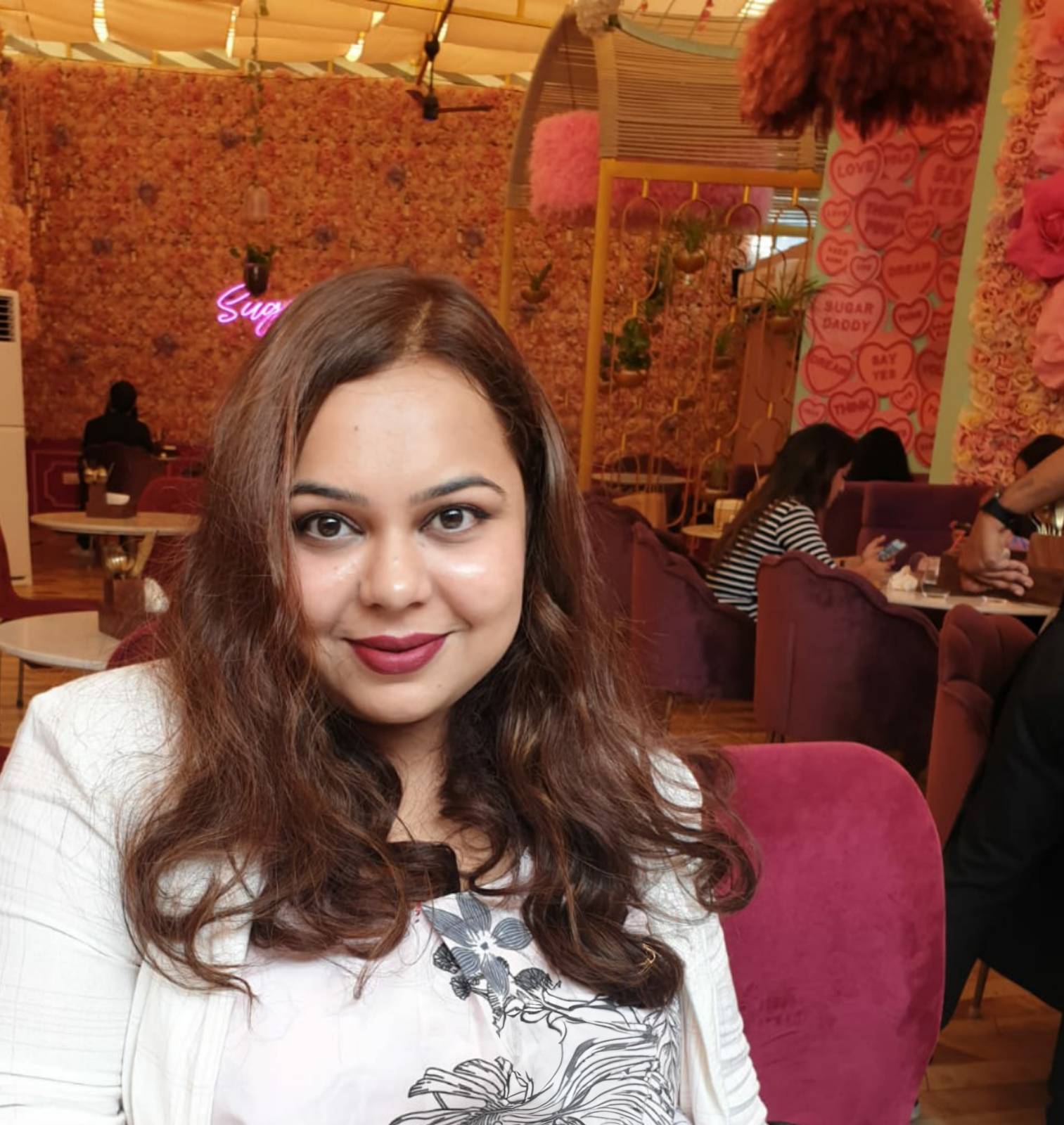
Welcome back to another episode of WeAreLogiNext. Today, we are excited to speak with Stuti Mehrotra (SM), Principal Technical Content Writer at LogiNext. Stuti Mehrotra’s journey has been a remarkable blend of diverse experiences. From her early days growing up in Moradabad, Uttar Pradesh, India, where her grandfather’s printing press sparked her passion for writing and editing, to her academic and professional adventures that led her to a flourishing career in technical writing. Beyond the tech world, she has ventured into acting, event management. And even as a radio show producer, showcasing her versatile talents and relentless pursuit of excellence.
Join us as she shares her inspiring story, and insights into her role at LogiNext, and offers invaluable advice for those aspiring to carve their unique paths in life.
LN: How has your journey at LogiNext shaped your growth, both as a professional and as a creative individual?
SM: Before joining LogiNext, I had primarily worked in product marketing. Stepping into the heart of a fast-moving product team was a culture shock. I still remember first hearing terms like sprint planning and UAT—all of it felt like a foreign language!
Over time, I moved from observing those conversations to driving them. I grew obsessed with what happens “under the hood”—not just what a feature does, but the “why” behind its existence and the nuances of the user experience. That naturally changed the way I approached content. I started thinking much more deeply about user journeys, onboarding experiences, support gaps, and discoverability. I embedded myself into the product-thinking and solutioning side of things—solving edge cases, analyzing user behavior, and using communication to simplify technical complexities.
Creatively, it never gets dull at LogiNext. One day I’m auditing API docs, the next I’m refining chatbot personality or planning a webinar. I also host weekly 2-hour company-wide product calls, and those have become a great experimentation space for me. This is where I explore different formats like deep-dive feature walkthroughs, storytelling-led sessions, and role playing real-world logistics scenarios.
My half-decade journey here has been a masterclass in holistic thinking. Today, I don’t just write about the product—I help architect the way our users experience and understand it at every touchpoint.
LN: Your role has evolved significantly over the years. What does your current scope look like as a Principal Technical Content Writer?
SM: It’s been one of those roles that quietly grew… and then suddenly didn’t feel so “quiet” anymore.
When I first joined LogiNext, I was the sole Technical Content Writer. Being a team of one gave me a front-row seat to every part of the engine. I defined writing standards, established conventions, and built the Help Center from the ground up. It was chaotic at times, but it taught me an important lesson: don’t wait for things to be “defined”—take ownership and figure them out.
Today, as Principal Technical Content Writer, my role is much broader. I’m still hands-on, but my focus has shifted toward strategic direction, mentorship, and product communication. I now lead a team of writers and work closely with Design, Engineering, and Marketing, connecting dots across teams and functions.
That evolution has brought new challenges, especially with AI. Our chatbot, Milo, answers questions based on what we’ve written. Which means we’re no longer writing only for humans—we’re also writing for how AI interprets and responds. A lot of my work now involves diving deep into product logic and refining content to account for real-world edge cases.
I’ve also started viewing feature launches—and even entirely new products—as cohesive stories. I’ve had the opportunity to watch products take shape from the ground up. Where content isn’t an add-on but a core part of the user experience. Every format demands its own language. The sharp precision of UI microcopy is completely different from the narrative depth of a feature article. My goal is to make sure the experience feels seamless across all of them.
At this point, I don’t think of my role as just “writing.” It’s about translating complexity into clarity across formats, platforms, and even between humans and machines.
LN: Having explored multiple creative paths, from acting and event management to writing, how do these experiences influence the way you approach your work today?
SM: I’ve always been drawn to different worlds. At one point, I was preparing for medical entrances in Kota; eventually, I landed in Biomedical Engineering at VIT University, Vellore, and later started my career in technical writing and product marketing at Zoho. I have explored spaces like event management, radio production, and even earned a diploma in acting from the Barry John Acting Studio, while working with organizations like UNICEF and CINTAA.
On paper, these paths seem unrelated, but they all share a consistent thread: a deep curiosity about how things work—whether that’s a system, a story, or a person.
I think that’s why technical writing stayed with me. It wasn’t just about the documentation; it was about the logic. I enjoyed taking a deep dive into a product and then translating that complexity into something intuitive. My creative background is actually my “secret sauce” in a tech environment. It makes me a well-rounded professional, helps me stay relevant with pop culture, and makes it easy for me to adopt new things.
Acting taught me radical empathy—the ability to step into a user’s shoes and feel their frustration or their “aha!” moment. Event management taught me structure and engagement—how to keep an audience focused. Even staying current with pop culture helps me keep our communication fresh and relatable.
I’ve always resonated with the famous adage: “A jack of all trades is a master of none, but oftentimes better than a master of one.” I thrive on that mindset. I don’t want to be confined by a narrow label. Being a “jack of all trades” makes me more adaptable and a better problem solver. It allows me to look at a workflow not just as an engineer would, but as a storyteller and a user would.
LN: What have been some of the most exciting challenges or defining milestones in your journey at LogiNext recently?
SM: The past few months have been primarily focused on reimagining how our users interact with our knowledge ecosystem. We took on the massive task of redesigning and restructuring both the Help Center and the Developer Portal. This wasn’t just a visual facelift; it was a deep structural overhaul. I was at the center of the taxonomy and navigation decisions—defining how tags, roles, and search functionality work together to make the product intuitive and scalable.
One of the most rewarding projects was building out our Certification Program. This required a very high level of “persona-based” thinking. I designed specific question sets for different user levels and then mapped out a full lifecycle communication strategy. This meant crafting a consistent story across every possible touchpoint—WhatsApp, email, SMS, push notifications, and even in-product tickers. Ensuring a user felt guided, rather than overwhelmed, across all those channels was a huge creative and logical puzzle.
Then, of course, there was the evolution of Milo, our AI chatbot. My role was to move beyond documentation and into “Intelligence Design.” I crafted the UI content, developed the tone options, and shared the logic for answering specific kinds of questions. I also conducted the UATs for both the frontend and backend to ensure the quality was airtight before we went live.
The challenges? They were as big as the projects. Working on these projects while managing complex dependencies across Design, Engineering, and Product Management required constant context-sharing. It was a balancing act—navigating these massive structural shifts while staying “release-ready” for our regular cycles, newsletters, and weekly product calls. But seeing all those moving parts come together into a seamless experience is exactly why I love what I do. It’s about translating a complex technical engine into a clear, human-centric journey.
LN: Looking back, what are some of your most memorable moments at LogiNext so far?
SM: I think the most memorable moments are usually the ones where you see the direct impact of what you’ve built.
It could be something as simple as a client-facing webinar going flawlessly, or hearing that a client felt fully empowered to explore the product because the documentation was so intuitive. I also find immense pride in the evolution of our internal product calls—watching them grow into a space where the whole team is genuinely engaged with the product logic is a huge win for me.
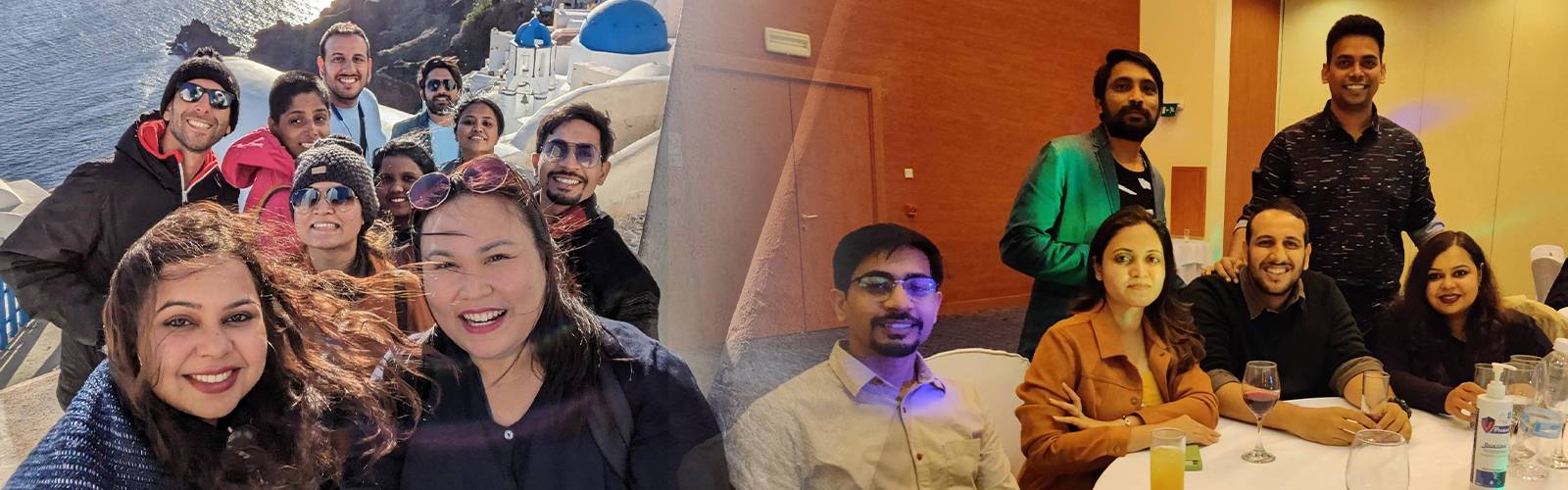
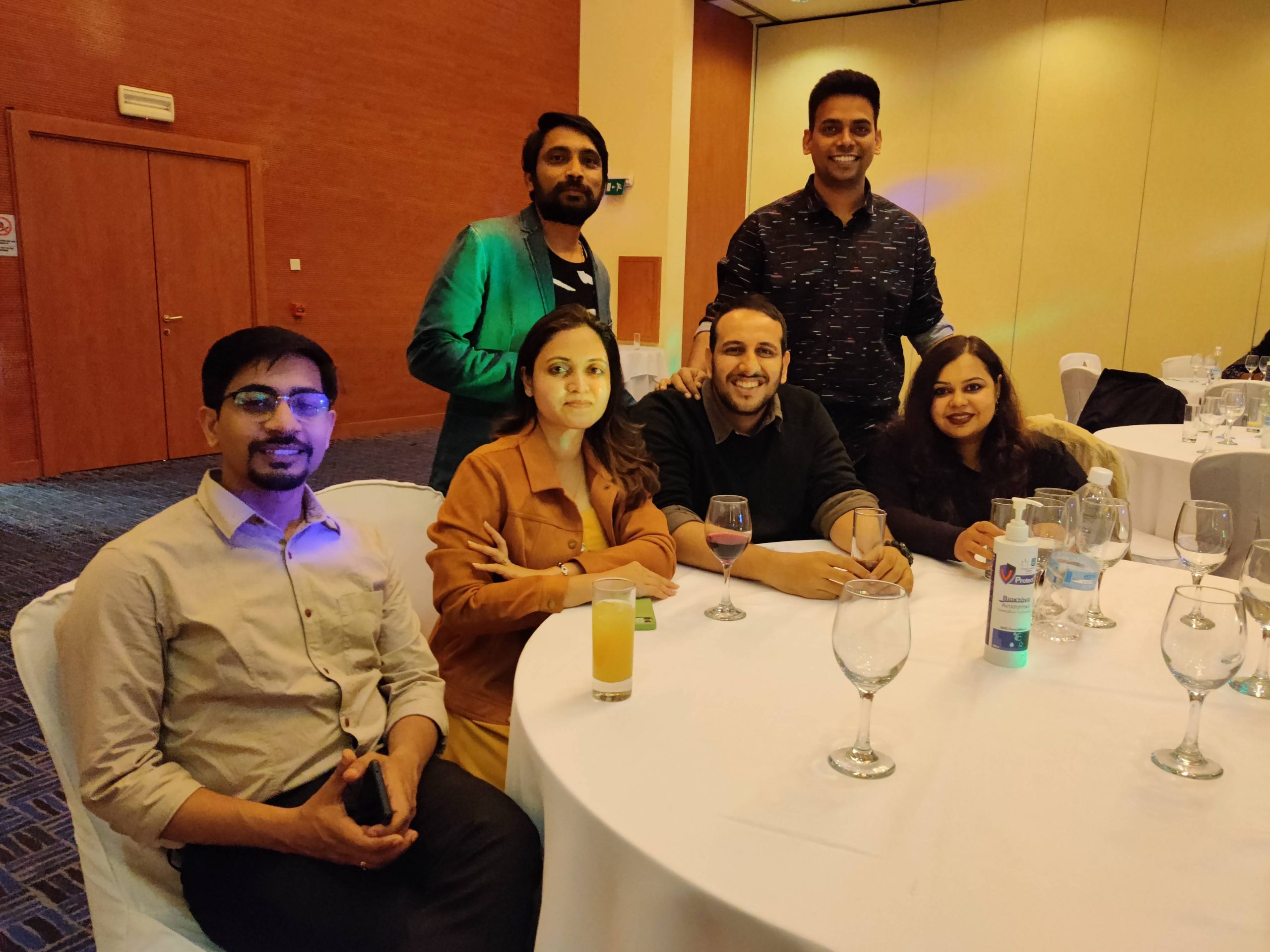
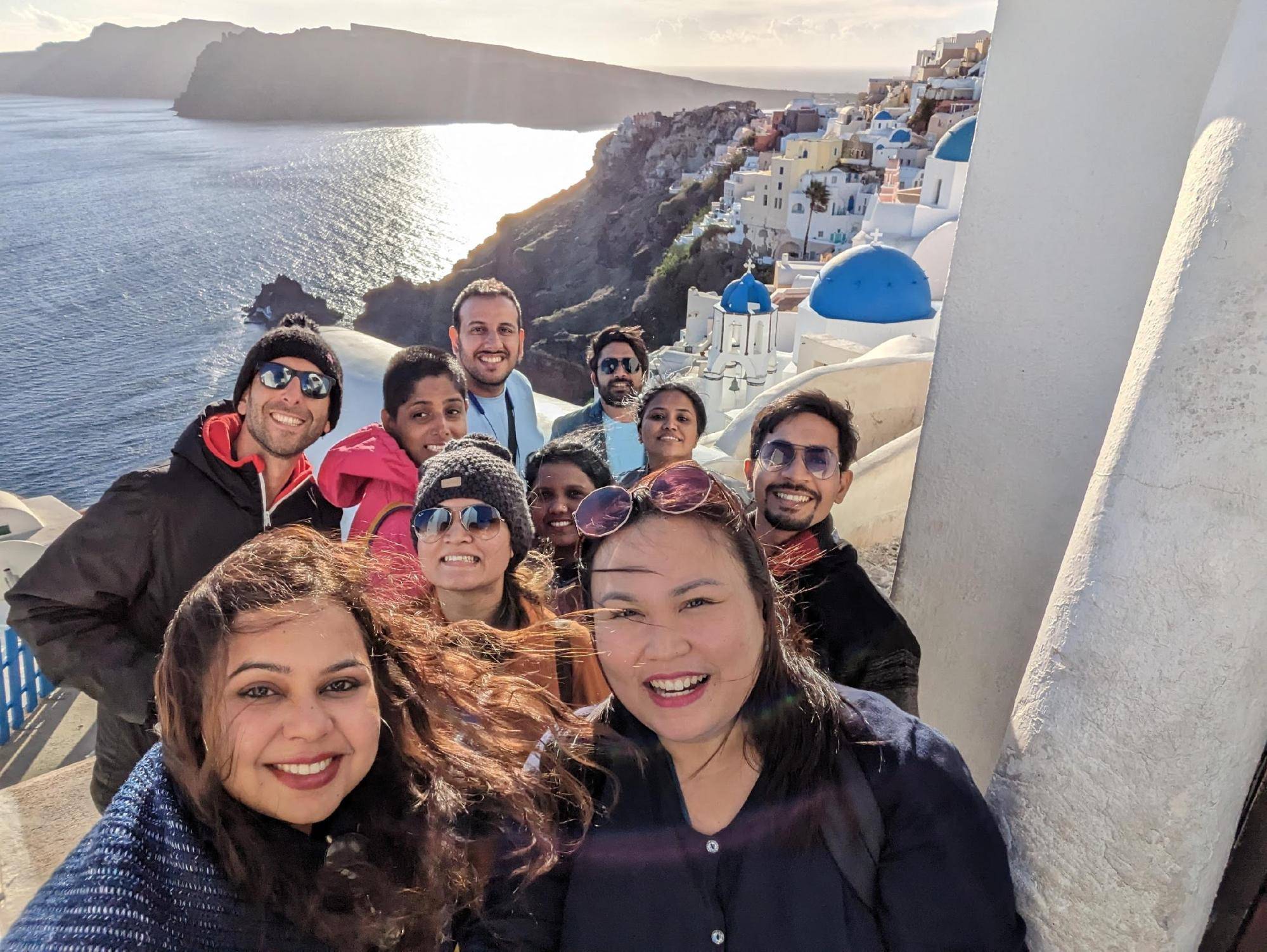
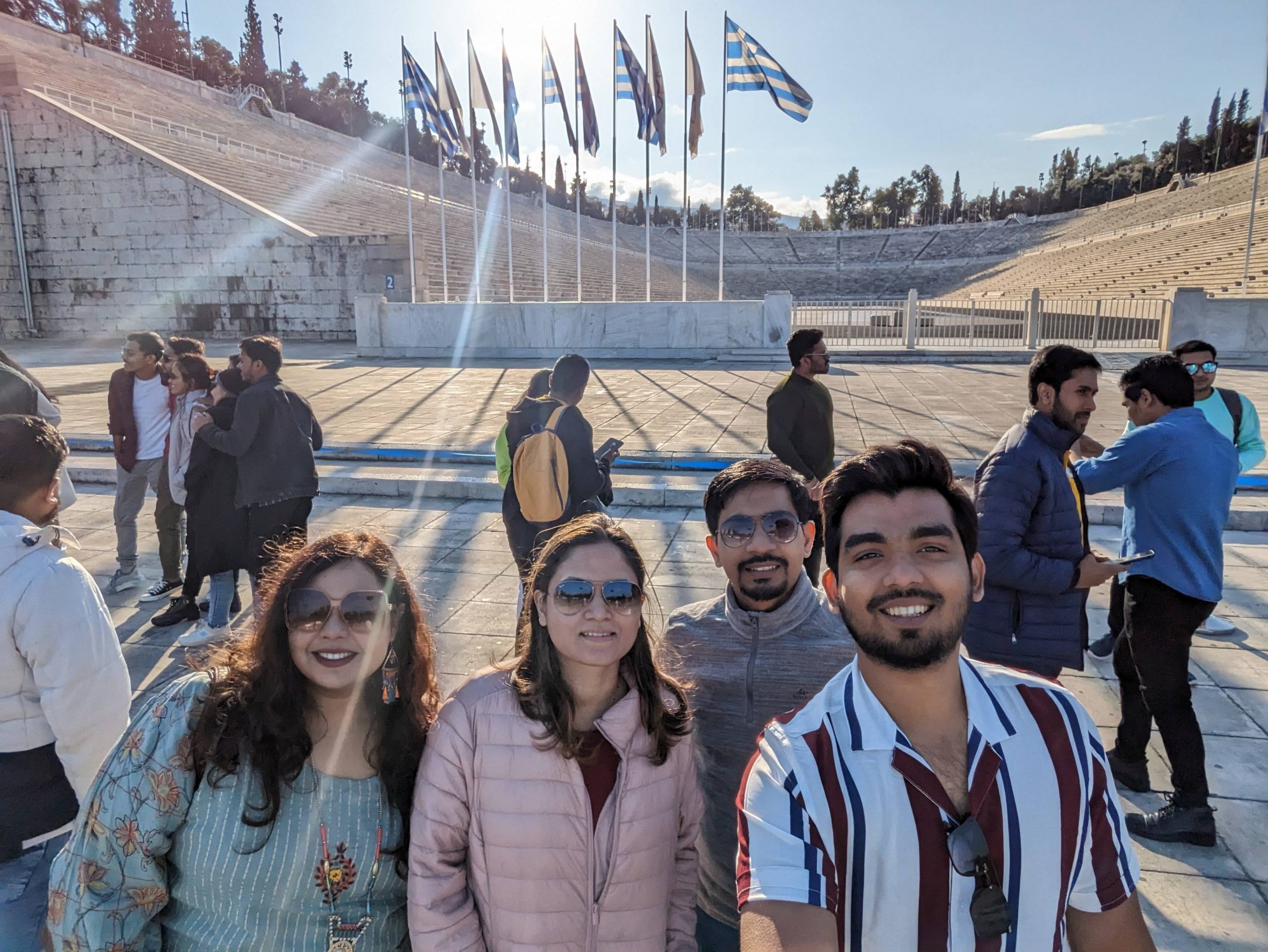
Beyond the daily milestones, the company culture has provided some incredible memories. Our trips to the Maldives, Greece, and Bali are definitely standout highlights! But on the professional side, a favorite memory is organizing the “Content Heist” event. I divided the entire company into teams and tasked them with writing articles. It was a high-energy, creative way to bridge the gap between departments, and it was deeply gratifying to see everyone appreciate the craft and dedication that goes into high-quality technical communication.
LN: When you’re not busy translating complexity at LogiNext, how do you spend your time? Any books or movies that have shaped your perspective?
SM: I’ve always leaned into the arts to recharge. I have a deep love for acting and singing, and I’m actually trained in Kathak and the Tabla. For me, creative expression is a necessity—I love composing poetry and occasionally reciting my work at open mic evenings. It’s that same love for “performance” and “rhythm” that I think I bring into my professional presentations and product calls.
That said, I’m very much a product of our generation—while I cherish a good book, I often find myself happily lost in a binge-watching session during my downtime!
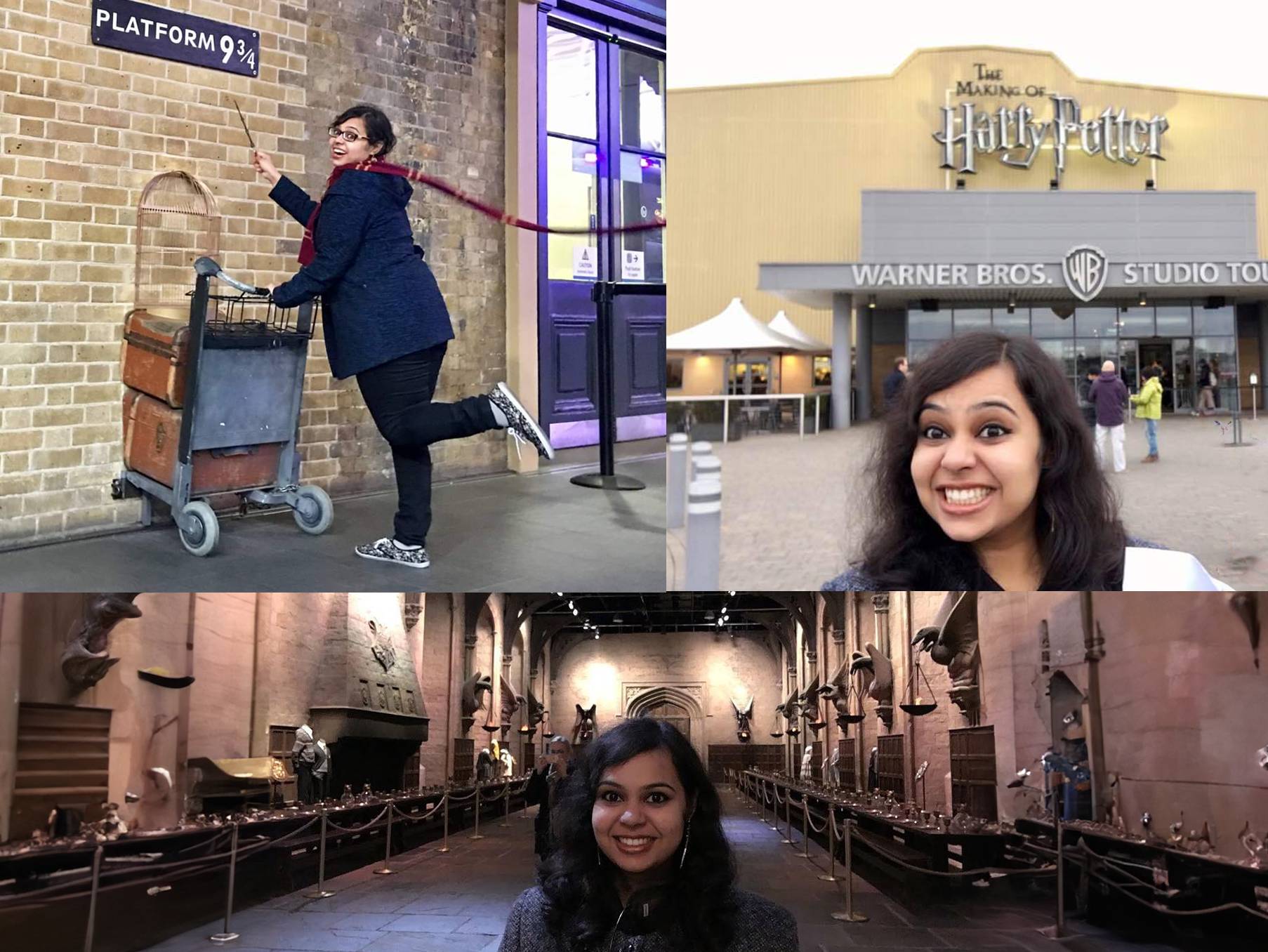
When it comes to recommendations, I have to start with Harry Potter. That series has been a massive part of my life; getting to tick the Warner Bros. Studio Tour in London off my bucket list was a core memory for me. On the film side, I’m a huge fan of Les Misérables. There’s something about the way that musical captures the human spirit and the intensity of the French Revolution—it’s moving, inspiring, and the performances are just masterclasses in storytelling.
LN: What advice would you give to aspiring writers and professionals looking to build unconventional, multidimensional careers like yours?
SM: The biggest piece of advice I can give is to stop worrying about whether your interests “fit” together on a resume. We’re often told to pick a lane and stay in it, but in the modern tech landscape, being one-dimensional can actually be a disadvantage.
If you’re an aspiring writer, don’t just read style guides—go watch a play, study psychology, or try to understand how a piece of machinery works. The more “worlds” you explore, the more mental models you have to draw from. When you can look at a technical problem through the lens of a storyteller or a designer, you’ll find solutions that others might miss.
I’d also say: be the person who takes ownership of the “undefined.” Throughout my journey, the biggest growth spurts happened when I stepped into a mess and tried to create order. Don’t wait for a perfect job description; look for gaps in how a product communicates or how a team collaborates, and fill them.
Lastly, embrace being a “Jack of all trades.” In a world that is becoming increasingly automated, the ability to translate complex ideas between humans and machines, or between engineers and users, is a superpower. Follow your curiosity, stay empathetic, and remember that every “unrelated” experience you have is just another tool in your kit.

LN: What’s the best advice you’ve given or received?
SM: Let me start by saying that I give great advice. It’s often said that advice is seldom welcomed, especially by those who need it most. Despite this, I continue giving away my pearls of wisdom for free.
One of the best pieces of advice I’ve received recently is, ‘’Don’t dream, set goals.’’ As a writer, I tend to overthink. This advice was a wake-up call to take action and not just keep dreaming.
LN: If you could have a superpower, what would it be?
SM: I recently rewatched The Vampire Diaries. In their universe, vampires can flip a switch that makes them lose their connection to humanity, allowing them to do as they please. I’d love to have a similar switch in my head to turn off human emotions temporarily and become robotic when needed. It could supercharge one’s productivity. Being able to switch off distractions and work efficiently, then switch back to enjoying life, would be an amazing superpower.
LN: Any final thoughts or messages for our audience?
SM: Pursue excellence in whatever you do. Mediocrity leads to dissatisfaction. Balance is important, but so is fulfilling your ambitions. Whatever you choose to do, give it your all!
Stay tuned to read more stories about those taking LogiNext to the next level.
We’re hiring! Join our team, and be a part of one of the fastest-growing SaaS companies globally.
 |  |  |




@LogiNext