




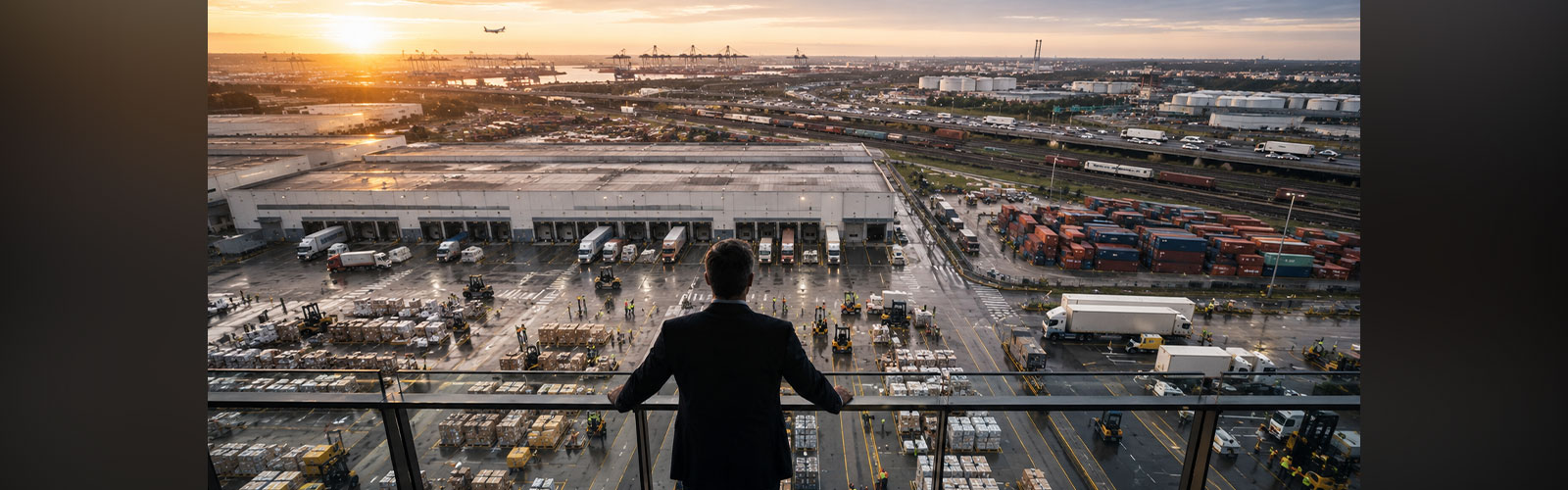
5 Costly Assumptions That Are Hurting Your Supply Chain Management Strategy
Supply chain management has become significantly more complex over the past few years. Businesses are expected to deliver faster, reduce costs, improve customer experiences, and maintain resilience despite increasing disruptions. Yet many organizations continue to rely on assumptions that were effective in the past but are now limiting performance.
The challenge is not a lack of technology or data. Most companies have access to more information than ever before. The real issue is that outdated assumptions often drive decision-making, creating inefficiencies that impact costs, service levels, and operational agility.
As supply chains become increasingly interconnected, questioning conventional wisdom is no longer optional. It is essential for long-term success.
Key Takeaways
- More inventory does not automatically improve supply chain performance. Inventory should be optimized according to demand, service levels, and operational requirements.
- Supply chains are increasingly exposed to disruptions, making flexible planning and real-time decision-making more important than rigid forecasts.
- Transportation should be viewed as a strategic capability that affects both operational costs and customer experience.
- Supply chain visibility goes beyond shipment tracking. Businesses need visibility across inventory, transportation, warehouses, suppliers, and fulfillment.
- Technology is an enabler, not a standalone solution. Successful digital transformation requires clear processes, measurable objectives, and organizational alignment.
What Are the 5 Costly Assumptions Holding Supply Chains Back?
Many supply chain challenges can be traced back to assumptions that seem logical on the surface but fail under real-world conditions. Here are five of the most common misconceptions that continue to affect businesses today.
Assumption #1: More Inventory Means Better Performance
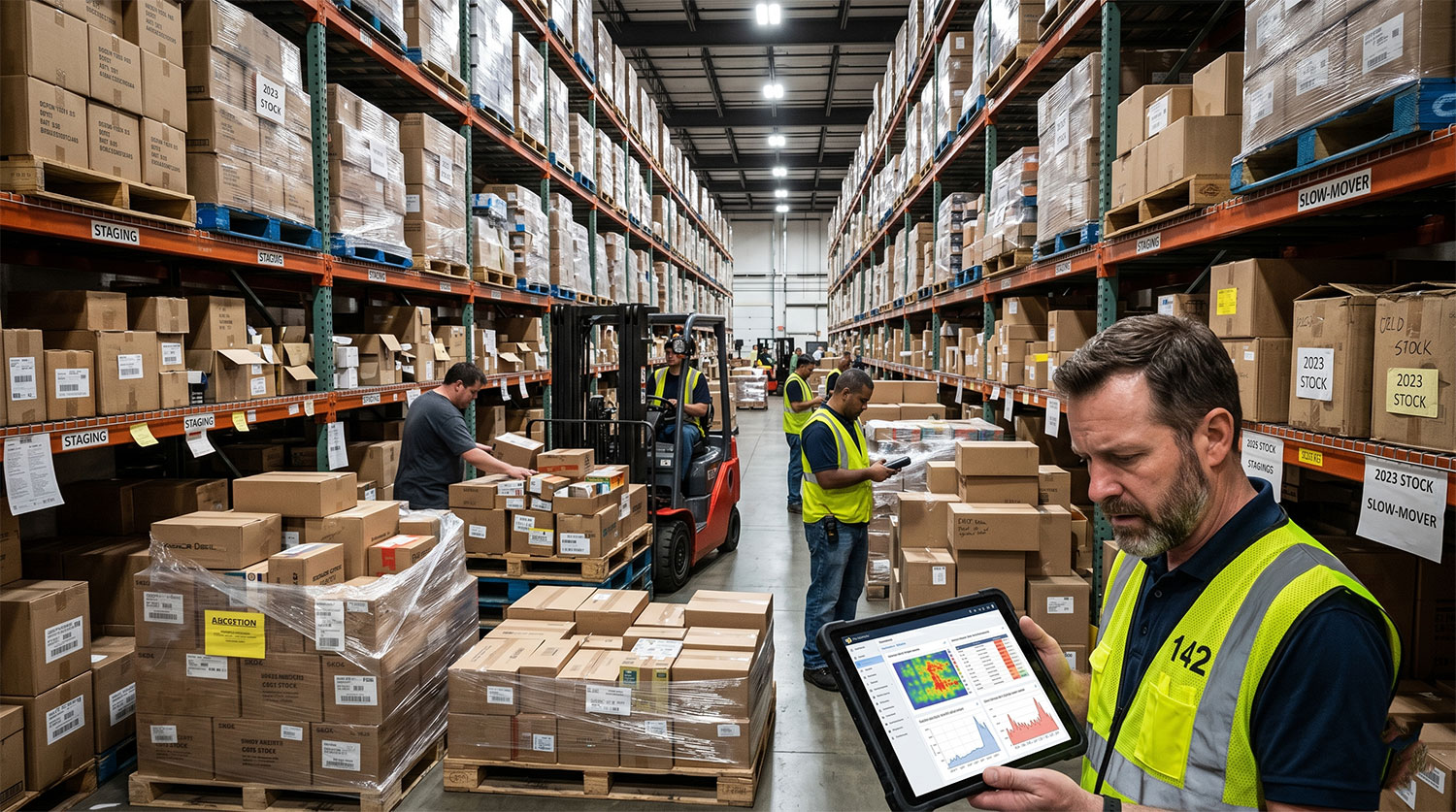
For decades, businesses viewed inventory as a safeguard against uncertainty. The logic was simple: if products are readily available, customers are less likely to experience delays or stockouts.
While maintaining adequate inventory remains important, excess inventory often creates more problems than it solves. Warehousing costs increase, capital becomes tied up in unsold stock, and organizations lose flexibility when demand patterns shift unexpectedly.
Industry studies estimate that inventory carrying costs can range between 20% and 30% of total inventory value annually. For organizations operating at scale, these costs can have a substantial impact on profitability.
Modern supply chain management focuses on inventory optimization rather than inventory accumulation. By combining demand forecasting, real-time visibility, and data-driven replenishment strategies, businesses can maintain service levels without carrying unnecessary stock.
An effective supply chain management system helps organizations strike the right balance between product availability and operational efficiency. Thereby, ensuring inventory supports growth rather than becoming a financial burden.
Assumption #2: Supply Chains Are Predictable

Many organizations continue to plan as though supply chains operate in a stable and predictable environment. Annual forecasts and fixed operational plans are often treated as reliable roadmaps for the year ahead.
Recent events have demonstrated otherwise.
Geopolitical tensions, labor shortages, natural disasters, transportation disruptions, and shifting consumer behavior can significantly alter supply chain performance with little warning. In such conditions, static planning approaches often become outdated long before the planning cycle ends.
Leading organizations are replacing rigid forecasting models with agile planning frameworks that allow them to respond quickly to changing conditions. Instead of relying solely on historical data, they continuously monitor operational risks and adjust plans in real time.
A modern supply chain management platform enables this level of responsiveness by providing visibility into ongoing operations and emerging disruptions. As a result, businesses can make faster decisions and minimize the impact of unexpected events.
In today’s environment, adaptability has become just as important as efficiency.
Assumption #3: Transportation Is Just Another Cost Center

Transportation is often viewed primarily through the lens of cost reduction. Many organizations focus on lowering fuel expenses, negotiating carrier rates, and reducing delivery costs wherever possible.
While controlling transportation spend is important, treating transportation solely as a cost center can create unintended consequences.
Late deliveries, inefficient routing, poor carrier performance, and limited shipment visibility can negatively affect customer satisfaction and operational performance. A transportation issue rarely remains isolated within logistics. It often impacts customer service teams, sales performance, and overall brand perception.
Efficient supply chain management requires businesses to view transportation as a strategic capability that influences both operational efficiency and customer experience.
Organizations that invest in route optimization, automated dispatching, real-time tracking, and predictive delivery insights often achieve lower costs while simultaneously improving service levels. The result is a transportation network that supports business growth rather than simply meeting budget targets.
Assumption #4: Visibility Means Knowing Where Shipments Are
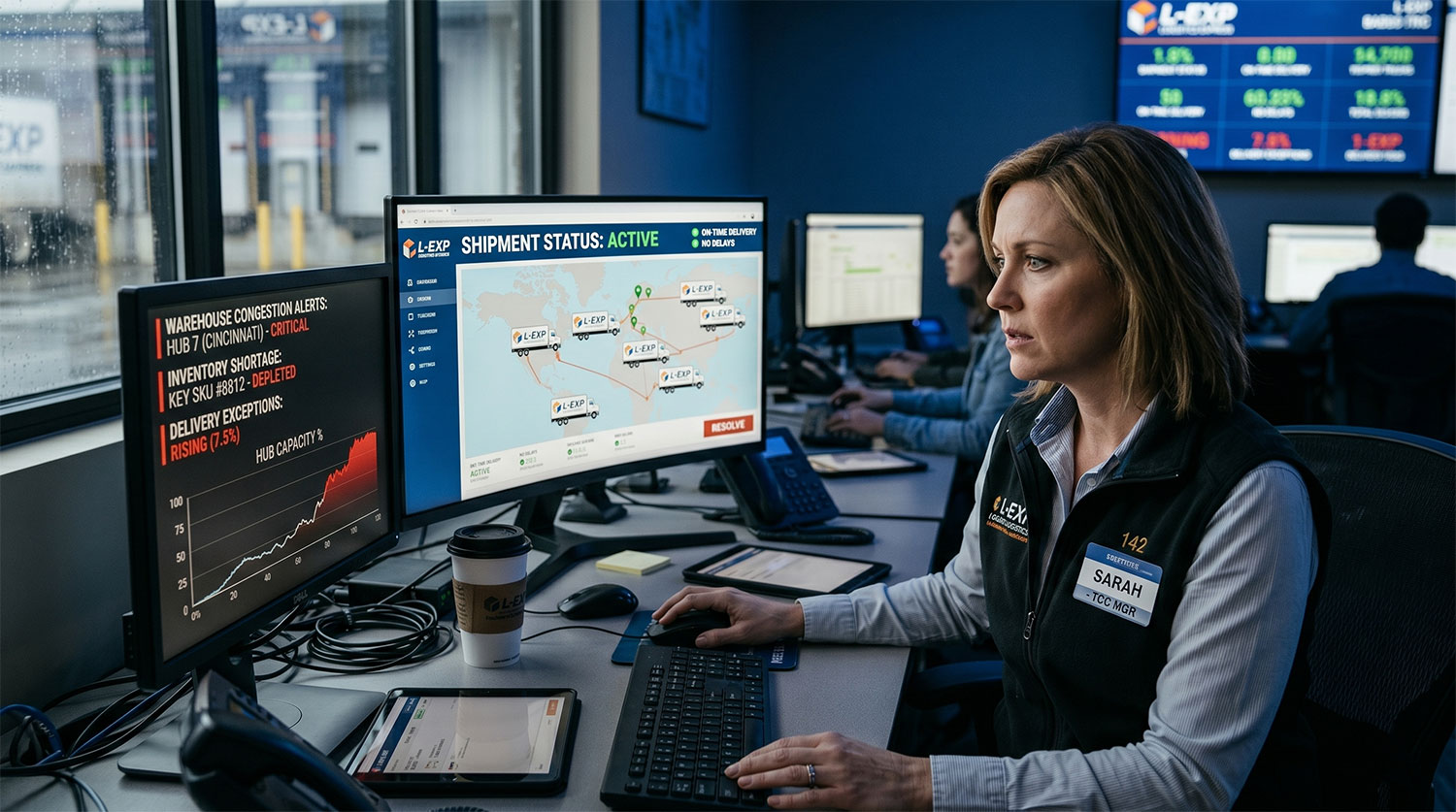
When businesses discuss visibility, the conversation often centers on shipment tracking. While tracking capabilities are important, they represent only one aspect of supply chain visibility.
Knowing where a shipment is provides useful information, but it does not explain why delays occur, how disruptions affect downstream operations, or what actions should be taken next.
True visibility extends across inventory movement, warehouse operations, supplier performance, transportation activities, and customer fulfillment processes. It provides the context required to make informed decisions rather than simply reporting events after they occur.
Many organizations struggle because operational data remains fragmented across multiple systems. Teams can see individual pieces of information but lack a complete view of the supply chain.
A comprehensive supply chain management software solution helps consolidate data from various sources, enabling organizations to identify trends, anticipate risks, and respond proactively. Visibility should ultimately support better decision-making, not just better reporting.
Assumption #5: Technology Automatically Solves Supply Chain Problems
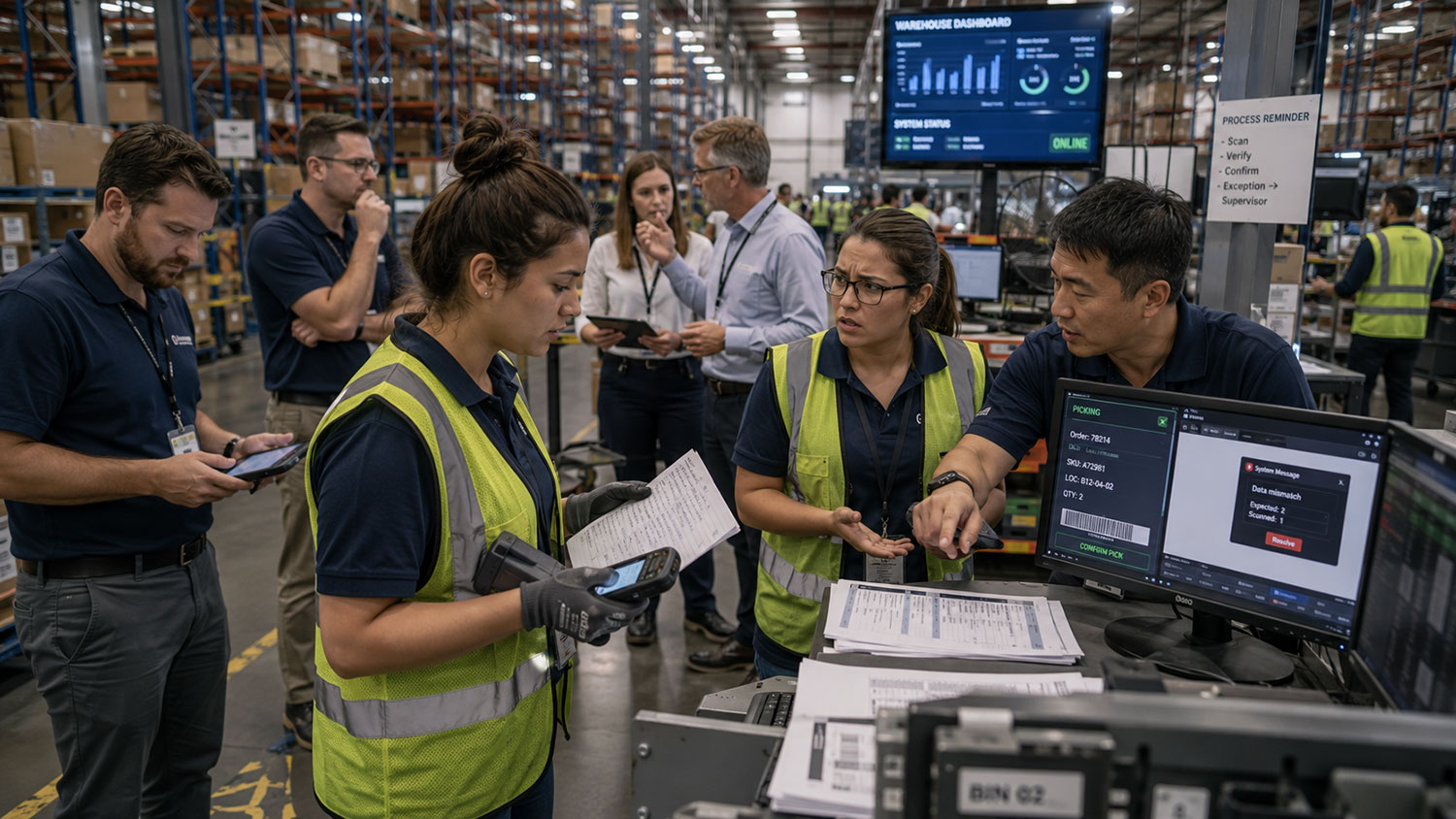
Technology investments continue to increase across the logistics and supply chain industry. Businesses are implementing automation tools, analytics platforms, artificial intelligence solutions, and cloud-based systems to improve performance.
However, technology alone does not guarantee results.
Organizations sometimes assume that implementing a new supply chain management solution will automatically eliminate inefficiencies and improve operational outcomes. In reality, technology is only as effective as the processes it supports.
Successful organizations approach digital transformation differently. They begin by identifying operational challenges, establishing measurable goals, and aligning stakeholders around a clear strategy. Technology then serves as the enabler that helps scale improvements across the organization.
The most effective supply chain management software strengthens well-designed processes and empowers teams to make better decisions. It should be viewed as part of a broader transformation effort rather than a standalone solution.
Why Are Outdated Supply Chain Assumptions Becoming More Costly?
Supply chains are operating in an environment where disruption has become a constant rather than an exception. As complexity increases, assumptions that once seemed reasonable can quickly become barriers to performance.
Excess inventory, rigid planning models, transportation inefficiencies, limited visibility, and unrealistic expectations of technology can all contribute to higher costs and reduced agility.
Businesses that continue to rely on these assumptions risk falling behind competitors that have adopted more data-driven approaches.
The organizations achieving the best results today are those that continuously challenge conventional thinking, embrace operational flexibility, and use technology strategically to support decision-making.
FAQs
What are the biggest assumptions that can hurt supply chain performance?
Common assumptions include believing that more inventory always improves performance, supply chains are predictable, transportation is only a cost center, visibility only means shipment tracking, and technology automatically solves operational problems.
How can businesses avoid carrying excess inventory?
Businesses can use demand forecasting, real-time visibility, and data-driven replenishment strategies to better align inventory with actual demand. The goal is to maintain required service levels without tying up unnecessary capital in stock.
Why is supply chain flexibility important?
Supply chains can be affected by disruptions such as transportation issues, geopolitical events, labor shortages, natural disasters, and changes in customer demand. Flexible planning allows businesses to adjust operations as conditions change rather than relying entirely on fixed plans.
What does true supply chain visibility include?
True supply chain visibility extends beyond shipment tracking. It can include inventory, warehouse operations, supplier performance, transportation, and customer fulfillment. Connecting this information helps businesses understand the broader impact of operational issues.
Conclusion
The biggest risks in supply chains are not always visible. Often, they are the assumptions that shape everyday decisions.
As customer expectations evolve and disruptions become more frequent, businesses must continuously challenge long-held beliefs about inventory, planning, transportation, visibility, and technology.
The organizations that do so will be better positioned to build resilient, efficient, and customer-centric operations.
LogiNext helps businesses move beyond assumptions with real-time visibility, intelligent automation, and data-driven decision-making that keeps supply chains agile in an increasingly unpredictable world. Click on the red button to know more.
“” 54
 |  |  |




@LogiNext