




The Hidden Economics of Empty Miles in American Fleet Operations
Companies invest in fleet management software to reduce costs and improve operational efficiency. Yet many overlook a major source of unnecessary spending: miles that generate no revenue. These empty miles quietly increase fuel costs, labor expenses, and overall fleet inefficiency.
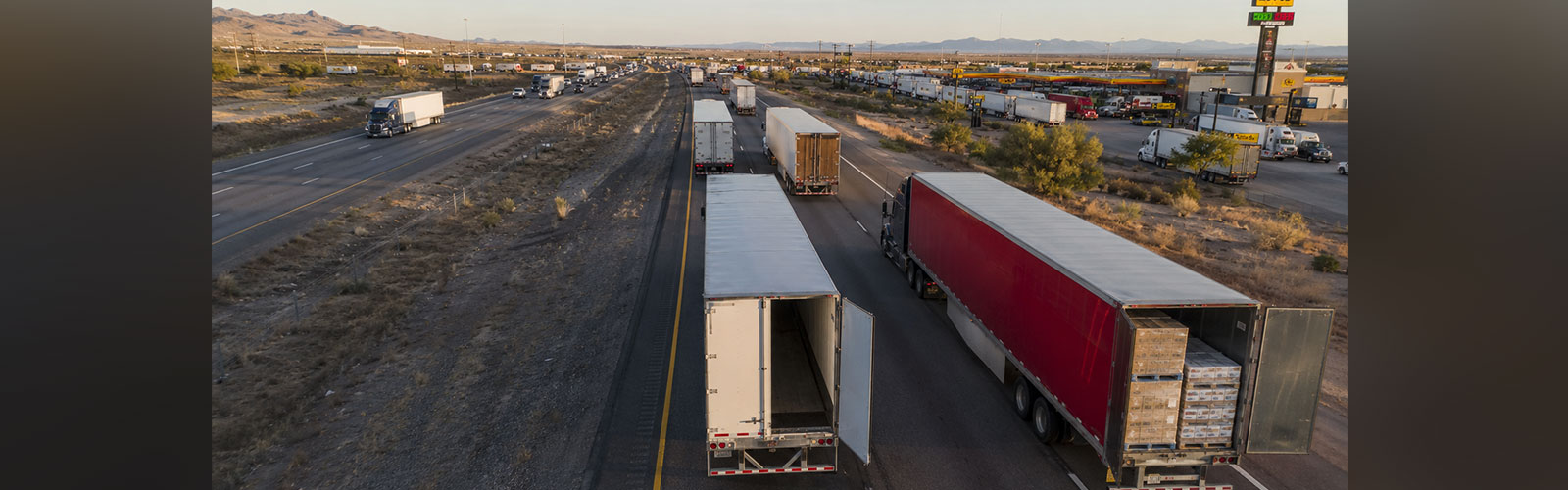
Every day, thousands of trucks across the United States complete deliveries and begin their return journeys partially loaded or completely empty. Even after fleets deliver the freight, they continue to incur costs. They consume fuel, pay drivers, depreciate equipment, and perform ongoing maintenance throughout the journey. The only thing they don’t generate on those miles is revenue.
These are known as empty miles, and they have quietly become one of the most expensive inefficiencies in American transportation.
The Billion-Dollar Problem Moving Across America’s Highways
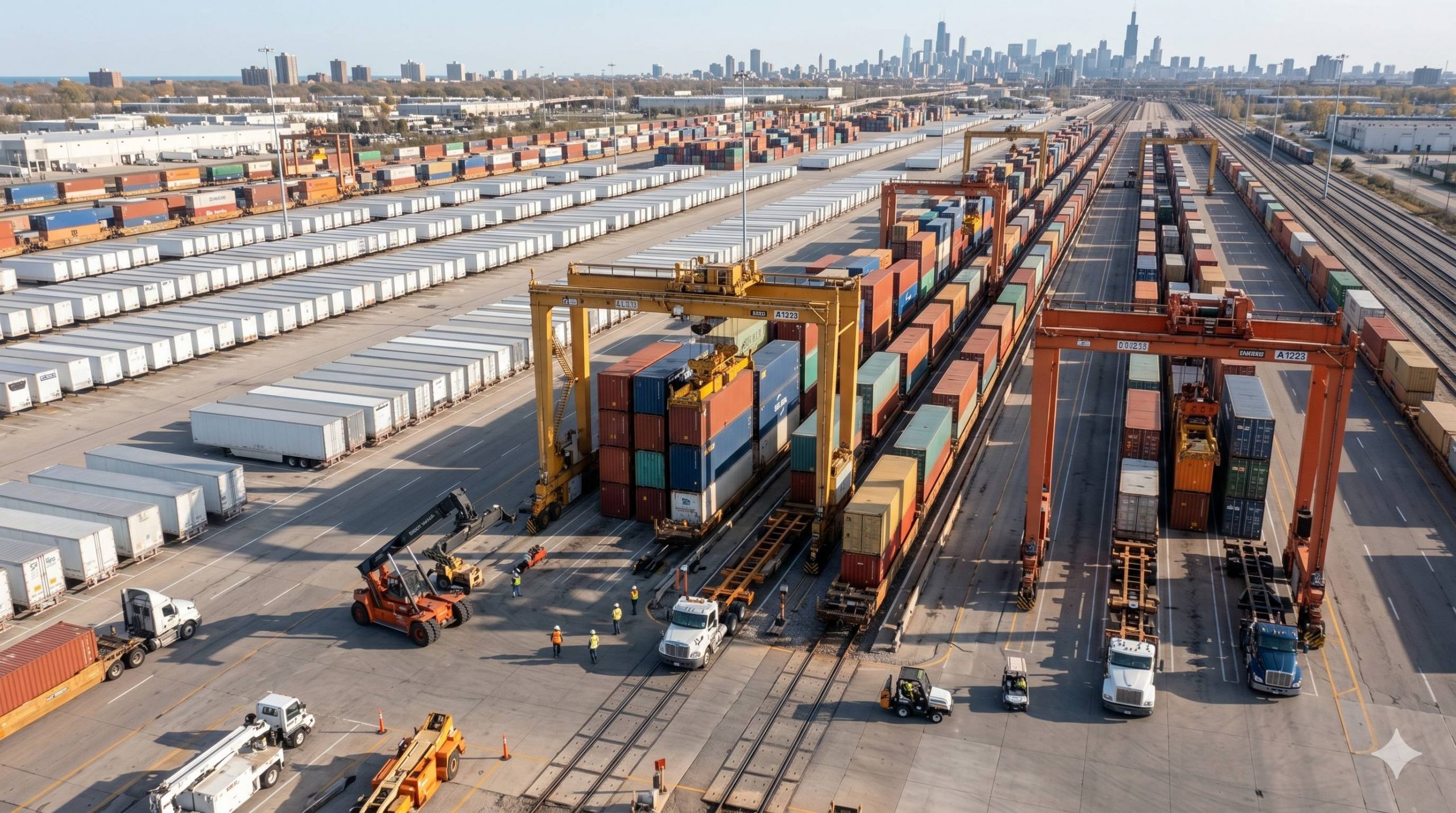
The trucking industry moves more than 70% of the nation’s freight, making it the backbone of the American economy. Yet trucks still drive a significant percentage of their miles without cargo. Industry estimates suggest that between 20% and 35% of truck movements involve empty trailers or underutilized capacity.
At first glance, this may seem like a normal part of transportation. Trucks deliver freight and need to get back somehow. But when thousands of vehicles and millions of trips repeat those empty miles, the costs become staggering.
Consider what happens every time a truck travels 300 miles without a load. The fuel expense remains. Driver wages remain. Tire wear, engine hours, insurance costs, and maintenance obligations remain. The only thing that disappears is the income that should have offset those expenses.
This is why many logistics leaders are shifting their attention from fleet size to fleet utilization.
Why Empty Miles Are Becoming More Expensive
A decade ago, many fleets could absorb inefficiencies more easily. Today’s operating environment is very different.
Fuel prices remain volatile. Insurance premiums continue to rise. Driver shortages are creating labor pressures across the industry. At the same time, customers expect faster deliveries and tighter service windows.
As margins become thinner, every unproductive mile carries a greater financial impact.
The challenge is that empty miles rarely appear as a single line item on a financial report. Instead, they are spread across fuel budgets, maintenance expenses, labor costs, and asset depreciation. Individually, these costs may seem manageable. Combined, they can significantly erode profitability.
For many organisations, reducing empty miles is no longer an operational improvement initiative. It is a margin protection strategy.
The Real Issue Isn’t Transportation

Most businesses view empty miles as a transportation problem. In reality, they are often a planning problem.
An empty truck is usually the result of a missed opportunity somewhere in the network. Freight demand existed, but capacity wasn’t matched effectively. A vehicle was available, but the right information wasn’t. Routes were optimized, but the broader network wasn’t.
This is where traditional fleet management systems often reach their limits.
Tracking vehicles is important, but visibility alone does not solve utilisation challenges. Knowing where a truck is located is useful. Knowing how to maximize its next movement is where the real value lies.
Modern fleet management solutions increasingly connect routing, dispatching, capacity planning, and real-time visibility into a single operational view. The goal is not simply to move freight more efficiently. It is to ensure every vehicle contributes as much revenue-generating activity as possible.
Why Utilization Is the New Competitive Advantage
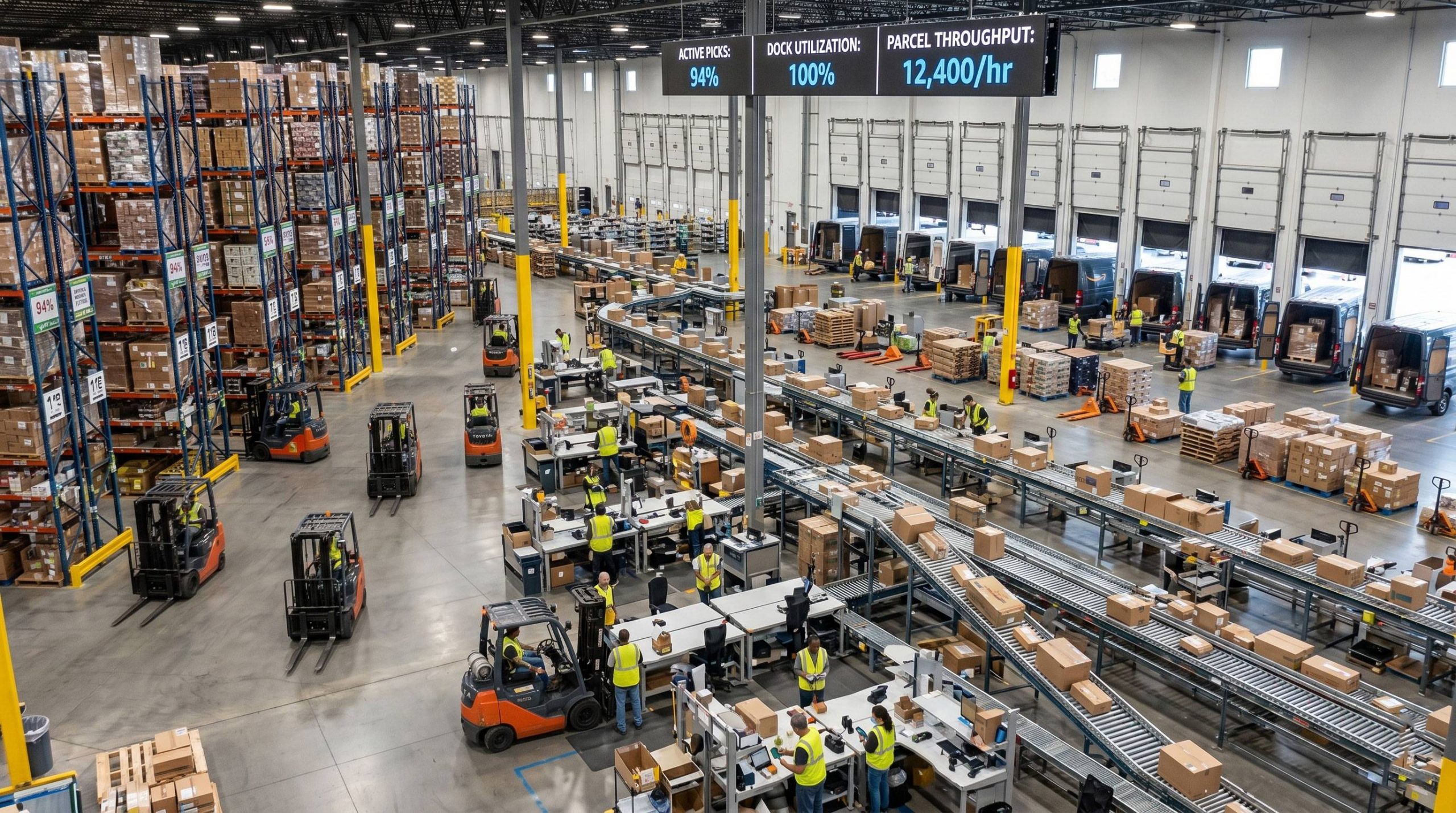
For years, logistics conversations revolved around speed. Faster deliveries became the benchmark for success.
Today, utilization is becoming just as important. A fleet operating 500 vehicles at high utilization levels can often outperform a larger fleet burdened by inefficiencies. This shift is forcing organizations to rethink what efficient fleet management actually means.
Efficiency no longer means just delivering on time. Instead, it means using assets effectively throughout the entire transportation cycle.
That includes reducing deadhead miles, improving load consolidation, identifying backhaul opportunities, and minimizing unused capacity.
The fleets that master utilization gain a significant advantage because they can move more freight without necessarily adding more vehicles.
The Growing Role of AI in Reducing Empty Files

The challenge with empty miles is that they are rarely caused by a single decision. They emerge from thousands of variables interacting simultaneously, including delivery schedules, traffic conditions, warehouse operations, customer requirements, and vehicle availability.
Managing that complexity manually is becoming increasingly difficult.
This is one reason AI powered fleet management is gaining momentum across the logistics industry. Instead of relying solely on historical experience, AI-driven systems can analyze large volumes of operational data in real time and identify opportunities that would otherwise go unnoticed.
For example, it can identify recurring empty-mile patterns, suggest more efficient route combinations, recommend backhaul opportunities, and help dispatchers make faster decisions. Over time, these insights can significantly improve network utilization.
The objective is not simply to optimize routes. It is to optimize the economic value of every trip.
The Sustainability Benefit Nobody Talks About

Empty miles create more than financial waste. They also create environmental waste.
Every truck traveling without cargo still consumes fuel and generates emissions. As organizations face increasing pressure to meet sustainability goals, reducing empty miles offers a practical way to improve both operational efficiency and environmental performance.
Unlike many sustainability initiatives that require substantial investments, improving utilization often delivers immediate business value while reducing emissions at the same time.
That makes it one of the rare logistics improvements that benefits both the balance sheet and sustainability targets.
Turning Every Mile Into a Productive Mile
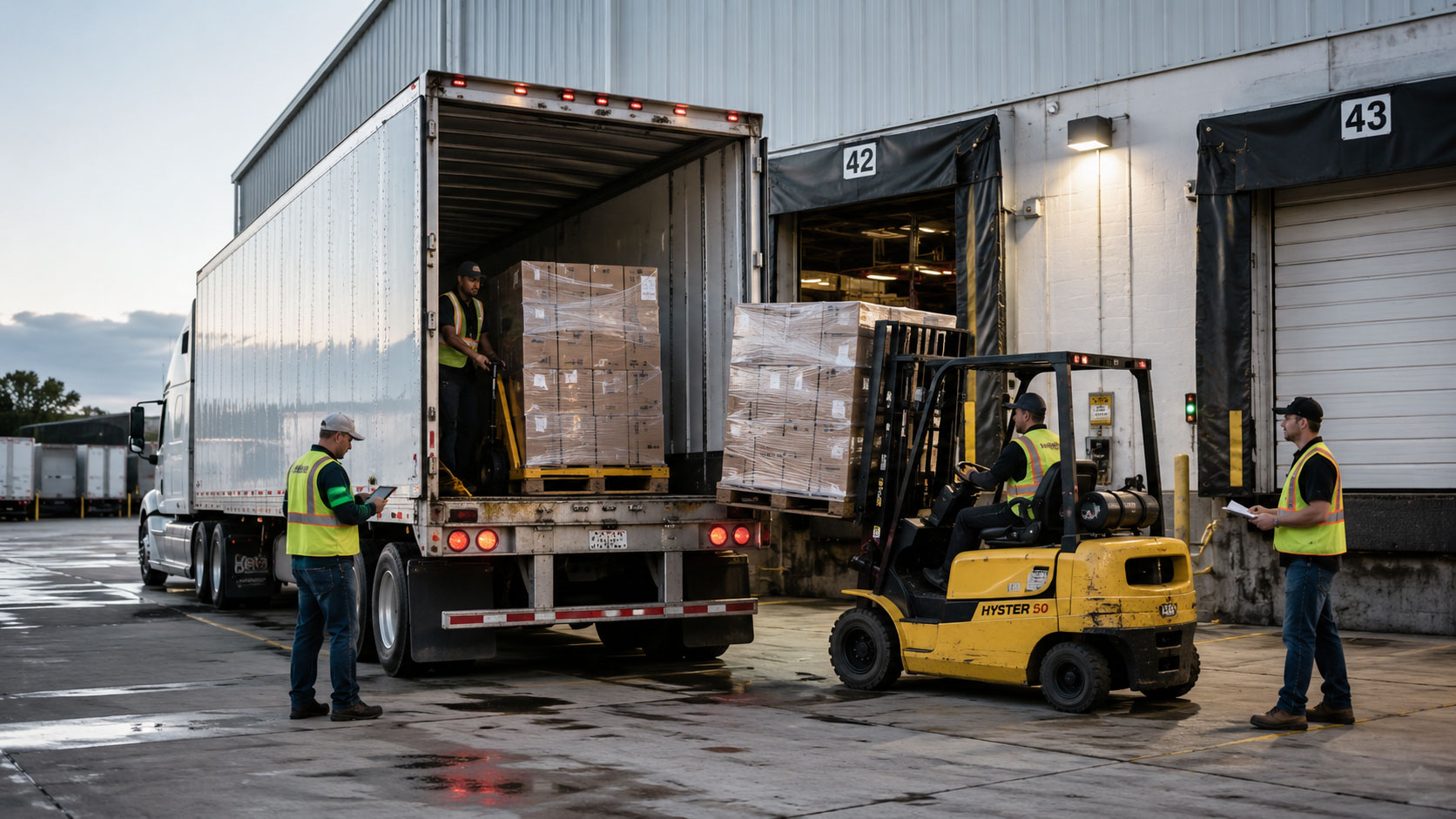
For a long time, companies treated empty miles as an unavoidable cost of doing business. Today, the industry is increasingly challenging that assumption.
Reducing empty miles requires more than better routing. It requires visibility, planning, predictive insights, and the ability to make faster operational decisions.
This is why businesses are increasingly investing in advanced fleet management software and integrated platforms. They are turning to intelligent solutions that focus on asset utilization rather than simply tracking vehicles.
Because in modern logistics, the most expensive miles are often the ones nobody notices.
Conclusion
For a long time, companies treated empty miles as an unavoidable cost of doing business. Today, the industry is increasingly challenging that assumption.
As transportation costs rise and margins tighten, companies can no longer afford to ignore underutilized assets. Organizations that focus on utilization, visibility, and smarter planning will better position themselves to improve profitability, reduce waste, and build more resilient operations.
If your business is looking to reduce empty miles and unlock greater value from every vehicle movement, LogiNext’s AI powered fleet management platform can help optimize routes, improve utilization, and deliver the visibility needed for more efficient fleet management at scale. Click on the red button to know more.
“” 42

|

|

|




@LogiNext