




The Global Oil Crisis and Its Logistics mpact: How LogiNext Optimizes Every Mile
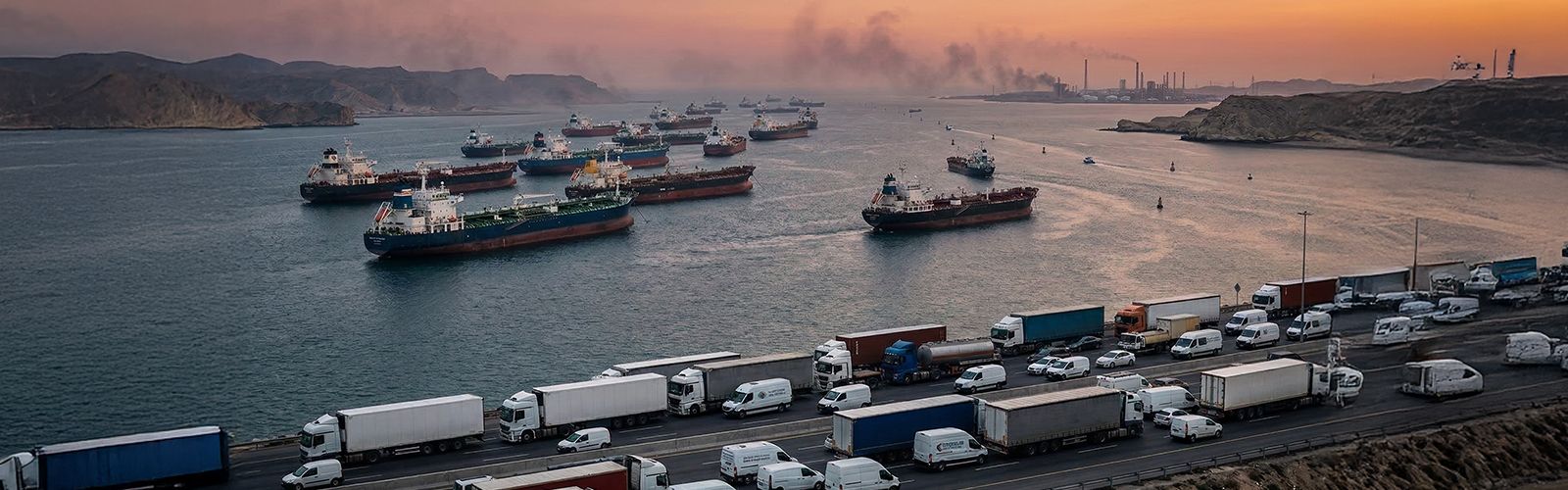
Fuel prices have always influenced logistics operations, but the current global oil crisis, intensified by geopolitical tensions involving Iran, has made logistics software a critical tool for businesses trying to stay profitable. Disruptions in the Strait of Hormuz, a key global oil transit route, have pushed oil prices above $100 per barrel and increased volatility across supply chains.
For logistics companies, this is not just a macroeconomic issue. It is an operational crisis. In this environment, adopting advanced logistics software is essential for controlling costs, reducing fuel waste, and maintaining delivery performance.
According to the International Energy Agency, transportation accounts for more than 55% of global oil demand. When supply is disrupted, as seen in the ongoing Iran conflict, fuel prices spike, and logistics margins shrink instantly.
Why the Oil Crisis Is a Logistics Problem
The current oil crisis is deeply tied to geopolitical instability. The ongoing conflict involving Iran has disrupted global oil supply chains, particularly through the Strait of Hormuz, which handles nearly 20% of global oil shipments.
Recent attacks on energy infrastructure and shipping routes have removed millions of barrels of oil from the market. Tightening supply and increasing transportation costs worldwide.
For logistics companies, this translates into immediate challenges:
- Rising fuel costs cutting into delivery margins
- Longer routes due to disrupted shipping lanes
- Increased delays caused by supply chain uncertanity
- Higher freight and operational costs
Fuel alone can account for 20–30% of logistics expenses, according to the World Bank. With oil prices surging due to the Iran crisis, inefficiencies in routing, fleet usage, and planning are no longer affordable.
This is where logistics management software becomes critical. Businesses need dynamic, data-driven systems to respond to rapidly changing conditions. LogiNext provides a powerful logistics management solution designed to handle exactly this level of complexity.
Route Optimization: The First Step Toward Fuel Efficiency
In a volatile fuel market, every unnecessary mile is a direct cost.
The Iran-driven oil disruption has already forced global shipping routes to change. In some cases, vessels are being rerouted, adding 10–14 days and thousands of miles to journeys.
While this affects global trade, last-mile and mid-mile logistics face similar inefficiencies on a smaller scale.
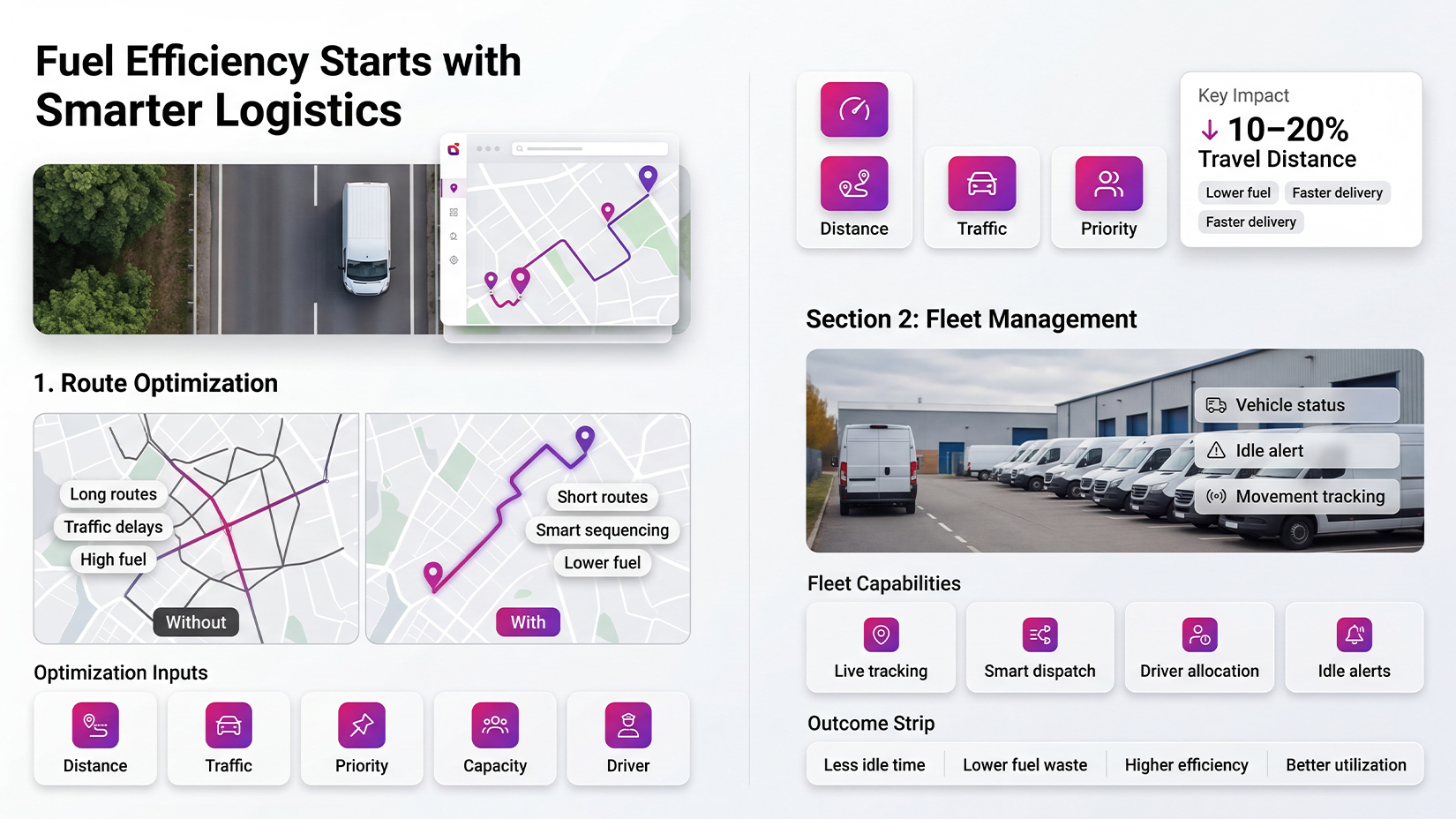
A modern logistics platform addresses this through intelligent route optimization. It considers:
- Real-time traffic conditions
- Delivery priorities
- Distance and fuel consumption
- Vehicle capacity and constraints
LogiNext’s AI powered logistics software evaluates thousands of route combinations instantly. It identifies the most efficient paths, reducing travel distance and fuel usage.
Businesses using such logistics software can reduce travel distances by up to 20%, directly lowering fuel consumption and costs.
Intelligent Fleet Management Reduces Idle Fuel Consumption
Fuel waste is not limited to driving. Idle vehicles are a major contributor. In today’s crisis environment, even small inefficiencies add up. With fuel prices elevated due to geopolitical disruptions, idle time becomes an expensive problem.
A robust logistics management software system enables real-time fleet control. LogiNext helps businesses:
- Monitor vehicle activity continuously
- Identify idle time instantly
- Reassign deliveries dynamically
- Optimize driver schedule
These capabilities improve overall logistics management and ensure that every vehicle operates efficiently. Reducing idle time not only cuts fuel consumption but also improves delivery throughput-critical when margins are under pressure.
AI and Predictive Analytics Improve Delivery Efficiency
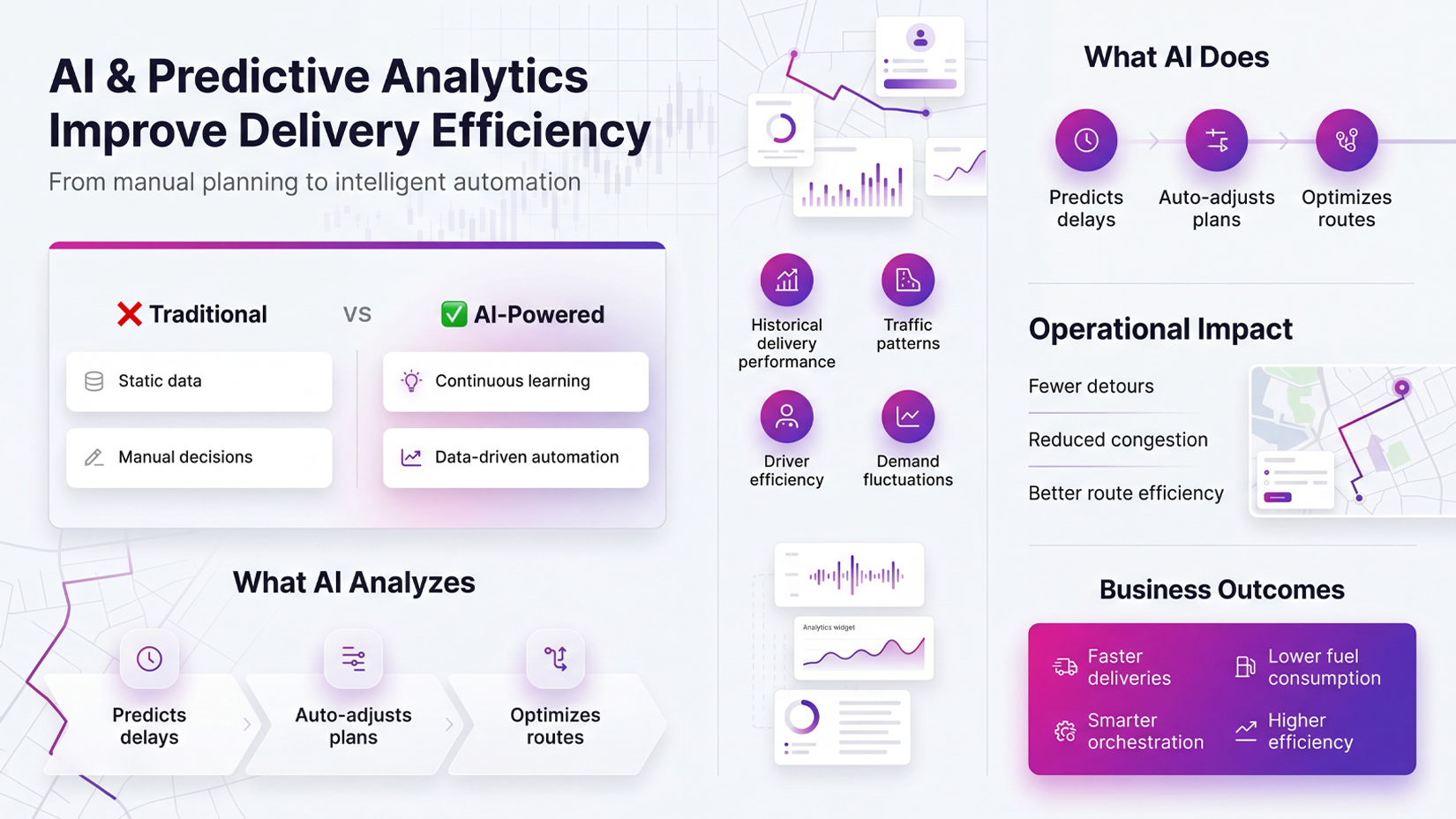
The unpredictability of the current oil crisis makes traditional planning ineffective. With ongoing tensions involving Iran, oil prices and supply conditions can shift rapidly. Static planning systems cannot keep up with such volatility.
This is where AI powered logistics software plays a crucial role. LogiNext uses AI to analyze:
- Historical delivery patterns
- Traffic trends
- Fuel consumption behavior
- Demand fluctuations
It then predicts disruptions and adjusts delivery plans in real time.
This level of intelligence is key to effective logistics orchestration. By coordinating routes, drivers, and deliveries dynamically, businesses can avoid delays, reduce detours, and minimize fuel waste.
Real-Time Visibility Strengthens Logistics Control
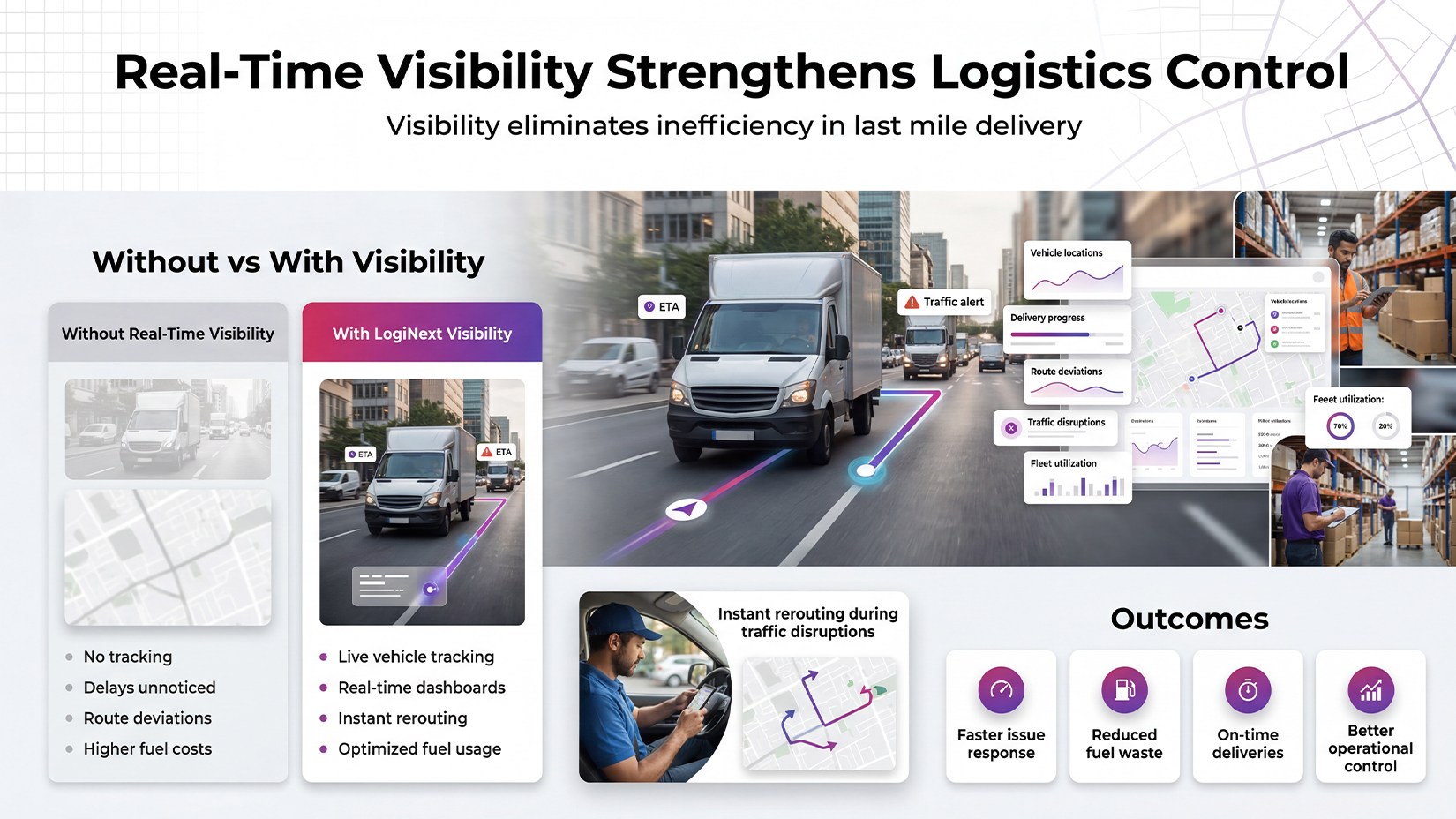
One of the biggest challenges during a global crisis is lack of visibility. The Iran conflict has shown how quickly supply chains can be disrupted. Shipping delays, route changes, and fuel shortages can occur with little warning.
A centralized logistics platform provides real-time visibility into operations. LogiNext offers:
- Live vehicle tracking
- Route monitoring
- Delivery status updates
- Alerts for delays and deviations
This visibility enables faster decision-making.
For example, if a delivery route becomes inefficient due to congestion, the system can instantly reroute vehicles. This reduces unnecessary fuel consumption and keeps operations on track.
Stronger logistics orchestration ensures that every movement is optimized, even in uncertain conditions.
Sustainable Logistics Is Becoming a Business Priority
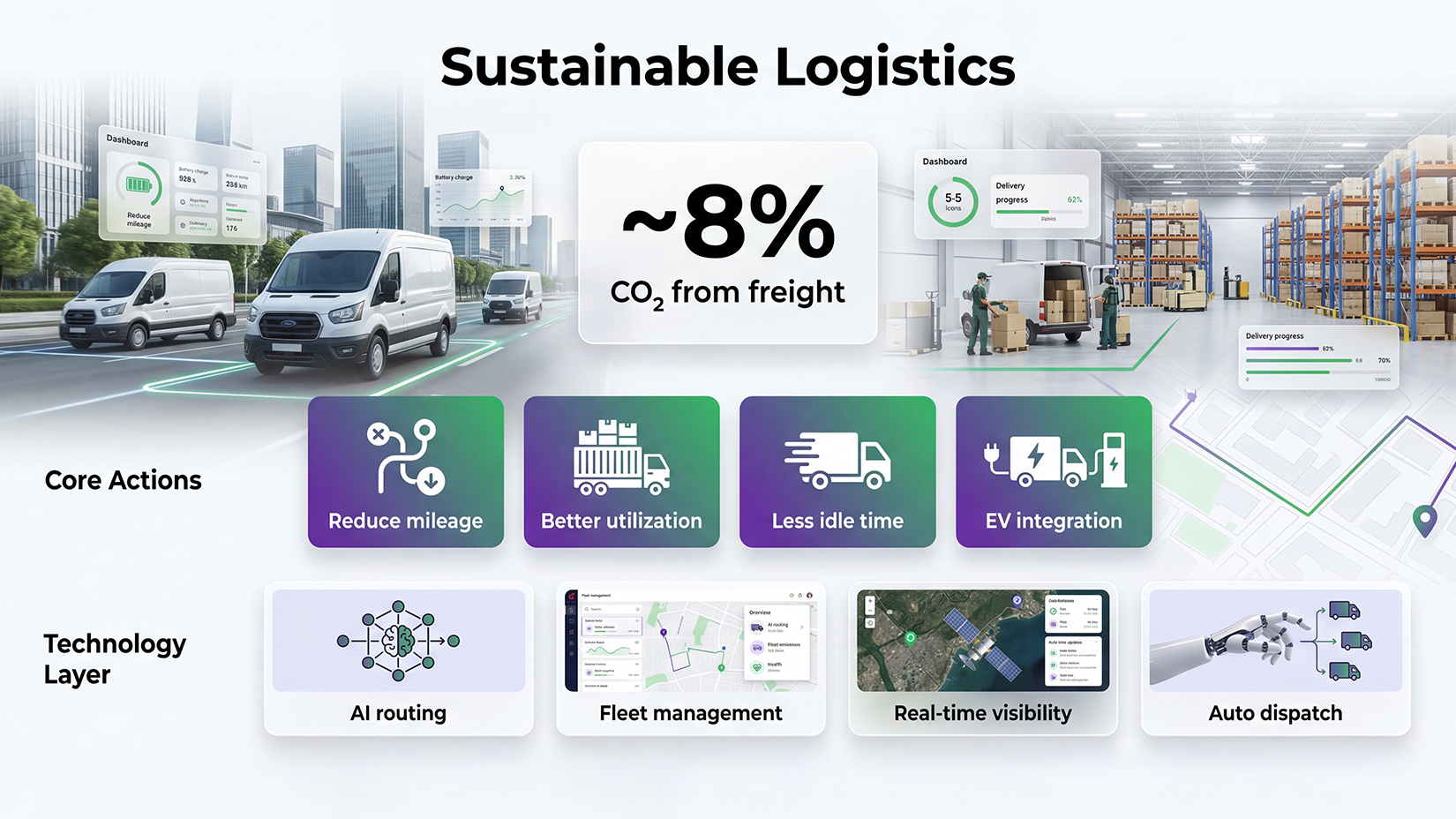
The current oil crisis is not just about cost. It is also accelerating the push toward sustainability. As fuel prices rise and supply becomes uncertain, businesses are under pressure to reduce dependence on fuel-intensive operations.
According to the International Energy Agency, freight transport contributes nearly 8% of global CO₂ emissions. Using advanced logistics software helps organizations:
- Reduce total miles travelled
- Improve fleet utilization
- Minimize idle time
- Lower emissions
LogiNext’s logistics management solution supports both cost efficiency and sustainability goals.
Why Logistics Technology Is the Long-Term Solution
The Iran-driven oil crisis has made one thing clear: logistics operations must become more intelligent.
Disruptions in oil supply, rising fuel costs, and global uncertainty are not temporary challenges. They are structural shifts that require long-term solutions.
Modern logistics management software provides the tools needed to adapt:
- AI-driven route optimization
- Real-time fleet management
- Data-driven logistics management
- Automated dispatch and planning
- End-to-end logistics orchestration
LogiNext delivers these capabilities through a scalable logistics platform built for modern supply chains.
Conclusion
The global oil crisis, intensified by the ongoing Iran conflict, has exposed the vulnerabilities of traditional logistics operations. Fuel prices are rising, supply chains are under pressure, and inefficiencies are no longer sustainable.
Businesses that adopt advanced logistics software can navigate this uncertainty with confidence. By optimizing routes, improving fleet utilization, and leveraging AI-driven insights, companies can significantly reduce fuel waste and operational costs.
LogiNext offers a powerful AI powered logistics software solution that enables smarter, more efficient, and more resilient logistics operations. Click on the red button to know more.
60

|

|

|




@LogiNext