




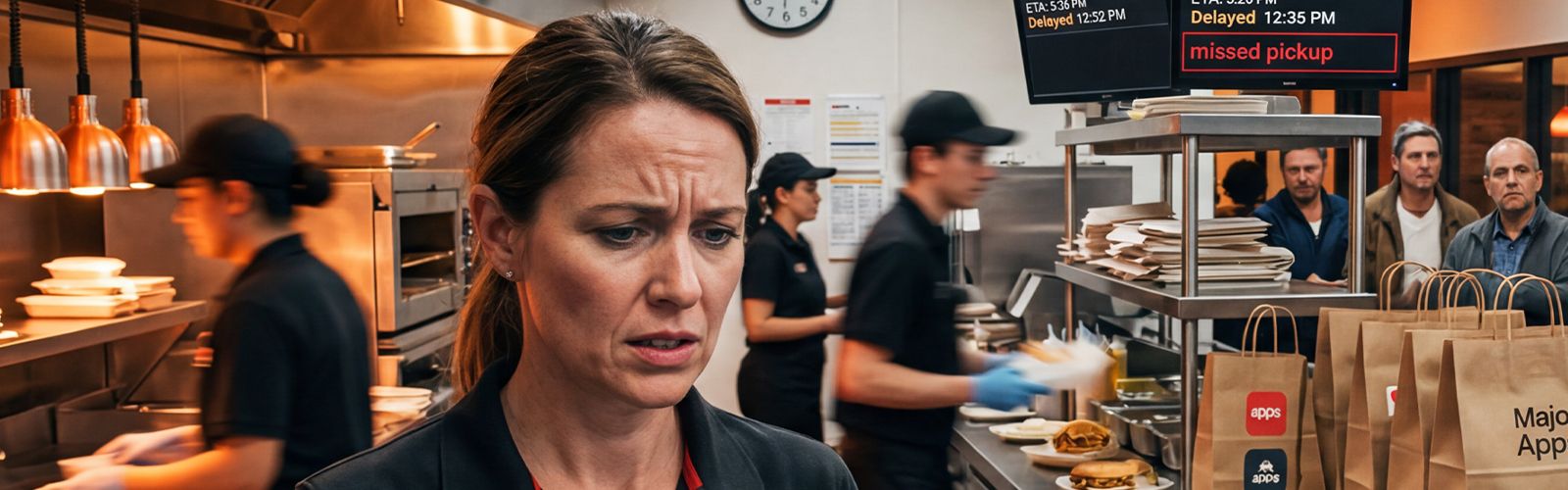
How Poor Delivery Software Is Draining QSR Margins
For Quick Service Restaurants (QSRs), delivery software has become the backbone of daily operations. From order allocation to last-mile execution, everything depends on how efficiently this technology performs. However, when delivery software is outdated or inefficient, it quietly erodes margins, increases operational complexity, and weakens customer experience.
While many QSRs have invested in delivery management software, not all solutions are built to handle the scale and speed required in today’s delivery-driven environment. As a result, businesses often face hidden inefficiencies that compound over time.
The Expanding Role of Delivery in QSR Operations
Delivery is no longer a value-added service, it is a core revenue channel. With the rapid growth of digital ordering and aggregator platforms, QSRs are managing higher order volumes than ever before.
At the same time:
- Customers expect faster deliveries and real-time update
- Competition is intensifying across delivery platforms
- Margins are shrinking due to rising costs
In this environment, even minor inefficiencies in a delivery management solution can significantly impact profitability at scale.
Key Areas Where Poor Delivery Software Impacts Margins
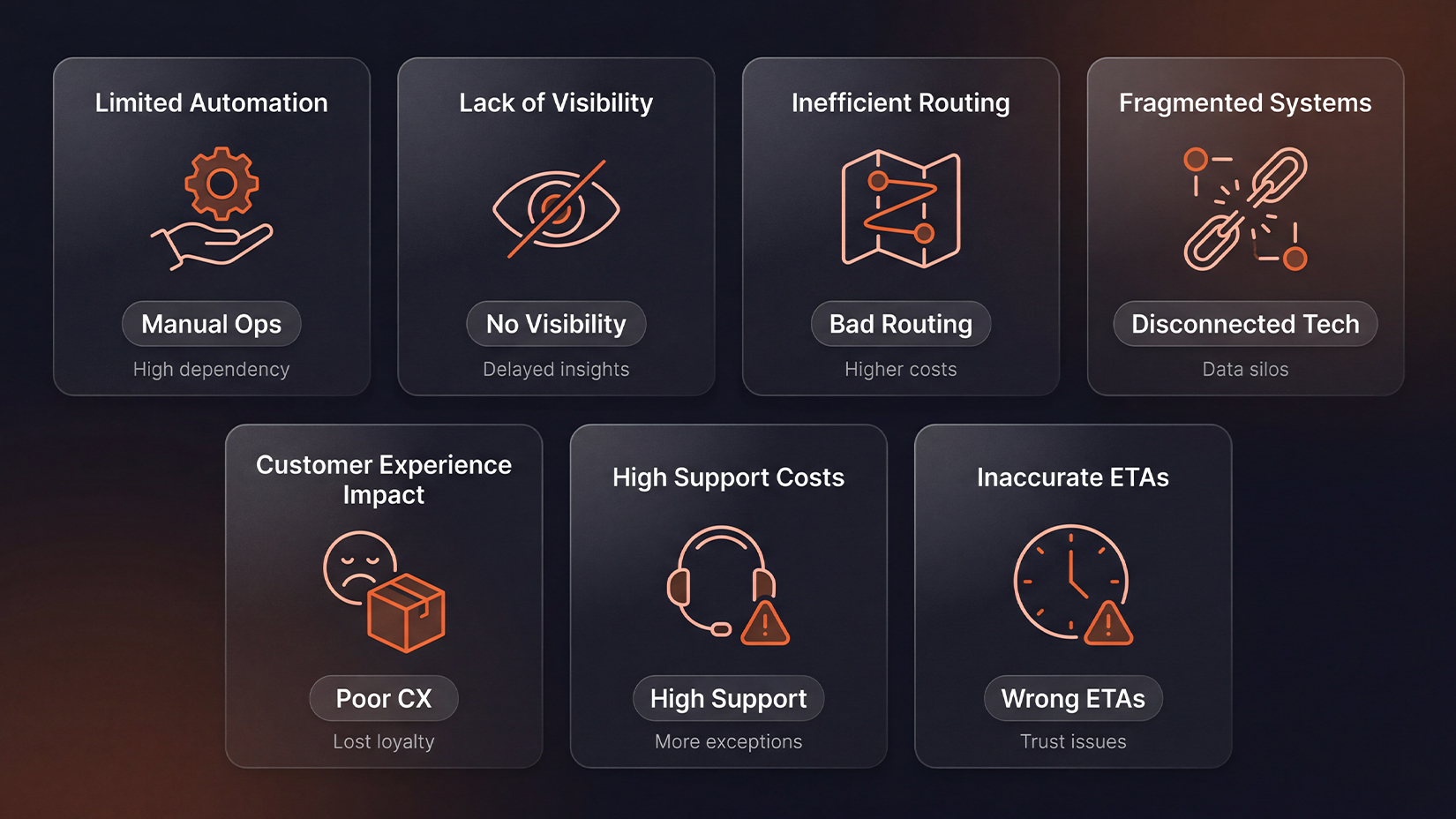
1. Limited Automation and High Manual Dependency:
Many QSRs rely on systems that claim to offer delivery automation, but still require manual intervention for critical tasks.
This includes:
- Manual order assignment
- Dispatcher led decision-making
- Constant coordination between teams
Such inefficiencies increase labor costs and slow down operations. In contrast, modern delivery automation software eliminates manual touchpoints by leveraging intelligent workflows.
An advanced AI powered delivery software solution ensures that decisions such as rider allocation and order prioritization happen in real time, without human dependency.
2. Lack of Real-Time Visibility:
Basic delivery software often provides limited tracking capabilities, making it difficult to monitor operations effectively.
Without real-time visibility:
- Delays are identified too late
- Fleet utilisation remains inefficient
- Customer support teams operate reactively
A robust AI powered delivery management system offers complete visibility across orders, riders, and delivery performance. This allows QSRs to proactively manage operations and prevent disruptions.
3. Inefficient Routing and Resource Allocation:
Routing inefficiencies are a major contributor to rising delivery costs. Static routing systems fail to adapt to real-time conditions such as traffic, weather, and order density.
This results in:
- Longer delivery times
- Increased fuel consumption
- Lower delivery throughput
By adopting AI powered delivery software, QSRs can implement dynamic route optimization. This ensures faster deliveries and better utilization of resources, which is a key advantage of effective delivery automation.
4. Fragmented Technology Ecosystem:
QSRs operate across multiple channels, including mobile apps, websites, and third-party aggregators. When these systems are not integrated, operational inefficiencies arise.
Common challenges include:
- Disconnected order flows
- Data inconsistencies
- Increased risk of errors
A unified delivery management solution integrates all channels into a single platform, ensuring seamless order processing and execution.
5. Customer Experience and Brand Impact:
Delivery performance directly influences brand perception. Customers associate the entire delivery experience with the restaurant, regardless of backend complexities.
Poor delivery experiences often lead to:
- Late or missed deliveries
- Incorrect orders
- Lack of communication
These issues result in refunds, negative reviews, and reduced customer loyalty. Implementing reliable delivery management software helps maintain consistency and improve customer satisfaction.
6. Rising Support and Exception Handling Costs:
Inefficient delivery operations increase the burden on customer support teams. A lack of accurate tracking and communication leads to frequent customer inquiries.
This causes:
- Higher support costs
- Increased operational overhead
- Reduced team productivity
A well-designed delivery management software minimizes exceptions through automation and proactive communication, reducing dependency on manual support processes.
7. Inaccurate ETAs and Demand Planning Challenges:
Accurate ETAs are critical for maintaining customer trust. Basic systems often rely on static estimates that do not reflect real-time conditions.
Inaccurate ETAs lead to:
- Customer dissatisfaction
- Increased cancellations
- Loss of repeat business
An advanced AI powered delivery management system uses predictive analytics to provide accurate ETAs, improving reliability and customer confidence.
The Financial Impact of Inefficient Delivery Software
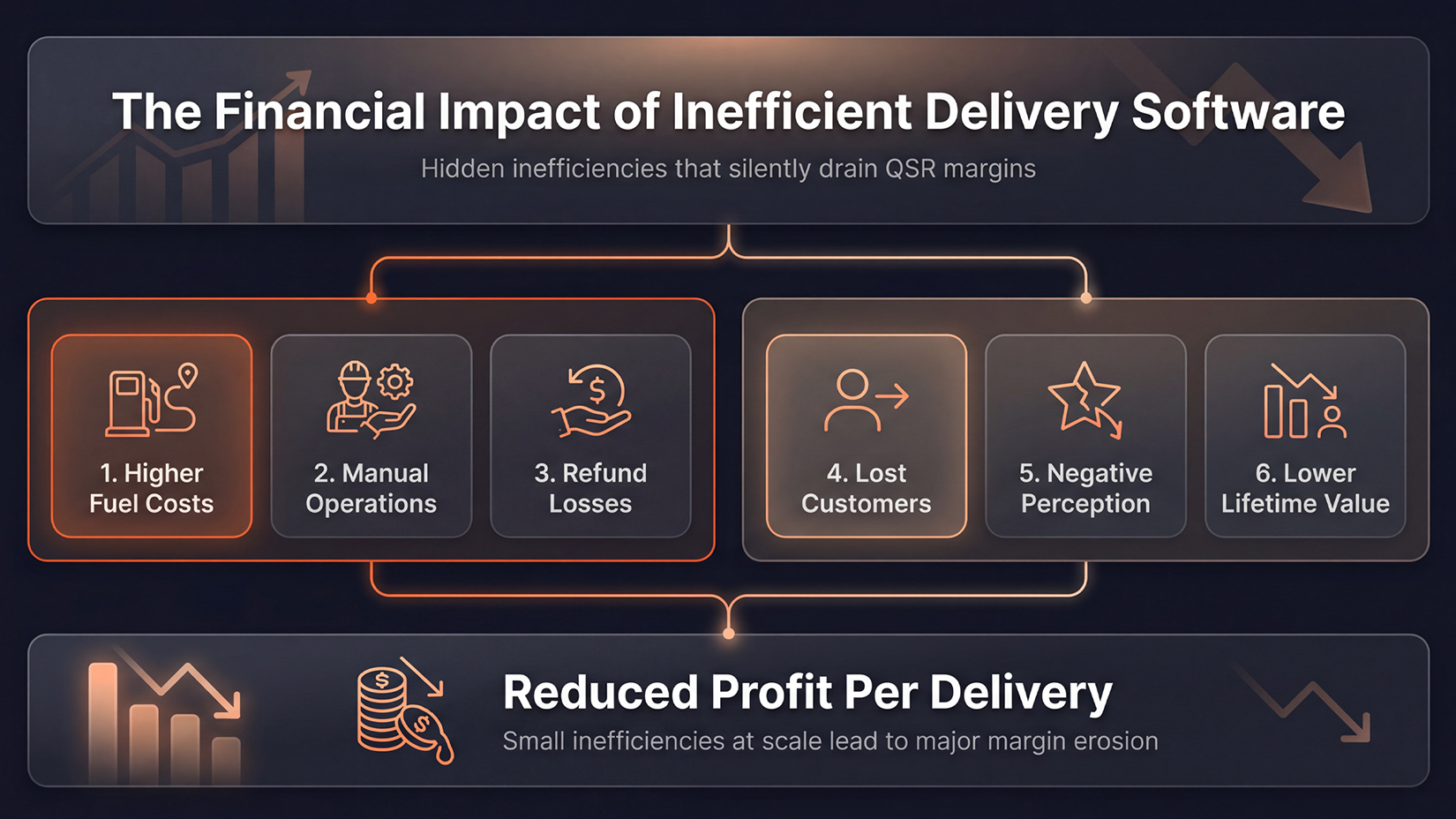
The impact of poor delivery software extends beyond operational inefficiencies. It directly affects profitability through both visible and hidden costs. Small inefficiencies, when multiplied across high order volumes, can significantly erode margins over time. Delays, failed deliveries, and inefficient routing increase operational expenses.
At the same time, poor customer experiences lead to refunds and lost repeat business. Limited delivery automation and continued reliance on manual processes further inflate costs. Without a robust delivery management software, QSRs struggle to control expenses and maintain long-term efficiency.
Direct Costs:
- Increased fuel and logistics expences
- Higher labor costs due to manual processes
- Refunds and compensations
Indirect Costs:
- Customer churn
- Negative brand perception
- Reduced lifetime value
Over time, these factors significantly reduce profit per delivery, which is the most critical metric for QSR success.
How High-Performing QSRs Are Addressing the Challenge
Leading QSRs are moving toward advanced delivery management software that enables efficiency at scale. These systems offer:
- Centralized control across all operations
- Real-time visibility into delivery performance
- Intelligent automation through delivery automation software
- AI-driven optimization using AI powered delivery software
- Seamless integration across all order channels
By adopting these capabilities, QSRs can streamline operations, reduce costs, and enhance service quality. They also gain better control over resources, improve delivery accuracy, and ensure consistent customer experiences. Ultimately driving higher profitability and long-term operational efficiency.
Conclusion
As delivery becomes central to QSR operations, inefficient delivery software can significantly impact margins. Adopting advanced delivery management software with delivery automation and AI capabilities helps streamline operations, reduce costs, and improve customer experience.
LogiNext’s AI-powered delivery management software enables QSRs to optimize delivery performance and operate more efficiently. Turning delivery into a profitable advantage rather than a cost burden. Click on the red button below to book a demo today!
1

|

|

|




@LogiNext