




From Static Plans to Smart Execution: The New Era of Transportation Management with LogiNext
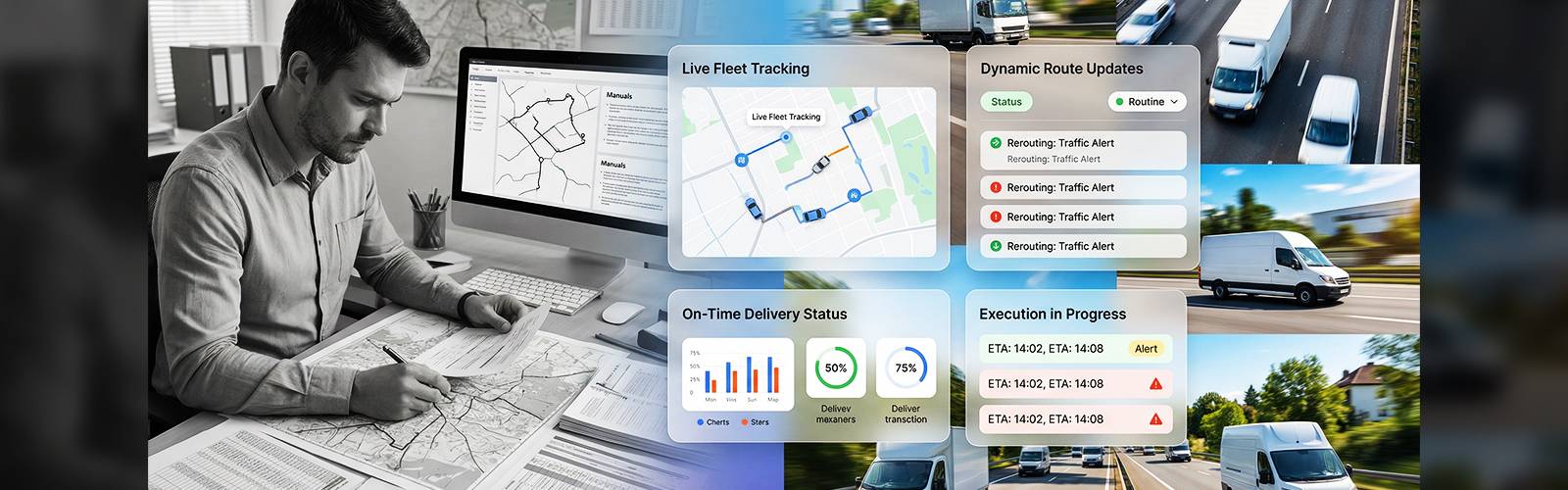
Transportation management is no longer just about planning routes and allocating vehicles. That version of the function is outdated. Today, execution is where the real battle is won or lost. As supply chains become more dynamic, businesses are moving away from static planning toward intelligent, real-time execution powered by data and automation.
This shift isn’t optional. Rising customer expectations, unpredictable disruptions, and increasing complexity are driving it forward.
Why Traditional Transportation Planning Falls Short Today
For years, transportation management systems (TMS) were built around planning. They focused on route optimization, load consolidation, and cost minimization. While these capabilities remain important, they are no longer sufficient.
Planning assumes stability. Logistics operations today are anything but stable.
Traffic conditions change by the minute. Customer availability fluctuates. Weather disruptions are more frequent. According to a McKinsey report, supply chain disruptions lasting one month or longer now occur every 3.7 years on average. That kind of volatility breaks static plans almost instantly.
A traditional TMS can generate the most efficient route at 8 AM. By 10 AM, that plan may already be obsolete.
The Shift Toward Smart Execution in Transportation Management
Intelligent execution focuses on what happens after the plan is created. It ensures that transportation operations adapt continuously in real time.
This is where AI powered transportation management comes into play. Instead of relying solely on pre-defined plans, modern systems ingest live data from multiple sources. These include GPS signals, traffic updates, customer inputs, and fleet conditions.
The result is dynamic decision-making.
Routes are adjusted on the go. Delays are predicted before they occur. Drivers receive real-time instructions. Customers are updated automatically.
According to Gartner, companies that invest in real-time supply chain visibility can reduce operational costs by up to 20%. This is a direct outcome of efficient transportation management driven by execution, not just planning.
What is Driving the Move to Intelligent Execution
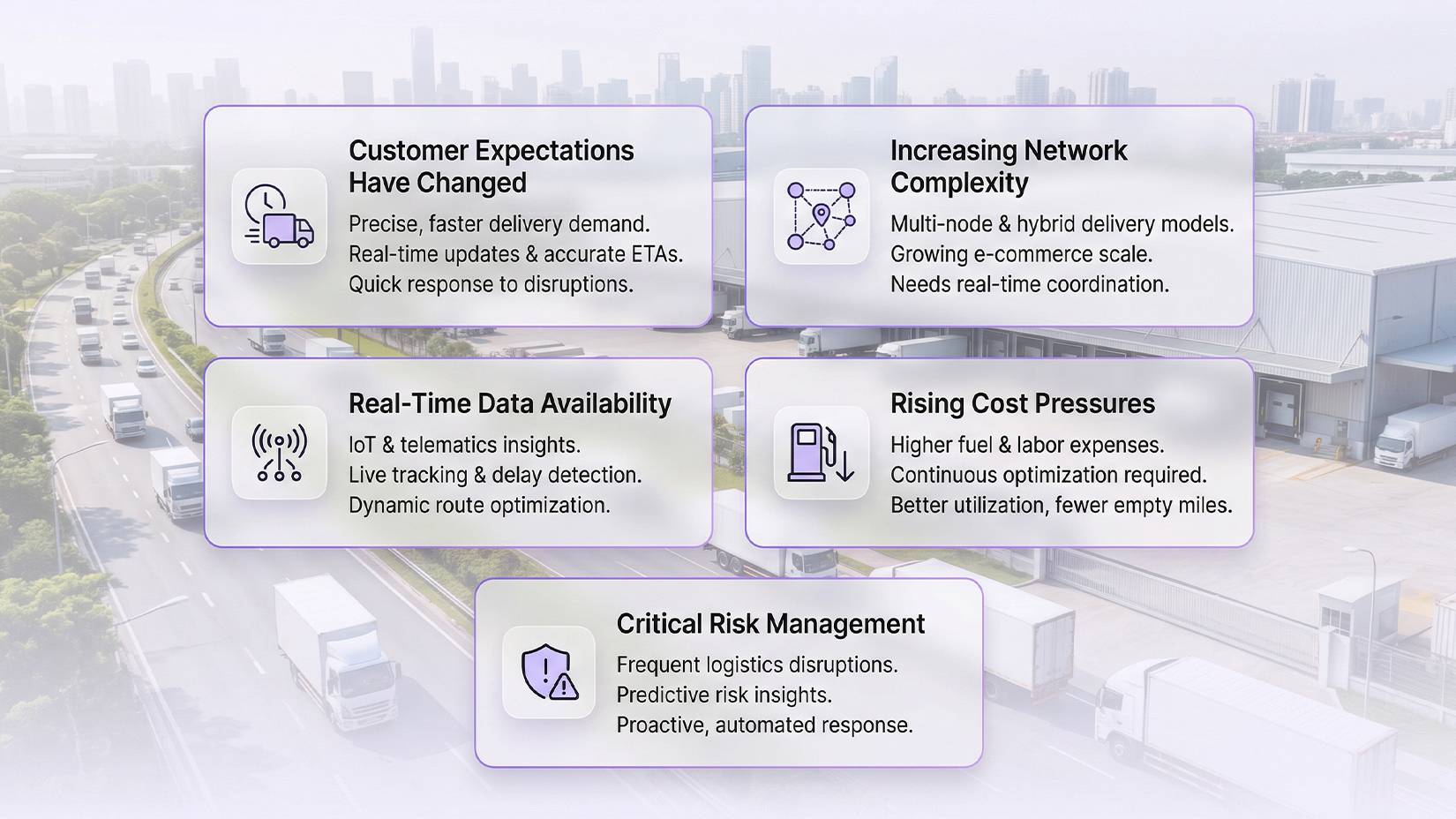
1. Customer Expectations Have Changed:
Customers no longer accept vague delivery windows. They expect precision.
Same-day and even same-hour deliveries are becoming standard in many industries. A static transportation management software cannot handle these expectations effectively.
Intelligent execution enables continuous updates. It ensures accurate ETAs. It also allows businesses to respond instantly when something goes wrong.
This is critical for maintaining customer trust.
2. Complexity is Increasing Across Networks:
TMS in logistics has become significantly more complex. Businesses now manage multi-node networks, diverse fleets, and hybrid delivery models.
E-commerce growth has only amplified this complexity. According to Statista, global e-commerce sales are projected to surpass $8 trillion by 2027.
Handling this scale requires more than planning. It demands real-time orchestration.
An advanced TMS can coordinate multiple variables simultaneously. It ensures that operations remain efficient even as complexity increases.
3. Real-Time Data is Now Accessible:
The availability of real-time data has transformed transportation management. IoT devices, telematics, and mobile applications provide continuous streams of information. This data fuels AI powered transportation management systems.
With this capability, businesses can:
- Monitor fleet movements in real time
- Identify delays constantly
- Optimize routes dynamically
- Improve driver productivity
This level of visibility was not possible with traditional software.
4. Cost Pressures Demand Efficiency:
Fuel costs, labor expenses, and operational inefficiencies continue to rise. Businesses can no longer rely on static optimization to control costs.
Efficient transportation management requires constant adjustments.
According to Deloitte, logistics costs can account for up to 10–12% of total revenue for many companies. Even small inefficiencies can have a significant financial impact.
Intelligent execution helps reduce these inefficiencies. It minimizes empty miles, improves asset utilization, and ensures better resource allocation.
5. Risk Management Has Become Critical:
Disruptions are now a regular part of logistics operations.
From port congestion to extreme weather events, risks are everywhere. Traditional planning does not account for real-time disruptions effectively.
AI powered transportation management systems can predict risks and respond proactively. They use historical and real-time data to identify patterns and trigger automated actions.
This capability transforms transportation management from reactive to proactive.
Core Capabilities Powering Smart Transportation Management
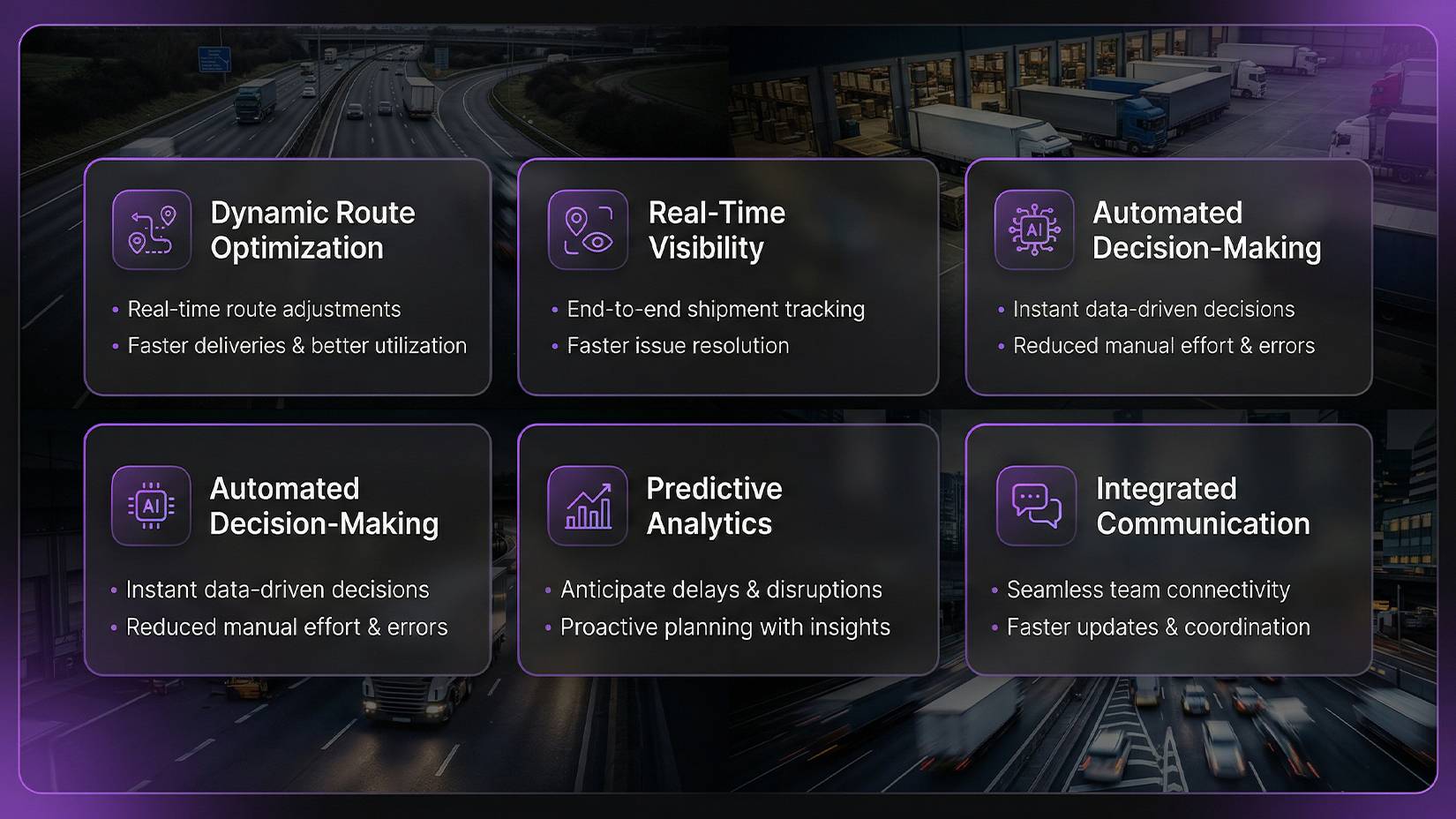
Modern transportation management systems are evolving rapidly. They now go beyond planning to support intelligent execution and continuous optimization across operations. These systems combine real-time data, automation, and analytics to improve decision-making at every stage of transportation management.
Here are some core capabilities:
1. Dynamic Route Optimization:
Routes are continuously updated based on real-time traffic, delivery constraints, and on-ground conditions. This ensures faster deliveries, reduced fuel consumption, and better fleet utilization without manual intervention.
2. Real-Time Visibility:
Businesses gain complete, end-to-end visibility into shipments, vehicles, and delivery progress. This transparency enables faster issue resolution and improves coordination across stakeholders.
3. Automated Decision-Making:
AI-driven systems make instant decisions based on live data inputs. This reduces manual dependency, speeds up execution, and minimizes operational errors.
4. Predictive Analytics:
Systems use historical and real-time data to forecast delays, demand spikes, and potential disruptions. This allows businesses to act proactively rather than reactively.
5. Integrated Communication:
Drivers, dispatchers, and customers stay connected through a unified platform. This ensures seamless communication, quicker updates, and a more consistent delivery experience.
Making the Shift: From Plans to Real-Time Execution
Shifting to intelligent execution requires more than technology. It requires a change in mindset.
Businesses must:
- Move away from static planning models
- Invest in advanced transportation management systems
- Leverage real-time data effectively
- Integrate AI into daily operations
- Focus on continuous optimization
Adopting a modern TMS is often the first step. However, true transformation happens when execution becomes the priority.
The Future of Transportation Management is Intelligent Execution
The future of transportation management lies in autonomy and intelligence. We are moving toward systems that can:
- Self-optimize routes within human intervention
- Predict disruptions with high accuracy
- Coordinate entire logistics network seamlessly
- Delivery hyper-personalised customer experiences
As technology advances, the gap between planning and execution will continue to shrink. Eventually, transportation management systems will operate as fully integrated, real-time decision engines.
Conclusion: Execute Smarter with LogiNext
Transportation management is no longer just about creating the perfect plan. It is about executing that plan flawlessly in a constantly changing environment. Businesses that adopt intelligent, execution-focused strategies will see stronger efficiency, lower costs, and higher customer satisfaction.
To stay ahead, organizations need more than a traditional transportation management system. They need a platform that combines real-time visibility, automation, and AI-driven decision-making. LogiNext delivers exactly that. With its advanced transportation management software, businesses can move beyond static planning and achieve truly efficient transportation management at scale.
If you are looking to transform your transportation management into logistics, now is the time to explore how LogiNext can power smarter, faster, and more reliable execution.
1

|

|

|




@LogiNext