

From Farm to Front Door: Why Smart Delivery Management Matters
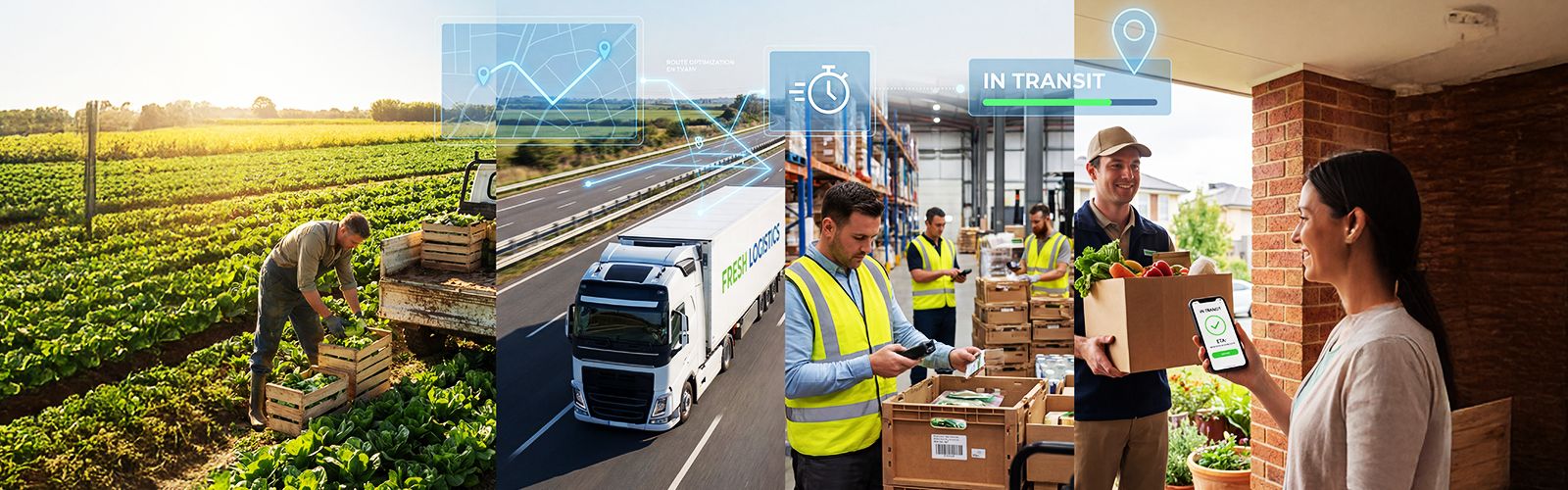
The journey from farm to front door has become shorter, faster, and far more complex. Businesses that once relied on distributors and retail shelves are now delivering products directly to customers. Fresh produce, groceries, and specialty foods often move straight from producers to homes. Thereby, creating a new logistics model built around speed and reliability. This shift has made delivery management a critical capability.
Customers expect fast delivery, clear ETAs, and real-time updates. According to McKinsey & Company, more than 90 percent of consumers now expect two to three-day delivery as a standard, while demand for faster delivery continues to grow.
To meet these expectations, businesses need systems that can coordinate dispatching, optimize routes, and maintain visibility across the entire delivery network. This is where modern delivery management software and intelligent logistics platforms play a vital role.
The Rise of Farm-to-Doorstep Delivery Models
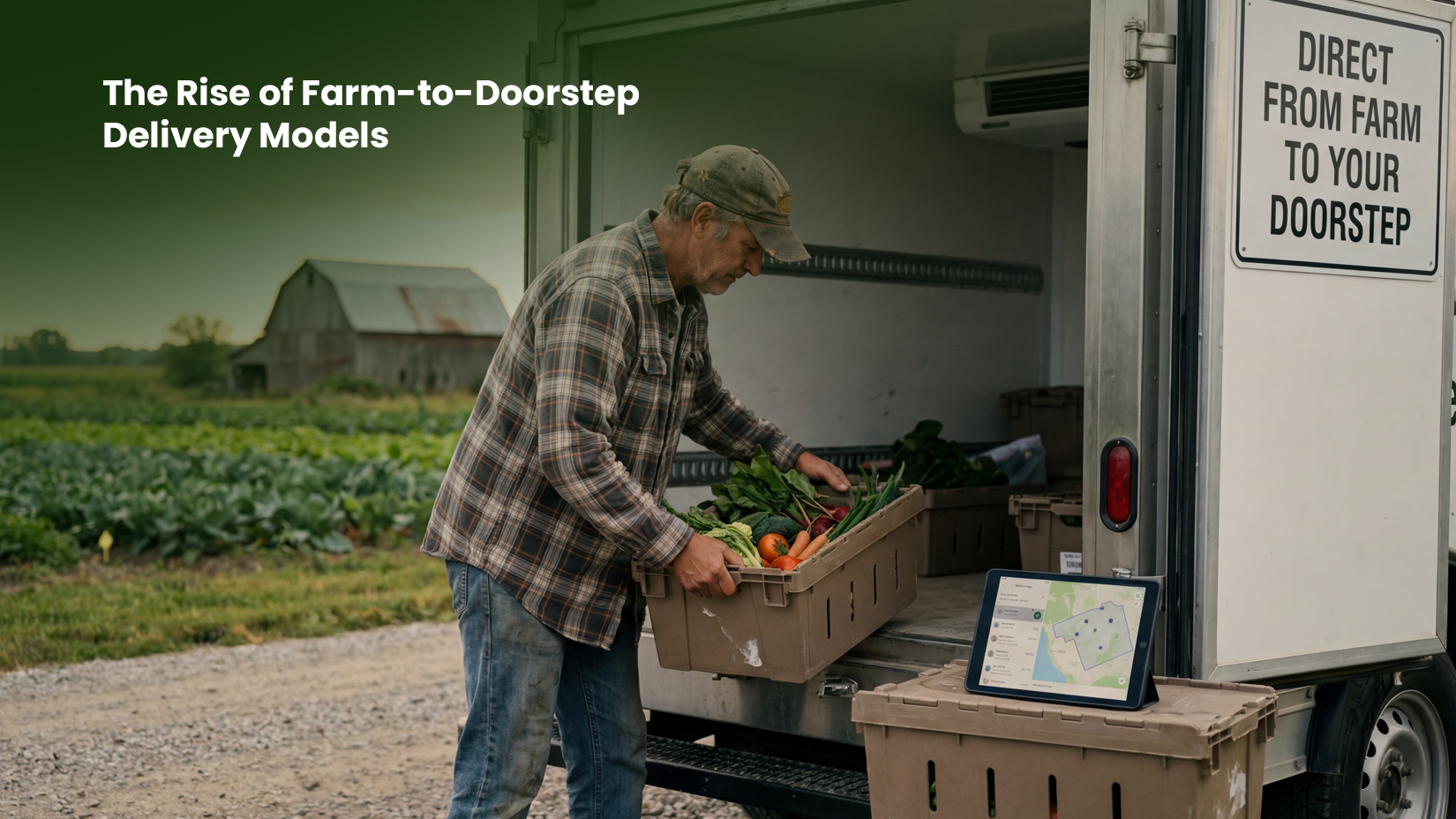
Direct-to-consumer delivery has expanded rapidly in sectors such as agriculture, groceries, meal kits, and specialty foods. Many farms and producers now sell directly to consumers through online platforms, bypassing traditional retail channels.
While this model creates new opportunities, it also introduces logistical challenges. Products must be transported quickly to maintain freshness. Delivery routes must be carefully planned to ensure efficiency. Customer expectations for delivery timing and tracking continue to rise.
According to Statista, the global last-mile delivery market is expected to exceed 200 billion USD by 2027. As delivery volumes increase, businesses must rely on technology to manage growing operational complexity.
This is why many organizations are adopting advanced delivery management systems that allow them to control deliveries from the point of production to the customer’s doorstep.
What is a Delivery Management System?
A delivery management system (DMS) is a digital platform designed to plan, execute, and optimize delivery operations. It connects warehouses, dispatch teams, drivers, and customers through a centralized interface.
For farm-to-doorstep logistics, this coordination is essential. Deliveries often involve multiple destinations, time-sensitive products, and varying delivery windows.
A modern delivery management platform helps businesses manage these variables through features such as:
- Automated order allocation
- Intelligent route planning
- Real-time driver tracking
- Electronic proof of delivery
- Automated customer notifications
- Delivery performance analytics
By bringing these capabilities together, a DMS enables businesses to deliver products faster while maintaining operational control.
How Delivery Management Software Improves Farm-to-Doorstep Logistics
One of the biggest challenges in farm-to-doorstep logistics is route efficiency. Deliveries may include multiple households across different neighbourhoods, and inefficient routing can quickly increase transportation costs.
Modern delivery management software uses advanced algorithms to determine the most efficient delivery routes. It analyzes factors such as distance, delivery time windows, and traffic conditions to create optimized schedules.
According to Gartner, organizations that implement route optimization technologies can reduce transportation costs by up to 15 percent while improving delivery productivity.
For farms and food distributors, this efficiency helps maintain product freshness while lowering operational expenses.
The Role of AI Powered Delivery Management Software
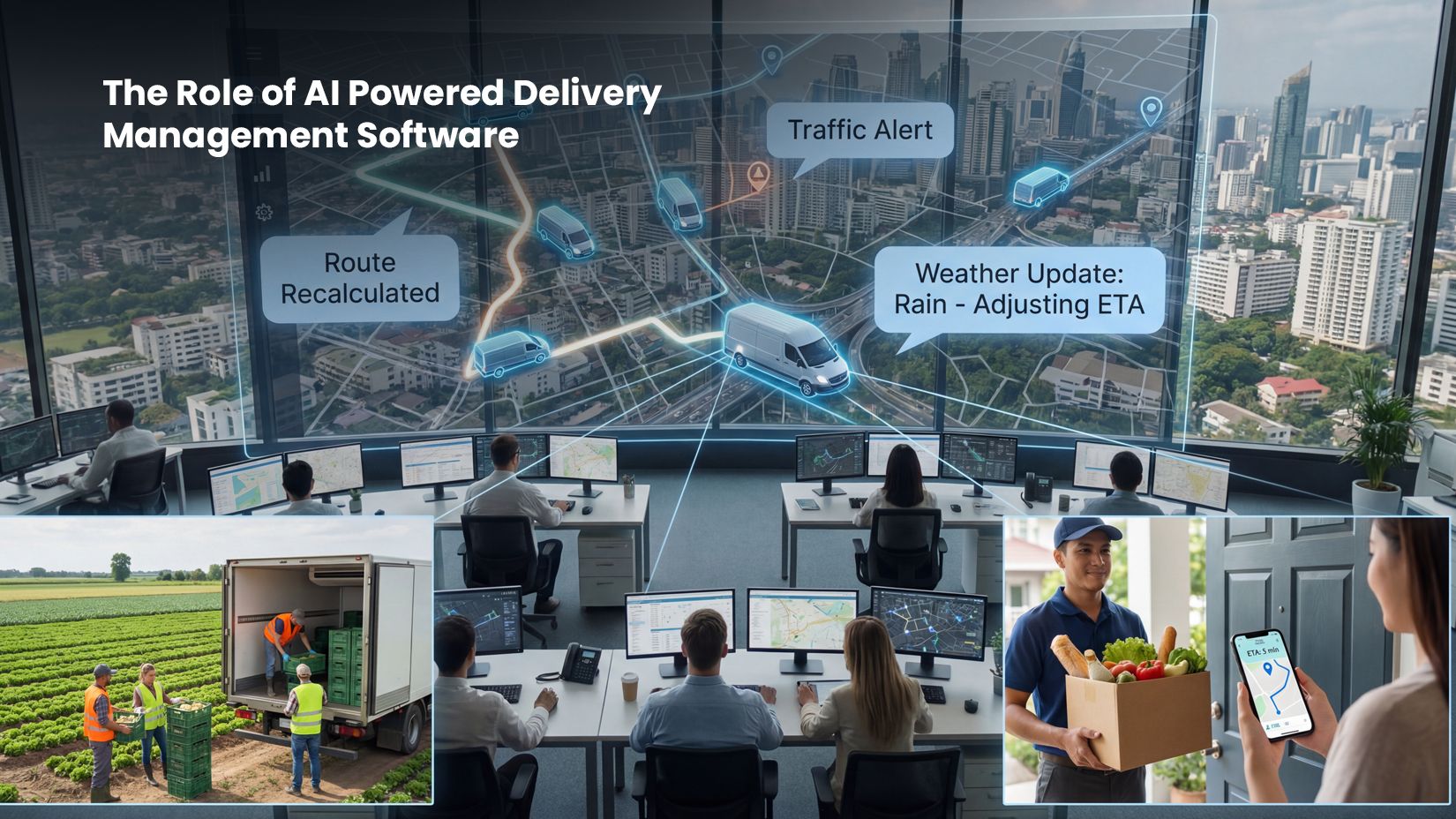
Artificial intelligence is increasingly shaping the future of logistics. In farm-to-doorstep delivery networks, conditions can change rapidly. Traffic congestion, weather conditions, and unexpected delays can disrupt delivery schedules.
AI powered delivery management software helps businesses adapt to these changes in real time. These systems analyze multiple variables, including:
- Traffic conditions
- Weather patterns
- Driver availability
- Delivery time windows
- Historical delivery data
Using this data, AI can dynamically adjust delivery routes and assignments. If delays occur, the system can reroute deliveries or reassign orders to other drivers to maintain delivery schedules.
This level of adaptability is particularly valuable when transporting perishable goods that require timely delivery.
Building Sustainable Supply Chains with Eco-Friendly Delivery Systems
Transparency has become a defining feature of modern delivery experiences. Customers want to know where their order is and when it will arrive.
Real-time tracking allows customers to monitor their deliveries from dispatch to arrival. This visibility is especially important for fresh products where timing matters. According to PwC, 73 percent of consumers say delivery experience influences their purchasing decisions.
Delivery management platforms provide this transparency through automated notifications, live driver tracking, and accurate ETAs. These capabilities help businesses build trust while reducing customer service inquiries.
Why an Integrated Delivery Management Platform Matters
Farm-to-doorstep delivery networks often involve multiple moving parts. Orders may originate from farms, fulfillment centers, or distribution hubs. Drivers must coordinate deliveries across different routes while ensuring products remain fresh.
Using separate tools for dispatching, tracking, and communication can create operational gaps. A unified delivery management platform solves this problem by centralizing operations in one system.
With an integrated platform, businesses gain:
- End-to-end delivery visibility
- Improved coordination between dispatch teams and drivers
- Automated workflows that reduce manual errors
- Real-time operational insights
- Scalable delivery operations
For businesses managing direct-to-consumer deliveries, this level of coordination is essential.
Conclusion
Moving products from farm to front door requires more than transportation. It requires precise coordination, route efficiency, and real-time visibility across the entire delivery process.
Modern delivery management systems provide the technology needed to manage these operations at scale. With capabilities such as AI-driven routing, real-time tracking, and sustainability optimization, businesses can deliver fresh products quickly and efficiently.
Solutions like LogiNext help organizations streamline delivery operations with intelligent dispatching, route optimization, and full delivery visibility. For businesses looking to scale farm-to-doorstep logistics while maintaining control and efficiency, adopting a robust delivery management platform like LogiNext, can be a powerful step toward smarter, more reliable deliveries. Click on the red button to know more.
4

|

|

|




@LogiNext