




AI in Retail: How AI Is Transforming Retail Operations
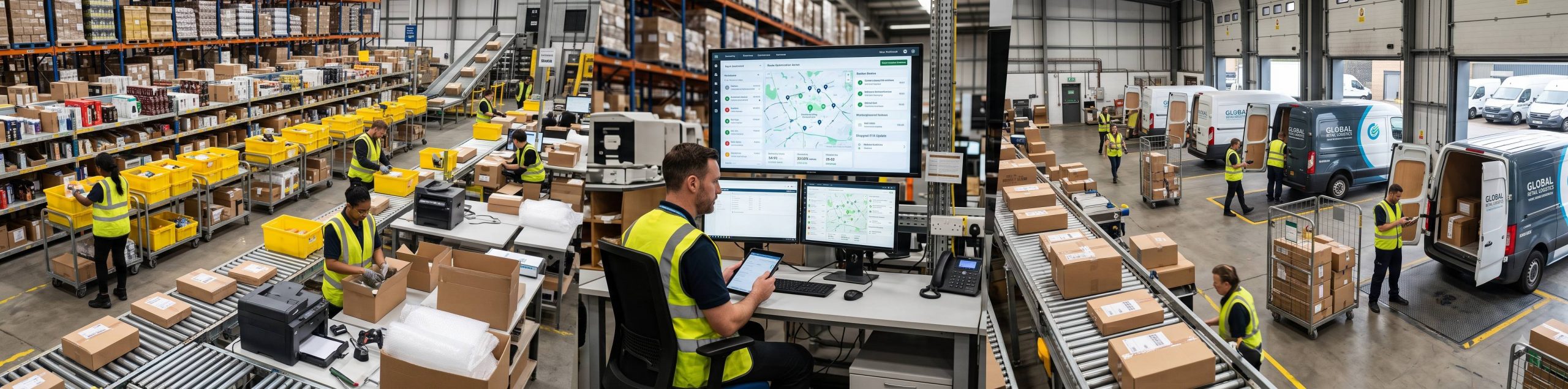
AI in retail is moving beyond product recommendations and chatbots. Retailers are increasingly using artificial intelligence to forecast demand, optimize fulfillment, manage supply chains, automate delivery decisions, and respond to disruptions in real time.
The shift is already significant. NVIDIA’s 2025 survey found that 89% of retail and CPG respondents were either using AI or assessing AI projects, while 82% planned to increase AI spending for supply chain management.
The question is no longer whether retailers should experiment with AI. It is where AI can make better operational decisions that improve speed, cost, accuracy, and customer experience.
Key Takeaways
- The strongest applications extend beyond personalization into supply chain, fulfillment, and delivery.
- AI in retail is moving from experimentation toward operational execution.
- AI creates the most value when it connects data with real-time decisions.
- Retailers should begin with high-impact operational problems that can be measured.
- The next phase of retail AI will increasingly involve AI agents capable of handling connected workflows and operational decisions.
What Is AI in Retail?
AI in retail refers to using artificial intelligence, machine learning, predictive analytics, and AI agents to improve decisions and automate processes across the retail value chain.
Common applications include:
- Demand forecasting and inventory optimization
- Intelligent order fulfillment
- Route and delivery optimization
- Automated dispatch and driver allocation
- Predictive ETAs and exception management
- Customer personalization and service
This makes AI more than another automation tool. It can become an intelligence layer connecting data, decisions, and execution.
Also Read: 3 Retail Risks LogiNext Solves with Intelligent Retail Logistics Management
Why Is AI Becoming Important for Retail Operations?
Retailers are balancing faster delivery expectations with increasing operational complexity. Customers want accurate inventory, flexible fulfillment, faster delivery, and real-time visibility, while businesses need to control fulfillment and transportation costs.
AI can help bridge that gap.
Deloitte reported that six in 10 retail buyers said AI-enabled tools improved demand forecasting and inventory management.
AI is also moving deeper into physical retail operations. Instead of simply predicting what customers might buy, retailers can use AI to determine how, where, and when an order should be fulfilled and delivered.
That is where AI becomes particularly valuable for logistics-heavy retail operations.
What Are the Key AI Use Cases in Retail?
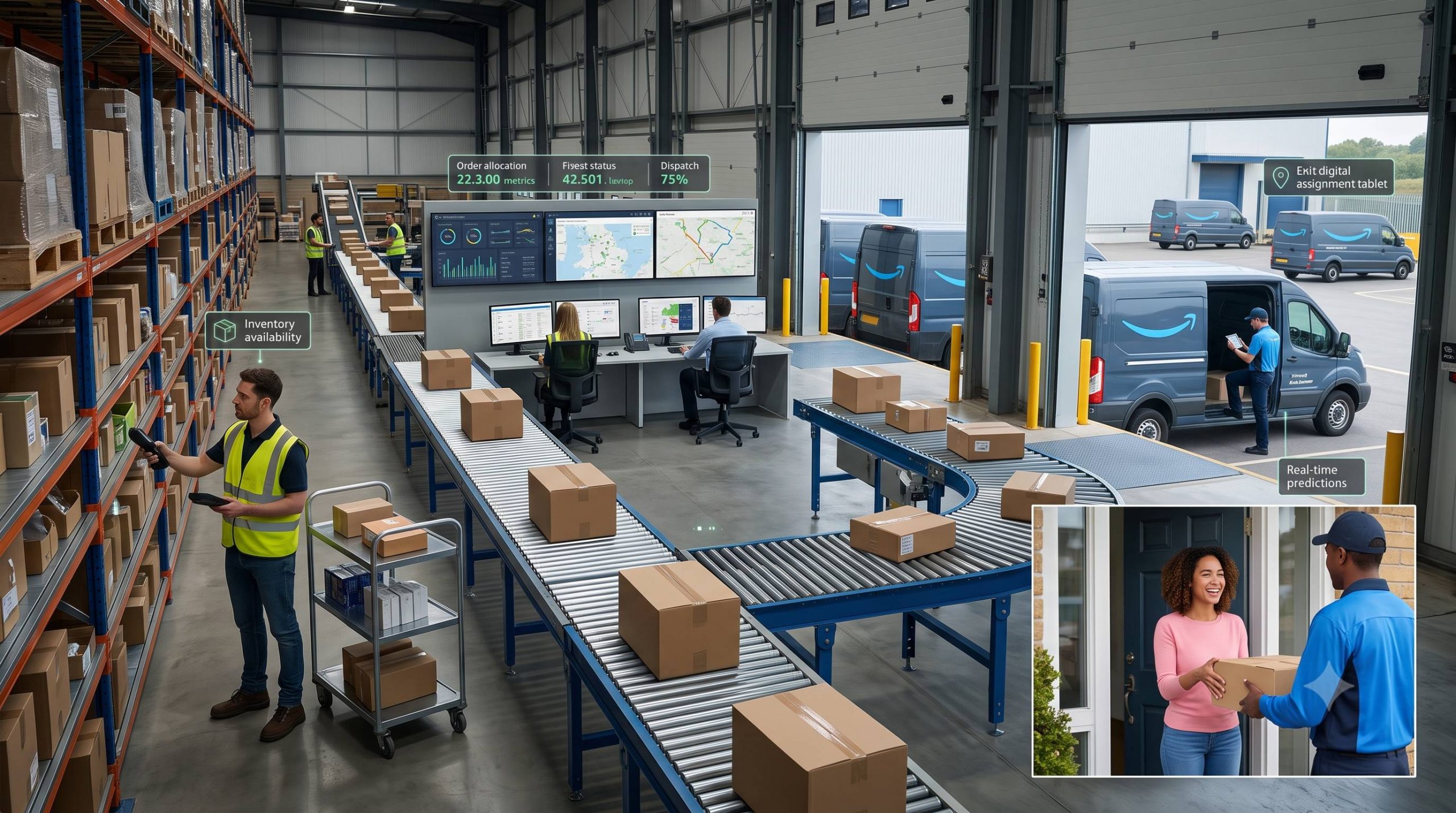
The most valuable AI use cases in retail increasingly involve decisions that directly affect cost, fulfillment, and customer experience.
1. Demand Forecasting and Inventory Optimization:
AI can analyze historical sales, seasonality, promotions, location, and other signals to improve demand forecasts. Better forecasts can help retailers reduce excess inventory while improving product availability.
2. Intelligent Order Fulfilment:
AI can help determine where an order should be fulfilled based on inventory availability, customer location, fulfillment capacity, and delivery requirements.
For omnichannel retailers operating stores, warehouses, and dark stores, this can make fulfillment considerably more responsive.
3. AI-Powered Route Optimization:
Delivery networks generate countless possible route combinations. AI can evaluate traffic, delivery windows, vehicle capacity, driver availability, and order priority to identify more efficient routes.
The advantage is not just finding a good route once. It is adapting the plan as conditions change.
4. Automated Dispatch and Driver Allocation:
AI can help decide which driver should handle an order by considering proximity, availability, workload, vehicle type, location, and delivery SLA.
This reduces manual decision-making while improving the utilization of delivery resources.
5. Predictive ETAs and Exception Management:
AI can identify patterns that indicate a delivery is likely to be delayed. Instead of waiting for a delivery failure, retailers can potentially trigger a reroute, reallocation, or customer notification before the problem escalates.
How Is AI Changing Retail Logistics?
The biggest shift is from automation to intelligent orchestration.
Traditional automation typically follows predefined rules and fixed workflows. It is useful for repetitive tasks, but it often reacts only after an exception occurs.
AI-powered operations take a more adaptive approach. They can evaluate changing conditions, identify potential problems, and continuously optimize decisions across connected workflows.
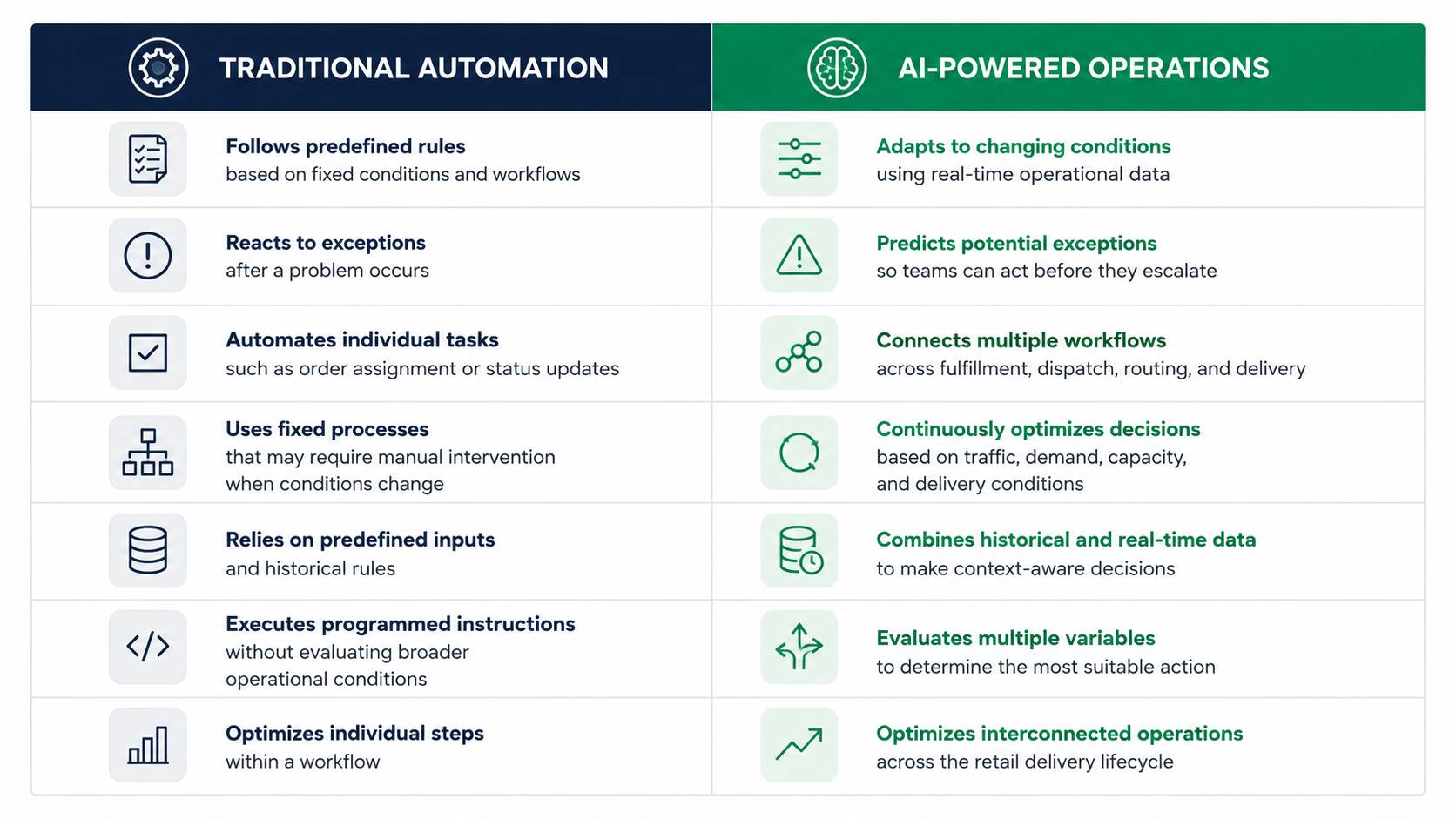
Consider a retailer receiving hundreds of orders during a peak period. A traditional system might assign deliveries according to predefined zones or rules. An AI-powered system can consider order priority, driver availability, vehicle capacity, traffic, delivery windows, and predicted delays before deciding how those orders should be allocated and routed.
That is the real value of AI in retail logistics. Not simply automating more tasks, but making better operational decisions as conditions change.
What Are the Benefits of AI in Retail?
When implemented effectively, AI can improve three areas: operational efficiency, decision-making, and customer experience.
Key benefits include:
- Lower fulfillment and transportation costs
- Better demand forecasting
- Faster order fulfillment
- Improved inventory utilization
- Faster order fulfillment
- Higher fleet productivity
- More accurate delivery ETAs
- Better on-time delivery performance
- Faster response to disruptions
The potential business impact is already visible. NVIDIA’s 2025 retail and CPG research reported that 94% of respondents said AI helped reduce annual operational costs. While 87% reported a positive impact on annual revenue.
However, AI is not a magic fix.
What Challenges Should Retailers Consider?
The biggest challenges are often not the AI models themselves. They include data quality, fragmented systems, integration, governance, cost, and employee adoption.
McKinsey found that while 90% of surveyed retail executives had started experimenting with generative AI, only two executives among the 52 companies surveyed had successfully implemented it across their organizations.
That highlights an important lesson: AI experimentation is easy; operationalizing AI is harder.
Retailers should therefore start with specific, measurable problems rather than trying to AI-enable everything at once.
How Can Retailers Prepare for AI-Driven Operations?
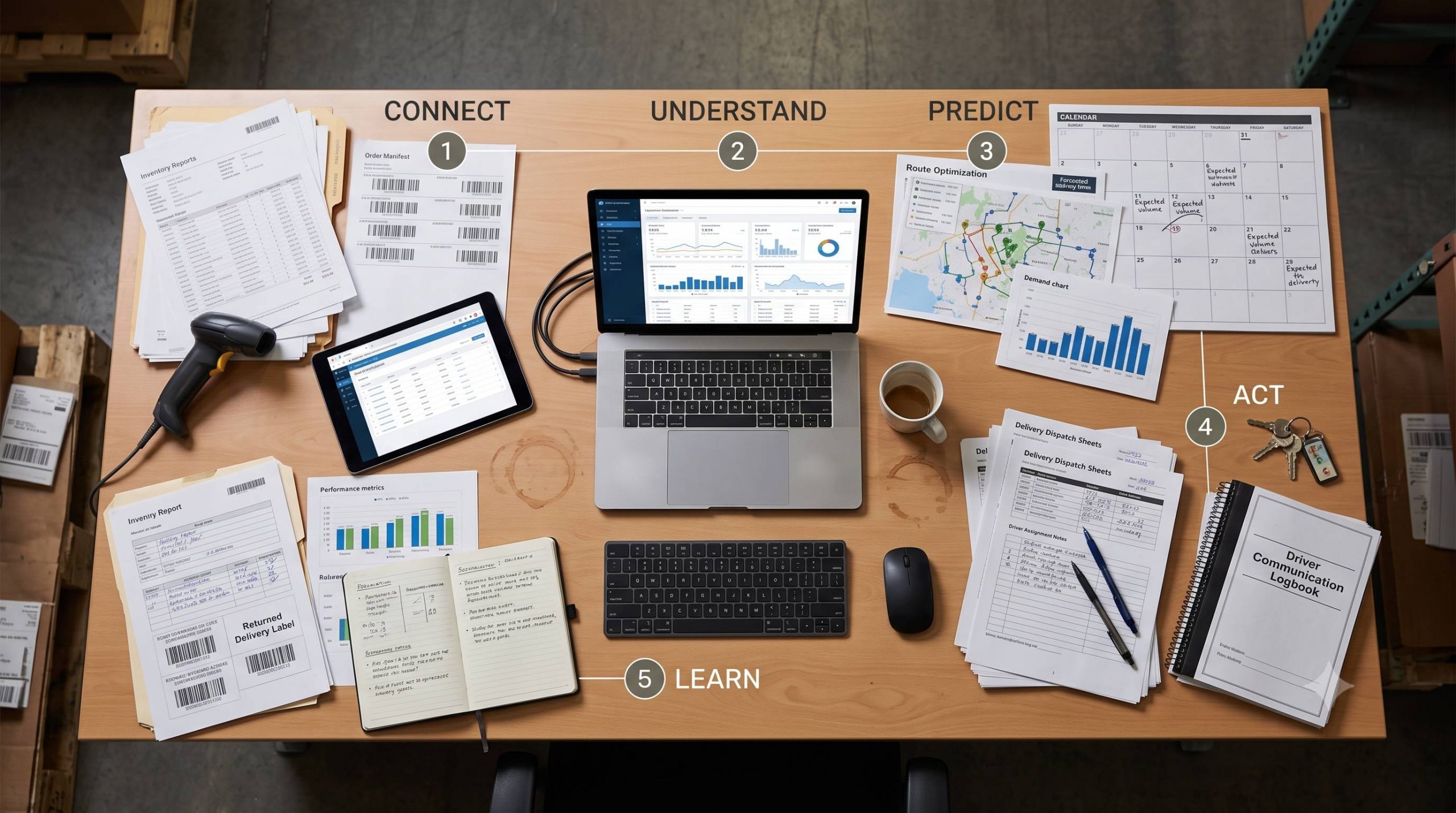
A practical framework is:
Connect → Understand → Predict → Act → Learn
1. Connect: Integrate order, inventory, fleet, and operational data.
2. Understand: Build real-time visibility across workflows.
3. Predict: Identify demand changes, delays, risks, and opportunities.
4. Act: Automate or recommend the next operational decision.
5. Learn: Use performance data to continuously improve decisions.
For retail logistics, this approach can connect fulfillment decisions with dispatch, routing, tracking, and delivery performance.
Platforms such as LogiNext help retailers bring these workflows together through intelligent dispatch, route optimization, and real-time delivery visibility.
Frequently Asked Questions
1. What is AI in retail?
AI in retail is the use of artificial intelligence and related technologies to improve decisions and automate processes across areas such as demand forecasting, inventory, fulfillment, logistics, and customer experience.
2. How is AI used in retail operations?
Retailers use AI for demand forecasting, inventory optimization, order fulfillment, route optimization, driver allocation, predictive ETAs, personalization, and exception management.
3. How does AI improve retail supply chains?
AI can analyze large volumes of data to forecast demand, identify potential disruptions, optimize inventory, and improve fulfillment and transportation decisions.
4. What are AI agents in retail?
AI agents are systems designed to reason through tasks and take actions with limited human intervention. In retail, they can support workflows across customer service, fulfillment, merchandising, and supply chain operations.
Conclusion
AI in retail is moving beyond personalization to transform the operations behind every order. From fulfillment and dispatch to route optimization and predictive ETAs, AI can help retailers make faster, smarter decisions across the delivery lifecycle.
The next step is turning AI from experimentation into measurable operational performance. With LogiNext, retailers can bring intelligent dispatch, route optimization, and real-time delivery visibility together on one platform.
Ready to make your retail operations smarter? Book a demo with LogiNext today.
“”
 |  |  |




@LogiNext