





A Year That Delivered: How LogiNext Turned 2025 Into a Playbook for What’s Next
Some years pass by. Some years move the needle. And then there are years that quietly redefine how a company operates, builds, and shows up in the world. Without shouting it on every deck. 2025 was the third kind for LogiNext.
It wasn’t about chasing trends or shipping features for the sake of it. It was about clarity, execution, discipline and proving that logistics needs systems that actually work and not something that makes noise. They need a system that actually works when things get messy.
Here’s how the year unfolded. One quarter at a time. One story, end to end.
Q1: Direction Before Speed
The year opened with intent and not resolutions that disappear by the 3rd week of the year.
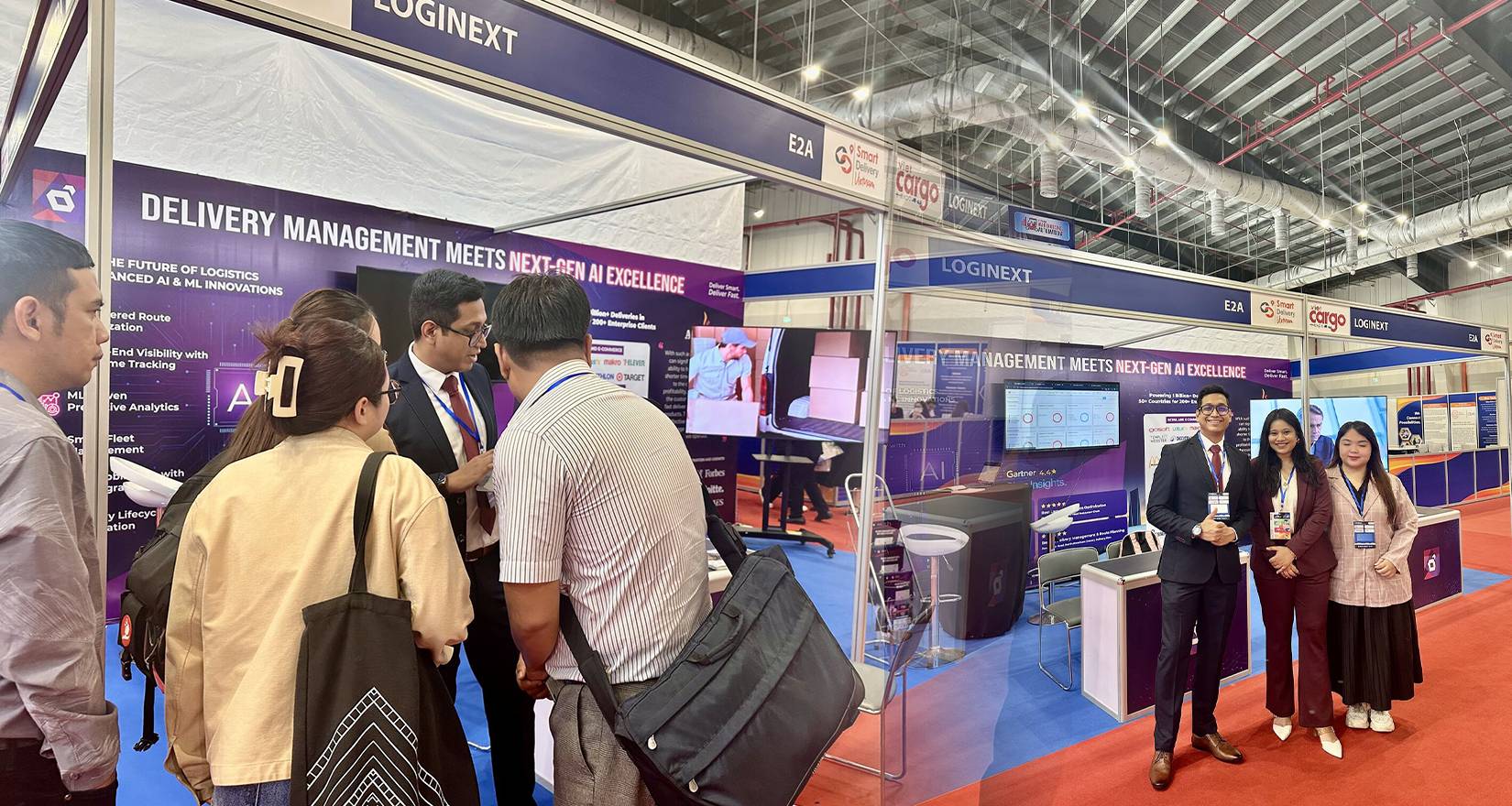
January placed LogiNext at Smart Delivery Expo Thailand, one of the first global touchpoints of 2025. Last mile delivery was no longer being talked about as an innovation layer; it had turned core infrastructure. Enterprises were not asking if they needed it, but why the deliveries still felt apart.
That clarity carried into March with the Bali offsite. It was a working reset. Teams across functions aligned on what customers actually needed next. Fewer manual decisions, more intelligence built into workflows, and platforms that scaled without developing personality issues under pressure.

Q1 didn’t chase momentum. It created it by ensuring every team was going in the same direction before accelerating.
Q2: Showing Up Globally and Shipping What Matters
If Q1 laid the foundation, Q2 put LogiNext in motion.
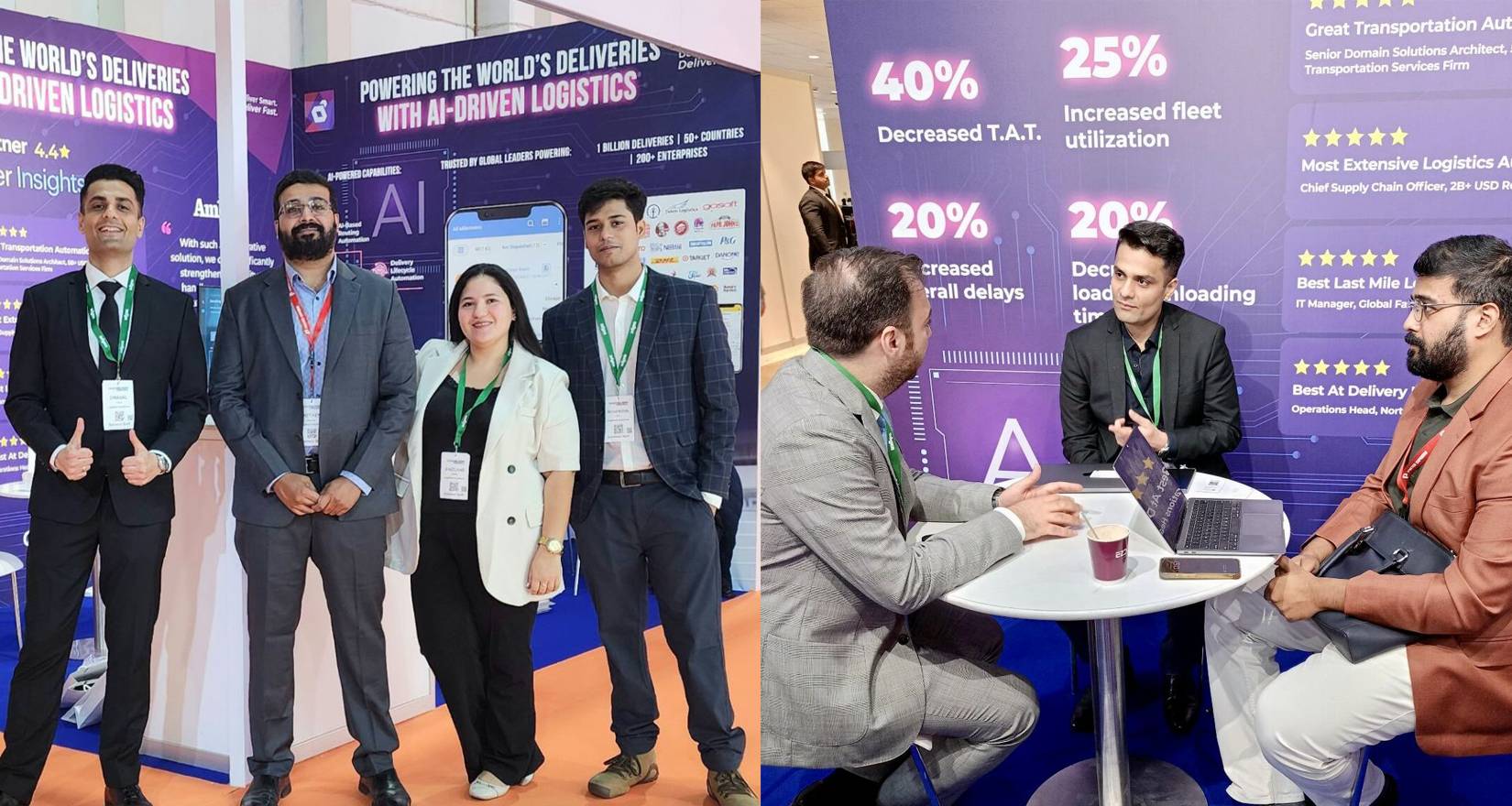
May marked a strong global presence, starting with Home Delivery Middle East. Here, the deliveries volume was high, SLA’s were strict and almost on time counted as late. Shortly after, LogiNext continued the dialogue at Smart Delivery Vietnam, engaging with the fast-growing markets.
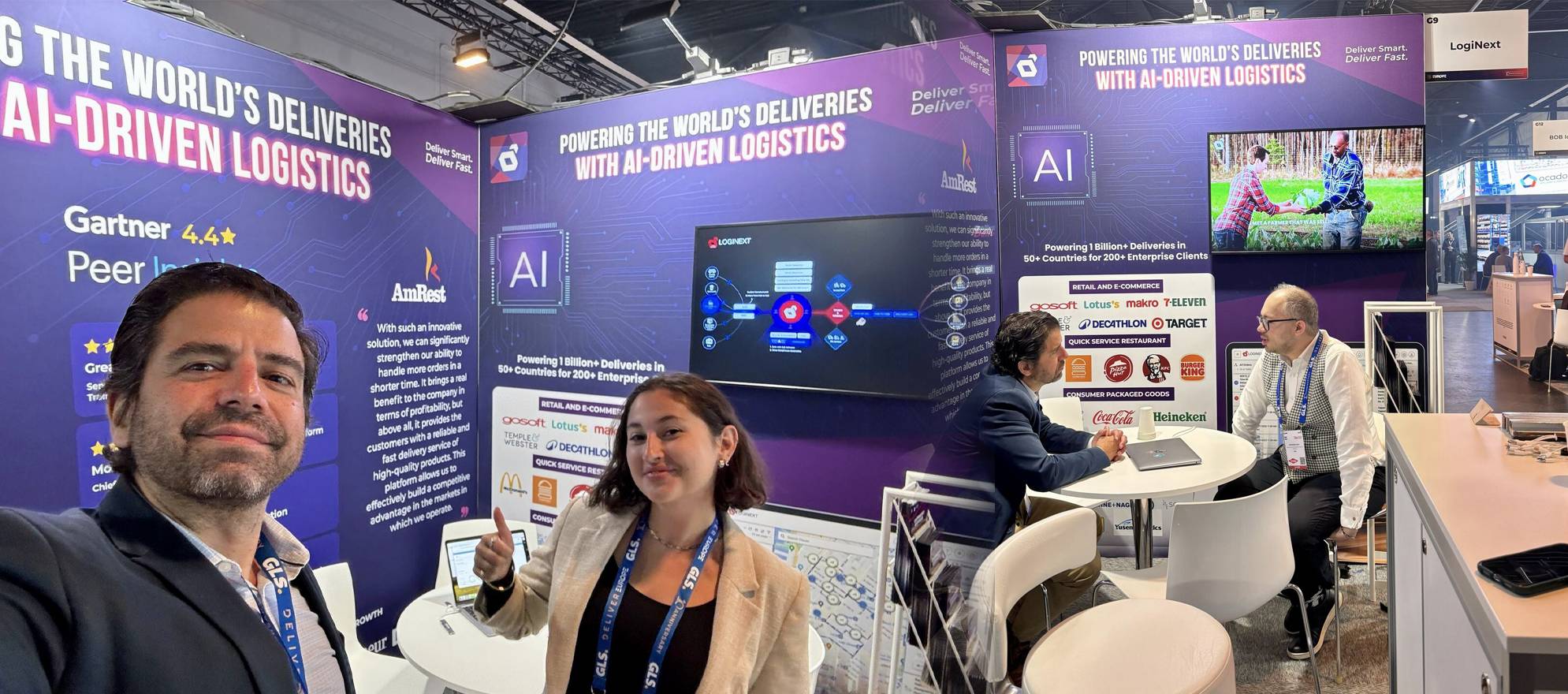
Momentum carried in June with Deliver Europe, where the buyer’s intentions reflected a clear shift. Expectations had matured. They have been looking at platforms that have seamless integration capabilities, reliable performance, and long-term scalability.
That same month, LogiNext reached a major milestone: the release of the LogiNext Mile Mobile App. Designed for drivers and field teams, the app prioritizes speed, clarity, and ease of use. As nobody would like to troubleshoot software while finding a parking spot.
One thing Q2 made clear, LogiNext wasn’t widening visibility for optics. It was pairing a global footprint with product progress that operators could feel right away.
Q3: Letting Performance Do the Talking
Q3 didn’t need a microphone.
The focus shifted inward. Platform stability, scaled live deployments, and fine-tuning performance under real-world conditions – the ones that don’t show up in controlled demos.
That focus created tangible trust. LogiNext earned a 4.9-star rating on Gartner Peer Insights, reflecting feedback from enterprise teams. It was also named a Representative Vendor in the Gartner Market Guide for Last-Mile Delivery Technology Solutions. A recognition reserved for platforms that do more than promised.

August added another accolade. LogiNext was named Transport Management System of the Year at the 2025 SupplyTech Breakthrough Awards. In short: it worked, scaled and behaved.
Q3 underlined a fact: credibility cannot be claimed, it has to be earned and LogiNext has earned it.
Q4: Intelligence, Reflection, and What Comes Next
The final quarter refined execution and prepared it for scale.
In October, at the Logistics, Warehouse and Supply Chain Awards 2025, LogiNext was recognized as Best Logistics Automation Platform 2025 and also received the Client Service Excellence Award 2025. A clear verdict that automation was delivering outcomes and not just dashboards.
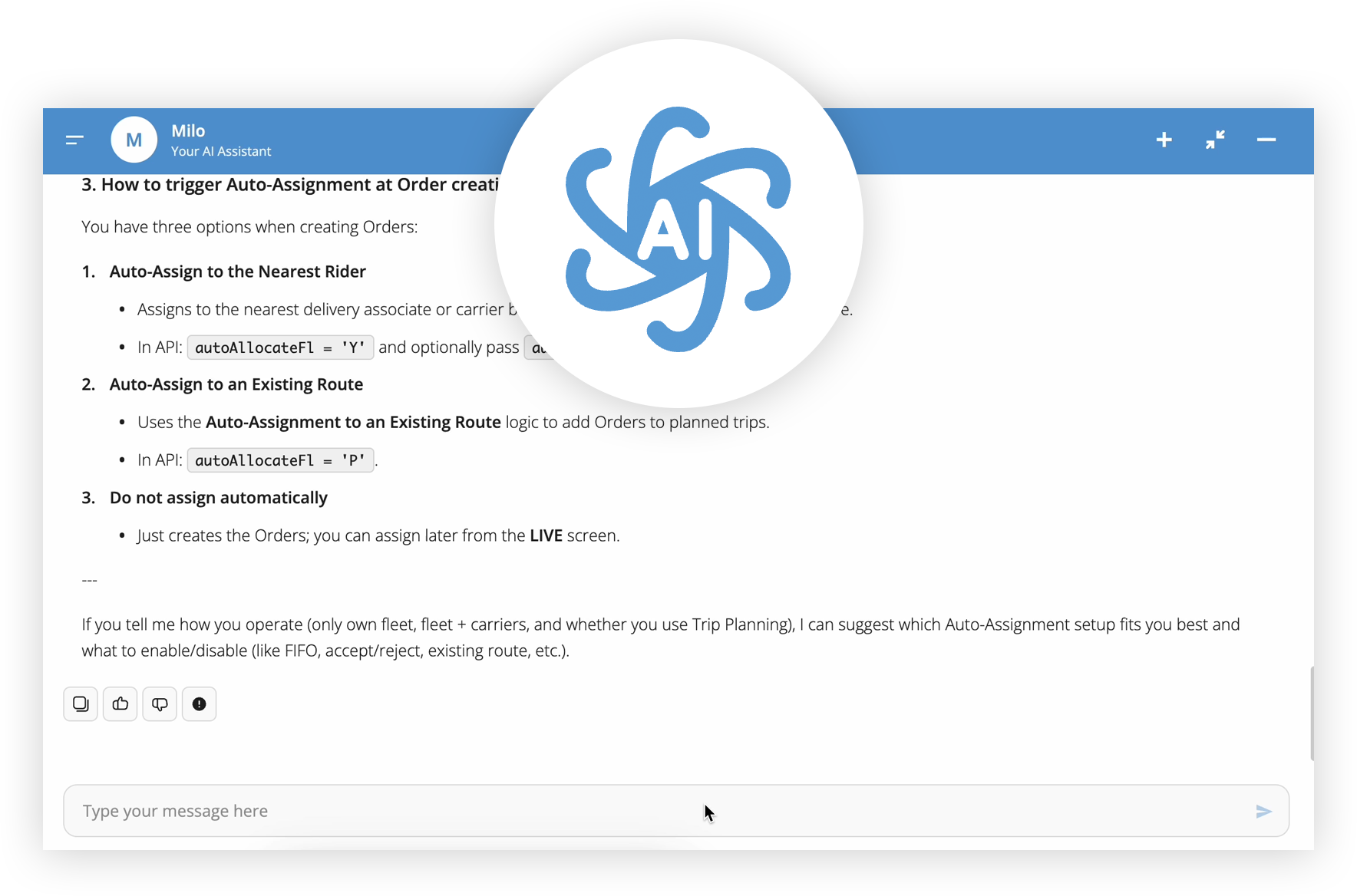
November brought Milo, an in-product chatbot designed to reduce friction and keep the operations smooth by speeding up access to insights and providing support in context. This will help teams to spend less time searching and more time moving things.
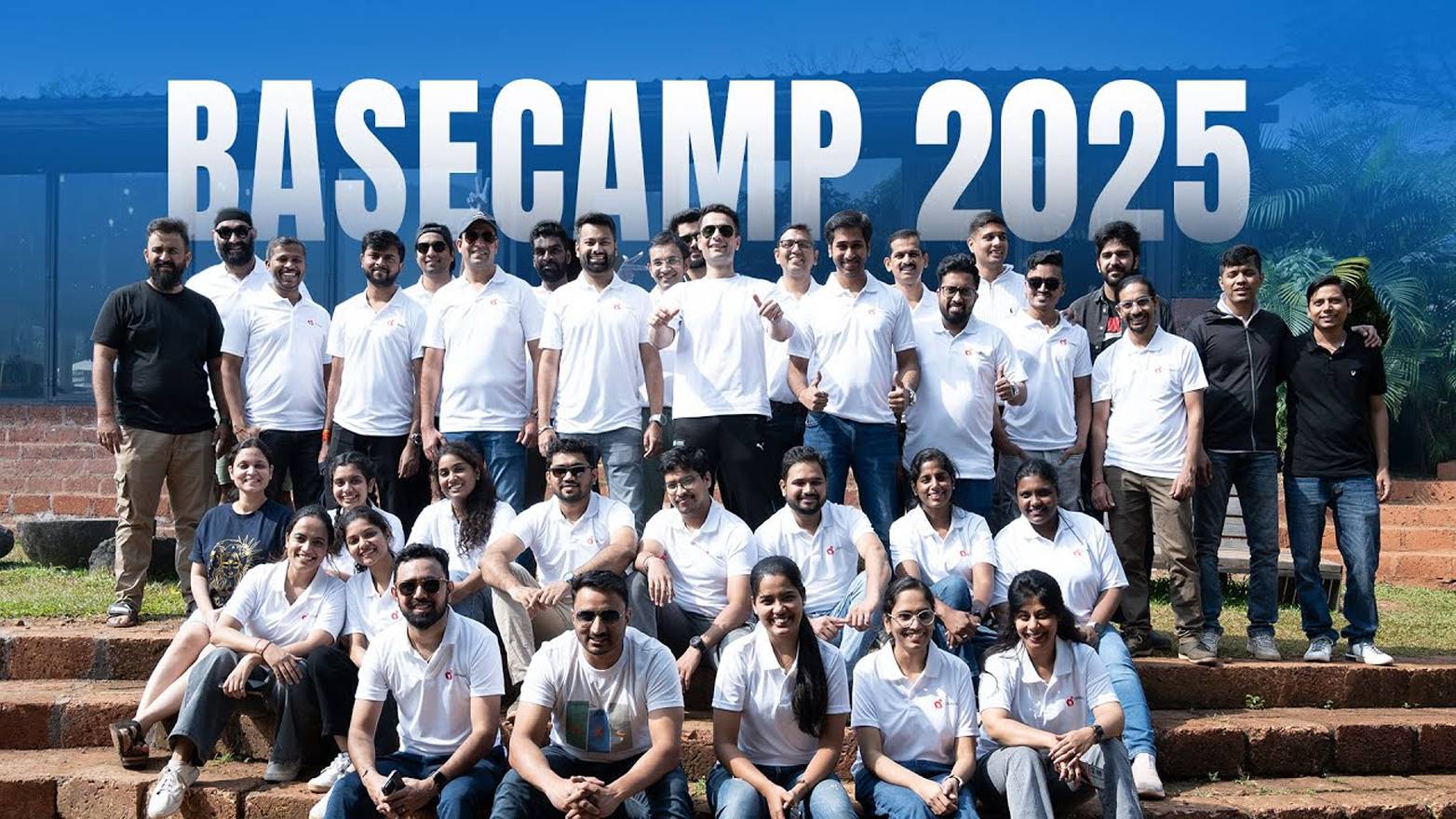
December closed the year with Base Camp, an internal reset that shifted attention from delivery to direction. Teams reviewed lessons learned and realigned priorities without pretending everything was flawless.
Q4 did not slow down but refined the pace.
Why 2025 Matters: A Year Defined by Execution
2025 wasn’t about trends. It was about getting the fundamentals right, across markets, products, and teams.
Each quarter drove home a very similar point: last-mile delivery needs systems tested by real-world stress, not ideal conditions. LogiNext closed the year stronger by moving with purpose and prioritizing execution that scales.
What remains isn’t an overview but a repeatable blueprint for building the right way, growing without breaking, and leading with confidence. That’s where TSD sets the standard, and tangible value will be delivered by TT.
2026: Turning AI Into the Backbone of Execution
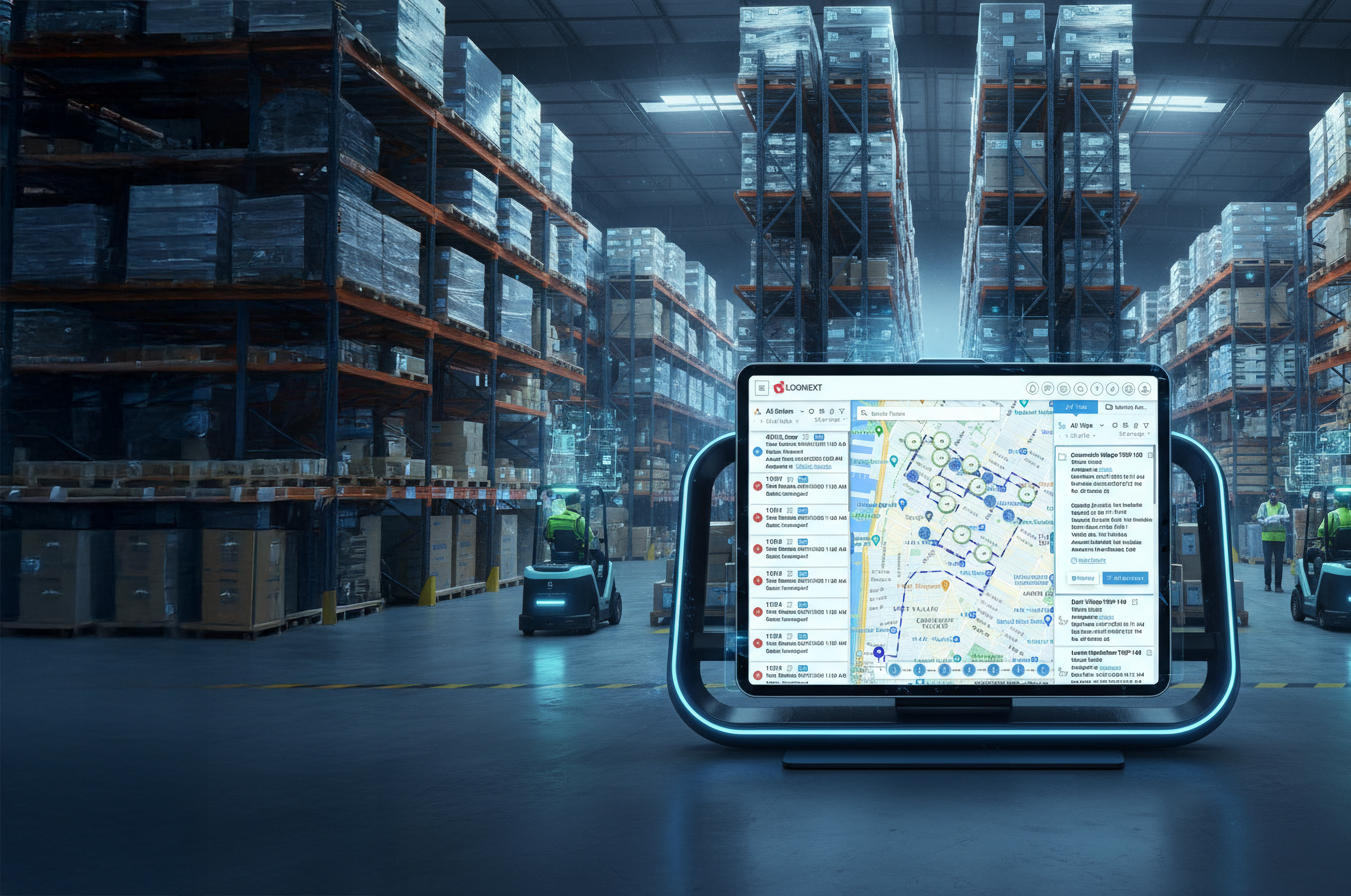
If 2025 proved execution, then 2026 is about intelligence at scale.
LogiNext enters the year focused on embedding AI deeper into everyday logistics decisions, shifting from reactive operations to predictive, increasingly autonomous systems. Routing, dispatching, exception handling, and capacity planning are all going to adapt in real-time to reduce manual intervention and keep teams ahead of disruptions, not just reacting to them.
AI’s role is not to replace operators but to amplify them. Less firefighting. More foresight. Decisions guided by live context, not static rules.
By 2026, AI will not be on the sidelines. AI will be the backbone of last-mile execution.
Curious what AI-led logistics looks like in practice?
47

|

|

|




@LogiNext