




Route Optimization: Why the 7 AM Plan Is Dead by 10 AM
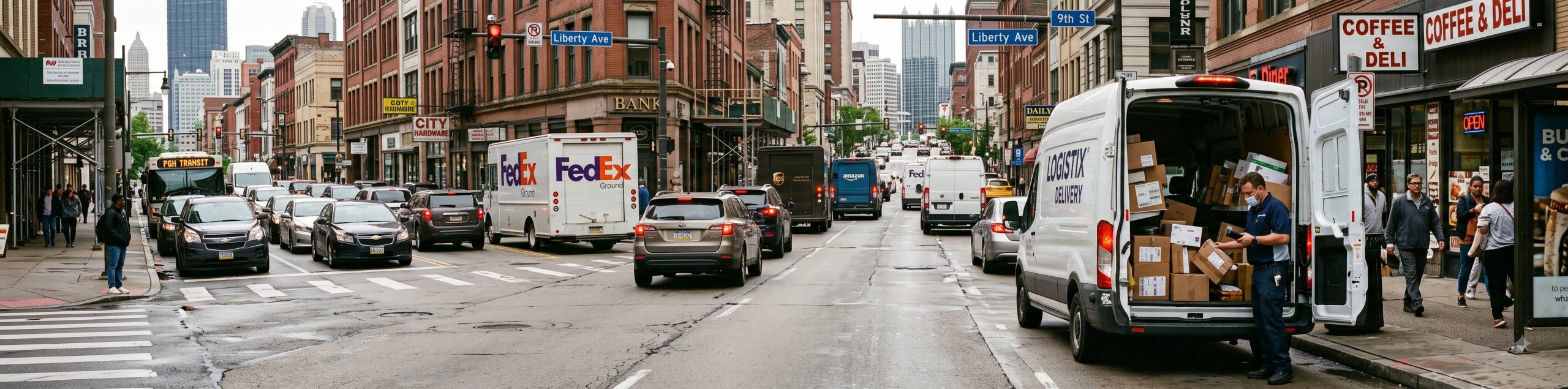
At 7 AM, the delivery plan looks perfect. Every driver has a route, every vehicle has a set of stops, and the dispatch team has accounted for distance, capacity, traffic and customer time windows. Then the day starts happening. A vehicle goes out of service, traffic builds on a major road, a high-priority order comes in, and a customer asks for a different delivery window. By 10 AM, the route that looked optimal three hours ago may be anything but. This is the problem modern route optimization needs to solve. And not simply finding the best plan, but continuously adapting that plan as reality changes.
Key Takeaways
- Route optimization should not be limited to start-of-day planning.
- Traffic, vehicle availability, new orders and customer changes can quickly invalidate an existing plan.
- Dynamic and real-time optimization helps delivery operations adapt as conditions change.
- The shortest route isn’t always the route that delivers the best business outcome.
- AI can connect routing with prediction, allocation and execution.
- The next step beyond route optimization is intelligent logistics orchestration.
The Problem With the Perfect Route
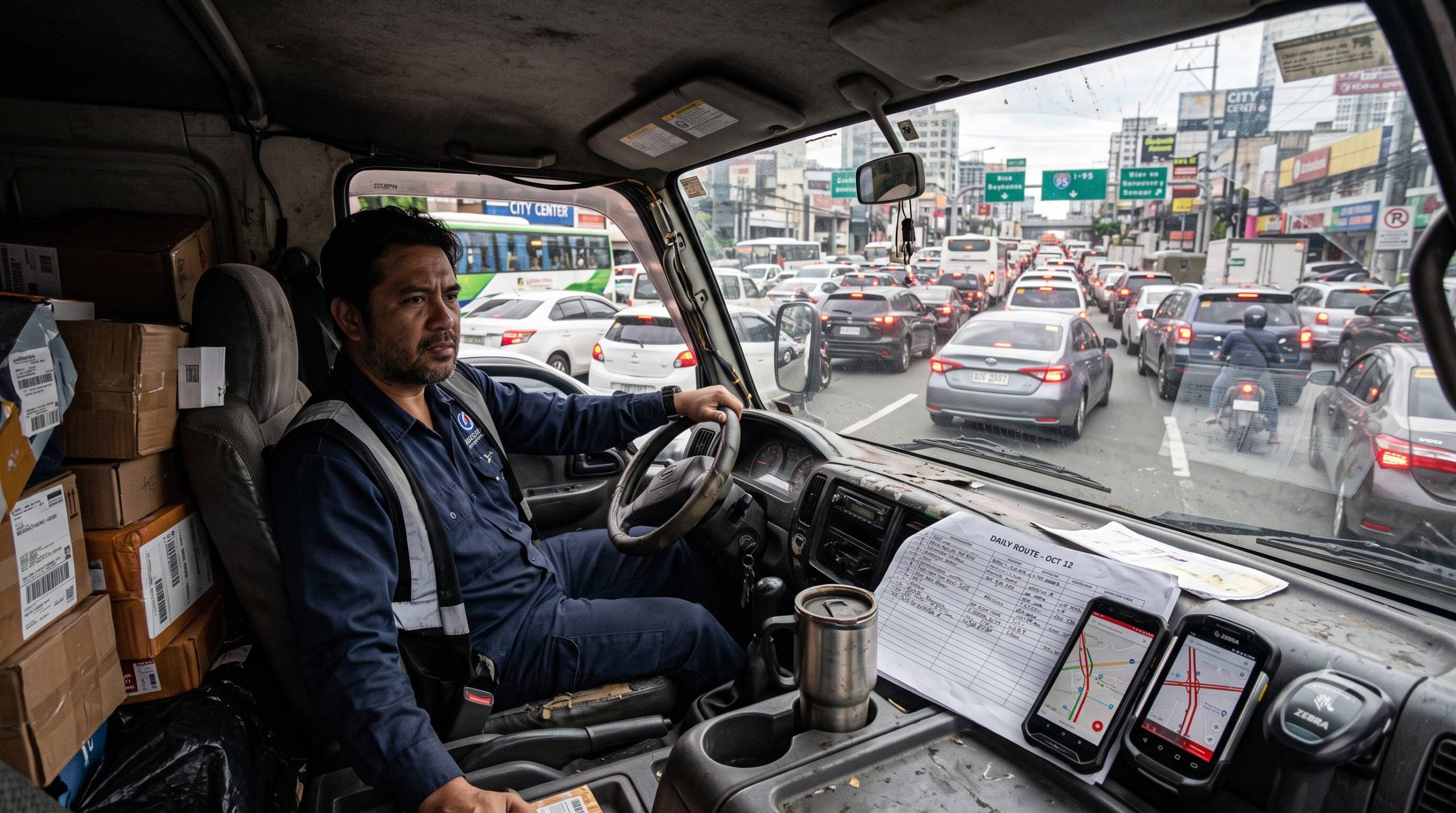
For years, route planning has largely been treated as a start-of-day exercise. Feed orders, vehicles, drivers, locations and constraints into a system, generate the most efficient routes, send them to drivers, and get moving.
That approach works reasonably well when the operating environment stays predictable. Delivery operations, unfortunately, have never been particularly interested in cooperating with that assumption.
Traffic can change within minutes. Drivers can fall behind schedule. Orders can be added after routes have already been dispatched. Vehicles can become unavailable. Customers can cancel deliveries or request a different time slot. Even something as simple as a failed delivery can create a chain reaction across several routes.
The issue isn’t necessarily that the original plan was bad. It is that the conditions behind the plan no longer exist.
That distinction is becoming increasingly important as logistics networks become more complex and enterprises handle larger delivery volumes. McKinsey’s 2026 research on logistics found that nearly 90% of surveyed shippers had adopted at least one transportation AI use case, showing how quickly technology is moving from experimentation toward operational use.
The next question is no longer whether logistics should use intelligence. It is where that intelligence should influence decisions.
Route Optimization Has to Keep Up With Reality
Modern route optimization is moving from static planning toward continuous decision-making.
Instead of calculating a route once and assuming it will remain valid, a dynamic system continuously evaluates what is happening across the delivery network. If traffic changes, it can reassess affected routes. A vehicle becomes unavailable, it can identify alternative capacity. If a new order enters the network, it can determine where that order can be accommodated without unnecessarily disrupting existing commitments.
This changes the fundamental question. A traditional system asks, “What is the best route?”
A more dynamic approach asks, “What route can we take based on what we know right now?”
That difference might sound small, but operationally it is enormous.
A route that saves five miles but causes three late deliveries isn’t necessarily better. Neither is a route that minimizes driving time if it leaves another vehicle overloaded. The real objective is to balance distance, cost, capacity, delivery commitments, driver availability and customer experience at the same time.
In other words, the best route isn’t always the shortest route. It is the route that produces the best operational outcome.
What Changes Between 7 AM and 10 AM?
Imagine a retailer beginning the day with 500 deliveries across a large metropolitan area.
At 7 AM, route optimization assigns drivers based on the information available at that moment. The routes account for vehicle capacity, delivery windows, expected travel time and driver availability.
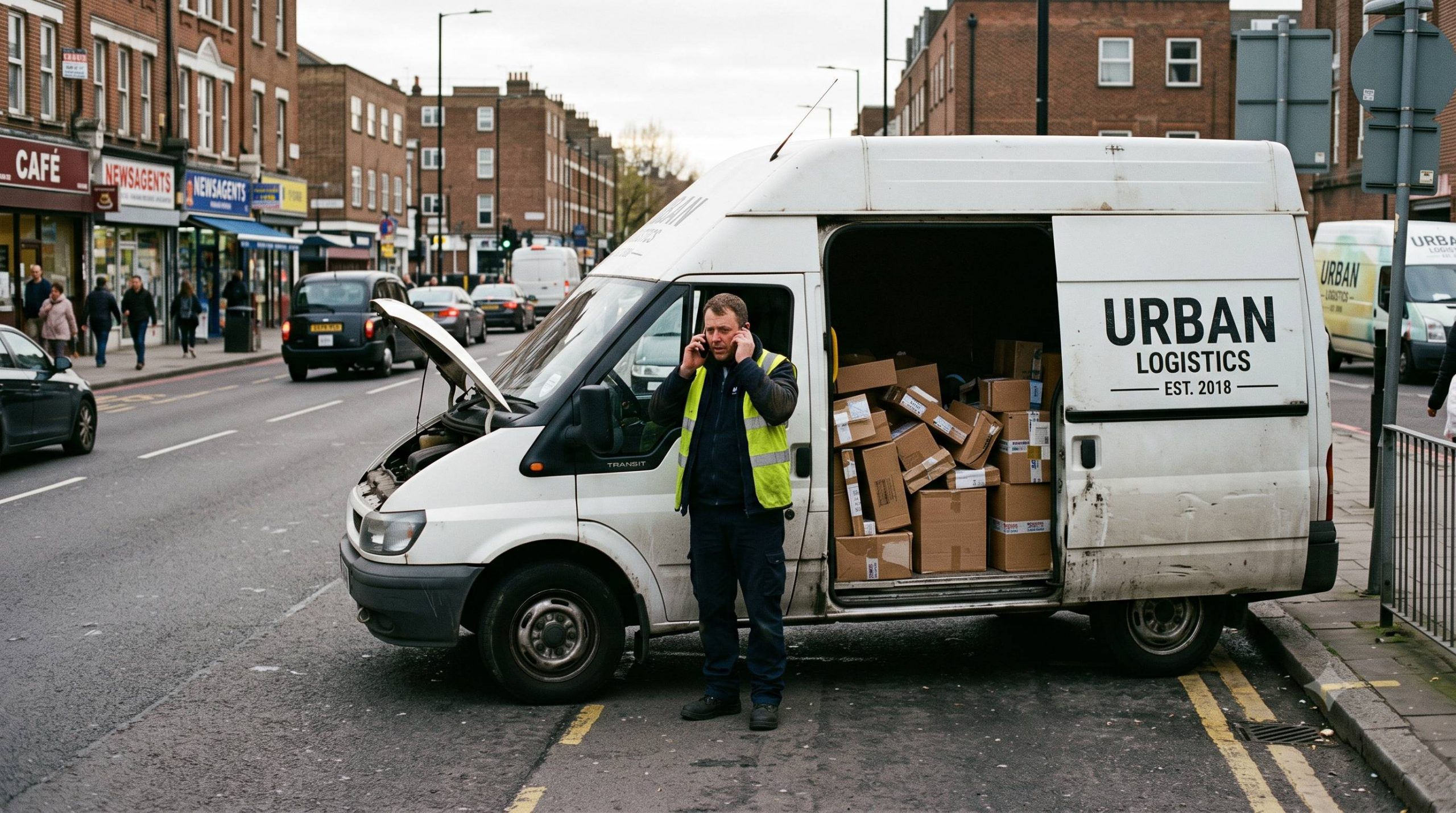
At 8:15 AM, one vehicle develops a mechanical problem.
At 8:40 AM, congestion begins building along a major corridor.
9 AM, twenty additional orders need to be incorporated into the day’s operation.
By 9:30 AM, several drivers are behind schedule.
At 9:45 AM, two customers request later delivery windows.
None of these events were necessarily predictable when the original routes were created. Yet each one changes the conditions under which those routes were supposed to operate.
A static plan now requires manual intervention. Someone has to identify affected deliveries, check available drivers, work out alternative routes, communicate changes and monitor the results. The more vehicles and orders an enterprise manages, the harder this becomes.
Dynamic route optimization changes the equation by allowing the system to respond as the situation develops.
Instead of waiting for a dispatcher to discover every problem, the platform can use real-time operational data to identify changes, evaluate alternatives and support faster decisions.
The Shortest Route Isn’t Always the Smartest Route
This is where route optimization often gets oversimplified.
If the goal were simply to reduce distance, the problem would be relatively straightforward. But enterprise delivery operations have several competing objectives.
A route may need to account for:
- Cost: Distance, fuel consumption and vehicle utilization.
- Speed: Travel time and changing traffic conditions.
- Service: Customer delivery windows and SLAs.
- Capacity: Vehicle space, weight and driver availability.
- Reliability: Delays, failed deliveries and operational risk.
- Flexibility: New orders and changing delivery conditions.
Optimizing one variable while ignoring the others can create a solution that looks efficient on paper. However, performs poorly in the real world.
For example, sending a driver on the shortest possible route may save fuel while increasing the likelihood of missing a customer’s promised delivery window. Adding one more stop to an existing route might appear efficient until it pushes the driver beyond capacity or creates delays across the rest of the route.
That is why modern route optimization software needs to optimize for business outcomes, not just geography.
The goal isn’t to find a mathematically perfect route and leave it untouched. It is to keep the operation as close to optimal as possible while the world keeps changing around it.
From Route Optimization to Logistics Orchestration
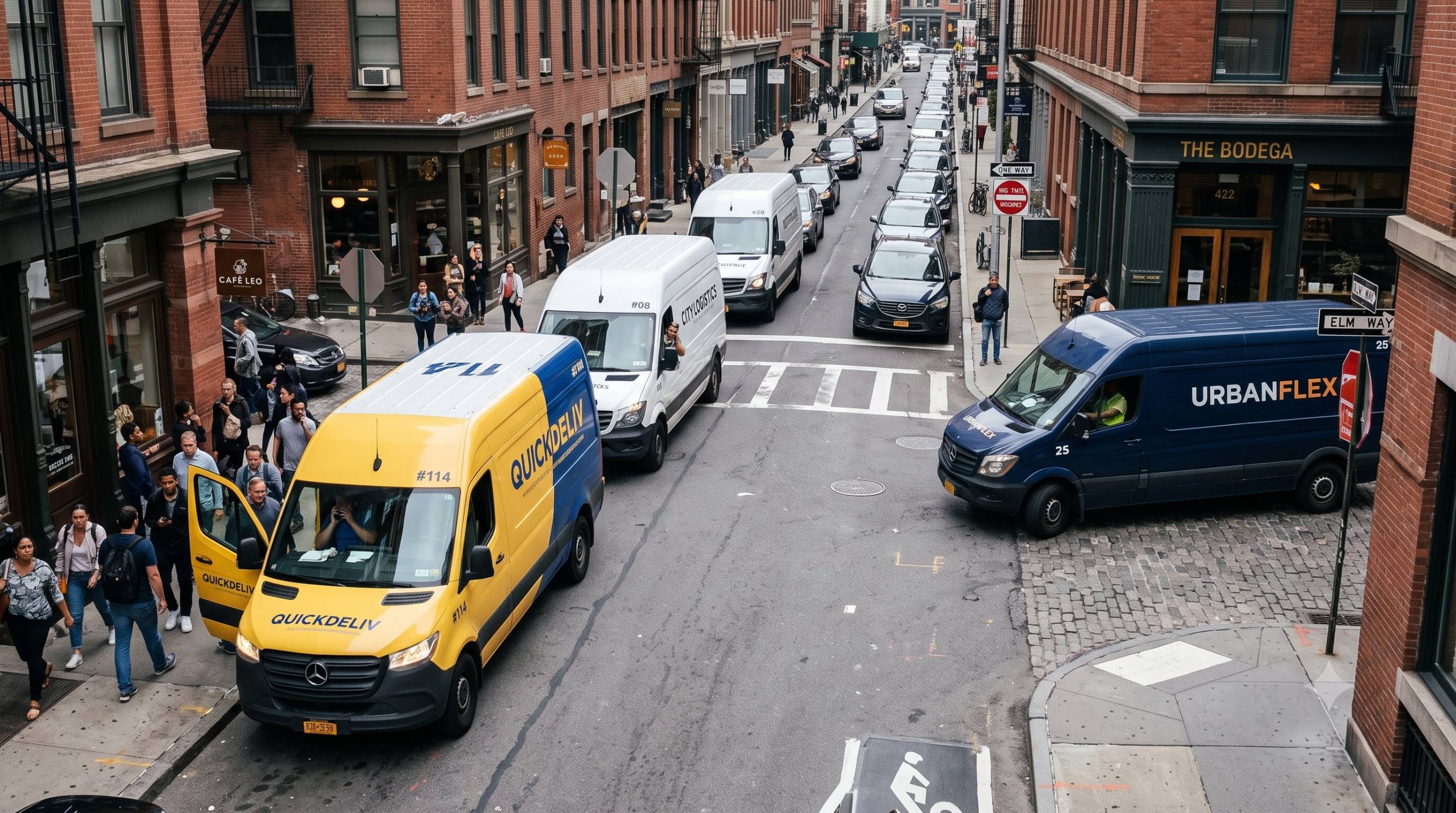
This is where the next evolution of logistics technology becomes particularly interesting. Route optimization answers one important question: how should deliveries move?
Logistics orchestration goes a step further: what should the operation do next?
Consider a driver who is predicted to miss three delivery commitments. A traditional system might display the problem on a dashboard. A more intelligent system can connect that prediction with the decisions required to resolve it.
It can identify the affected orders, evaluate available drivers, consider capacity and delivery windows, recommend a reallocation, update the route and provide a revised ETA.
The difference is between visibility and action.
A dashboard can tell a dispatcher that something has gone wrong. An intelligent logistics platform can help determine what should happen next.
This is closely aligned with the broader direction of supply-chain technology. Gartner’s 2026 research identifies agentic AI and physical AI among the major technology trends shaping supply chains, while its research on logistics execution points toward more decision-centric orchestration.
For enterprises, that means the future of route optimization isn’t simply about generating better routes. It is about connecting routing with dispatch, visibility, prediction and execution so that decisions can keep pace with the operation.
Where LogiNext Fits Into the Picture
This is the shift LogiNext is built to support.
LogiNext’s AI-native logistics platform connects route planning, dispatch, real-time visibility, driver management and delivery execution, helping enterprises manage deliveries as a continuously changing operation rather than a sequence of disconnected planning tasks.
The value comes from connecting the pieces.
A route can be planned with operational constraints in mind. Delivery progress can then be monitored in real time. Potential issues can be identified before they become larger service failures, while changing conditions can feed into decisions around routing, allocation and execution.
That creates a more responsive operating model:
Plan → Monitor → Predict → Adapt → Execute
Instead of:
Plan → Execute → Hope nothing changes
And, let’s be honest, “hope nothing changes” is not much of a logistics strategy.
The Future of Route Optimization Is Continuous
The biggest misconception about route optimization is that optimization happens once, at the beginning of the day.
In reality, the moment a vehicle leaves the depot, the assumptions behind the original plan begin changing. The best route at 7 AM may not be the best route at 8 AM, 10 AM or 2 PM.
That means the future belongs to delivery operations that can continuously sense changes, evaluate their impact and adapt execution accordingly.
The question isn’t whether enterprises can create an optimized delivery plan. They already can. The more important question is whether that plan can survive contact with reality.
Frequently Asked Questions
1. What is route optimization?
Route optimization determines the most efficient sequence of delivery stops and vehicle assignments while considering factors such as distance, travel time, capacity, delivery windows, cost and operational constraints.
2. Why does a delivery route need to change during the day?
Real-world conditions change continuously. Traffic, vehicle breakdowns, new orders, driver delays, cancellations and customer requests can all make the original route less effective.
3. What is dynamic route optimization?
Dynamic route optimization continuously evaluates changing delivery conditions and adjusts routes or assignments when doing so can improve efficiency, service levels or operational outcomes.
4. What should enterprises look for in route optimization software?
Enterprises should look beyond basic route generation and evaluate capabilities such as real-time visibility, dynamic routing, dispatch, predictive ETAs, fleet management, exception handling and automated decision-making.
Conclusion
The 7 AM route isn’t necessarily wrong. It is simply based on a snapshot of reality that no longer exists a few hours later.
That is why modern logistics needs to move beyond the idea of creating one perfect plan. The real competitive advantage comes from continuously adapting that plan as new information arrives.
For enterprises managing complex delivery networks, route optimization is becoming less about drawing the perfect line on a map and more about making the right decision at the right moment.
That’s where an AI-native logistics platform can make a difference.
Ready to make your delivery operation more responsive? Book a demo with LogiNext to see how AI-powered planning, real-time visibility and intelligent orchestration can help your teams adapt as quickly as your delivery network changes.
 |  |  |




@LogiNext