





Electronic Proof of Delivery: The $50B Last-Mile Lie
A package is marked “Delivered.” The customer checks the doorstep. Nothing. The support team checks the dashboard. Still delivered. This is where electronic proof of delivery becomes critical to modern last mile delivery and last mile logistics.
A delivery status tells you what the system believes happened. Digital proof of delivery can show what actually happened, using evidence such as signatures, photos, scans, timestamps, and location data. Without reliable proof of delivery software, businesses can end up stuck between customer complaints, driver disputes, NDR claims, and expensive investigations.
And the stakes are far from small. Statista estimates that last-mile delivery accounted for 53% of total shipping costs in 2023. When the final step carries that much cost, knowing whether a delivery actually happened is not a minor operational detail. It is a margin and customer-trust issue.
Key Takeaways
- Electronic proof of delivery replaces a simple “delivered” status with digital evidence.
- ePOD can capture signatures, images, scans, timestamps, and other delivery information.
- Strong proof helps reduce the ambiguity behind delivery disputes and NDRs.
- Configurable workflows allow businesses to apply different evidence requirements based on shipment risk.
- Real-time synchronization gives operations teams faster access to delivery evidence.
- Better proof protects customers, businesses, and legitimate delivery associates.
What Is Electronic Proof of Delivery?
Electronic proof of delivery (ePOD) is a digital record confirming that an order was delivered to the intended recipient. Depending on the workflow, it can include a customer signature, delivery photo, scan, timestamp, location information, or other evidence captured through a mobile delivery application.
Think of it as the difference between:
“Trust me, I delivered it.” And “Here is the evidence.”
That distinction matters when a customer disputes a delivery, a shipment is marked as an NDR, or a business needs to determine whether an SLA was actually met.
APQC’s benchmarking data shows a median of 80% of deliveries with electronic proof of delivery among its measured sample. Thereby, suggesting that digital proof is already becoming a standard operational capability rather than a nice-to-have.
Why Is Last-Mile Delivery Still So Hard to Prove?

The last mile is where logistics leaves the warehouse, enters the real world, and encounters people, buildings, traffic, gates, security desks, dogs with strong opinions, and occasionally a customer who says, “I never received it.”
The dashboard may say delivered. Reality can say otherwise.
The Invisible Delivery
A package can be incorrectly marked delivered, misplaced after handover, or claimed as missing by the customer. Without reliable evidence, the investigation quickly becomes a game of telephone.
The Black-Hole Proof
A blurry image of a wall is technically a photo. It is not particularly useful proof.
The same applies to incomplete signatures, irrelevant images, or delivery confirmations without enough context to establish what actually happened.
The Dispute Loop
A customer raises a complaint. Support asks operations. Operations asks the driver. The driver checks their phone. Someone searches through screenshots.
Three hours later, everyone knows slightly more than they did before, but nobody has a definitive answer. This is precisely why delivery dispute management needs more than a delivery status.
The Driver Problem
Weak proof does not only hurt customers. It can hurt good drivers too.
When evidence is missing, drivers may have no way to demonstrate that they reached the correct location, completed the handover, or followed the required process. A reliable digital trail protects both sides.
How Does ePOD Create Verifiable Delivery Accountability?
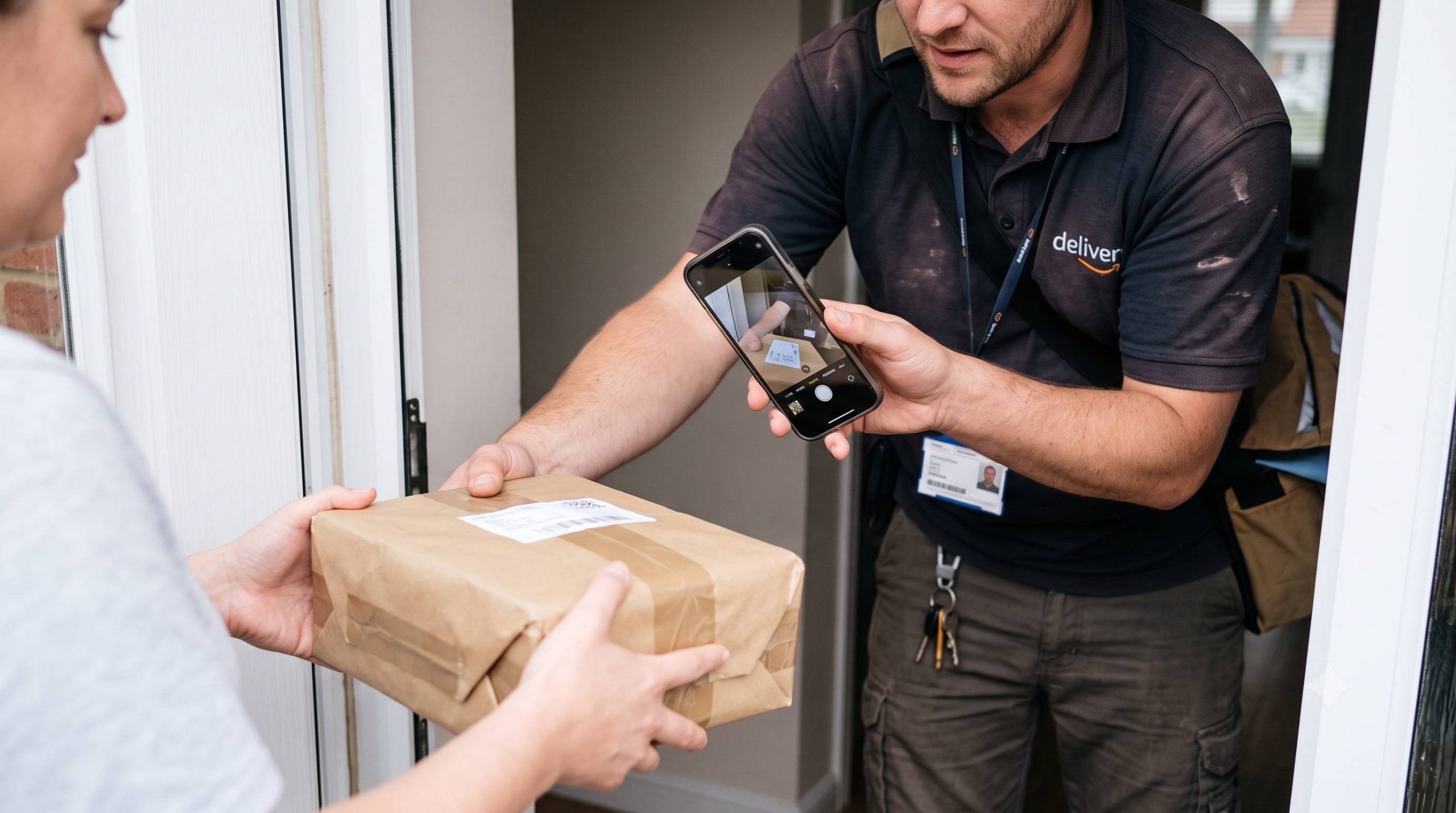
Effective electronic proof of delivery connects the driver’s action at the doorstep with the operational system managing the delivery.
The workflow is simple:
1. Reach the delivery location
2. Complete the required delivery action
3. Capture the configured proof
4. Record the delivery event
5. Sync the evidence with the central platform
6. Make the proof available for operational review
This turns delivery completion from a single status update into an evidence-backed event.
For example, a high-value shipment might require a customer signature and photo, while a standard delivery may require a simpler proof method.
The important part is that the evidence requirement is defined before the dispute happens, not invented after it.
How LogiNext Turns Proof Into Operational Control
LogiNext’s digital proof of delivery capabilities allow enterprises to validate deliveries at the point of handover using in-app image and signature capture, with delivery information synced to the central system.
1. Mandatory Proof at the Time of Delivery:
Instead of relying on a driver’s memory after the fact, businesses can configure delivery workflows around the evidence they actually need.
Photos, signatures, scans, or other configured proof can become part of the delivery process itself. That makes compliance part of execution, not paperwork added later.
2. Real-Time Operational Visibility:
When proof is captured digitally, delivery information can flow back into the central system instead of sitting on a driver’s device or inside a stack of paperwork.
LogiNext provides centralized visibility into delivery progress and proof, helping dispatch and operations teams investigate exceptions without chasing multiple sources.
3. Configurable Delivery Requirements:
Not every shipment deserves the same level of scrutiny. A grocery order and a ₹2 lakh electronic appliance shouldn’t necessarily have identical proof requirements.
With configurable access and order delivery workflows, teams can define what evidence is required for different delivery scenarios. This lets enterprises apply stricter validation where the financial or operational risk is higher.
What Changes When Delivery Becomes Verifiable?
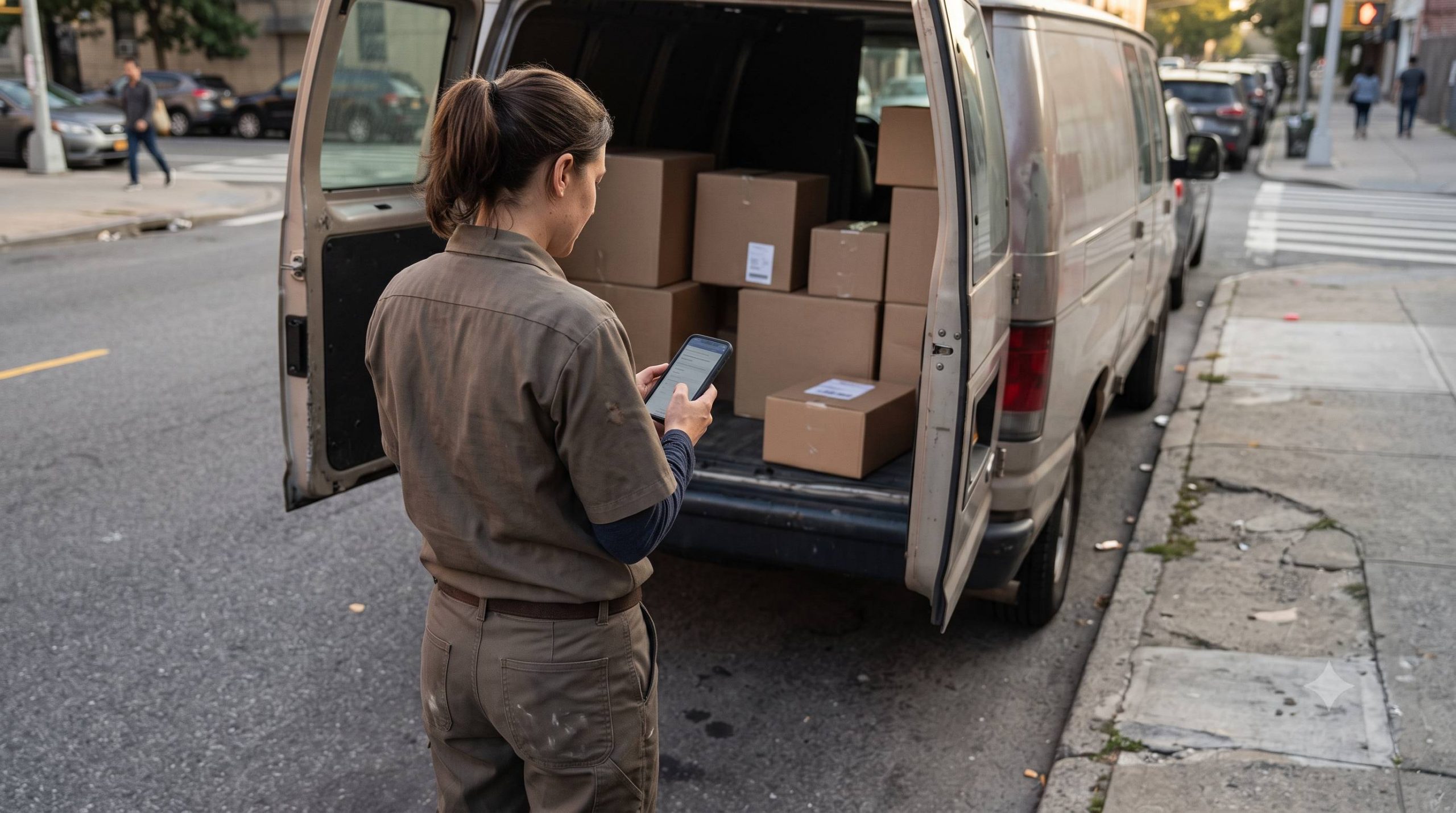
The biggest shift is not simply “more photos.” It is less guesswork. Without reliable ePOD, a delivery dispute can sound like this:
Customer: “I never received it.”
Driver: “I delivered it.”
Support: “Do we have proof?”
Operations: “Let me check.”
And there begins the investigation.
With verifiable delivery proof, the conversation changes. Instead of relying on memory or competing claims, operations can review the evidence captured at the point of delivery. The photo, signature, scan, timestamp, or location data becomes part of the delivery record.
That creates four immediate advantages:
- Faster dispute resolution: Teams can review evidence instead of chasing multiple people for answers.
- Better margin protection: Stronger evidence can help defend legitimate deliveries against unsupported NDRs and claims.
- Driver protection: Good drivers have a digital trail showing what happened at the delivery location.
- Greater customer confidence: A delivery isn’t simply marked complete. It is backed by evidence.
And the scale of the problem matters. The U.S. Postal Service alone processed and delivered an average of 22.7 million packages every day in 2025. At that volume, even a small percentage of disputed or poorly documented deliveries can create a surprisingly large operational workload.
The point is simple: when delivery becomes verifiable, “What happened?” stops being a detective story.
Frequently Asked Questions
1. What is electronic proof of delivery?
Electronic proof of delivery is a digital record confirming that a shipment was successfully delivered. It can include signatures, photos, scans, timestamps, and other delivery information.
2. Why is ePOD important in last-mile logistics?
ePOD creates an evidence trail for delivery events. This helps businesses investigate disputes, validate handovers, reduce ambiguity, and improve accountability across last-mile operations.
3. What can be used as proof of delivery?
Depending on the delivery workflow, proof can include a customer signature, photograph, barcode or QR scan, OTP, timestamp, location information, or other configured evidence.
4. How does ePOD help reduce delivery disputes?
Instead of relying on statements from the customer or driver, teams can review digital evidence captured during the delivery. This makes dispute resolution more objective and easier to audit.
5. Can ePOD protect delivery drivers?
Yes. A reliable digital trail can help demonstrate that a driver reached the required location and completed the configured delivery process, helping protect drivers from unsupported claims.
Conclusion
“Delivered” should mean more than a green checkmark. In modern last mile logistics, businesses need to know not only that a delivery was marked complete, but whether they can prove it.
That is the real value of electronic proof of delivery. It turns delivery completion into a verifiable operational event, giving businesses stronger visibility, faster dispute resolution, better driver accountability, and greater control over margins.
Because in last-mile logistics, delivery is not a business model. Book a demo with LogiNext and see what verifiable delivery execution can look like at scale.
 |  |  |




@LogiNext