



Why Tariffs Are Making 3PL Software More Important Than Ever
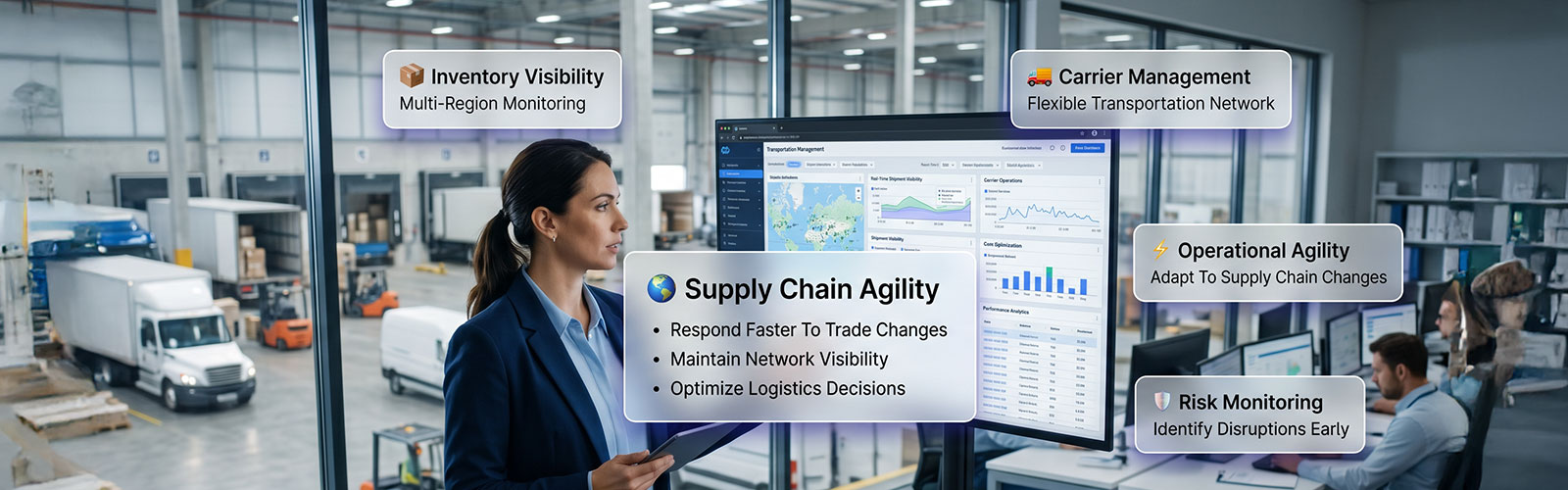
Global trade is facing renewed uncertainty as tariffs, shifting trade policies, and geopolitical tensions reshape supply chains. Businesses are being forced to rethink sourcing, transportation, and logistics strategies while responding faster to change. In this environment, 3PL software is becoming increasingly important for maintaining visibility and operational agility.
Tariffs affect far more than import costs. According to the Yale Budget Lab, tariff measures announced in 2025 could push the average U.S. tariff rate to its highest level in decades. As supply chains become more complex, businesses are relying on technology to adapt faster and make better logistics decisions.
The Growing Impact of Tariffs on Supply Chains
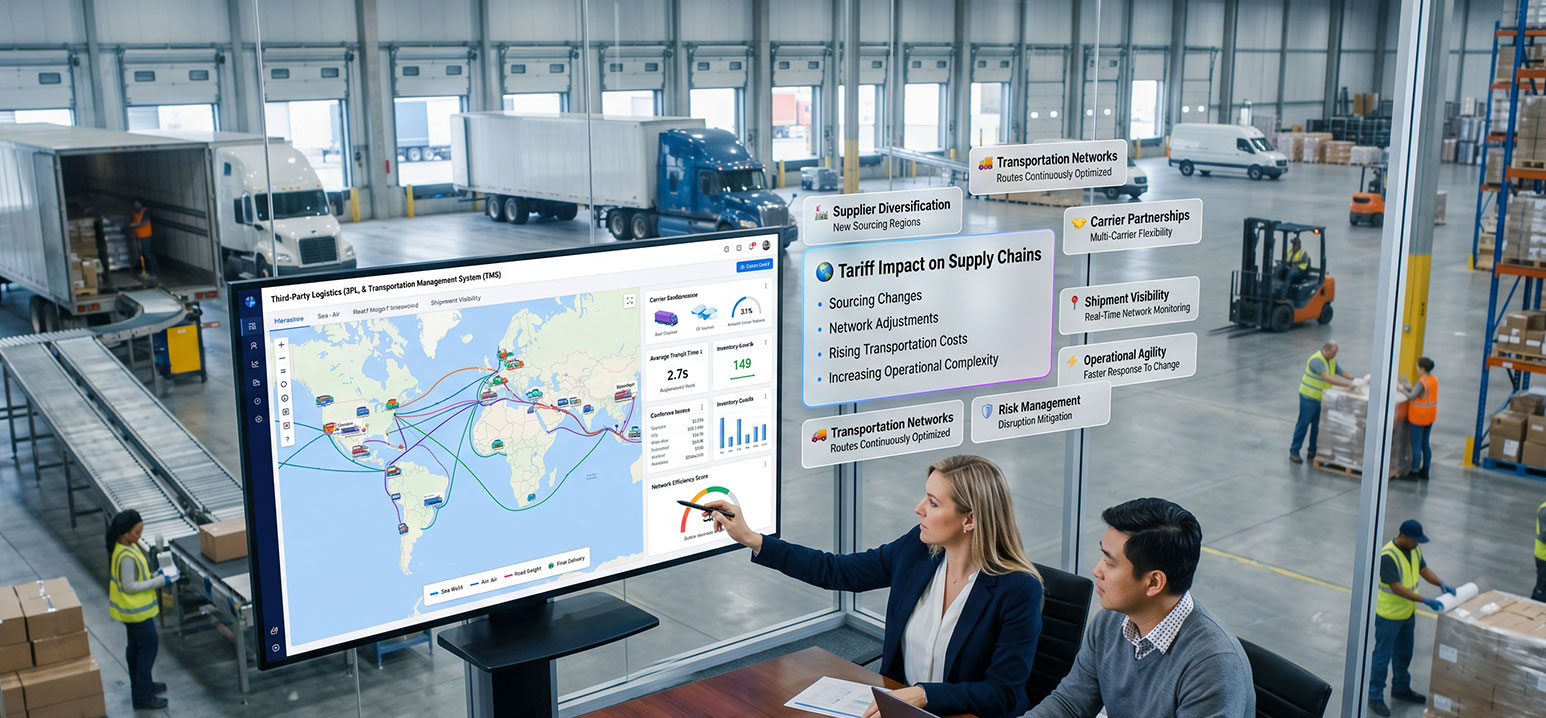
Tariffs are designed to influence trade by increasing the cost of imported goods. However, their impact often creates ripple effects throughout the entire supply chain. According to the World Trade Organization (WTO), global merchandise trade volume growth is expected to remain modest. As businesses continue to navigate trade restrictions, geopolitical tensions, and shifting sourcing strategies.
A tariff increase can force businesses to:
- Shift sourcing to new suppliers or countries
- Modify transportation networks
- Adjust inventory levels
- Reevaluate carrier partnerships
- Manage fluctuating delivery costs
As per the National Retail Federation, changes in trade policies continue to influence sourcing and logistics strategies for many U.S businesses. As companies diversify supply chains to reduce risk, logistics operations become more complex.
This is where third party logistics software is proving increasingly value. It helps businesses gain visibility across transportation networks, respond to disruption faster and maintain service levels.
Why Traditional Logistics Approaches Are No Longer Enough
In the past, supply chains could rely on established transportation routes and predictable sourcing patterns. Traffic-driven disruptions have changed that reality.
A supplier that was cost-effective, may become more expensive after a tariff adjustment. Transportation lanes may shift as businesses move production to different regions. Carrier availability can also fluctuate as freight volumes change.
Managing these variables through spreadsheets and manual processes created delays. By the time a decision is made, the market may have already changed.
Modern 3PL management software provides real-time visibility into logistics operations, helping businesses make faster and informed decisions. Instead of reacting to disruptions after they occur, companies can identify risks early and take proactive action.
Visibility Has Become a Competitive Advantage
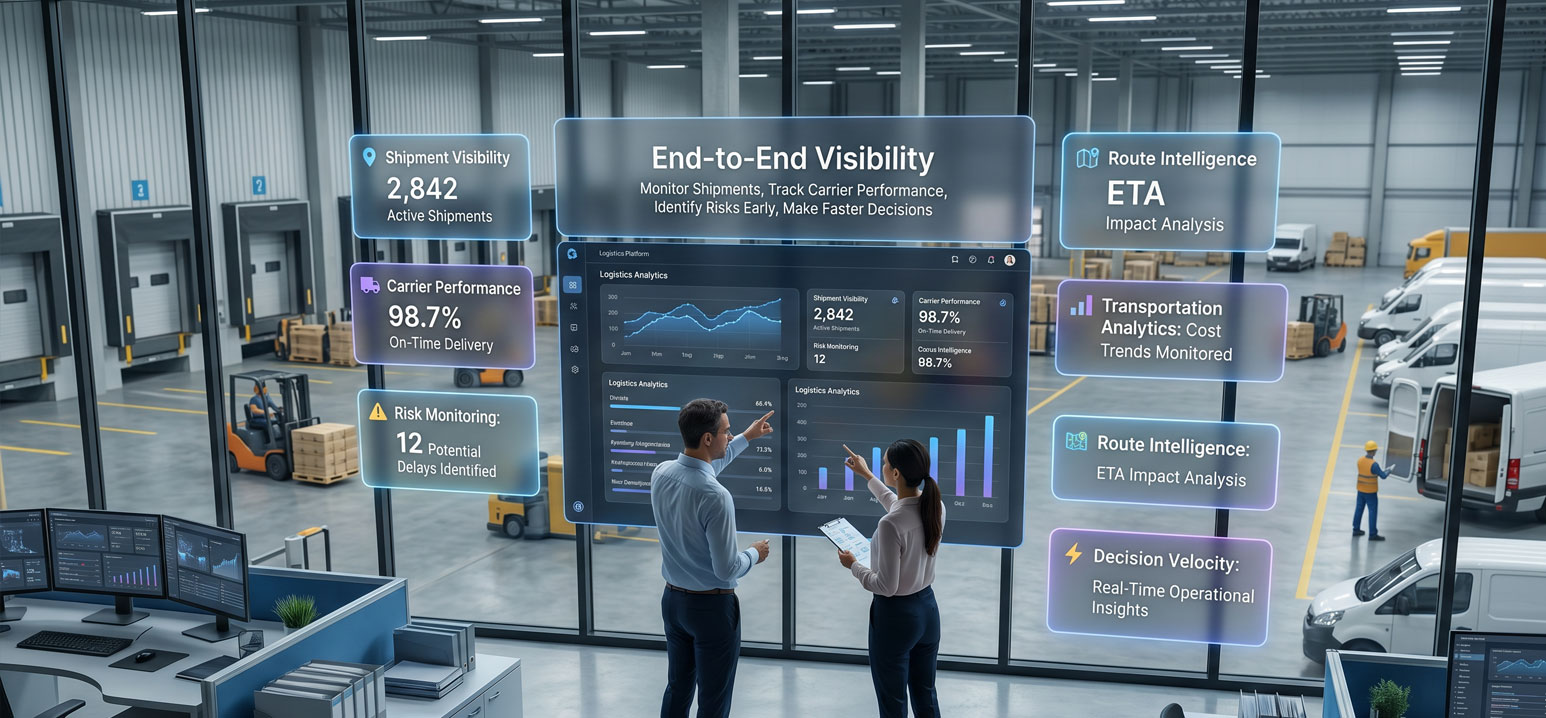
One of the biggest challenge during periods of trade uncertainty is maintaining visibility across the supply chain.
When tariffs affect sourcing decisions, businesses often add new suppliers, carriers and transportation routes. Every additional partner increases operational complexity.
A McKinsey survey found thdat more than 90% of supply chain leaders experienced significant supply chain challenges over the past few years. Thereby, reinforcing the need for greater end-to-end visibility and resilience.
Without centralized visibility, logistics teams struggle to answer critical questions:
- Which shipments are at risk?
- Which carriers are performing the best?
- How will route changes impact delivery times?
- Where are transportation costs increasing?
Advanced third party logistics management software provides a unified view of operations. Teams can monitor shipments, track carrier performance and identify potential disruptions from a single platform.
This visibility enables faster decision-making, which is often the difference between maintaining service levels and disappointing customers.
The Need for Greater Logistics Agility
Tariffs can change quickly. Businesses that cannot adapt quickly often face higher costs and operational inefficiencies.
Consider a company that decides to move sourcing from one country to another to avoid tariff increases. The change may require new transportation providers, revised delivery schedules and update fulfilment processes.
Without the right technology, coordinating these changes can take weeks or months.
Modern 3PL software helps logistics teams respond more effectively by:
- Optimising transportation routes
- Managing carrier networks
- Automating shipment planning
- Improving driver visibility
- Reducing operational bottlenecks
As supply chains become more dynamic, agility is becoming just as important as cost efficiency.
Rising Transportation Costs Require Better Control
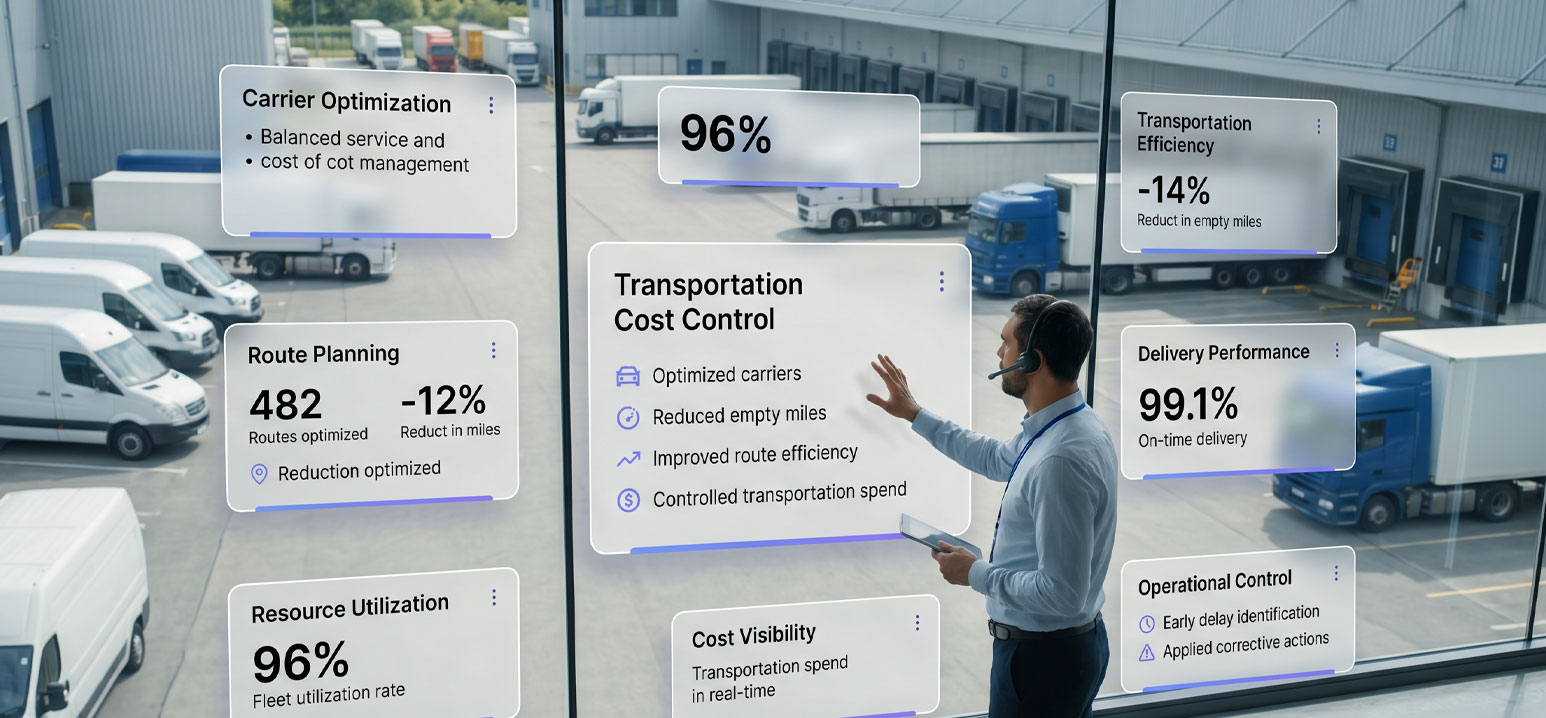
Tariffs rarely affect only product costs. Transportation expenses often increase as supply chains shift and demand patterns change. According to CSCMP’s State of Logistics Report, transportation consistently accounts for the largest share of logistics spending in the United States. Thereby, making cost control a top priority for logistics teams.
For example, businesses may need to move goods through alternative ports or use different transportation modes to maintain service levels. These adjustments can significantly impact logistics budgets.
According to industry estimates, transportation typically represents one of the largest components of overall logistics spending. Even small inefficiencies can create substantial cost increases over time.
This is why many organizations, are investing in 3PL management technologies that provide better control over transportation operations.
By using data-driven insights, companies can:
- Select the most efficient carriers
- Reduce empty miles
- Improve route planning
- Minimize delays
- Optimize resource utilization
These capabilities help offset some of the cost pressures created by tariffs and broader supply chain disruptions.
Customer Expectations Continue to Rise
While businesses are dealing with tariffs and trade uncertainty, customers continue to expect fast, reliable deliveries. Research shows that nearly 80% of online shoppers consider delivery speed and important factor when making a purchase, highlighting the growing pressure on logistics providers to maintain service levels.
A delayed shipment is unlikely to be excused because of changing trade policies. Customers simply expect orders to arrive on time.
This creates a difficult balancing act for logistics teams. They must navigate supply chain disruptions while maintaining high service standards.
Effective third party logistics management requires visibility, automation, and real-time execution capabilities. Companies that rely on manual processes often struggle to meet customer expectations when disruptions occur.
Modern third party logistics software enables organizations to monitor delivery performance, communicate proactively with customers, and maintain service quality even when supply chains become more complex.
Data-Driven Decision Making Is Becoming Essential
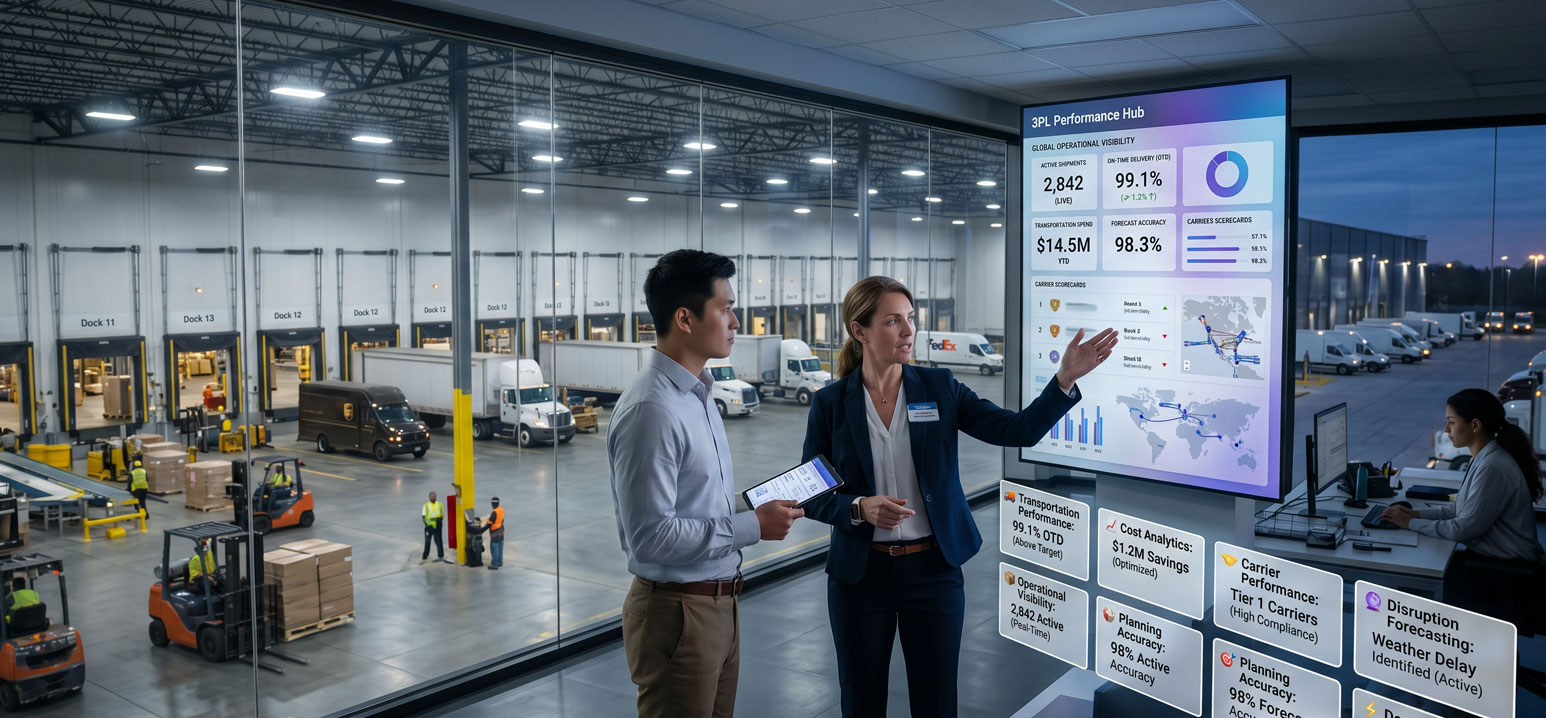
Tariff-related disruptions create uncertainty. The best way to manage uncertainty is through data. Gartner research indicates that organizations investing in supply chain visibility and analytics are better positioned to respond to disruptions and improve operational performance.
Logistics leaders need accurate information to evaluate sourcing options, transportation costs, carrier performance and delivery outcomes.
This is where 3PL management software delivers significant value.
Instead of relying on assumptions, businesses can use real-time operational data to:
- Evaluate transportation performance
- Measure cost impacts
- Compare carrier effectiveness
- Forecast potential disruptions
- Improve planning accuracy
Data-driven logistics operations are better positioned to adapt to changing market conditions and maintain profitability.
The Future of Logistics Will Be Defined by Adaptability
Trade policies will continue to evolve. New tariffs, regulatory changes, and geopolitical developments will remain part of the global business environment. As a result, supply chains must become more resilient and adaptable.
Organizations that invest in technology today will be better prepared for future disruptions. Those that continue relying on fragmented systems and manual processes may struggle to keep pace with increasing complexity.
The role of 3PL software is no longer limited to operational efficiency. It has become a strategic enabler of agility, visibility, and business continuity.
Conclusion
Tariffs are no longer just a trade issue. They have become a logistics challenge that affects sourcing decisions, transportation networks, operating costs, and customer service. As supply chains grow more complex, businesses need greater visibility and the ability to respond quickly to change.
Companies that can adapt faster will be better positioned to manage disruption, control costs, and maintain service levels. With the right technology, logistics teams can make smarter decisions and build more resilient operations for the future.
Looking to improve visibility, optimize transportation, and navigate supply chain uncertainty with confidence? LogiNext helps businesses streamline logistics operations and stay agile in an increasingly dynamic market. Click on the red button to know more.
“”
 |  |  |




@LogiNext