




Routing Software for Delivery: 6 Trends That Will Shape Logistics in 2026
Routing software is becoming one of the most critical technologies in modern logistics. As delivery volumes rise and customer expectations tighten, businesses can no longer rely on static route planning or manual dispatch operations. In 2026, logistics leaders will focus on faster deliveries, lower operational costs, real-time visibility, and sustainable fleet movement. All of which is driven by smarter routing decisions.
Modern route planning software now goes far beyond finding the shortest path. It uses AI, live traffic data, predictive analytics, and automation to optimize deliveries dynamically. According to industry reports, AI-driven routing systems can reduce fuel costs by up to 25% while improving delivery efficiency and ETA accuracy.
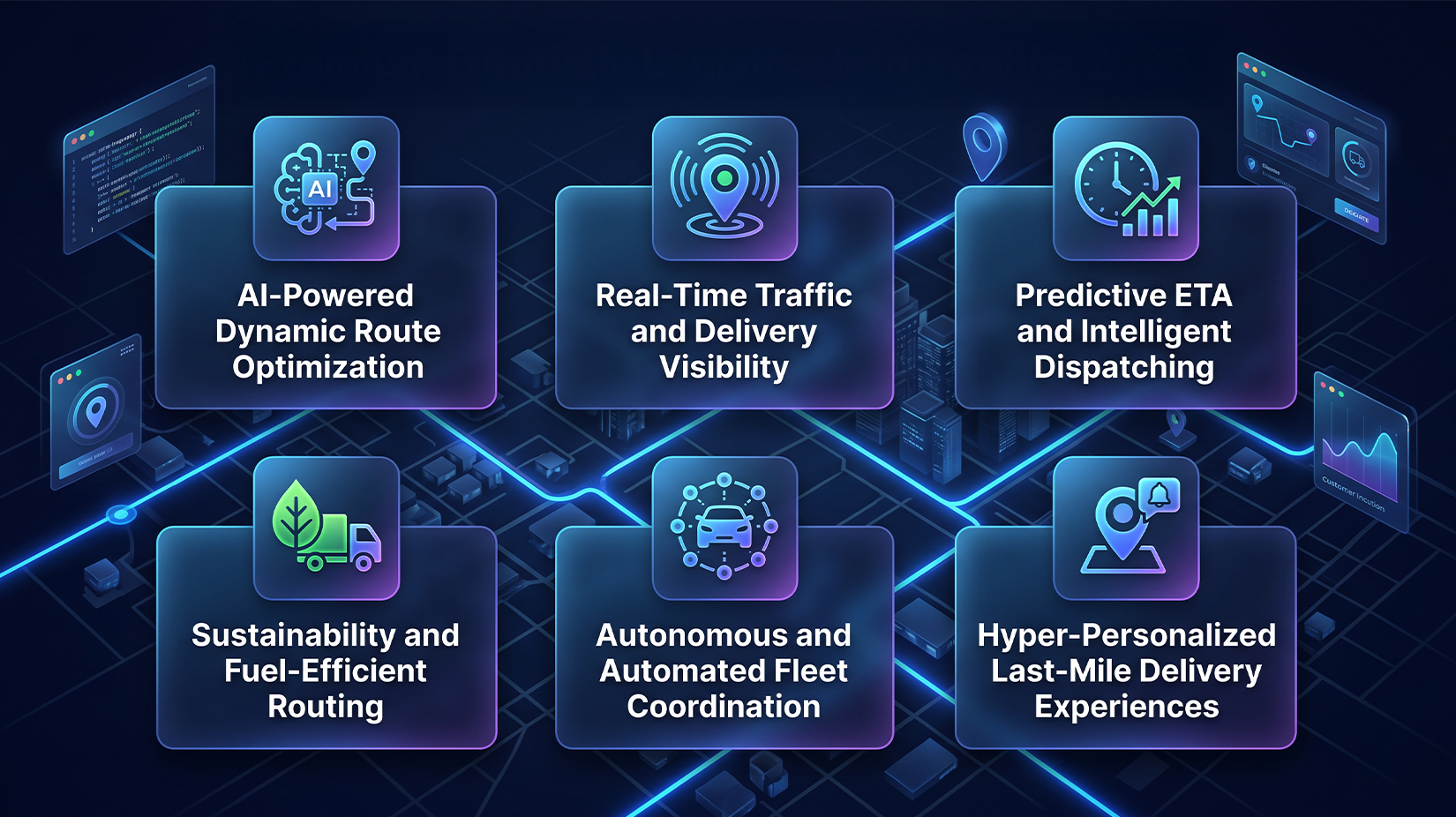
As logistics networks become more complex, companies are rapidly investing in efficient routing software to stay competitive. Here are six major trends that will shape the future of routing software in 2026.
6 Routing Software Trends Defining the Future of Logistics in 2026
1. AI-Powered Routing Software Will Become the Industry Standard:
The biggest shift in logistics is the rise of AI powered routing software. Traditional route planning software worked on fixed rules and historical assumptions. But delivery environments change every minute. Traffic patterns shift. Weather conditions impact roads. Drivers face delays. Customers reschedule deliveries.
Static systems cannot react fast enough.
This is why AI powered routing software is becoming essential for modern logistics operations. AI-based routing engines continuously analyze live delivery conditions and dynamically update routes in real time. Instead of creating a route once a day, the system keeps optimizing throughout the journey.
Research shows that AI-native logistics systems are replacing legacy platforms because they improve dispatch accuracy, ETA prediction, and exception handling.
This trend is reshaping how businesses think about route planning software. The goal is no longer just route optimization. The goal is autonomous decision-making.
In 2026, companies investing in AI powered routing software will gain advantages in:
- Fuel efficiency
- Driver productivity
- Delivery accuracy
- Customer satisfaction
- Dispatch automation
The era of reactive logistics is ending. Predictive logistics is taking over.
2. Real-Time Route Planning Will Replace Static Scheduling:
For years, delivery routes were planned the night before dispatch. That model no longer works in high-volume delivery environments.
Real-time route planning software is becoming critical because modern logistics networks are highly dynamic. Orders are added throughout the day. Traffic disruptions occur unexpectedly. Customers demand same-day flexibility.
Efficient routing software now relies on live data streams rather than fixed schedules.
Industry analysts highlight that AI-powered dispatch systems are moving into daily logistics operations because they improve rerouting speed and delivery responsiveness.
This trend is especially important for:
- Grocery delivery
- Quick commerce
- Retail distribution
- Courier operations
- Hyperlocal logistics
A modern routing solution must be able to instantly recalculate delivery paths without disrupting the entire fleet.
Businesses using advanced route management software are already seeing improvements in fleet utilization and first-attempt delivery success rates. Real-time optimization also helps reduce idle time and unnecessary mileage.
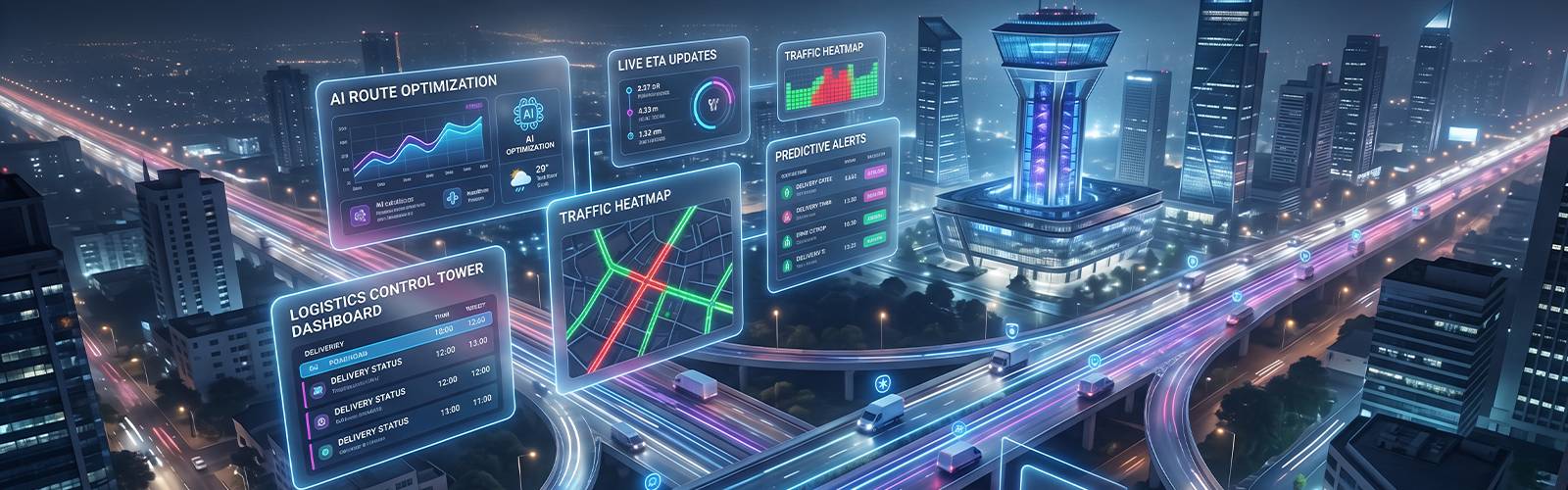
In 2026, route planning software will increasingly function like a live operational control tower rather than a basic mapping tool.
3. Route Management Software Will Focus More on Sustainability:
Sustainability is no longer just a branding exercise. Governments, investors, and customers are demanding greener logistics operations. This is pushing route management software providers to prioritize fuel reduction and carbon optimization.
Freight logistics currently contributes nearly 7–8% of global greenhouse gas emissions. AI-driven logistics optimization could potentially reduce emissions by 10–15% through smarter routing and capacity management.
As a result, efficient routing software is now being designed to optimize:
- Vehicle utlization
- Delivery clustering
- Empty-mile reduction
- Fuel consumption
- EV routing efficiency
This trend is also driving innovation in delivery routing software for electric fleets. EVs introduce new routing complexities such as battery range, charging infrastructure, and energy-aware route sequencing.
Researchers are already exploring energy-efficient routing models for drones and electric delivery systems. In 2026, routing software will not only calculate the fastest route. It will calculate the most sustainable one. That shift will become a major competitive differentiator for logistics companies.
4. Hyper-Personalised Deliveries Will Influence Route Planning:
Customer expectations are changing rapidly. Consumers now expect delivery experiences tailored to their schedules and preferences. This trend is forcing businesses to rethink how route planning software operates.
Modern routing solution platforms are increasingly integrating customer behavior data into delivery workflows. Instead of assigning routes purely based on geography, systems now factor in:
- Preferred delivery windows
- Failed delivery history
- Customer availability patterns
- Delivery priority tiers
- Contactless preferences
Research into preference-aware delivery planning shows that logistics optimization is moving beyond distance reduction toward customer-centric routing strategies. This evolution is especially important for industries like:
- E-commerce
- Pharmaceutical delivery
- Food delivery
- Luxury retail logistics
Delivery routing software in 2026 will become deeply integrated with customer experience systems. That means route management software will influence not only operational efficiency but also customer loyalty and retention.
5. Autonomous Dispatch Systems Will Reduce Manual Intervention:
One of the most significant developments in logistics is the rise of autonomous dispatch operations. Dispatch teams have traditionally handled route adjustments manually. But growing delivery volumes are making manual coordination unsustainable.
New AI powered routing software platforms are introducing autonomous dispatch engines capable of handling route assignments, exception management, and driver coordination with minimal human intervention.
Recent enterprise AI dispatch systems claim to reduce logistics workflow times by up to 90% through intelligent automation. This trend is transforming route management software into an operational intelligence platform.
Instead of dispatchers constantly reacting to problems, AI systems are beginning to:
- Predict disruptions
- Reassign deliveries automatically
- Recalculate ETAs instantly
- Detect route inefficiencies
- Balance delivery workloads dynamically
As delivery networks become more complex, companies will increasingly depend on efficient routing software that can scale without increasing operational headcount. In 2026, the competitive advantage will belong to businesses that automate execution, not just planning.
6. Collaborative and Multi-Vehicle Routing Will Expand:
The future of logistics is collaborative. Traditional delivery operations relied on isolated fleets operating independently. But rising costs and urban delivery congestion are pushing companies toward shared logistics ecosystems.
Advanced routing software is evolving to support collaborative delivery models involving:
- Third-party fleets
- Micro-fulfillment hubs
- Drones
- Autonomous vehicles
- Crowdsourced drivers
Researchers are already developing multi-platform routing frameworks that coordinate trucks, drones, and robotic delivery systems simultaneously. This shift will redefine what route planning software is expected to handle.
Future delivery routing software must optimize across multiple transportation layers while balancing cost, speed, energy consumption, and delivery accuracy. For logistics companies, this means routing solution platforms will become deeply interconnected ecosystems rather than standalone tools.
The businesses that adapt early will gain major operational flexibility.
Final Thoughts
Routing software is rapidly evolving from a basic planning tool into an intelligent logistics engine. In 2026, businesses will depend on AI powered routing software, real-time optimization, and automated dispatch systems to improve delivery speed, reduce costs, and manage growing delivery complexity.
Companies that continue relying on static route planning software will struggle to keep pace with rising customer expectations and operational demands. The future belongs to agile, data-driven logistics operations powered by efficient routing software.
For businesses looking to modernize delivery operations, platforms like LogiNext provide advanced delivery routing software built for real-time optimization, automation, and scalable last-mile logistics management. So, click on the red button and book a demo today.
43

|

|

|




@LogiNext