




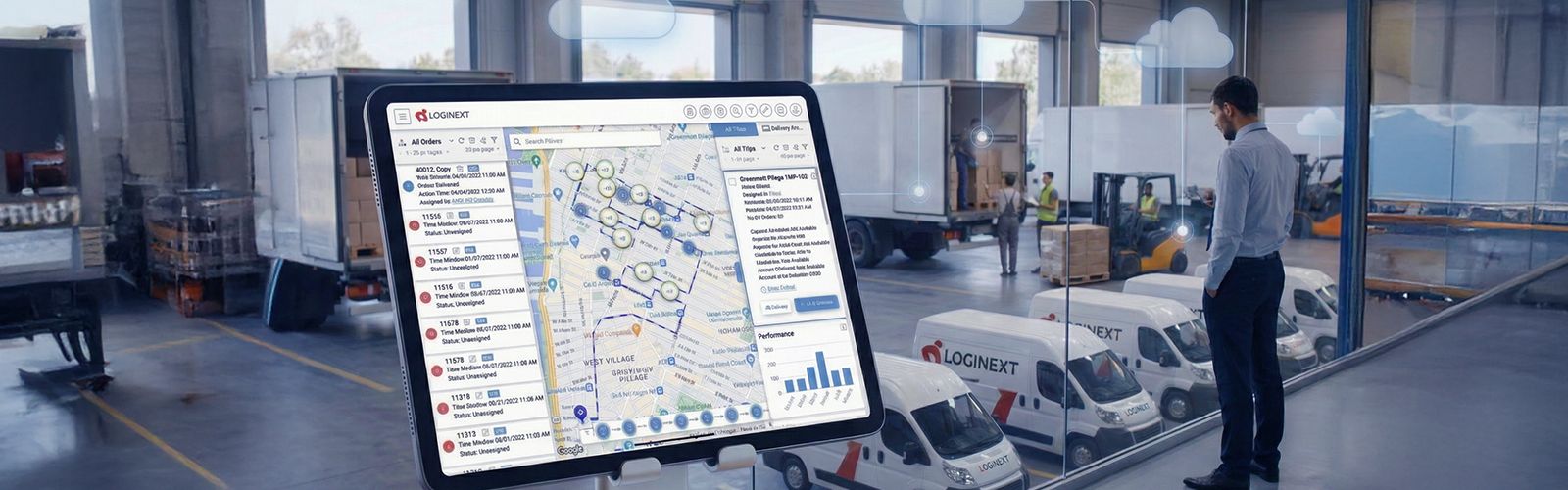
From Doorsteps to Data: How Delivery Management Software Is Redefining Package Delivery
The package delivery industry is undergoing a fundamental shift. Driven by rising customer expectations, explosive eCommerce growth, and tighter delivery timelines. To keep pace, logistics leaders are increasingly relying on delivery management software to rethink how deliveries are planned, executed, and tracked. Manual processes and fragmented systems can no longer support modern package delivery demands.
By digitizing workflows end to end, modern delivery management systems are redefining how businesses manage package delivery, courier delivery, and last-mile operations at scale. Turning delivery execution into a data-driven, controlled, and highly efficient process.
Why Package Delivery Needed Digital Transformation
The number of parcels being shipped globally has experienced an unprecedented rise. According to estimates, the total number of parcels being shipped worldwide is expected to cross 250 billion every year by 2027. This is mainly due to the increasing demand for same-day and next-day delivery. At the same time, customer patience has reached an all-time low.
The conventional package delivery process is highly dependent on manual route optimization, phone-based communication, and fixed delivery schedules.
Digital transformation eliminates guesswork in favor of data-driven execution. With delivery management software, logistics professionals can have real-time visibility, automated decision-making, and better control over courier delivery operations.
What Is Delivery Management Software?
DMS is a centralized digital platform that helps plan, optimize, execute, and track deliveries from the dispatch to delivery. Unlike traditional tracking software, a contemporary delivery management platform brings together routing, driver management, customer engagement, and performance analytics in one place.
A comprehensive delivery management system accommodates multiple delivery types, such as B2B delivery, B2C package delivery, and on-demand courier delivery. It also integrates with ERP, WMS, e-commerce platforms, and order management systems to provide seamless data exchange.
In summary, delivery management software is the operational brain of a contemporary delivery network.
Key Technologies Driving Digital Package Delivery
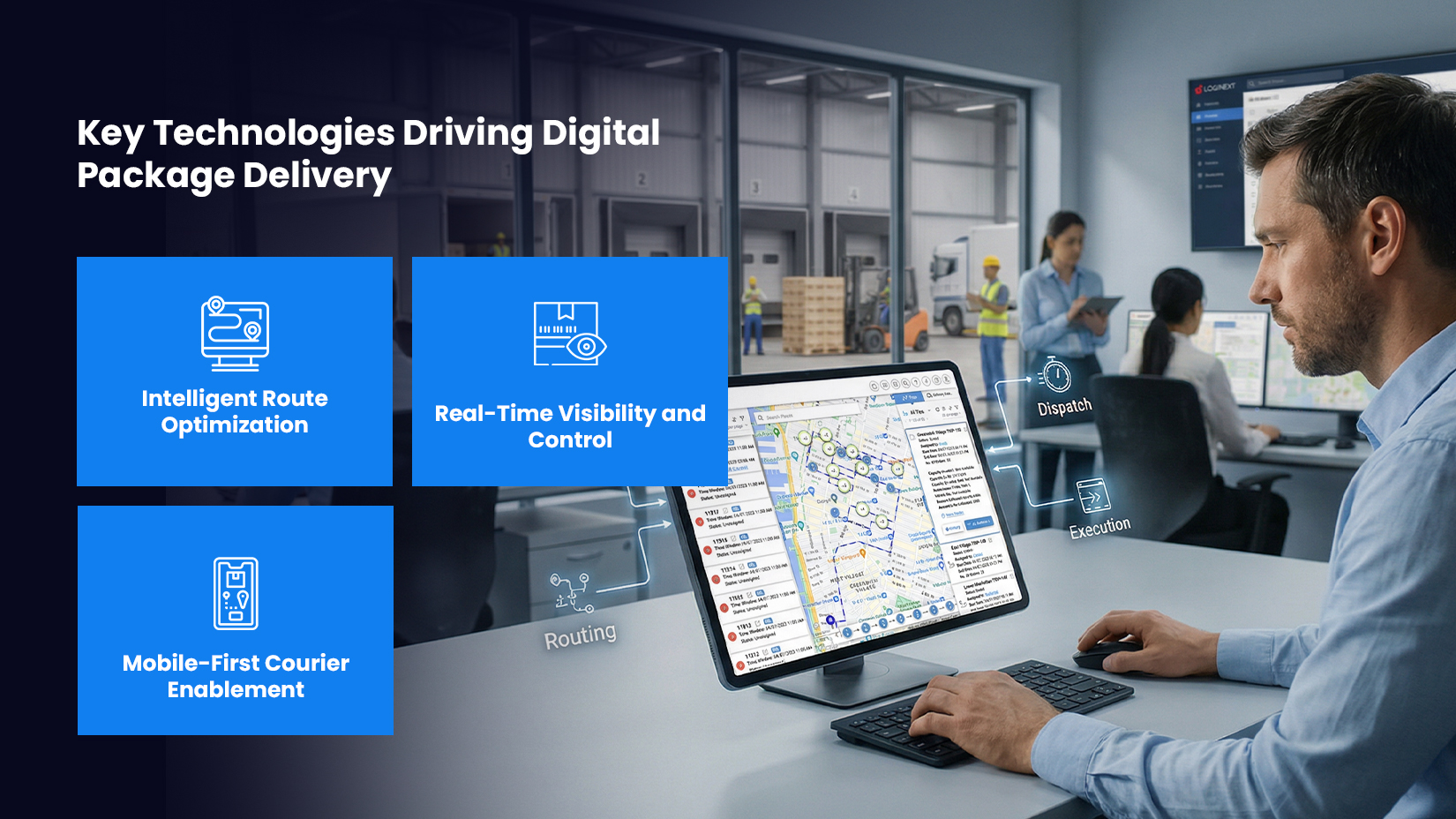
1. Intelligent Route Optimization:
Today, manual route optimization is a thing of the past. AI-powered delivery management software uses traffic patterns, delivery windows, vehicle capacity, and historical data to optimize routes in seconds.
Research indicates that intelligent route optimization can lower overall miles driven by 10-25%, which has a direct impact on fuel expenses and delivery times. For large-scale package delivery operations, the impact of these savings can be realized in a short span of time.
2. Real-Time Visibility and Control:
Digital delivery management solutions enable real-time tracking of vehicles, packages, and delivery status. This enables operations teams to manage exceptions in real time, rather than waiting for failures to happen.
Real-time visibility has been demonstrated to deliver a 20-30% improvement in on-time delivery performance. This is particularly in urban courier delivery networks where conditions are constantly changing.
3. Mobile-First Courier Enablement:
The future of courier delivery is mobile. The integration of mobile apps for drivers with the delivery management solution enables navigation, task routing, digital proof of delivery, and instant notifications.
Mobile-enabled delivery processes can deliver a 15-20% reduction in driver downtime, while also improving delivery accuracy and accountability.
The Impact on Courier Delivery Operations
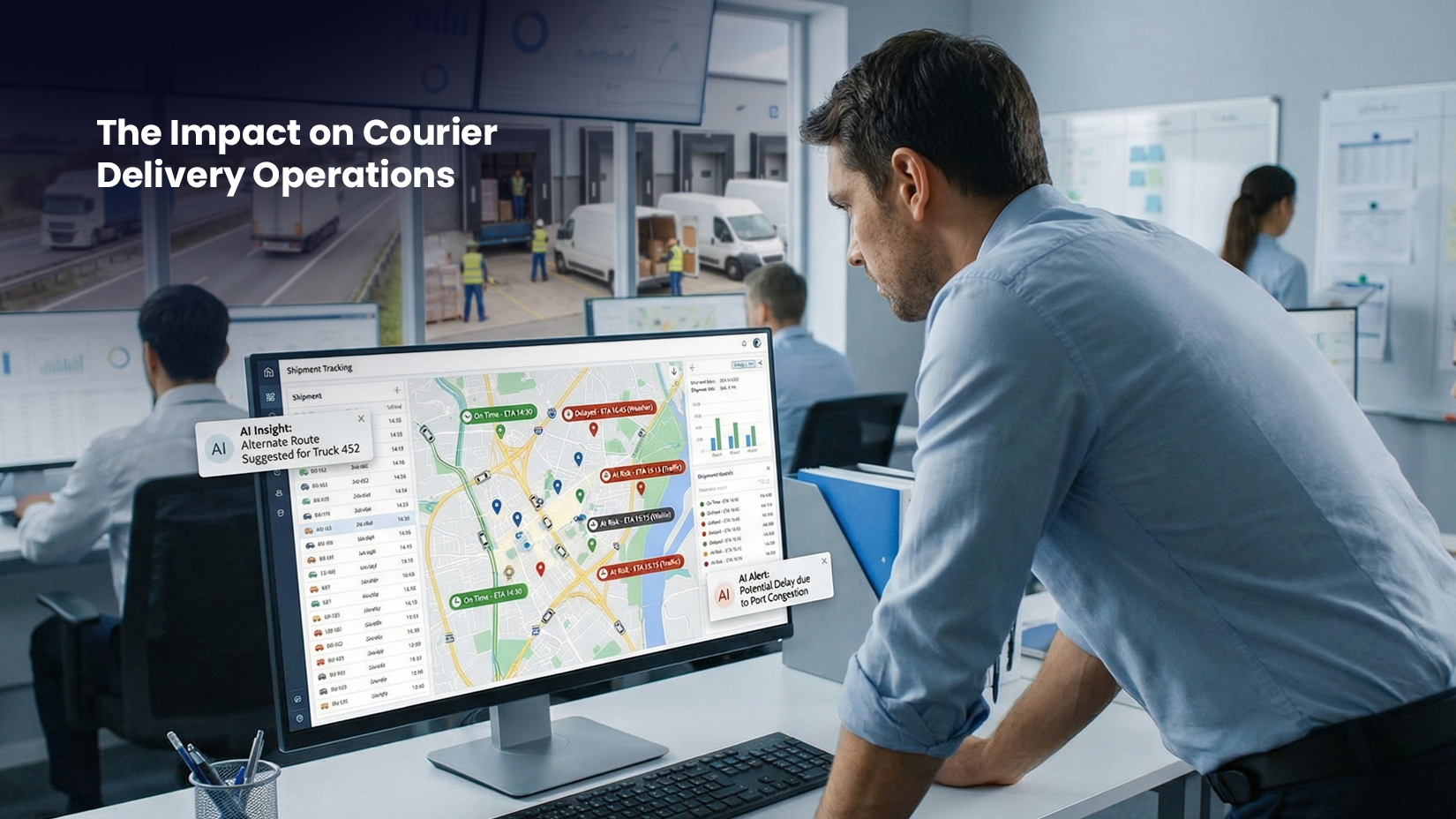
The courier delivery industry is one of the largest beneficiaries of digital transformation. The key to success in this industry is speed, flexibility, and reliability.
Using DMS, courier businesses can dynamically allocate tasks. They can also, optimize routes during the middle of the day, and manage same-day delivery volumes without disrupting operations. Automated dispatching eliminates the need for manual phone calls, enabling dispatchers to handle more vehicles with fewer staff.
Digitally empowered courier delivery operations show a dispatch cycle improvement of up to 40%. And also a dramatic decrease in failed deliveries.
Enhancing the Customer Experience in Package Delivery
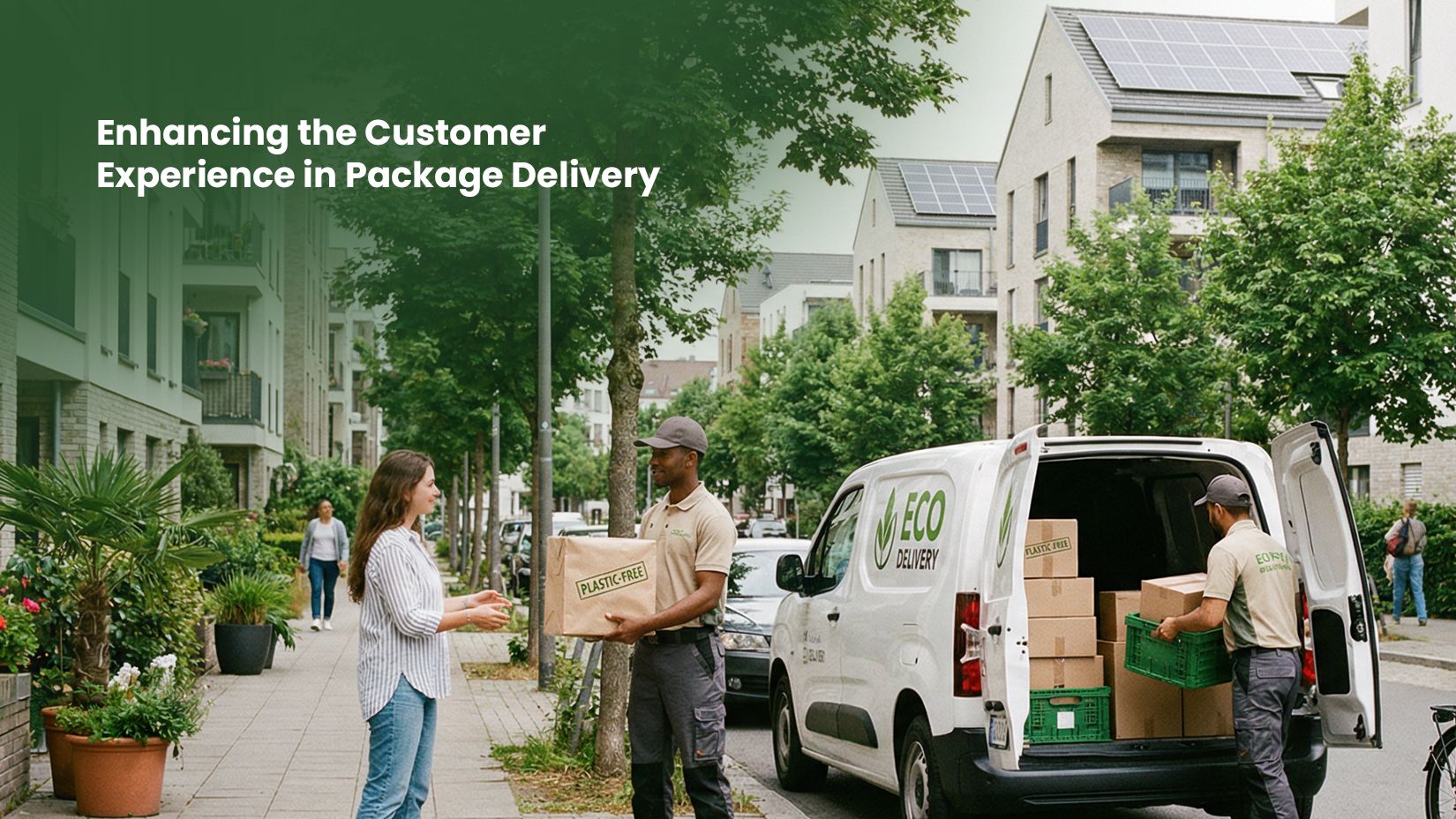
The customer experience is now a key differentiator in package delivery. Customers demand visibility, control, and accurate ETAs.
A contemporary delivery management solution provides:
- Automated delivery notifications
- Live tracking links
- Flexible delivery preferences
- Instant proof of delivery
Studies show that customers who receive proactive delivery communications can lower customer support inquiries by 25-35%. And also boost repeat business by 10-15%.
Brands leveraging delivery management software can transform delivery from a cost center to a loyalty driver.
Data-Driven Decisions Through Delivery Analytics
Digital transformation is not complete without analytics. A delivery management solution can tap into a massive amount of operational data on routes, drivers, and delivery performance.
Key metrics such as on-time-in-full (OTIF), cost per delivery, first-attempt success rate, and courier productivity can now be quantified and optimized. Organizations leveraging analytics-driven delivery management solutions can expect a reduction in operational costs of 10-15% in the first year.
Security, Compliance, and Risk Reduction
With the increasing data-driven nature of package delivery, security and compliance stand out as must-haves. An advanced delivery management solution integrates all operational data into one interface, reducing the need for paper-based communication and hushed conversations. With role-based access, secure transmission, and cloud hosting, customer and delivery data remain safeguarded.
Automated audit trails, GPS-enabled events, and electronic proof of delivery enhance accountability and regulatory compliance. Businesses leveraging secure delivery solutions report fewer delivery-related complaints and faster resolution times for courier operations.
The Future of Package Delivery Is Digital
Going digital is no longer a choice. Increasing volumes and shrinking margins make efficiency and visibility the only way to survive. Delivery management software is at the forefront of this revolution. By integrating planning, execution, courier management, and analytics, it enables logistics teams to move quickly, think creatively, and remain dependable.
Businesses that invest in a modern delivery management solution today position themselves for long-term resilience, exceptional customer experiences, and sustainable growth. In the pursuit of delivery excellence, digital-first operations will set the pace.
Conclusion: Turning Digital Delivery into Competitive Advantage
Digital delivery is no longer a choice. As volumes increase and customer demands escalate, operational efficiency, visibility, and control become the key differentiators. Delivery management software brings all these capabilities together in one platform, integrating planning, execution, courier management, and analytics.
Businesses that adopt a modern delivery management platform can expect faster decision-making, reduced delivery costs, and improved customer experiences. Data-driven operations eliminate manual work, and real-time visibility reduces risks throughout the delivery process.
LogiNext assists enterprises in scaling this transformation. With AI-driven routing, real-time tracking, and enterprise-class security, LogiNext’s delivery management software enables faster, smarter, and more reliable deliveries. To future-proof your business and unlock the growth engine of logistics, explore how LogiNext can optimize your delivery network today.
5

|

|

|




@LogiNext