




Quick Commerce: Behind the 10-Minute Delivery Race
The 10-minute clock changed everything
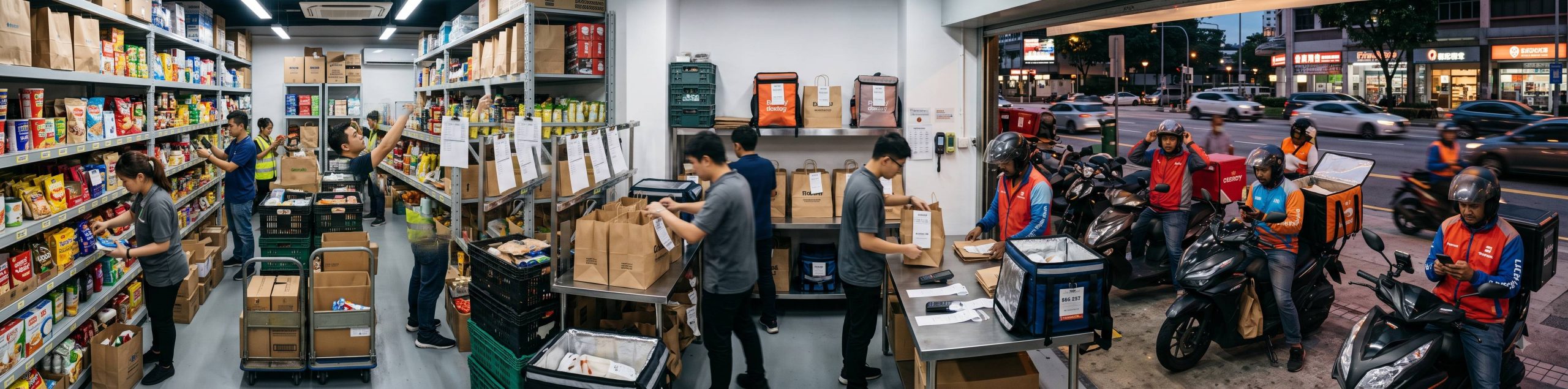
Quick commerce did something rather dramatic to delivery: it made waiting feel outdated. A few years ago, getting groceries the same day felt impressively fast. Then came the 30-minute delivery. Then 15. Suddenly, 10 minute delivery became a promise customers could expect, not a magic trick.
And the shift is much bigger than groceries arriving before you finish making dinner. Quick commerce has changed what customers consider “fast” across the entire delivery experience.
The numbers tell the story. Redseer reported that India’s quick commerce market grew by around 150% year over year in the first five months of 2025, crossing $10 billion in GMV and reaching more than 30 million monthly transacting users.
The interesting question, then, isn’t simply how businesses deliver faster. It’s how they make hundreds of tiny operational decisions fast enough to keep a 10-minute promise.
Key Takeaways
- Quick commerce has raised customer expectations around speed and convenience.
- 10-minute delivery depends on far more than the final-mile journey.
- Small operational delays can quickly consume a delivery window.
- Intelligent allocation, continuous planning, capacity awareness and exception-led decisions can reduce that friction.
- LogiNext helps businesses orchestrate these decisions across complex delivery operations.
What Really Happens Before the Customer Clicks “Order”?
Picture this.
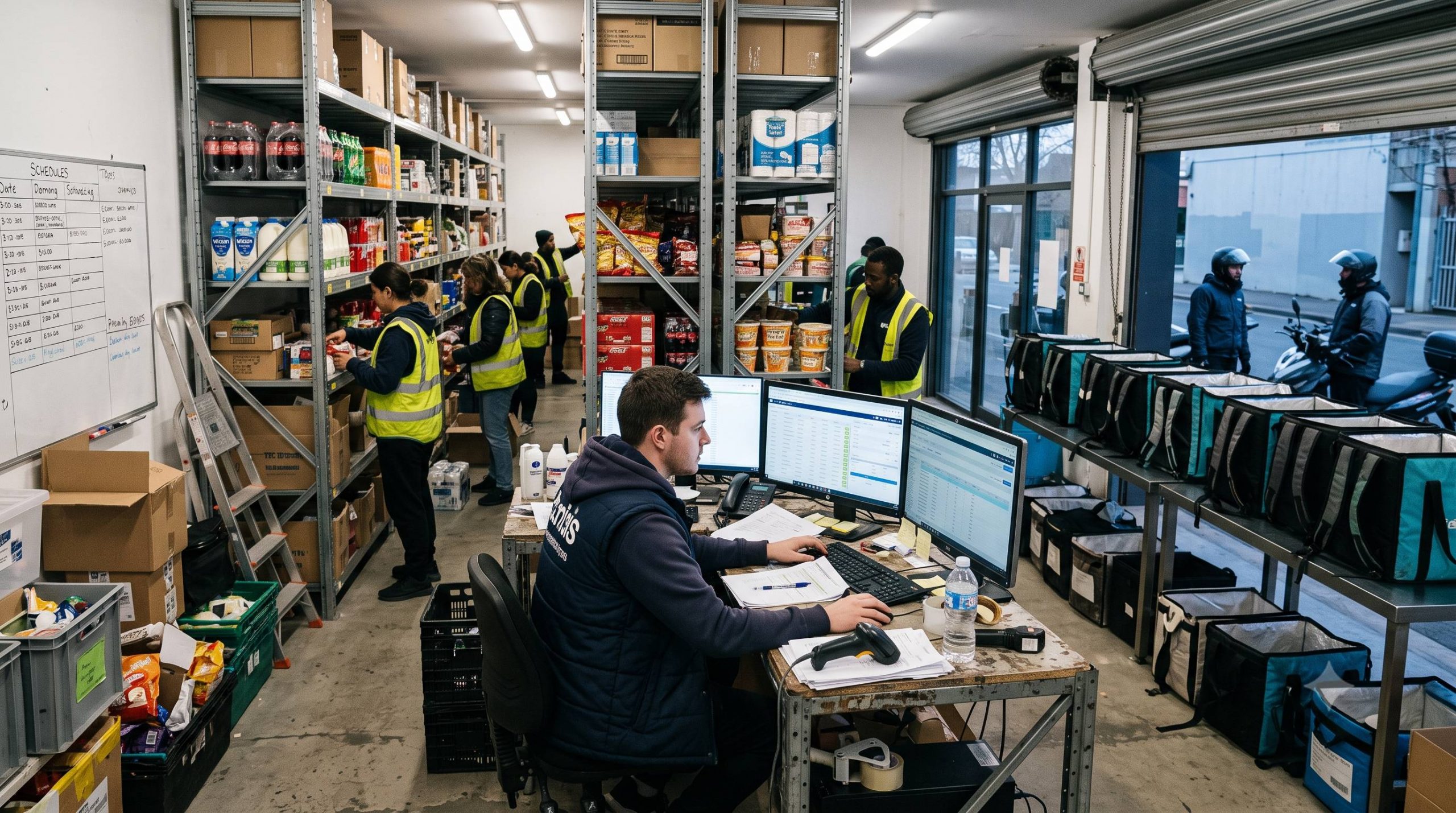
It’s 8:47 PM. Someone realizes they’re out of coffee. They open an app, tap a few buttons and place an order.
The customer sees a countdown. The delivery operation sees a race. But that race didn’t actually begin at 8:47.
It began much earlier with decisions about inventory placement, delivery capacity, service areas, demand patterns and operational readiness.
That’s the secret behind quick commerce. Speed at the doorstep depends on decisions made long before the doorstep enters the picture.
Redseer estimates that quick commerce in India could reach around $25 billion in GMV in 2026, with more than 50 million monthly transacting users.
More orders mean more opportunities to deliver quickly. They also mean more opportunities for something small to go wrong.
What Is Really Slowing Down a 10-Minute Delivery?
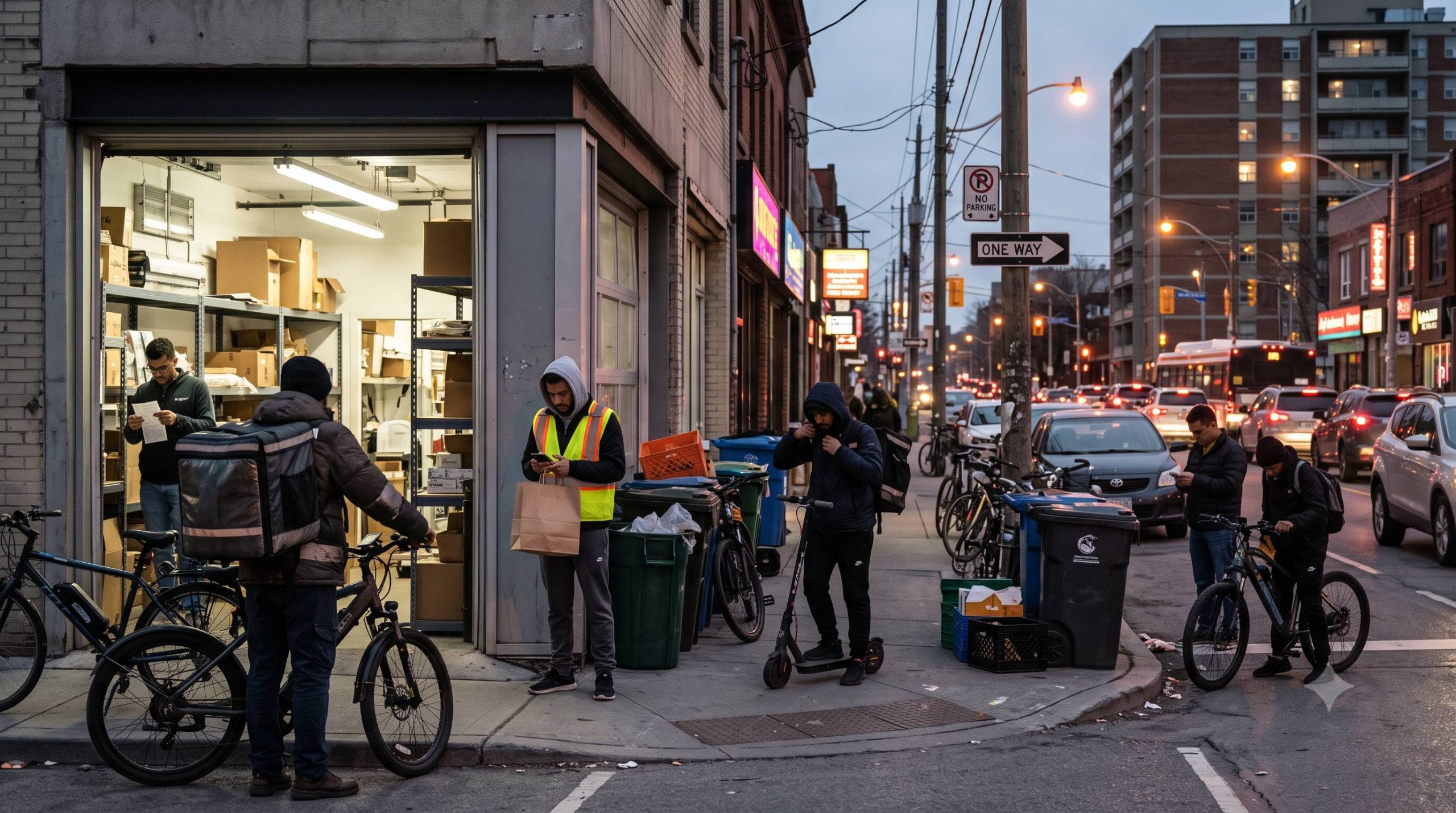
A 10-minute delivery doesn’t usually fail because someone drove an extra 0.8 miles. It fails because time leaks out of the operation.
An order waits for the right resource. A delivery plan needs to change. Capacity gets consumed in one area while demand spikes in another. An exception appears at exactly the wrong moment. A dispatcher has to decide which of several competing actions deserves attention first.
Five seconds here. Two minutes there. Another three minutes somewhere else. The customer doesn’t see any of this. They just see “Arriving in 10 minutes.”
This is why rapid and on-demand delivery requires more than simply making vehicles move faster. The operation itself has to become faster at deciding.
Why Did Quick Commerce Turn Logistics Into a Decision-Making Game?
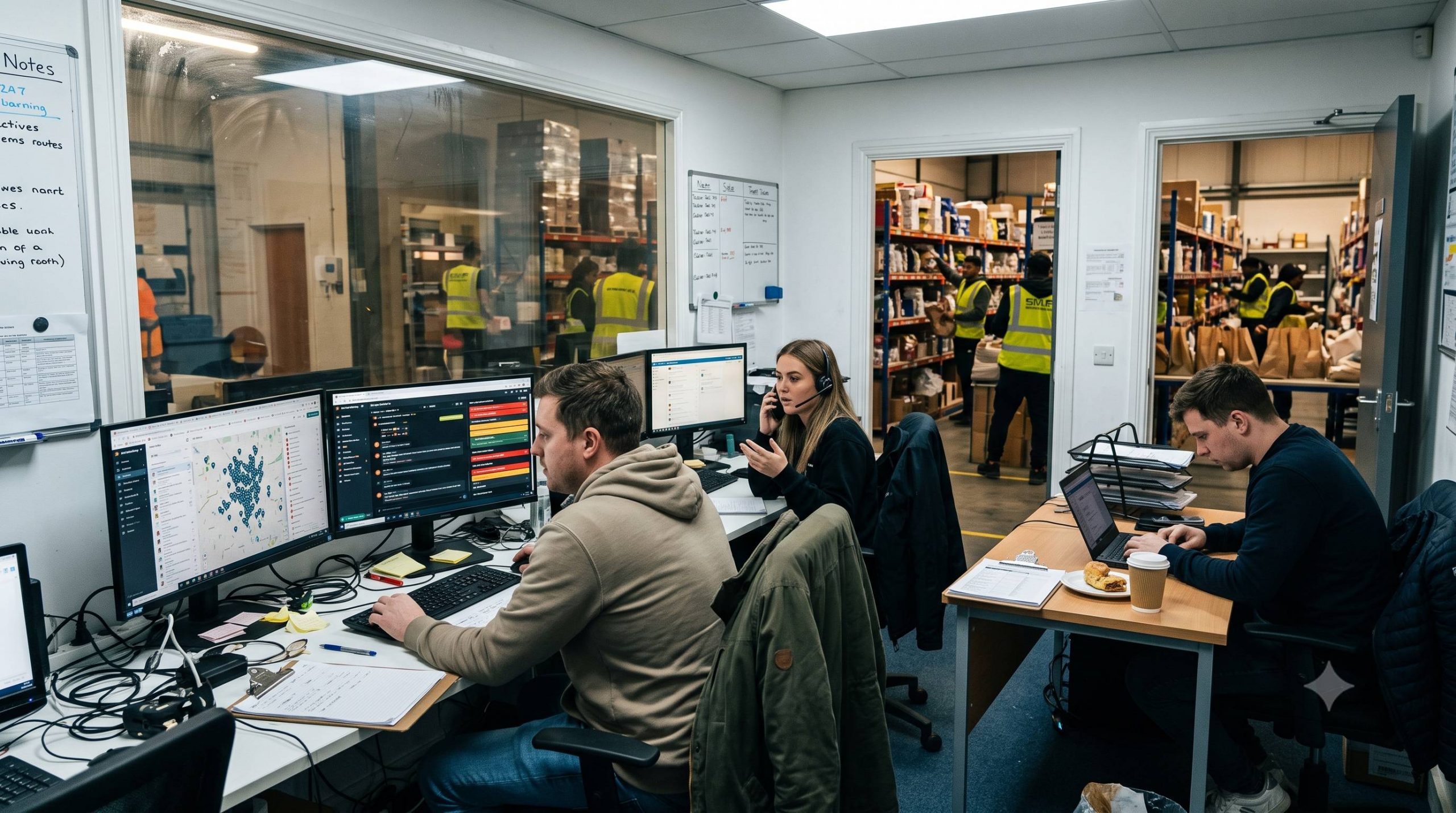
Traditional delivery planning can afford some breathing room. Quick commerce doesn’t have much of it.
When orders arrive continuously, the best decision at 8:47 PM might not be the best decision at 8:49 PM. This is where intelligent delivery orchestration becomes important.
Instead of treating every order as an isolated trip, businesses can continuously evaluate questions such as:
- Which available resource is best suited for this order?
- Can an incoming order fit intelligently into an existing delivery plan?
- Where is delivery capacity getting stretched?
- Which operational change is likely to affect the customer promise?
- Which exception needs intervention first?
- When conditions change, what should be replanned and what can remain untouched?
This is a very different approach from simply putting a route on a map. It’s about coordinating decisions across the operation while the operation is still moving.
LogiNext Helps Take The Guesswork Out Of The 10-Minute Race
This is where LogiNext comes into the picture.
For businesses dealing with quick commerce, on-demand delivery or increasingly demanding customer promises, the challenge is not just managing individual deliveries. It’s orchestrating the network of decisions behind them.
LogiNext helps businesses bring together intelligent planning, dynamic resource allocation, capacity-aware decision-making, continuous optimization and exception intelligence in one operational environment.
For example, instead of waiting for an operations team to discover that a delivery plan is going off course, AI-powered insights can help surface meaningful patterns and performance issues that deserve attention.
Similarly, intelligent orchestration can help businesses make better decisions around order assignment, delivery planning and operational capacity as conditions change.
The result isn’t simply faster movement. It’s less wasted time between one decision and the next. And when the delivery window is only 10 minutes, that distinction matters.
The Next Advantage Won’t Be Shaving Seconds Off The Route
Quick commerce has already taught customers to expect immediacy. The next competitive advantage may come from something less visible: the ability to coordinate an increasingly complex operation without slowing it down.
Redseer’s research shows just how quickly the category is expanding. Its 2026 estimates put India’s quick commerce GMV at around $25 billion, up from roughly $11.5 billion estimated for 2025.
That scale changes the problem. At 100 orders, a manual workaround might save the day. At 100,000 orders, the workaround becomes the bottleneck.
This is why the future of fast delivery isn’t simply about faster vehicles, shorter routes or more tracking screens. It’s about building an operation capable of making thousands of good decisions quickly and consistently.
That is the real lesson of the 10-minute delivery revolution. Customers may be buying in minutes. Businesses have to learn to think in seconds.
Frequently Asked Questions
1. What is quick commerce?
Quick commerce is a retail and delivery model focused on fulfilling customer orders in a very short timeframe, often within minutes. It typically relies on localized inventory, high order density and highly responsive delivery operations.
2. How did quick commerce change delivery expectations?
Quick commerce shifted customer expectations from same-day or scheduled delivery toward immediate fulfillment. The rise of 10-minute and other ultra-fast delivery models has made speed and convenience increasingly important parts of the customer experience.
3. What makes a 10-minute delivery difficult?
A 10-minute delivery window leaves little room for operational delays. Inventory availability, order assignment, delivery capacity, planning changes and exceptions all need to be handled quickly to protect the customer promise.
4. How does delivery orchestration support quick commerce?
Delivery orchestration connects planning and operational decisions across the delivery network. It can help businesses coordinate resources, adjust delivery plans, manage capacity and prioritize exceptions as conditions change.
5. Can LogiNext support quick commerce operations?
Yes. LogiNext provides intelligent orchestration capabilities that help businesses manage complex delivery operations, including planning, resource allocation, optimization, capacity management and AI-powered operational insights.
Conclusion
Quick commerce didn’t just make delivery faster. It changed the definition of fast.
The 10-minute promise exposed something businesses can no longer ignore. Delivery speed is ultimately a product of how quickly an operation can make the right decisions.
As order volumes rise and customer expectations continue to shrink delivery windows, businesses need more than visibility into what is happening. They need the ability to coordinate what happens next.
LogiNext helps businesses orchestrate those decisions across their delivery operations, so faster delivery doesn’t have to mean more operational chaos.
If your business is preparing for the next era of on-demand and quick commerce delivery, explore LogiNext to see how intelligent orchestration can help turn speed into a repeatable operational advantage.
3
 |  |  |




@LogiNext