




How Logistics Efficiency Can Beat Rising Costs
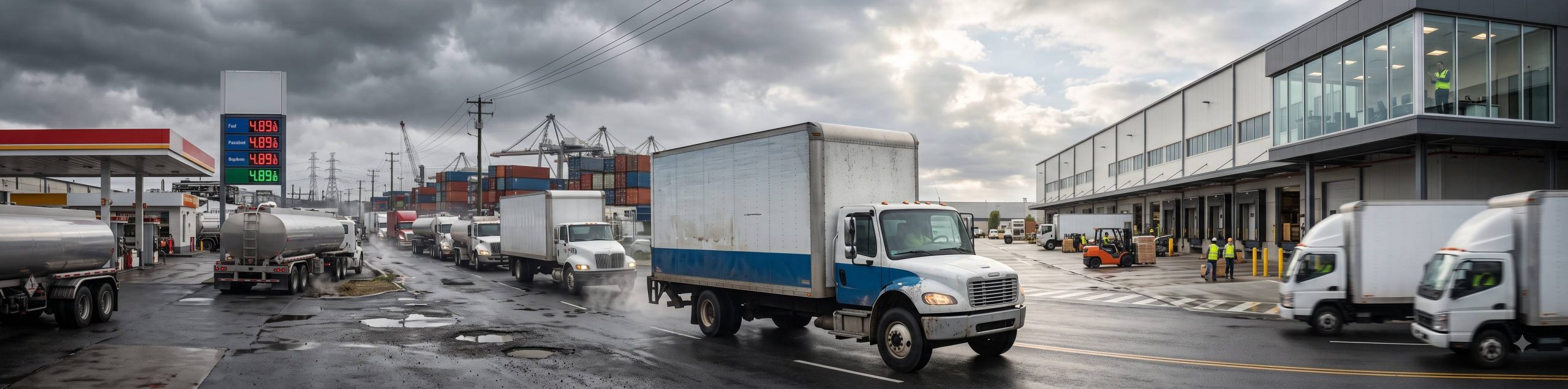
The world isn’t exactly handing businesses a discount coupon. Oil prices remain volatile, tariffs are reshaping trade, geopolitical conflicts are disrupting supply routes, and El Niño is adding another layer of weather-related uncertainty. For businesses moving goods, logistics efficiency is becoming less of a nice-to-have and more of a financial survival strategy.
The catch? Businesses can’t control the price of oil, rewrite tariff policies, end a war, or tell the weather to behave. What they can control is how efficiently their own operations respond.
That means fewer unnecessary miles, better resource utilization, faster responses to disruptions, less manual work, and smarter decisions. And increasingly, software is doing the heavy lifting.
Key Takeaways
- Global events can quickly turn into higher fuel, transportation and operating costs.
- Businesses cannot control most external cost pressures, but they can control operational waste.
- Route optimization, automation, visibility and better resource utilization can strengthen logistics efficiency.
- AI-powered software can help businesses respond to disruptions instead of simply reacting to them.
- The goal isn’t to eliminate every cost. It’s to stop avoidable costs from piling on top of unavoidable ones.
When the World Gets Messy, Logistics Gets Expensive
Consider what happens when a geopolitical conflict disrupts a major oil route.
The immediate problem may be thousands of miles away, but its effects don’t stay there. Higher fuel costs can raise transportation expenses, while longer or riskier routes can add time, insurance and capacity costs.
The current Iran conflict is a good example. Disruptions around the Strait of Hormuz have affected global oil flows, while tanker and logistics costs have also risen sharply.
Then add trade policy. US tariffs have continued to reshape trade flows and increase uncertainty for businesses sourcing and selling internationally. UN Trade and Development notes that tariff changes can alter prices, competitiveness and sourcing decisions.
And it’s not just geopolitics. WMO says a strengthening El Niño in 2026 is increasing the likelihood of heatwaves, droughts and heavy rainfall, while FAO highlights the interaction between weather, energy, fertilizer markets and geopolitical tensions.
The lesson is simple: when external costs rise, operational inefficiency becomes even more expensive.
What Happens When Every Mile Costs More?
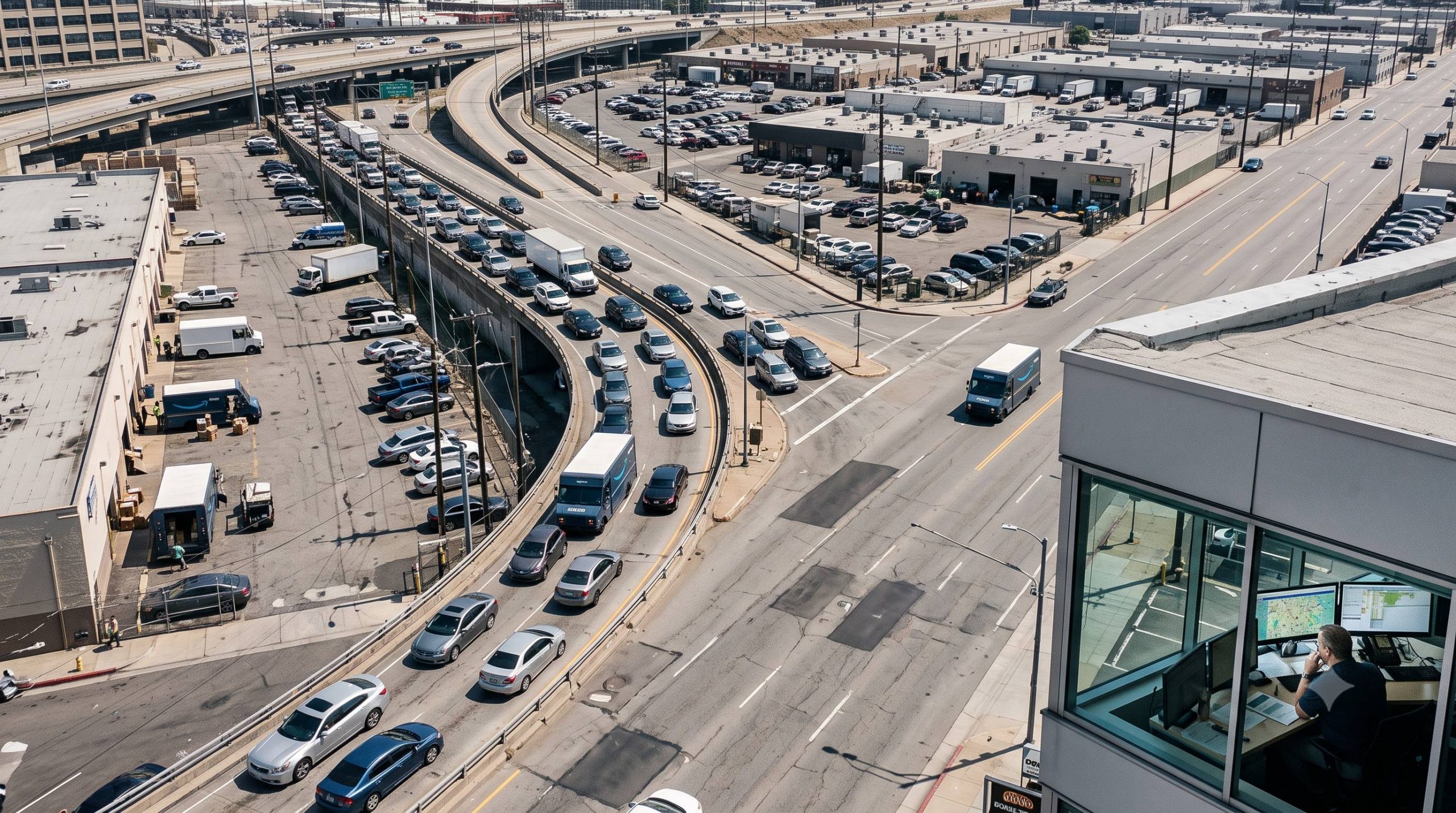
Fuel is one of the easiest places to see the impact. When fuel prices are stable, an inefficient route might look like a minor inconvenience. When fuel costs spike, those extra miles become very real money.
That’s where route optimization becomes a margin lever.
Modern logistics software can consider delivery windows, vehicle capacity, traffic, order priorities and multiple stops to build more efficient routes. It can also adjust plans when conditions change instead of leaving teams stuck with a route that looked brilliant at 7 AM and terrible by noon.
The objective isn’t simply shorter routes. It’s better routes for the entire operation.
That can mean fewer unnecessary miles, better vehicle utilization, fewer delays and more deliveries completed with the resources already available.
Can Existing Capacity Handle Rising Costs?
Buying additional vehicles or adding more delivery capacity isn’t exactly the first thing businesses want to do when costs are climbing.
A smarter question is: Are we getting enough from the capacity we already have?
Logistics software can help businesses allocate orders more intelligently, balance workloads, improve vehicle utilization and consolidate compatible deliveries.
This matters because underused capacity still costs money. A half-empty vehicle still consumes fuel. A driver waiting for work still costs money. A poorly allocated delivery still consumes operational bandwidth.
Better logistics efficiency means squeezing more productivity out of resources that are already on the payroll.
A Failed Delivery Is More Than a Customer Problem
Here’s a cost that is easy to underestimate: doing the same job twice.
A failed delivery can trigger another trip, additional fuel consumption, extra driver time, customer-service effort and a potential delay elsewhere in the network.
Software can help reduce these avoidable costs by improving delivery planning, customer communication, address accuracy and exception handling.
And when something does go wrong, real-time visibility and exception management can help teams identify the issue earlier and act before a small disruption becomes an expensive chain reaction.
One problem is that it is expensive. A problem that keeps multiplying is worse.
Manual Decisions Become Costlier as Complexity Grows
There is another rising cost that doesn’t come with a fuel surcharge: human time.
As operations become more complex, teams can spend hours assigning orders, adjusting routes, monitoring vehicles, responding to exceptions and coordinating updates.
Automation can take repetitive decisions out of that loop.
AI-powered systems can analyze operational data, identify patterns, recommend actions and automate routine workflows. That gives teams more time to deal with decisions that genuinely require human judgment.
The principle is straightforward: Don’t spend expensive human attention on repetitive operational work that software can handle.
That’s where logistics automation moves beyond convenience and becomes an efficiency strategy.
What Happens When Disruptions Move Faster Than Operations?
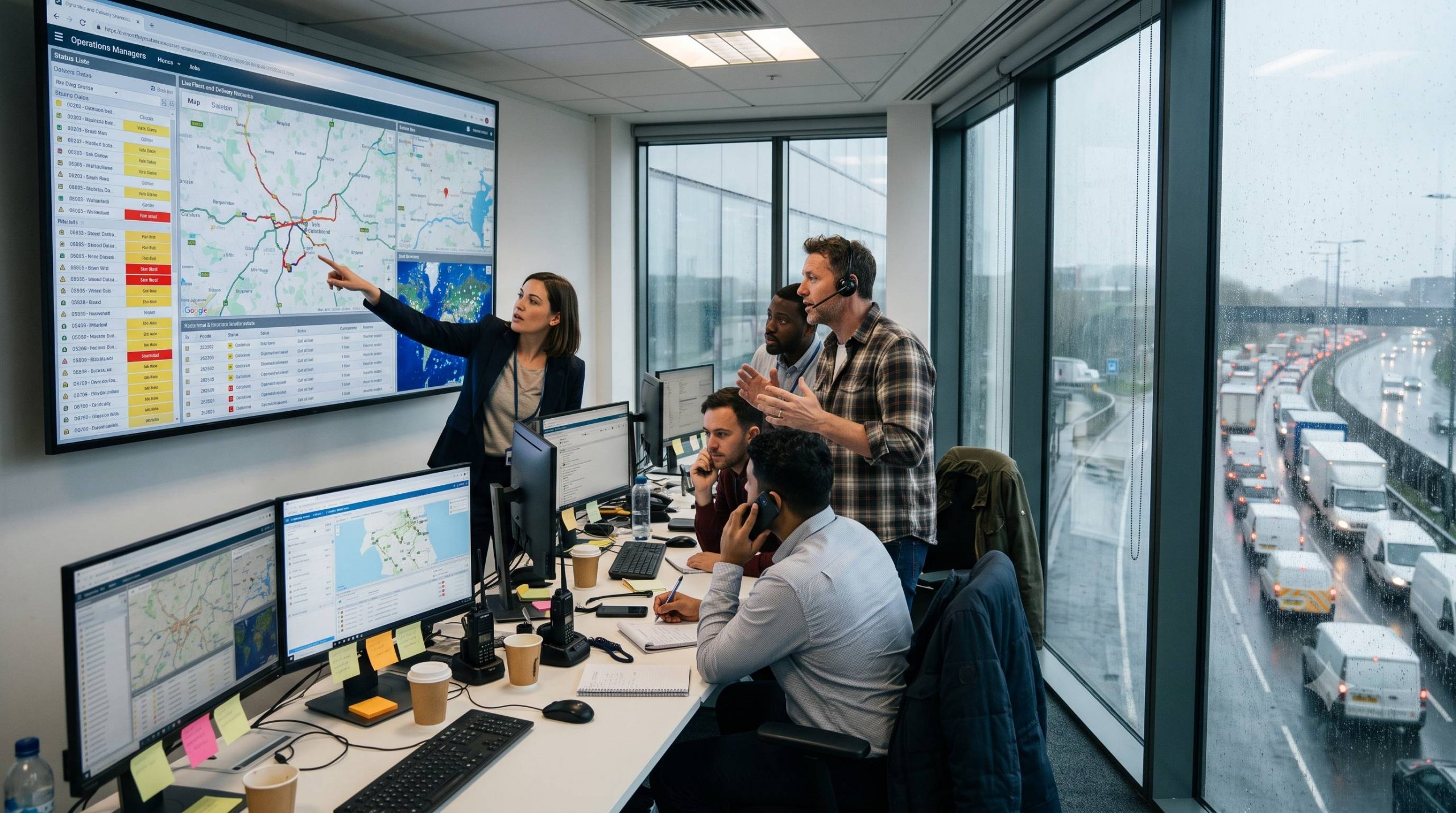
You can’t prevent every disruption. A road will close. A vehicle will be delayed. The weather will change. Demand will suddenly jump. A shipment may not arrive when expected.
The expensive part is often how long it takes to realize something has gone wrong.
Real-time visibility gives operations teams a clearer picture of what’s happening across their network. Combined with analytics and AI, that information can help them identify deviations, understand their impact and act sooner.
This is particularly important in a volatile environment. When conditions change faster, waiting for yesterday’s report is not exactly a winning strategy.
Can Better Logistics Efficiency Protect Your Margins?
The biggest mistake businesses can make during a cost squeeze is trying to fight every external cost directly.
You can’t negotiate with every oil market. You can’t control international tariffs. And You can’t predict every geopolitical disruption. Also, unfortunately, sending a strongly worded email to El Niño probably won’t help.
What businesses can do is build operations that waste less.
That means optimizing routes, utilizing capacity better, automating repetitive work, catching exceptions earlier and using real-time data to make faster decisions.
That’s the real role of logistics efficiency in an unpredictable economy. Not eliminating unavoidable costs, but preventing avoidable ones from multiplying them.
Also Read: LogiNext Exception Management: From Issue to Resolution
Frequently Asked Questions
1. How does logistics efficiency help reduce costs?
Logistics efficiency helps businesses reduce unnecessary mileage, improve resource utilization, minimize failed deliveries, reduce manual work and respond faster to operational disruptions.
2. Can logistics software help when fuel prices rise?
Yes. Route optimization and better resource allocation can help reduce unnecessary travel, improve vehicle utilization and make each trip more productive.
3. How does AI improve logistics efficiency?
AI can analyze large amounts of operational data, optimize routes and allocations, identify potential disruptions, automate repetitive decisions and help teams respond faster to changing conditions.
4. Can logistics software help businesses manage disruptions?
Yes. Real-time visibility, exception management and dynamic optimization can help teams identify disruptions earlier and adjust operations accordingly.
5. Is logistics efficiency only about reducing costs?
No. Cost reduction is one outcome. Better logistics efficiency can also improve delivery reliability, resource utilization, responsiveness, customer experience and operational scalability.
Conclusion: You Can’t Control the World. You Can Control Your Operation.
Wars, tariffs, fuel volatility and extreme weather aren’t going away because a supply chain manager had a particularly productive Tuesday.
But businesses don’t have to absorb every external shock as additional operational waste.
Better logistics efficiency gives businesses a way to respond. Optimize every route, use every resource more intelligently, automate repetitive work and act on disruptions before they become expensive.
That’s where LogiNext can help. Its AI-powered logistics platform brings together intelligent orchestration, route optimization, real-time visibility and enterprise automation to help businesses run more efficiently in an increasingly unpredictable operating environment.
Want to see what a more efficient operation could look like? Explore LogiNext and discover how smarter logistics technology can help your business do more with the resources it already has.
2
 |  |  |




@LogiNext