


Your Package Is Moving. Can Your Customer See It?
Delivery tracking software has become more than a way to locate a vehicle on a map. It is now part of the customer experience. When shoppers place an order, they want to know where it is, when it will arrive, and whether anything has changed along the way.
That expectation is backed by the numbers. Forrester’s 2025 Consumer Pulse found that 80% of U.S. consumers consider specific delivery or pickup dates important after an online purchase. While 75% value status-update notifications.
The message for businesses is simple: once the order leaves the warehouse, the customer relationship doesn’t go into airplane mode. It needs visibility.
Key Takeaways
- Delivery tracking software is now a customer-experience capability, not just an operational tool.
- Customers increasingly expect precise delivery information and proactive updates.
- Real-time tracking can help reduce uncertainty between checkout and doorstep.
- Dynamic ETAs are more useful than static delivery milestones.
- Branded tracking experiences give businesses greater control over the post-purchase journey.
- Tracking works best when connected to planning, routing, dispatch and real-time execution.
- LogiNext connects delivery visibility with broader delivery management and orchestration capabilities.
Why Does Delivery Tracking Matter to Customer Experience?

Because the period between “Order confirmed” and “Delivered” is a surprisingly important part of the buying experience.
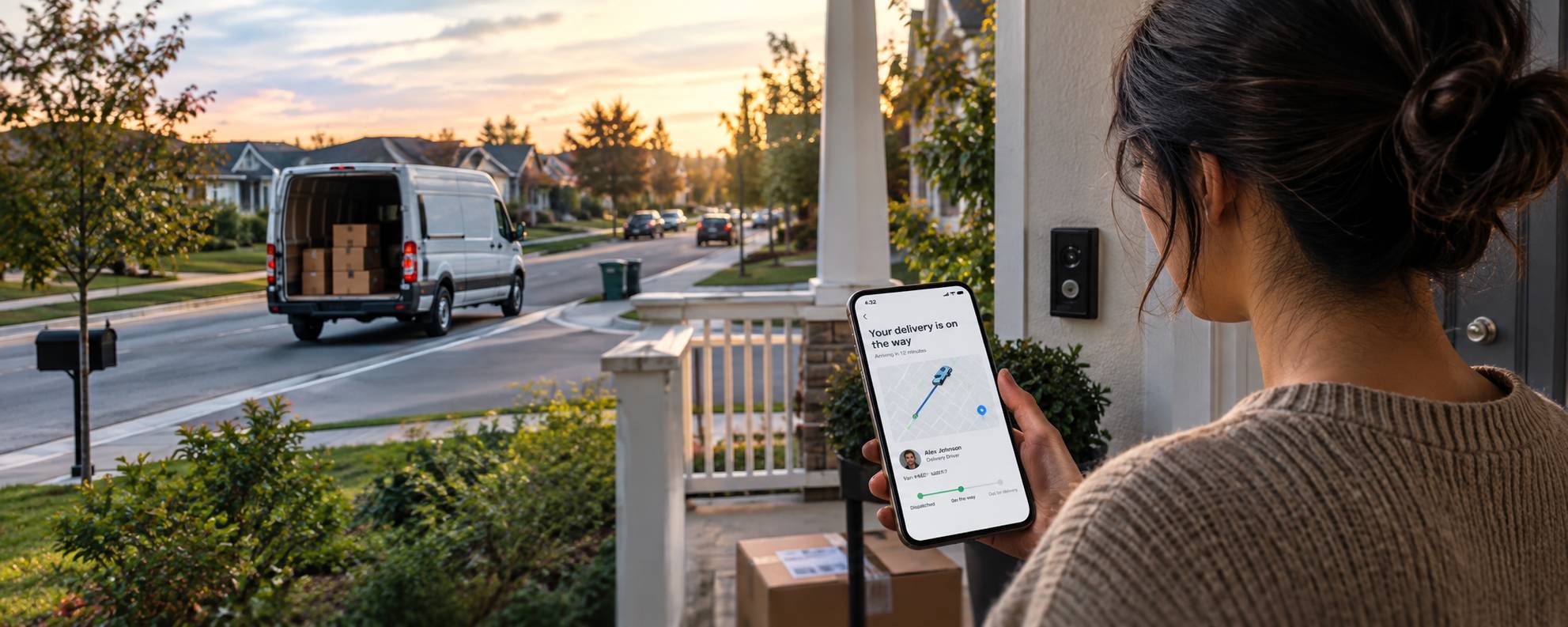
Think about the difference between these two messages: “Your order is in transit.” and “Your driver is 12 minutes away. Track their location here.” Technically, both provide information. Emotionally, they are worlds apart.
Modern shoppers increasingly expect control and transparency after checkout. Baymard’s 2026 ecommerce UX research found that 51% of respondents consider checking order status or delivery tracking one of the most important features an ecommerce site can provide.
Without meaningful visibility, customers start doing the classic “Where is my order?” routine:
- Refresh the tracking page.
- Check the email again.
- Wonder whether “in transit” means five minutes or five hours.
- Contact customer support.
- Start questioning whether the delivery will arrive at all.
The package may be moving perfectly. The experience isn’t.
What Should Delivery Tracking Software Provide?
Good delivery tracking software should connect operational visibility with customer-facing communication. At a minimum, businesses should look for:
1. Real-Time Driver and Order Tracking:
Instead of relying only on milestone scans, businesses can provide live visibility into the movement of delivery associates and orders.
LogiNext enables businesses to track drivers and vehicles in real time, monitor delivery movement, and respond to disruptions as they happen.
2. Accurate and Dynamic ETAs:
An ETA should not remain frozen while the real world changes around it.
Traffic builds. Routes change. A delivery takes longer than expected. Good tracking systems should account for these changes and update arrival estimates accordingly.
LogiNext dynamically updates ETAs as delivery conditions change, helping businesses maintain more accurate delivery promises.
3. Proactive Customer Notifications:
Customers shouldn’t have to hunt for information. Automated notifications can communicate important events such as dispatch, out-for-delivery status, delays, and delivery completion.
This matters because three-quarters of U.S. consumers surveyed by Forrester said status-update notifications are important.
4. Customer-Facing Visibility:
Operational teams aren’t the only people who need tracking.
Customers should have access to a simple tracking experience that can show delivery progress, status updates, and estimated arrival information without forcing them to navigate complicated logistics systems.
How Does Real-Time Delivery Tracking Reduce Delivery Friction?
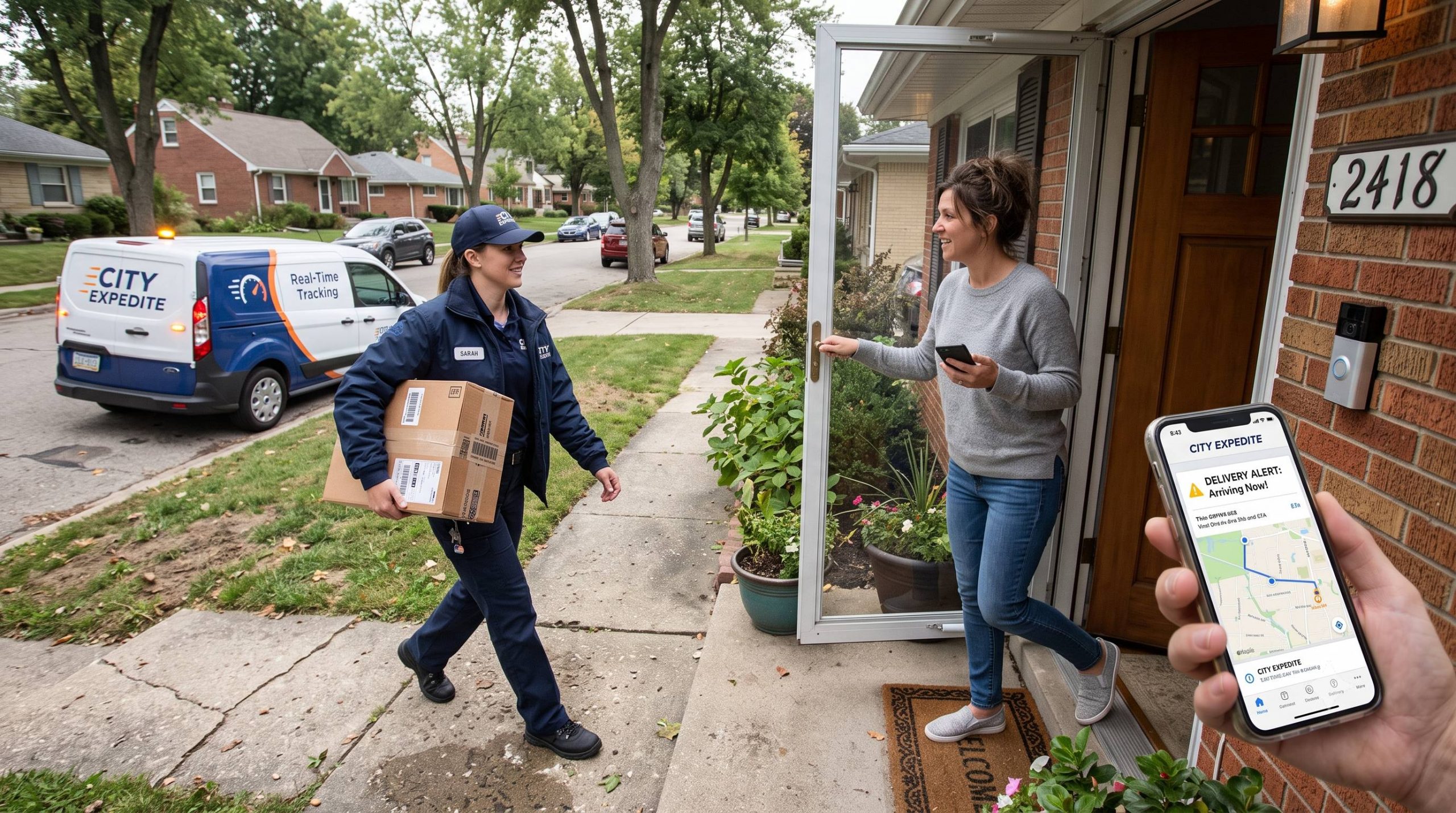
The biggest advantage isn’t simply knowing where a driver is. It’s knowing what to do with that information. Consider a scheduled home delivery.
Without live visibility, a customer might receive a broad four-hour window. They wait. The driver gets delayed. The customer has no idea. Eventually, the delivery arrives when nobody is available.
Now add real-time tracking and dynamic ETAs.
The customer gets a more precise arrival estimate and can monitor the delivery’s progress. If a delay occurs, they can be notified before the original expectation becomes a missed promise.
That creates a much smoother handoff.
Research from Avery Dennison found that 43% of U.S. consumers in its 2025 study wanted non-food home deliveries within a specific time slot. The same research identified delivery delays and inability to track orders among consumers’ leading frustrations.
Tracking, therefore, isn’t just about watching a dot move across a map. It can help synchronize customer availability with driver arrival.
How Can Businesses Turn Tracking Into a Branded Experience?
Here’s where delivery tracking gets more interesting.
A tracking page doesn’t have to be a dead-end screen owned by a carrier. It can become another branded customer touchpoint.
Instead of sending customers away to a generic third-party tracking page, businesses can provide tracking experiences within their own digital ecosystem.
With LogiNext, businesses can use real-time tracking, customer notifications, dynamic ETAs and delivery visibility to keep customers informed throughout the final mile. Its delivery solutions are designed to connect dispatchers, drivers and customers through real-time delivery information.
That creates opportunities to make the post-purchase experience more useful:
- Keep customers on branded tracking pages.
- Display live delivery progress.
- Provide dynamic ETAs.
- Send proactive delay notifications.
- Surface relevant customer communication.
- Connect delivery visibility with the broader digital expereince.
The principle is simple: if customers are going to check their order, give them an experience worth coming back to.
What Are The Benefits of Delivery Tracking Software?
When implemented properly, delivery tracking can create value across both the customer experience and operations.
For customers:
- Greater visibility into delivery progress
- More accurate arrival expectations
- Fewer unpleasant surprises
- Easier delivery coordination
- More confidence in the brand
For Operations Teams:
- Real-time visibility into active deliveries
- Faster response to delays and disruptions
- Better coordination with drivers
- More accurate ETAs
- Fewer avoidable customer inquiries
And there is an important distinction here: tracking alone doesn’t fix poor delivery execution.
A beautiful tracking map cannot save a route that was badly planned or an ETA that was wildly inaccurate. The strongest delivery experience connects planning, routing, dispatch, tracking, communication, and execution into one operational flow.
That is where LogiNext’s broader delivery management capabilities become important. The platform combines route planning, scheduling, dispatch, live tracking, delivery validation, and customer-facing visibility within its logistics ecosystem.
Frequently Asked Questions
1. What is delivery tracking software?
Delivery tracking software helps businesses monitor orders, vehicles and delivery associates in real time while providing visibility into delivery status and estimated arrival times.
2. Why is real-time delivery tracking important?
Real-time tracking gives businesses and customers timely information about delivery progress. Thereby, helping them respond to delays and coordinate the final handoff more effectively.
3. What is the difference between delivery tracking and delivery management software?
Delivery tracking focuses primarily on visibility into deliveries and their movement. Delivery management software typically covers a broader workflow, including planning, routing, scheduling, dispatch, tracking, and delivery validation.
4. Can delivery tracking software send customer notifications?
Yes. Modern delivery tracking platforms can trigger automated notifications for events such as dispatch, out-for-delivery status, delays, and completed deliveries.
5. How does delivery tracking improve customer experience?
It reduces uncertainty by giving customers clearer delivery information, more accurate ETAs, and proactive updates instead of leaving them with generic statuses such as “in transit.”
Conclusion
Delivery speed gets the package moving. Visibility makes the experience feel reliable.
Customers don’t expect every delivery to go perfectly. They do expect to know what’s happening when something changes. A vague “in transit” message leaves too much room for uncertainty. Real-time tracking, dynamic ETAs, proactive notifications, and branded customer experiences close that gap.
For businesses, the opportunity goes beyond reducing “Where is my order?” questions. Delivery tracking can become a direct extension of the brand experience, connecting operational execution with the customer standing at the doorstep.
LogiNext brings that visibility together with planning, routing, dispatch, live tracking, and delivery management, helping enterprises create a delivery experience that is easier to monitor, easier to manage, and easier for customers to trust.
Want to turn delivery visibility into a better customer experience? Explore LogiNext’s delivery tracking software and see how real-time visibility can transform the final mile.
Like
 |  |  |




@LogiNext