



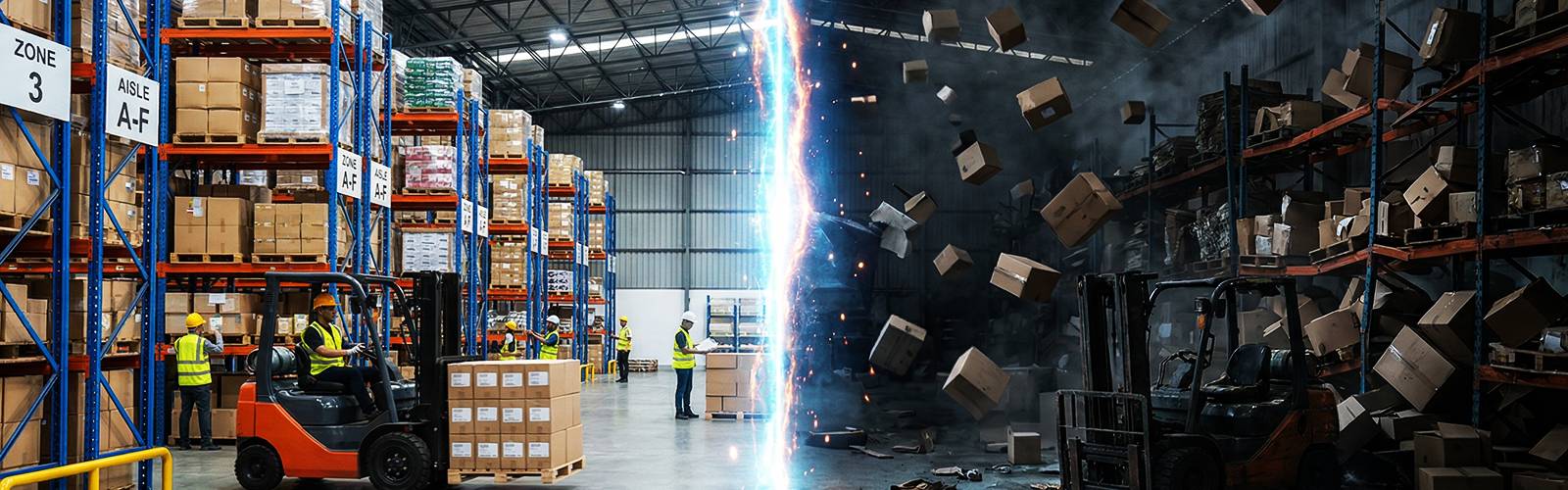
Stranger Things in Your Warehouse? How Third Party Logistics Fixes the Upside Down
Warehouses today are under constant pressure to move faster, stay accurate, and keep costs under control. Yet, many operations still struggle with delays, stock mismatches, and limited visibility. This is where third party logistics becomes critical, helping businesses regain control over complex supply chains while improving efficiency and service levels.
Much like the eerie world in Stranger Things, logistics can slip into chaos when systems are disconnected. Orders disappear, processes slow down, and teams scramble to fix issues. 3PL brings structure back, turning confusion into clarity with smarter systems and real-time insights.
The Upside Down: Where Inventory Goes Missing
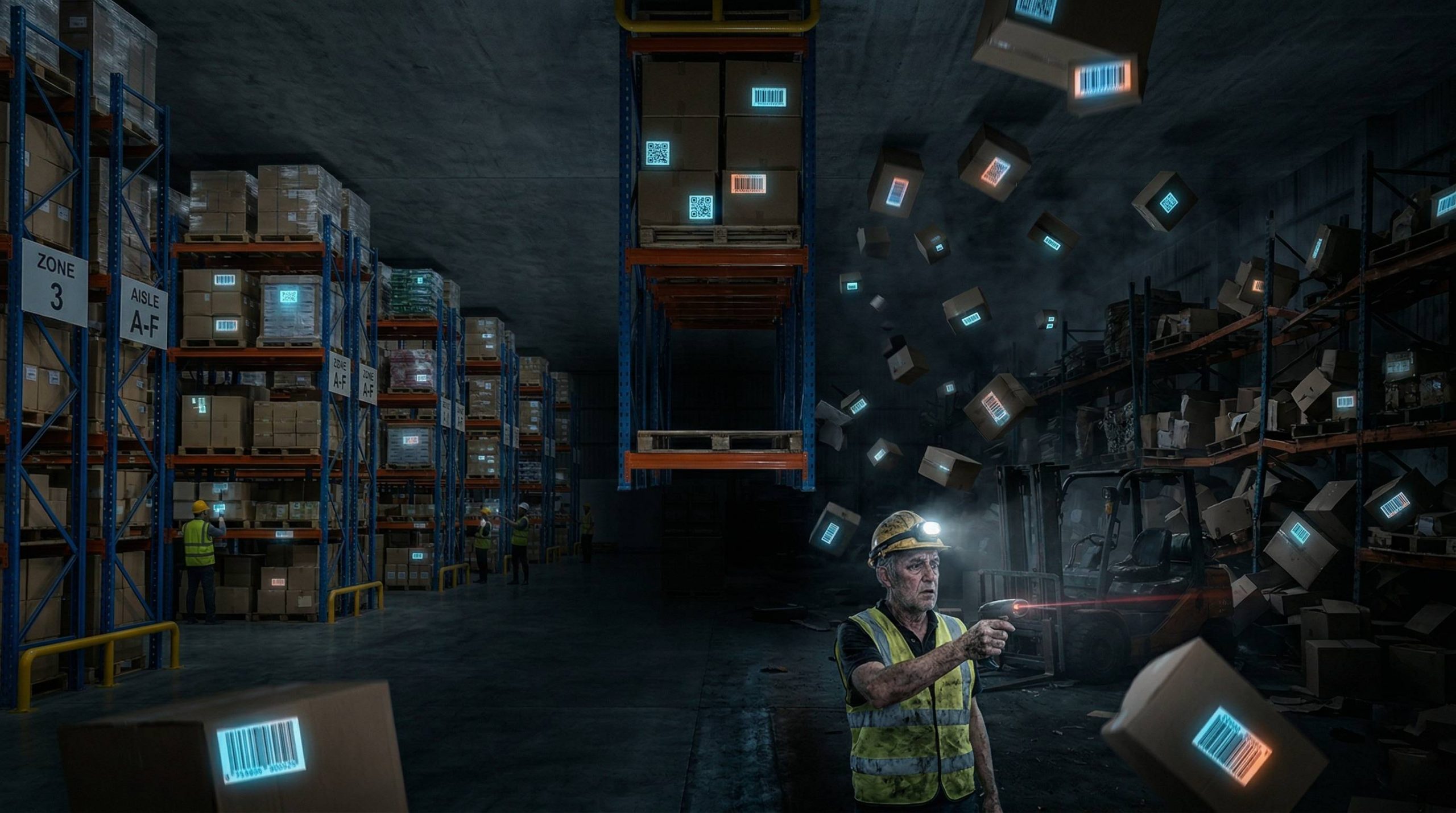
Modern supply chains operate in a highly volatile environment where even small inefficiencies can quickly escalate into major disruptions. According to Gartner, nearly 50% of supply chain leaders struggle with end-to-end visibility. While inventory inaccuracies in traditional warehouses can reach up to 30%.
These gaps create a ripple effect across operations. Leading to delayed shipments, incorrect order fulfillment, and dissatisfied customers who expect faster and more reliable service. The lack of coordination between systems only amplifies these challenges over time.
The issue is rarely a single breakdown. Instead, it stems from fragmented systems, manual processes, and limited real-time insights. This is how warehouses gradually slip into an “Upside Down” state, where everything appears functional on the surface but lacks control underneath.
Eleven Enters: Third Party Logistics Restores Balance
Third party logistics, commonly known as 3PL, plays a transformative role in restoring order to complex supply chains. Rather than simply outsourcing logistics tasks, a strong third party logistics system integrates warehousing, transportation, and distribution into a unified framework.
This integration reduces fragmentation and allows businesses to manage operations with greater precision and consistency. By leveraging third party logistics software, organizations gain centralized visibility and better coordination across the entire logistics ecosystem.
The results are measurable. Companies adopting 3PL solutions often reduce logistics costs by up to 15% while improving order accuracy by as much as 25%. These gains come from structured processes, automation, and data-driven decision-making.
The Mind Flayer of Inefficiency vs Smart Technology
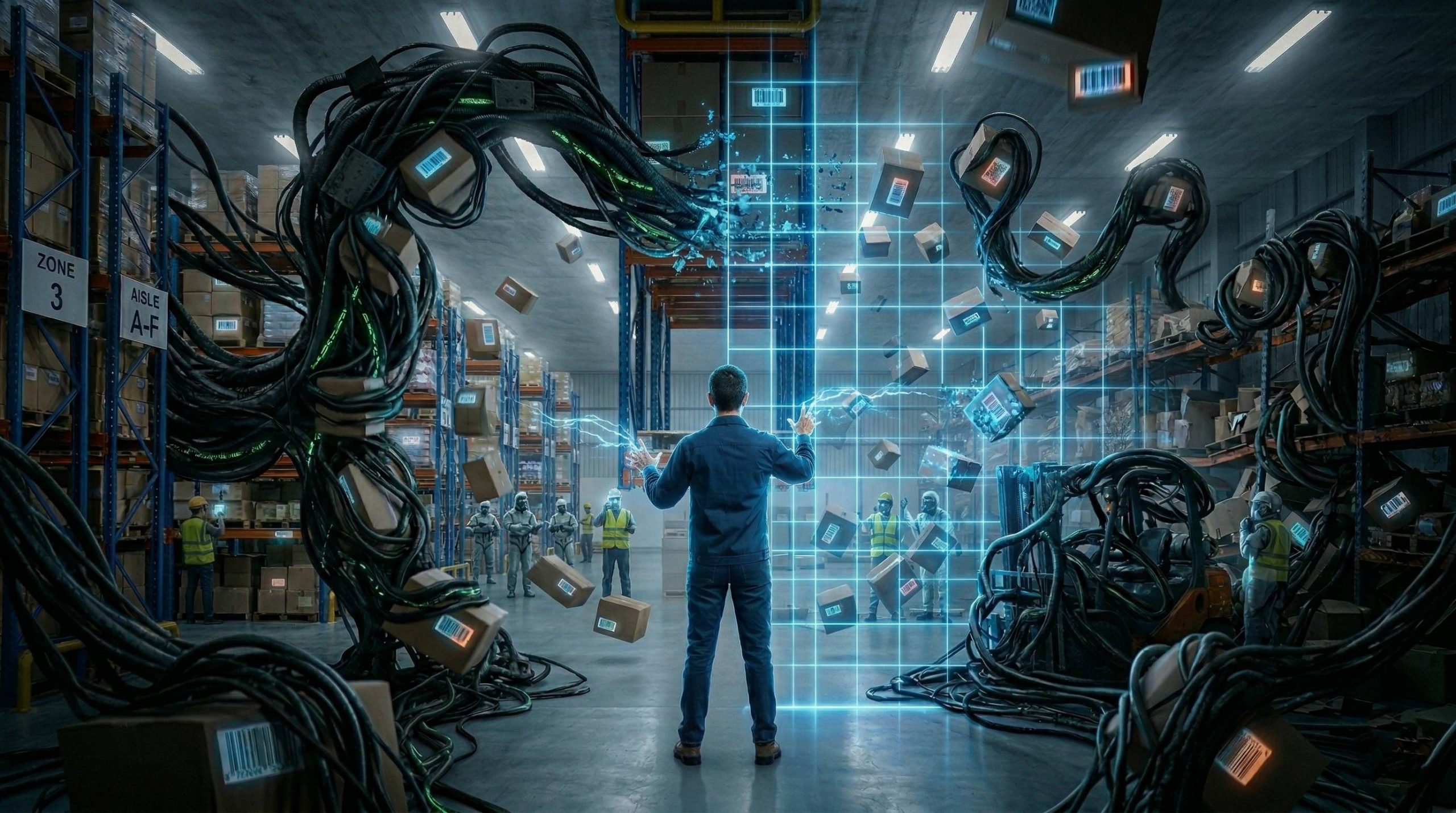
Inefficiency is one of the biggest threats to logistics performance, often operating silently until it impacts outcomes. This is where 3PL management software becomes essential, acting as the intelligence layer that connects and optimizes supply chain operations.
It aggregates data from multiple sources and transforms it into actionable insights that support better decision-making. Real-time tracking, predictive analytics, and automated workflows allow businesses to stay ahead of disruptions.
This shift enables organizations to move from reactive problem-solving to proactive optimization. Over time, this advantage helps maintain consistency, reduce operational friction, and improve overall logistics performance.
Closing the Gate: End-to-End 3PL Logistics
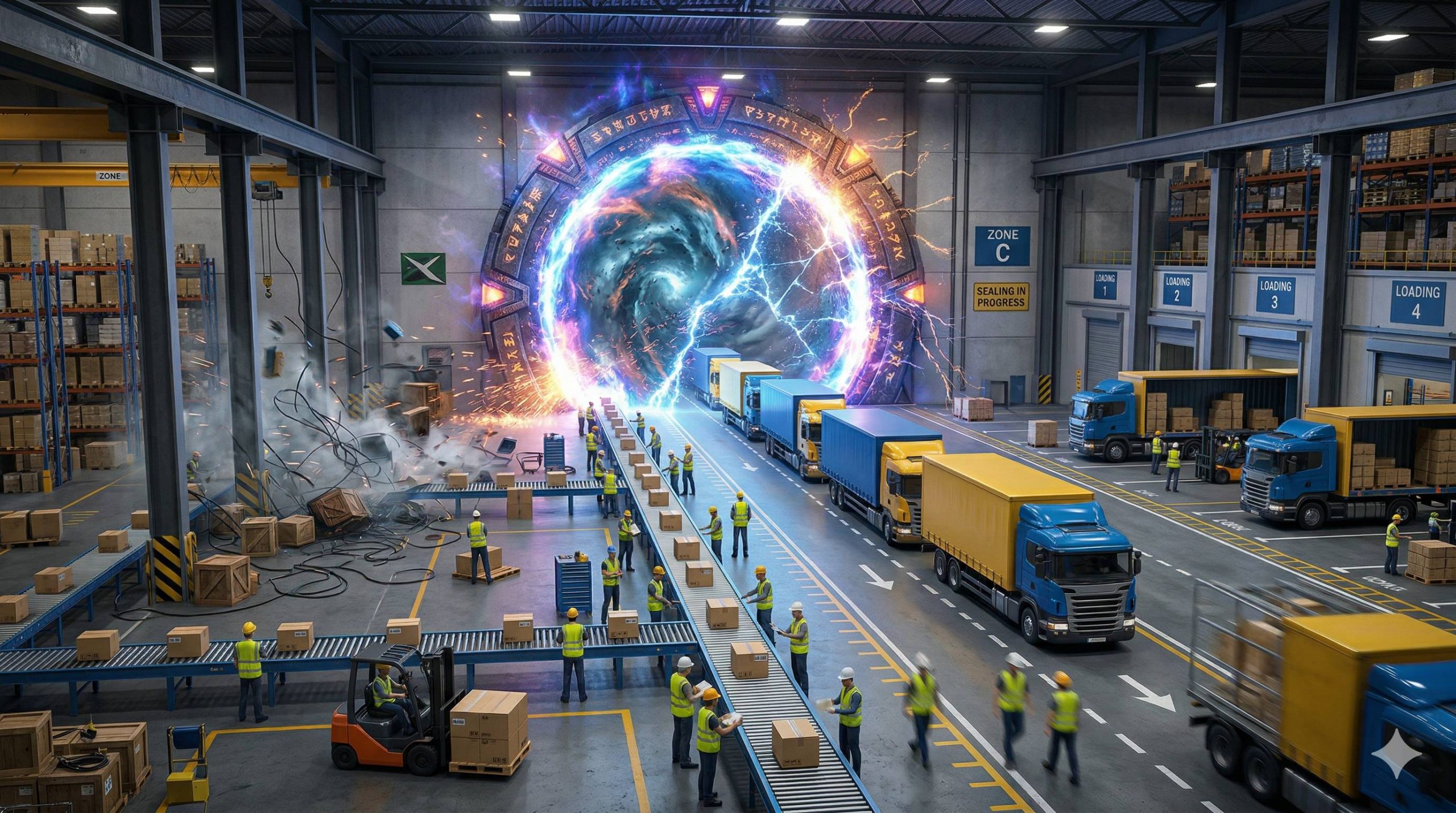
Fragmentation across logistics operations is a primary driver of inefficiency, especially when functions operate in silos. Warehousing, transportation, and last-mile delivery often rely on separate systems that lack coordination.
End-to-end 3PL logistics addresses this by connecting every stage of the supply chain into a cohesive system. This alignment ensures smoother transitions between processes and reduces delays across operations.
With improved visibility and coordination, businesses can enhance fulfillment speed and customer satisfaction. Platforms like LogiNext enable this transformation by bringing automation and real-time insights into every layer of logistics.
Outdated Systems: The Real Demogorgon
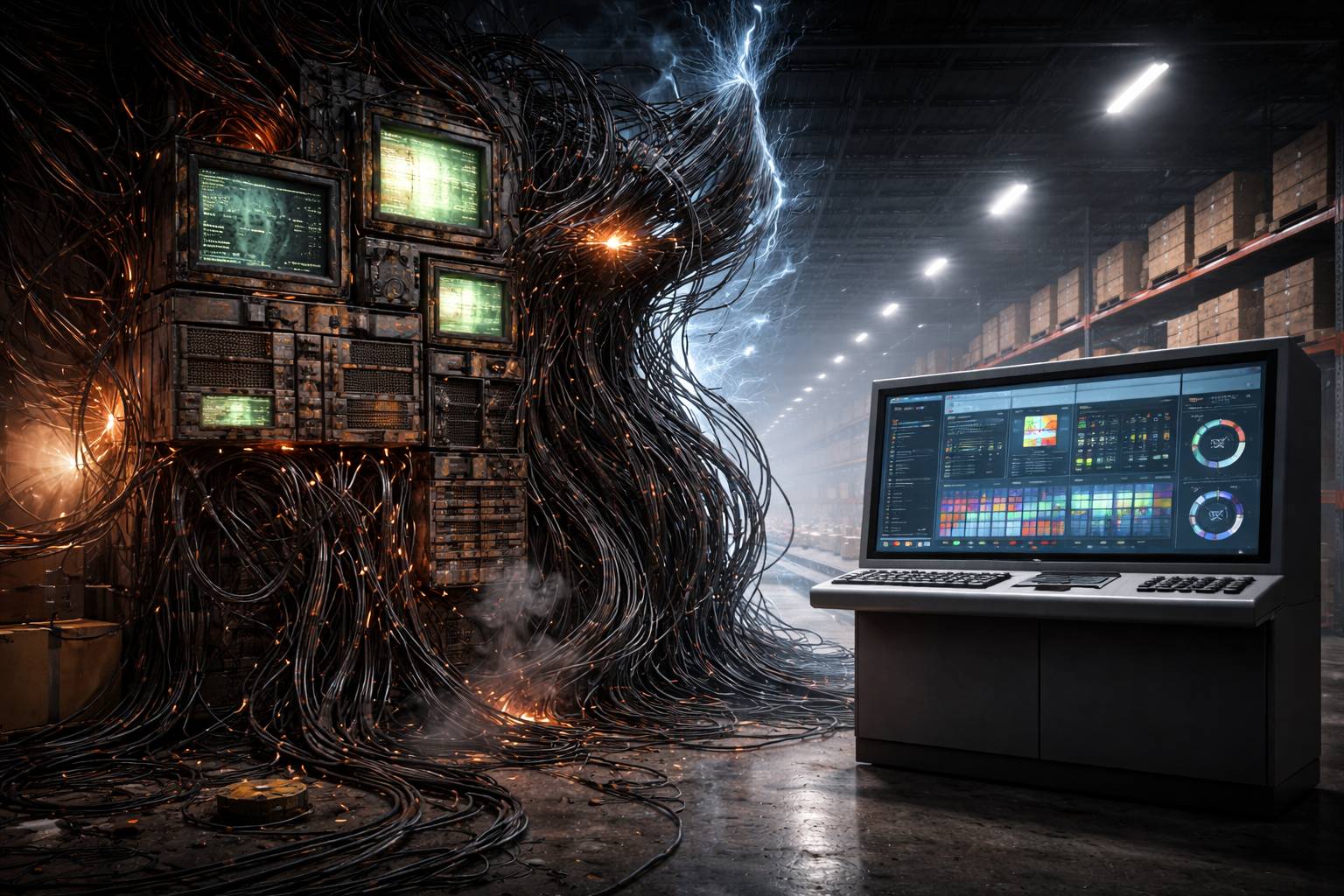
Legacy systems often act as hidden barriers that prevent logistics operations from evolving. These systems are rigid, difficult to integrate, and heavily dependent on manual inputs, increasing the risk of inefficiencies.
As a result, businesses relying on outdated technology struggle to maintain visibility and respond quickly to disruptions. Decision-making becomes slower and less accurate, affecting overall performance.
A modern third party logistics system solves this by offering real-time intelligence and predictive capabilities. This allows businesses to anticipate challenges, adapt quickly, and maintain operational control.
Levelling Up: Scaling Without Chaos
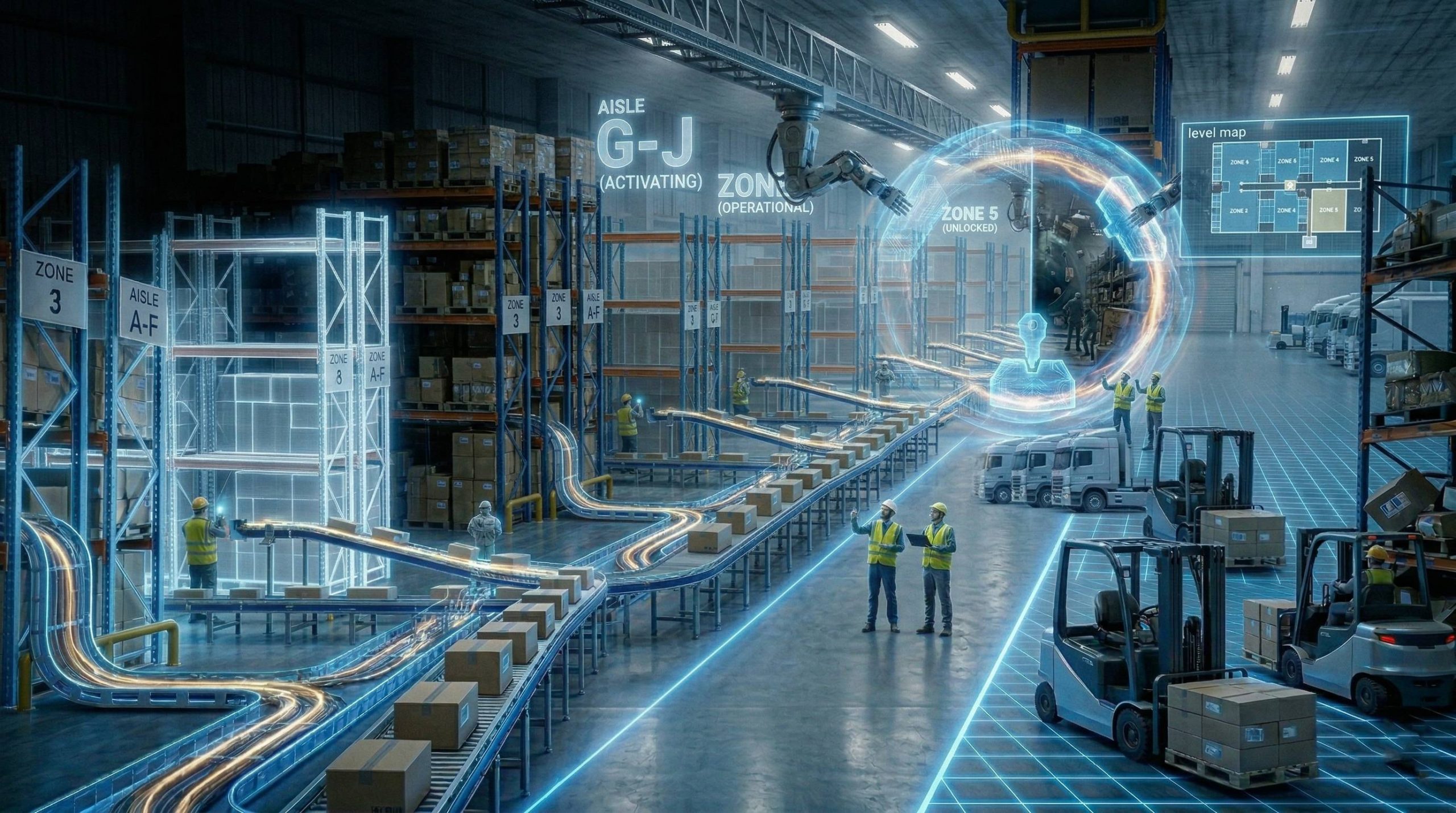
Growth introduces complexity, making it difficult to maintain efficiency without the right logistics framework. Increasing order volumes, expanding product lines, and managing more delivery routes can overwhelm traditional systems.
This is where 3PL becomes a strategic advantage. With advanced 3PL management software, businesses can scale operations while maintaining efficiency and control across the supply chain.
By leveraging optimized networks and intelligent tools, organizations can handle higher demand without operational breakdowns. Solutions like LogiNext support this growth by ensuring precision and consistency at scale.
The Real Superpower: Data-Driven Decisions
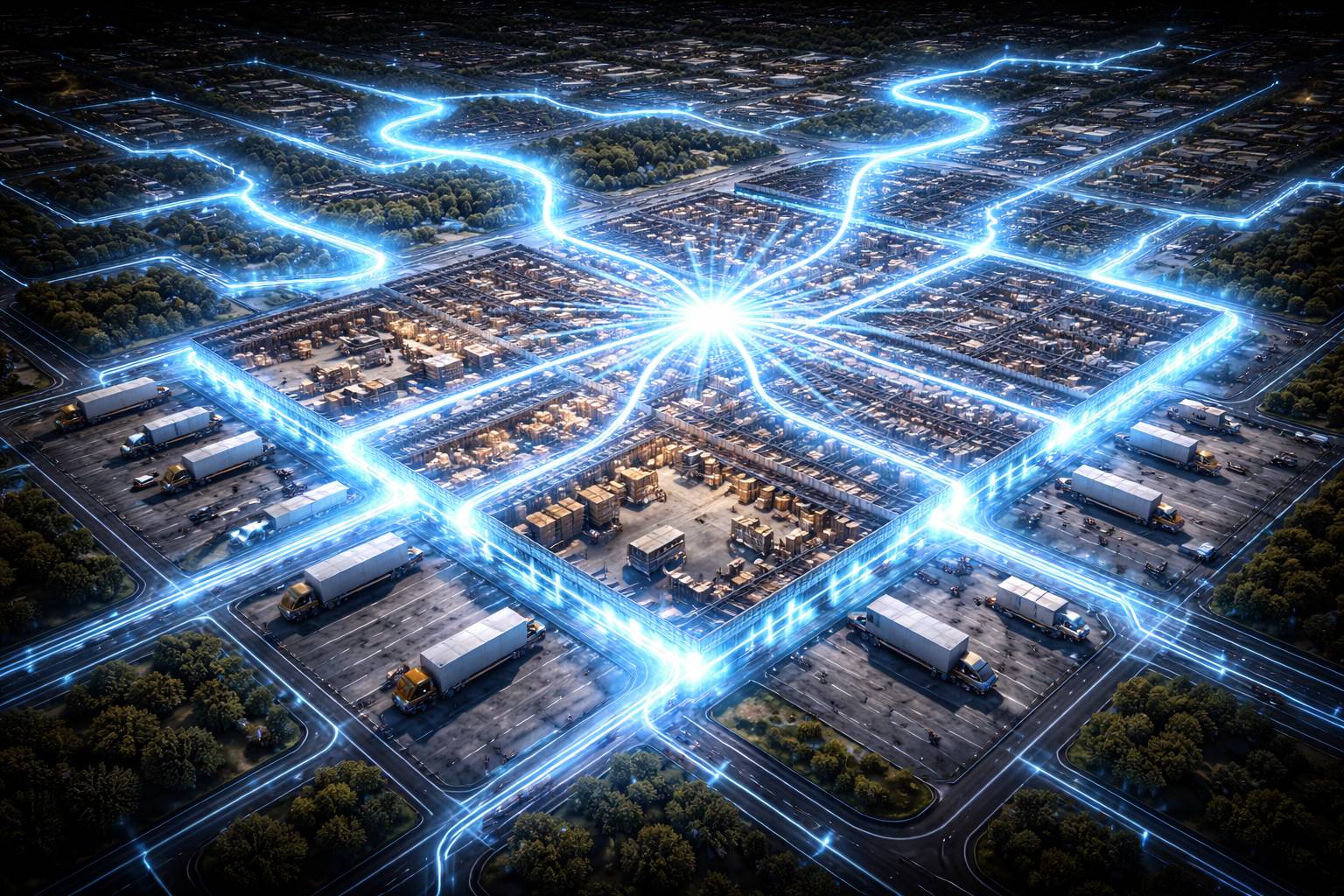
Data is one of the most valuable assets in modern logistics, enabling businesses to improve performance and reduce costs. Third party logistics software plays a key role in converting raw data into actionable insights.
Businesses can identify inefficiencies, optimize delivery routes, and enhance service levels using real-time information. This leads to more informed decision-making and better overall outcomes.
According to McKinsey, companies using advanced analytics in logistics can reduce transportation costs by up to 20%. This demonstrates the significant impact of data-driven strategies on operational success.
Flipping Returns: Turning the Upside Into Opportunity
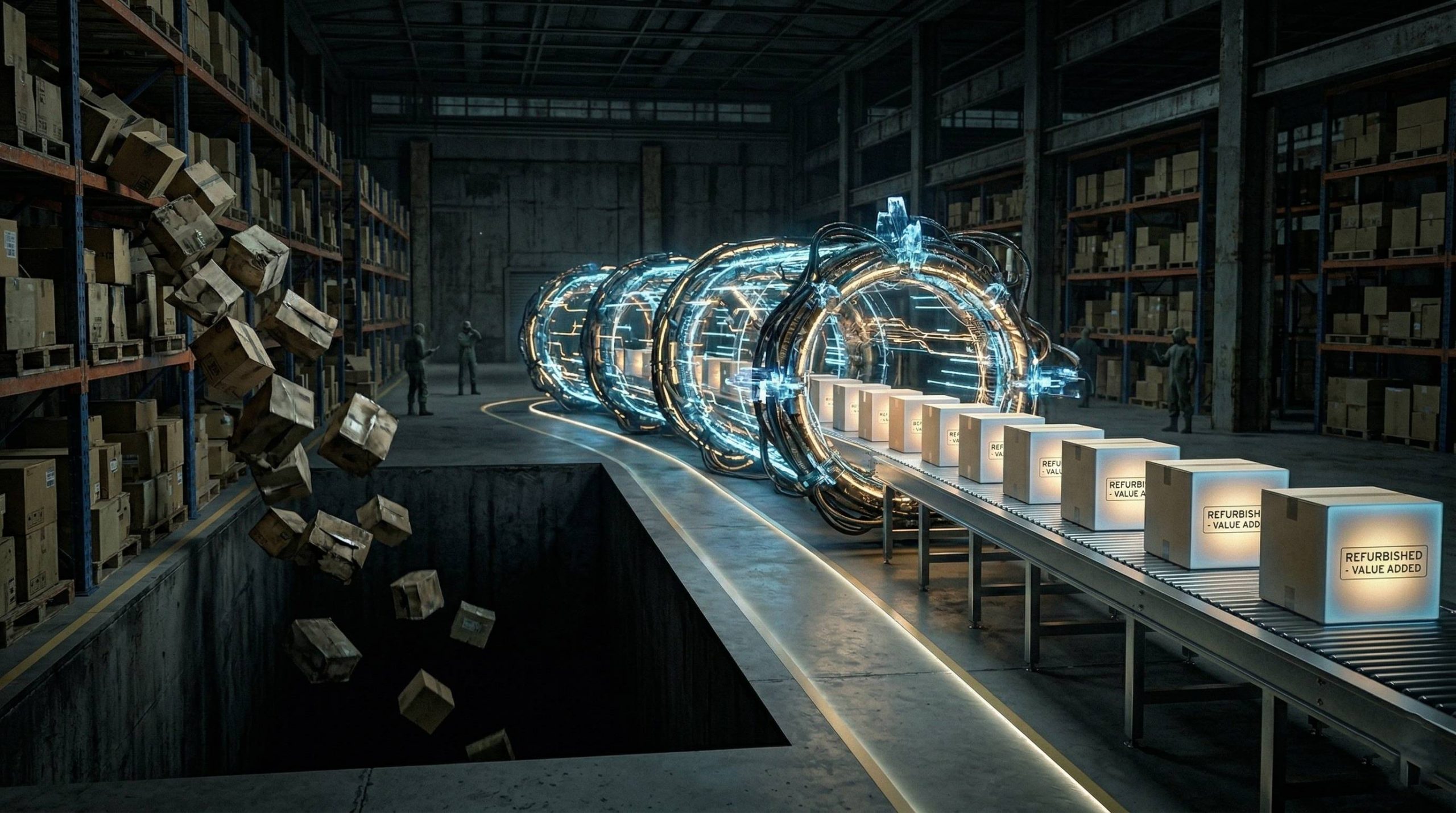
Reverse logistics is often complex, involving unpredictable return volumes and costly processes. Without proper systems, managing returns can quickly become a major operational challenge.
A well-implemented third party logistics system simplifies this process through automation, tracking, and optimized routing. This reduces delays and improves efficiency across return operations.
By streamlining reverse logistics, businesses can recover value, improve customer satisfaction, and gain better visibility into product performance. What once felt chaotic becomes a manageable and strategic function.
Conclusion: Escape the Upside for Good
If your warehouse feels chaotic, it is a clear indication that your logistics strategy needs to evolve. Third party logistics provides a structured approach to improving efficiency, visibility, and scalability across operations.
By adopting third party logistics software and a strong 3PL strategy, businesses can move from reactive management to proactive optimization. This shift enables better performance and long-term growth.
LogiNext helps drive this transformation with advanced capabilities in automation and real-time visibility. Book a demo today and discover how a powerful third party logistics system can bring your operations back from the Upside Down.
“” 55
 |  |  |




@LogiNext