




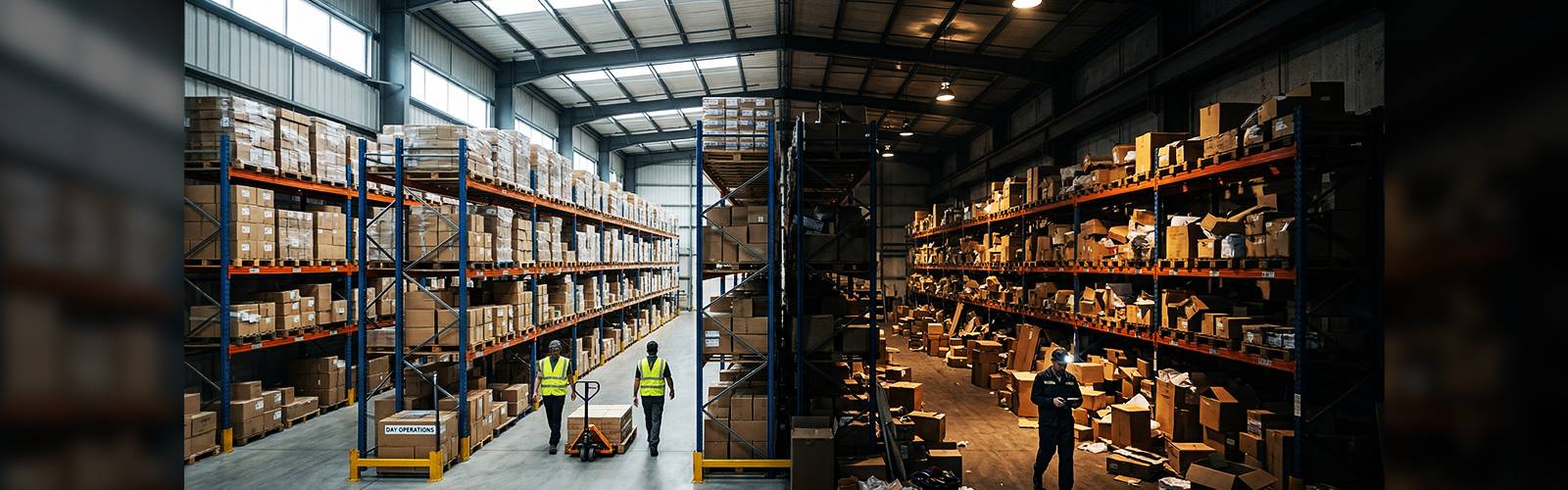
Expectation vs Reality: The Meme That Explains Returns at Scale
You’ve seen the meme. The shiny “Expectation” versus the painfully accurate “Reality.” Now plug that into your operations, and suddenly reverse logistics doesn’t look like a backend function anymore. It looks like a full-blown plot twist.
On paper, returns look smooth, controlled, almost boring. In reality, they humble even the best supply chains.
The Illusion of Simplicity

Returns look easy until they actually start happening. What seems like a straight line on a flowchart quickly turns into a maze when real-world variables kick in.
Expectation: “Returns? Easy. We’ve Got This.”
In every strategy meeting, returns behave. They follow rules. A customer clicks “return,” the system schedules a pickup, the product comes back, and the refund goes out like clockwork. No friction, no drama, no surprises.
This version runs on a clean, well-oiled reverse logistics platform. Solid reverse logistics software automates processes, ensures predictability, and scales operations effortlessly. It creates a flow that makes dashboards look sharp and helps leadership sleep better.
Reality: “Where Did That Return Even Go?”
Now cut to the actual operation.
A return request comes in… and just sits there for a bit. Pickup scheduling depends on someone noticing it. Routes aren’t optimized, so drivers show up late or miss the slot entirely. The product finally makes it back, but now it’s sitting in a warehouse corner like it’s being punished.
No one’s quite sure when it’ll be processed. Refund? Also on a spiritual journey. Without a proper reverse logistics system, returns don’t flow. They wander.
The Visibility Myth
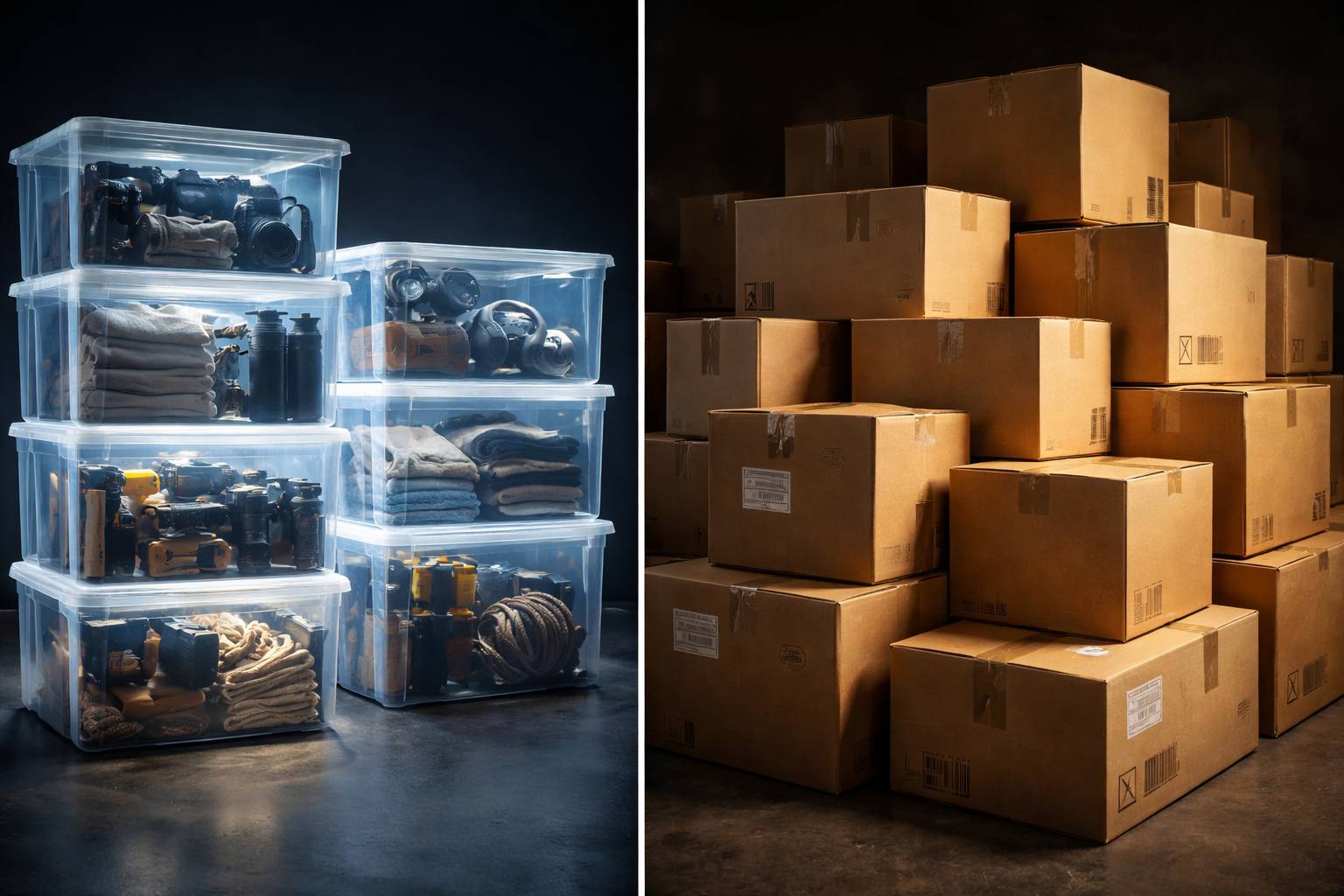
Everyone claims they have visibility. The question is, visibility into what, and how accurate is it really?
Expectation: “We Track Everything in Real Time.“
In the ideal world, every return is fully visible. You know when it gets picked up, where it is, and what happens to it at any given moment. Decisions are quick because the data is right there, clean and reliable.
A strong reverse logistics solution makes this happen. No blind spots, no guesswork, no chasing updates.
Reality: “Let Me Check and Get Back to You.”
In reality, tracking a return feels like assembling a puzzle with missing pieces. One system knows about pickups, another knows about inventory, and neither is in the mood to talk to each other.
So teams do what they always do – call, message, follow up, repeat. By the time you have an update, it’s already outdated.
That’s not visibility. That’s detective work powered by a very tired reverse logistics platform.
The Scale Trap
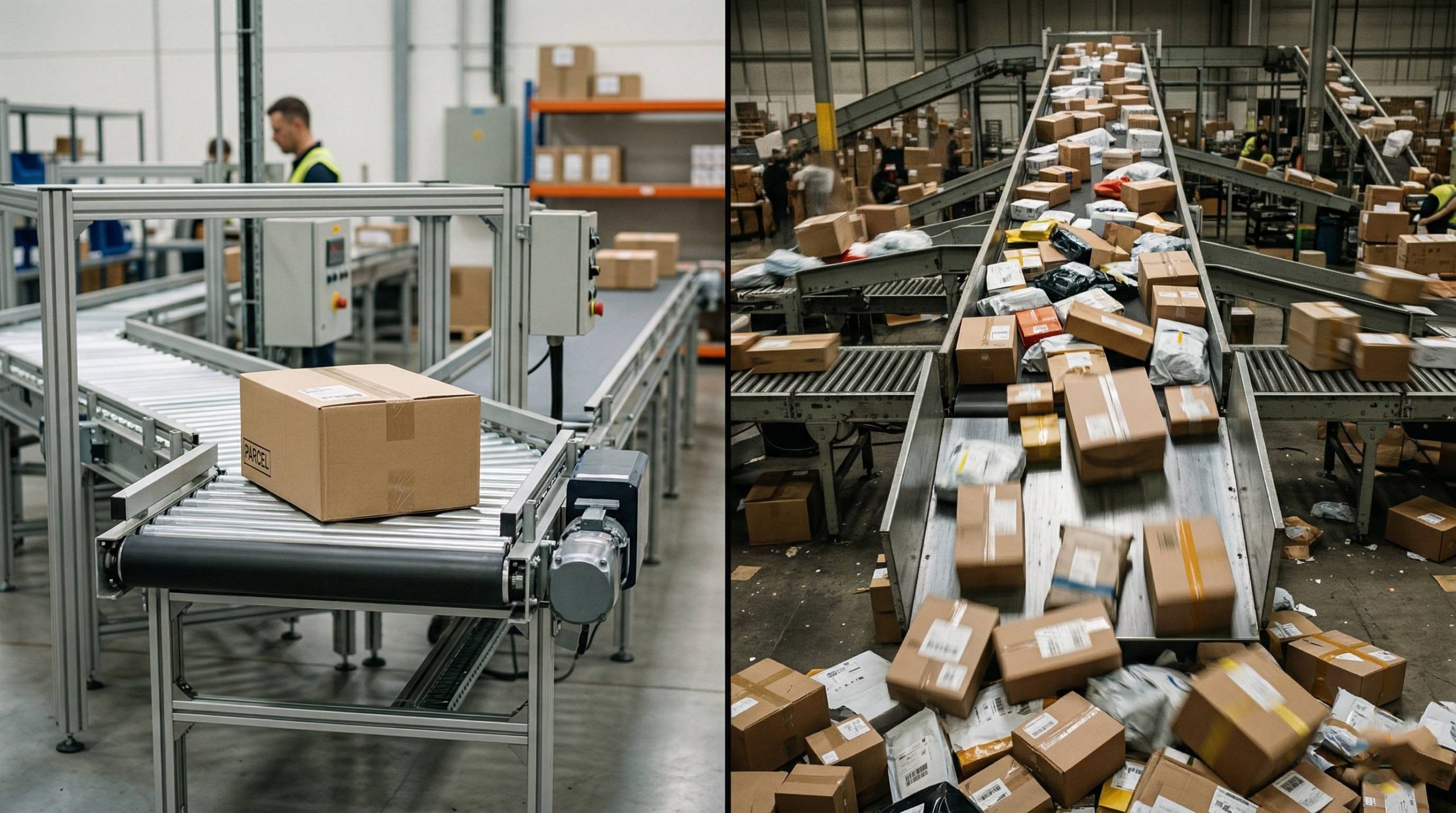
Things don’t break immediately. They break when volume hits. Scale doesn’t introduce problems, it exposes them.
Expectation: “We Can Handle Growth Easily.”
Growth is exciting. More orders, more customers, more returns. A well-built reverse logistics system should handle all of it without breaking stride. Whether it’s 100 returns or 10,000, the experience should stay smooth.
That’s the dream.
Reality: “Everything is Falling Apart.”
Scale has a funny way of exposing every weakness you hoped no one would notice.
That small delay in pickup? Now it’s a backlog.
That manual process? Now it’s a bottleneck.
That tiny error? Now it’s lost inventory.
According to the National Retail Federation (NRF), return rates in eCommerce sit between 16% and 30%, which means a huge chunk of your operations is constantly running in reverse. Without a scalable reverse logistics solution, growth doesn’t just add pressure, it multiplies chaos.
The Decision Bottleneck

Getting products back is only half the job. The real challenge begins when you have to decide what to do with them.
Expectation: “Every Return is Processed Instantly.”
In a perfect setup, returned items don’t hang around. They’re inspected, categorized, and routed almost immediately. Restock, repair, or discard decision made, action taken.
A sharp reverse logistics platform keeps things moving fast and efficiently.
Reality: “We’ll Deal With It Later.”
In most warehouses, returned items have a different destiny. They sit. And sit. And then sit some more.
No clear ownership, no urgency, just a growing pile of “we’ll get to it.” Meanwhile, product value drops, storage costs creep up, and inventory accuracy quietly falls apart.
This is where AI powered reverse logistics software steps in and says, “Enough.”
The Intelligence Gap

Most systems process returns. Very few actually think about them. That’s where the real gap lies.
Expectation: “Our System Is Smart.”
A modern operation should do more than just process returns. It should actually think.
An AI powered reverse logistics software can predict return volumes, optimize routes on the fly, flag suspicious requests, and recommend exactly what to do with each item. It replaces guesswork with logic and speed.
Reality: “We’re Just Reacting.”
Without AI, everything is reactive. Something breaks, and then you fix it. A delay happens, and then you chase it. Decisions rely on experience instead of data, which works… until it doesn’t.
According to McKinsey, AI can reduce logistics costs by up to 15%. Which means without it, you’re essentially choosing the more expensive way to operate.
Bold strategy.
The Customer Experience Breakdown

Returns aren’t just an operational process. They’re a customer experience moment, and often the last one that sticks.
Expectation: “Returns Are Effortless.”
From the customer’s side, returns should feel like magic. A few clicks, a scheduled pickup, and a refund that lands before they even start worrying about it.
With the right reverse logistics software, this isn’t unrealistic. It’s expected.
Reality: “Your Refund Is Still Processing.”
Instead, customers get delays, silence, and updates that sound suspiciously vague. The pickup takes longer than promised, and the refund feels like it’s being approved by a committee.
According to Narvar, 96% of customers say they’ll shop again if returns are easy. Which also means if they’re not, they won’t.
Returns aren’t just operations. They’re retention.
The Missed Opportunity

Most teams focus on managing returns. Very few focus on learning from them. That’s where the real opportunity hides.
Expectation: “Returns Are Just a Cost.”
Most businesses treat returns like a problem to minimize. Something to control, reduce, and move on from as quickly as possible.
Reality: “Returns Are Untapped Insights.”
What they’re actually sitting on is a goldmine of data. Every return tells a story, what didn’t work, what customers didn’t like, where things went wrong.
A smart reverse logistics platform captures that data and turns it into action. Better products, better processes, fewer returns over time.
Not bad for something most teams try to ignore.
Conclusion: Fix the Meme Before It Becomes Your Strategy
The “Expectation vs Reality” meme is funny because it’s relatable. But in reverse logistics, that gap is expensive. Disconnected systems, manual workarounds, and lack of visibility create a perfect storm of inefficiency. And the bigger you scale, the worse it gets.
LogiNext’s AI powered reverse logistics software helps you flip that script. It connects every step, adds intelligence where it matters, and turns returns into a system that actually works.
If your operations still look like the “reality” side of the meme, it’s time for an upgrade. Explore LogiNext’s reverse logistics solution and finally make your returns live up to expectations.
53

|

|

|




@LogiNext