




What’s New in The Hype Economy and for 2026?
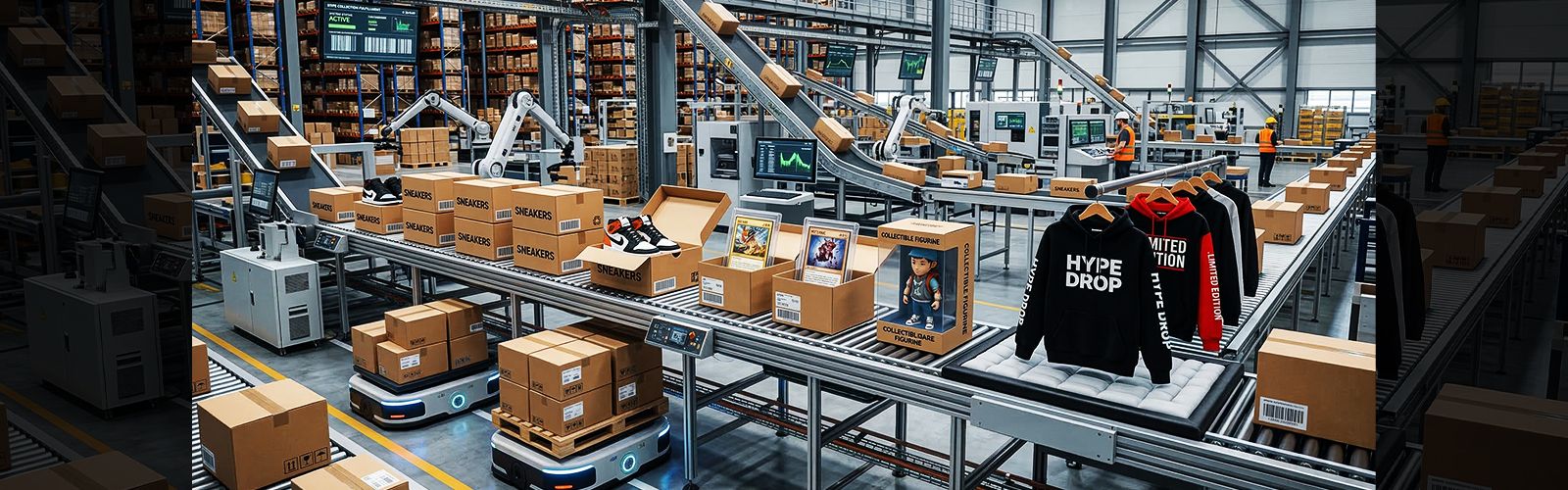
The hype economy has rewritten the rules of supply chain management. When a limited sneaker drop goes live, millions of buyers rush in at the same moment, and inventory disappears in seconds. For logistics teams, that means coordinating production, inventory, and distribution with near-perfect timing.
Sneakers used to be simple: buy them, wear them, replace them. Today they behave more like financial assets. Limited releases sell out instantly and reappear on resale platforms minutes later, often at two or three times the original price.
What looks like marketing magic is actually a carefully engineered logistics operation behind the scenes. In the hype economy, supply chains aren’t just moving products, they’re keeping up with culture.
From Retail Products to Cultural Assets
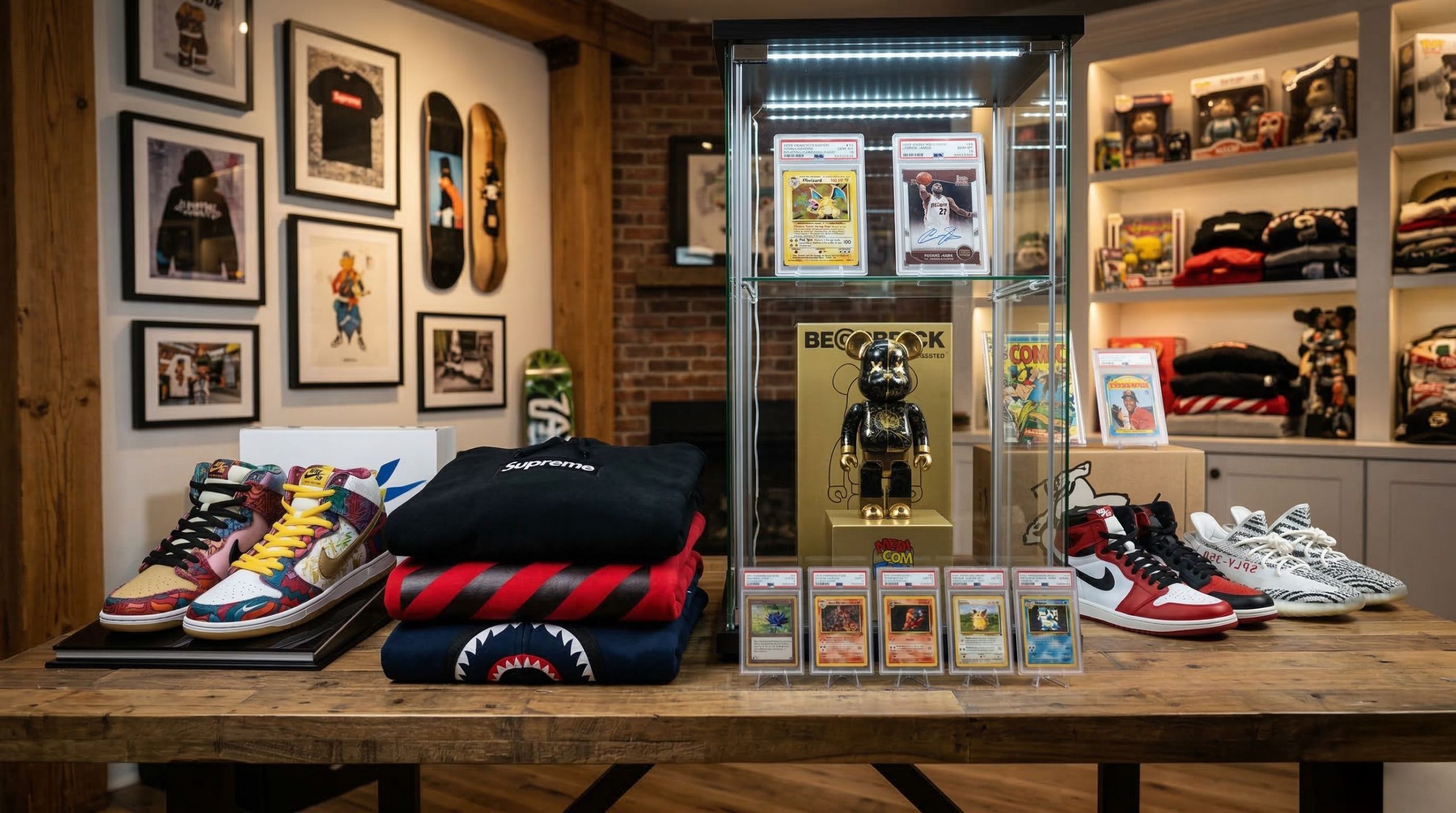
Sneakers and collectibles have evolved from everyday products into cultural currency. Collaborations with celebrities, athletes, and designers transform simple product launches into global events.
The numbers highlight the scale of this transformation. The global sneaker market was valued at around $89.8 billion in 2024 and is projected to reach nearly $157 billion by 2033, according to Market Data Forecast. Meanwhile, the sneaker resale market alone is estimated to be worth $6–8 billion globally, with the United States leading the market.
Scarcity fuels this ecosystem. Brands intentionally release limited quantities to generate anticipation and exclusivity. While this strategy boosts demand, it also places enormous pressure on logistics teams.
Traditional logistics systems were designed for steady demand patterns. The hype economy produces sudden demand surges that can overwhelm conventional operations. That’s why companies now rely heavily on modern supply chain management systems. Ones that provide real-time visibility across inventory, production, and distribution networks.
Demand Spikes That Break Traditional Supply Chains
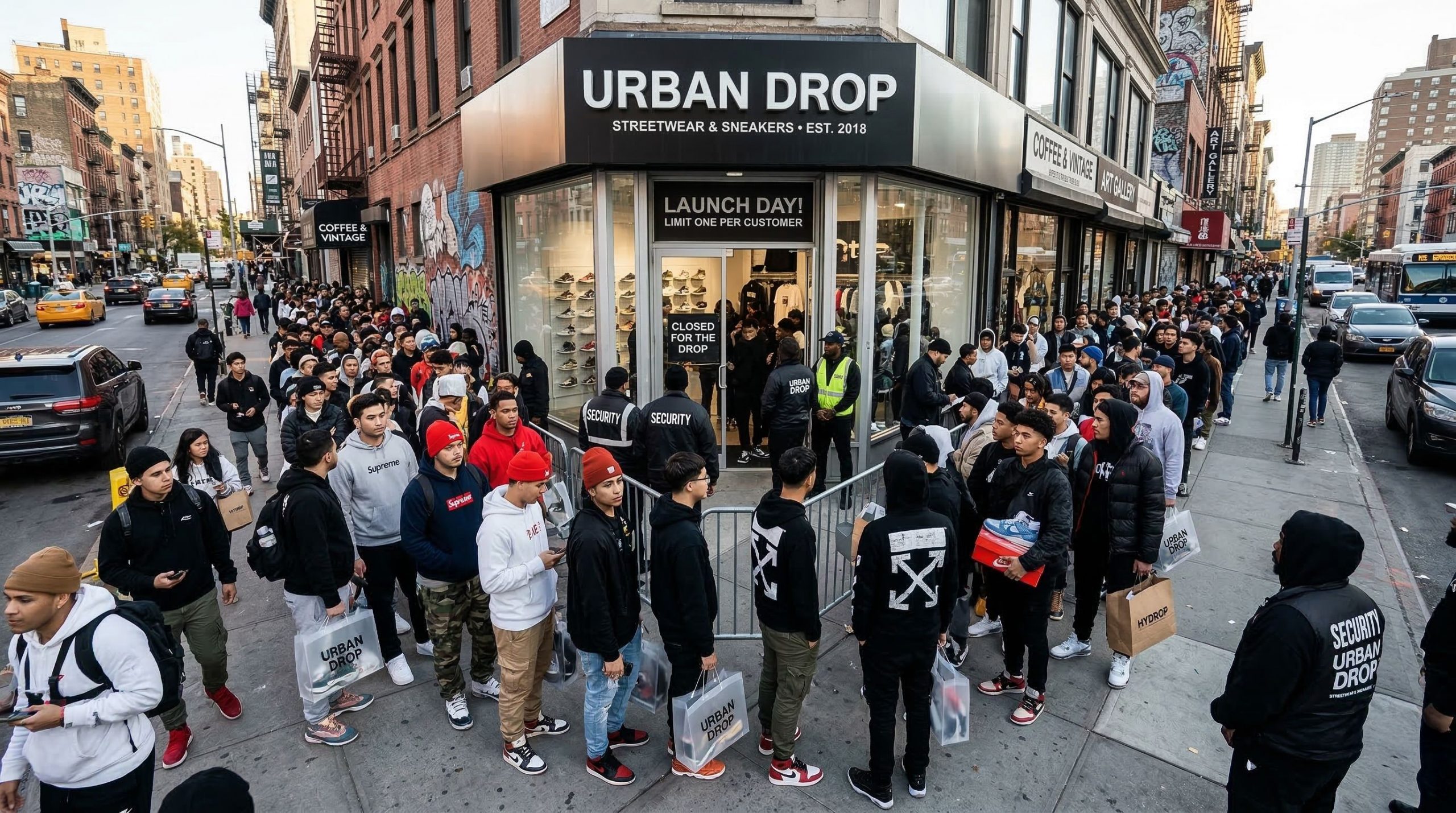
A typical sneaker launch can attract millions of buyers within minutes. During highly anticipated drops, automated purchasing bots can generate up to 97% of website traffic, according to Rawshot AI.
For logistics teams, this creates a perfect storm of operational challenges:
- Demand spikes within seconds
- Instant depletion of inventory
- Global distribution pressure
- Fulfilment bottlenecks
Without advanced software for supply chain management, brands risk overselling products, delaying shipments, or losing control of inventory visibility.
Modern supply chain management solutions allow companies to coordinate production, inventory allocation, and distribution with extreme precision. Instead of reacting to demand, these systems help organizations anticipate it.
The Rise of AI-Powered Supply Chains

The hype economy has accelerated the adoption of artificial intelligence in logistics. Companies are increasingly using AI powered supply chain management. They do this to analyze massive volumes of data and predict demand patterns before a product launch.
These systems analyze signals from sources that were never part of traditional supply chain planning, including:
- Social media trends
- Influencer engagement
- Search engine activity
- Online communities
- Resale market pricing
By identifying early demand signals, companies can adjust production volumes, allocate inventory strategically, and prepare logistics networks ahead of a product release.
This is where modern supply chain management software becomes indispensable. Instead of relying solely on historical sales data, companies can build predictive models that respond to real-time cultural trends.
Limited Drops Require Surgical Precision
Scarcity is the driving force behind hype culture. When a brand releases only a few thousand units of a sneaker globally, every product must be delivered to the right location at exactly the right moment.
Even small delays can disrupt a launch.
Advanced supply chain management systems help brands execute these launches with remarkable accuracy. Key capabilities include:
- Real-time inventory visibility: Companies track stock levels across warehouses, retailers, and fulfillment centers.
- Strategic inventory allocation: Products are distributed across regions where demand is expected to be highest.
- Launch timing synchronisation: Retailers receive products precisely when a drop goes live
All of this coordination relies on sophisticated software for supply chain management. Which integrates data from suppliers, warehouses, and logistics partners into a single operational view.
The Resale Economy Created a Second Supply Chain
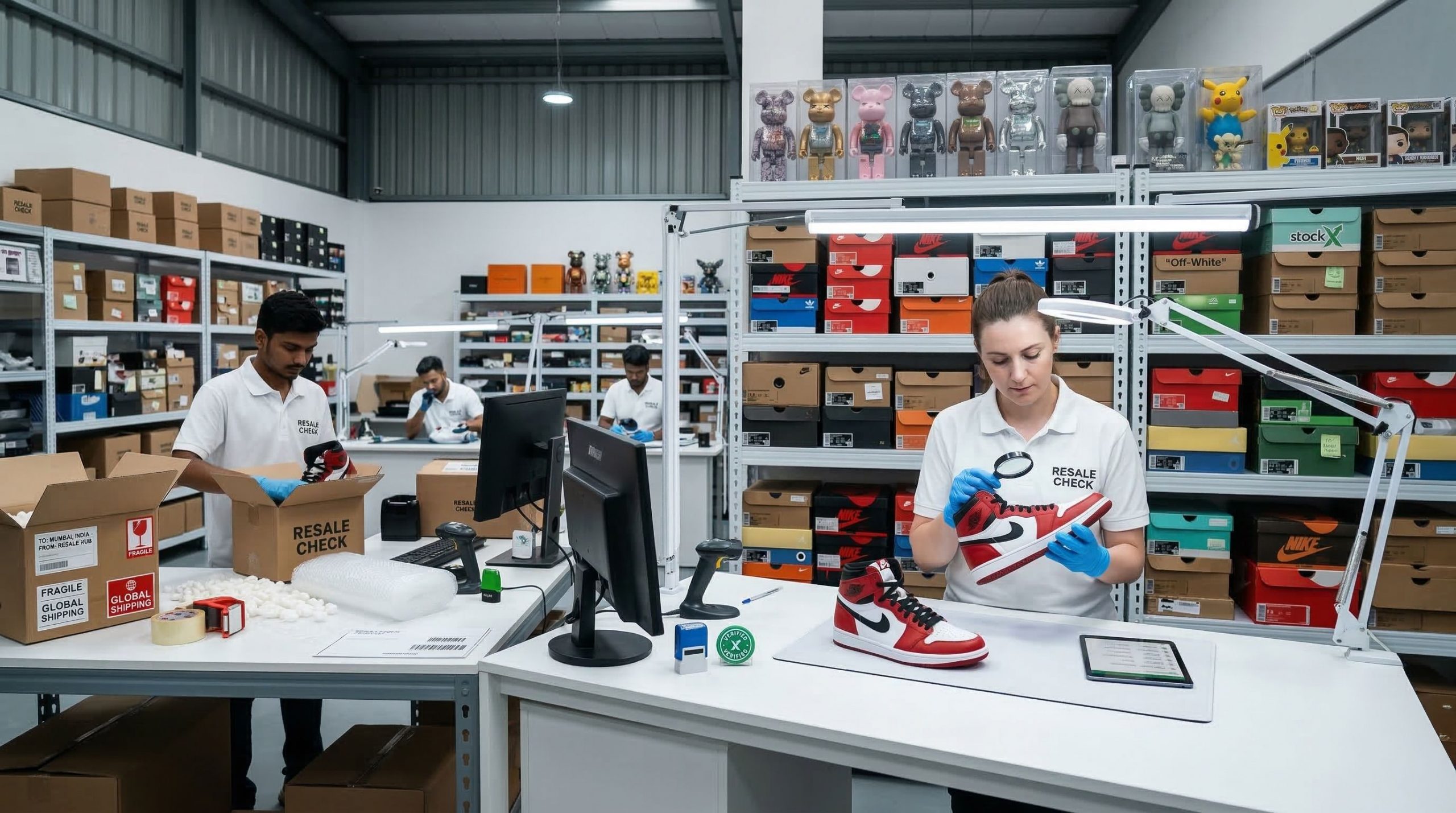
The hype economy has also created a new logistics ecosystem: the resale supply chain.
Resale platforms act as intermediaries between sellers and buyers. To ensure authenticity, many of these platforms use verification centers where products are inspected before they reach the final customer.
This process typically includes three steps:
- Sellers ship the product to a verification facility
- Specialists authenticate the item
- The product is shipped to the buyer
This additional logistics layer has become essential. Research indicates that more than 70% of resale platform users prefer authenticated products. Thus, highlighting how critical trust is within the collectibles market.
Managing these multi-stage logistics processes requires highly integrated supply chain management solution. The ones that track products across multiple locations and ownership transfers.
Without modern supply chain management software, the resale ecosystem would struggle to operate at scale.
Data Is the New Fuel of Supply Chains
Traditional supply chains relied primarily on historical sales patterns. The hype economy moves far too quickly for that approach.
Brands now monitor real-time digital signals to guide supply chain decisions. These signals include:
- TikTok and Instagram trends
- Celebrity collaborations
- Search volume spikes
- Resale pricing trends
This data feeds into AI powered supply chain management platforms that continuously adjust forecasting models and inventory strategies.
As a result, supply chains are becoming dynamic systems that respond instantly to cultural shifts rather than static networks driven solely by past demand.
The Future of Supply Chain Management in the Hype Economy
The growth of hype-driven industries is pushing supply chains toward greater agility and intelligence. Several key trends are emerging:
- Micro-batch production: Brands will produce smaller quantities more frequently to maintain exclusivity.
- Predictive logistics networks: AI will forecast demand based on cultural signals before products reach production.
- Blockchain-based authentication: Digital verification systems will help eliminate counterfeit goods.
- Autonomous decision-making: Advanced supply chain management systems will automatically allocate inventory and optimize distribution routes.
These innovations are redefining how companies approach supply chain management in industries shaped by culture, community, and viral demand.
Conclusion
The hype economy may look chaotic from the outside, but behind every sold-out sneaker drop or collectible launch lies a carefully engineered supply chain management strategy. Brands must balance scarcity, speed, and global demand while maintaining clear visibility across their operations.
Modern technologies help make this possible by enabling companies to anticipate demand spikes, coordinate complex product launches, and maintain control over fast-moving supply networks.
If your organization is looking to modernize operations and stay ahead of demand volatility, platforms like LogiNext deliver the real-time visibility, automation, and intelligence needed to keep supply chains moving at the speed of culture.
“” 79
 |  |  |




@LogiNext