



Reverse Logistics: LogiNext’s Return on Efficiency
Every successful delivery has a destination. But what happens when the customer sends the order back? Reverse logistics manages the movement of orders from customers back into a logistics network, whether they need to return to a hub, reach a merchant, or undergo further handling. It covers return pickups, Return to Origin (RTO), Return to Merchant (RTM), and the movement of returned goods.
When managed well, reverse logistics helps businesses control costs, improve customer experiences, and recover value from returned inventory. When managed poorly, it turns a simple return into a chain of missed scans, extra miles, frustrated customers, and expensive delays.
Key Takeaways
- Reverse logistics manages the movement of orders back through the supply chain after a failed delivery or a return request.
- RTO moves orders from the customer to the hub; RTM moves them from the hub to the merchant.
- Poor visibility, unpredictable volumes, and uncoordinated routes increase operational complexity and costs.
- Standardized workflows, digital records, coordinated routing, and performance measurement help improve returns operations.
- LogiNext Reverse supports return-pickup planning, route optimization, scheduling, live tracking, and fleet allocation.
What Makes Reverse Logistics Such a Big Deal?
Returns aren’t a small footnote in the customer journey. They’re a substantial operational challenge.
According to the National Retail Federation (NRF), US retailers expected $849.9 billion in merchandise returns in 2025, representing 15.8% of annual sales. The estimated return rate for online sales was even higher, at 19.3%. The same research found that 71% of consumers were less likely to shop again with a retailer after a poor returns experience.
The message for logistics teams is clear: the customer experience doesn’t end when an order reaches the doorstep. The return journey matters, too.
Consider a retailer handling hundreds of return requests daily. If pickup schedules are disconnected from delivery routes, hub teams lack visibility, and merchants receive incomplete handover records, even routine returns become expensive to manage.
The challenge is to move returned orders efficiently while keeping every handoff accountable.
How Do RTO and RTM Work in Reverse Logistics?
Reverse logistics isn’t one uniform journey. Two important workflows are Return to Origin and Return to Merchant.
- Return to Origin (RTO): An order moves from the end customer back to the hub. This may happen when a delivery attempt fails or an order needs to be returned through the network.
- Return to Merchant (RTM): An order moves from the hub back to the merchant.
- Returned goods handling: Once goods are received, businesses validate their identity and condition, then determine the next step according to their policies.
These flows may involve different routes, pickup schedules, service-level agreements (SLAs), and handover requirements. Treating them as interchangeable creates confusion about where an order should go and who is responsible for it.
A well-defined reverse logistics process should make four things clear: where the order starts, where it needs to go, which resource will move it, and what proof confirms each handover.
What Are the Biggest Reverse Logistics Challenges?
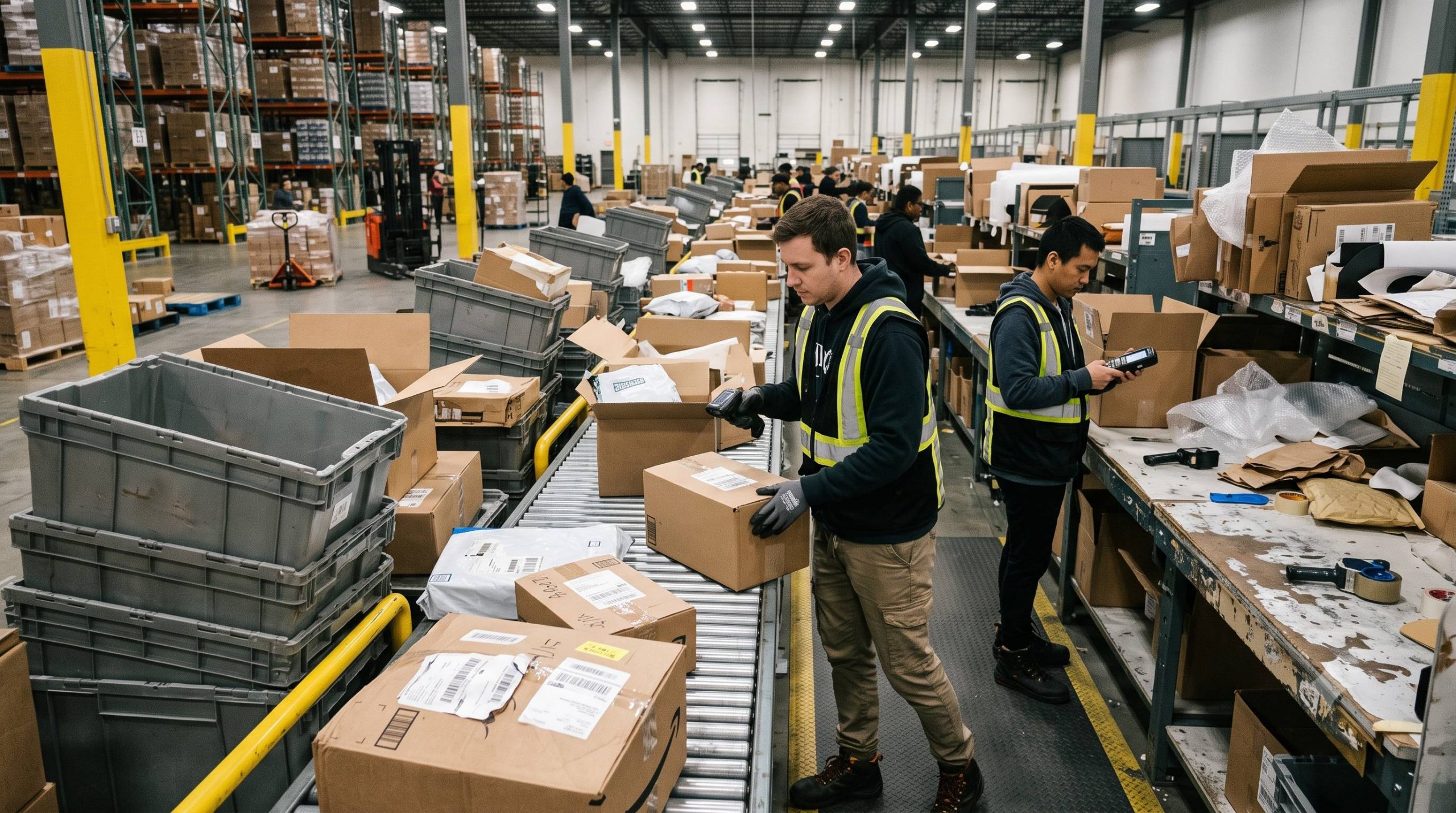
Three problems tend to make returns harder than they need to be.
1. Unpredictable Return Volumes:
Outbound orders can often be planned around demand forecasts. Returns introduce another layer of uncertainty. A sudden spike can overwhelm pickup capacity, disrupt hub workloads, and stretch delivery schedules.
2. Poor Visibility and Incomplete Records:
If a pickup is recorded but the hub receipt isn’t, operations teams may struggle to locate the order. Missing timestamps, scan events, or proof of handover can also trigger disputes and customer service escalations.
3. Rising Costs and Unnecessary Miles:
A driver might complete deliveries in one area, return to the hub, and then head back toward the same neighborhood for a separate return pickup. That’s extra travel, fuel, and driver time for work that could potentially have been coordinated.
Returned goods create a further challenge: delays in receiving and processing them can postpone decisions about restocking, repair, or other recovery options. Reverse logistics management must therefore coordinate both the physical movement of orders and the information that follows them.
How Can Businesses Optimize Reverse Logistics?
Effective reverse logistics optimization starts with better coordination, not simply more vehicles or more people.
Here are five practical steps:
- Standardize RTO and RTM workflows. Define routing rules, SLAs, handover responsibilities, and completion criteria for each return type.
- Capture every important milestone. Record pickup, hub receipt, onward movement, and merchant handover so teams can identify gaps before they become bigger problems.
- Use scanning and digital records. Barcode scans, timestamps, and proof of delivery or handover reduce manual errors and help resolve disputes.
- Coordinate deliveries and returns. Where schedules, vehicle capacity, and service commitments allow, combine return pickups with existing delivery routes to reduce avoidable travel.
- Measure performance. Track return cycle time, first-attempt pickup success, cost per return, vehicle utilization, and the reasons behind exceptions.
A useful starting point is to review the last 100 delayed or expensive returns. Categorize each by its main cause: missed pickup, routing inefficiency, hub delay, incomplete records, or merchant handover. Address the most frequent cause first. This simple exercise helps operations teams focus on measurable improvements instead of trying to fix everything at once.
How Does LogiNext Help Simplify Reverse Logistics?
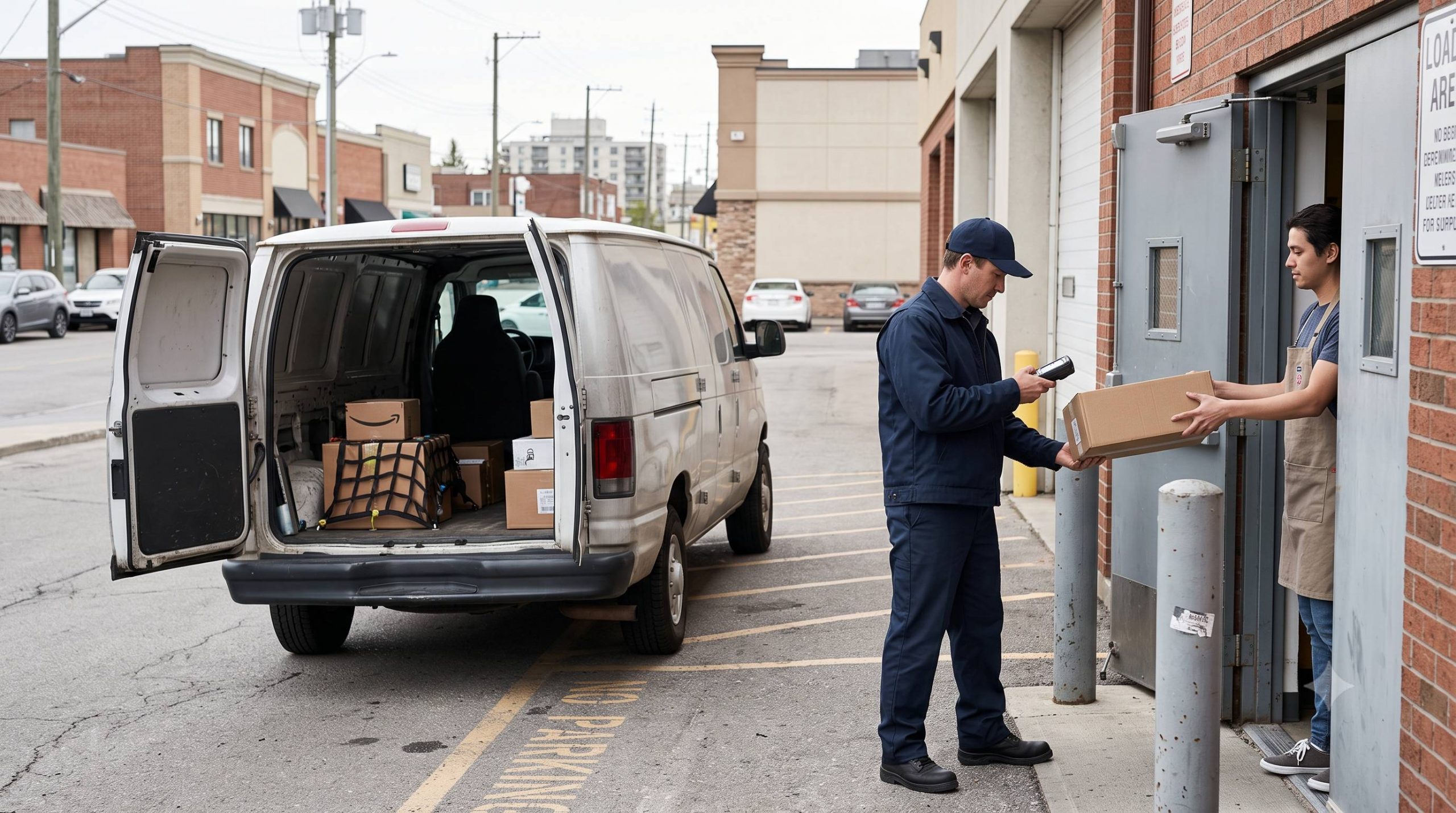
LogiNext Reverse is designed to help businesses coordinate reverse pickups, manage RTO and RTM scenarios, and improve resource utilization.
Its capabilities include route planning, pickup and delivery optimization, schedule planning, and live tracking. The platform can also cluster reverse pickups with other deliveries, helping operations teams make better use of available fleet capacity. Automatic allocation can account for resource suitability, including skills and carrying capacity.
In practical terms, this gives logistics teams a more coordinated way to plan return movements instead of treating each pickup as a separate dispatch problem.
For example, a retailer managing deliveries and returns across the same service area can use coordinated planning to identify opportunities to combine compatible stops. Live tracking helps teams monitor movements, while structured scheduling and allocation support more consistent execution.
The benefit is operational control: fewer avoidable routing inefficiencies, better visibility into return movements, and a clearer picture of how reverse orders move through the network.
Reverse logistics technology doesn’t replace the merchant’s decisions about whether an item should be restocked, repaired, or discarded. Instead, it helps coordinate the logistics processes that move orders and return goods through the appropriate stages.
Also Read: How to Choose the Right Reverse Logistics Software: An Evaluation Guide
Frequently Asked Questions
1. What is reverse logistics?
Reverse logistics is the process of moving orders or goods from customers back through a supply chain for returns, recovery, or further handling.
2. What is the difference between RTO and RTM?
RTO (Return to Origin) moves an order from the customer back to the hub. RTM (Return to Merchant) moves an order from the hub to the merchant.
3. Why is reverse logistics important for e-commerce?
It helps businesses coordinate return pickups, track returned orders, control transportation costs, and provide customers with a more predictable return experience.
4. How can businesses reduce reverse logistics costs?
Businesses can standardize return workflows, optimize pickup routes, coordinate compatible deliveries and returns, reduce failed pickups, and monitor cost per return.
Conclusion
Returns are part of doing business. Losing track of them, sending vehicles on unnecessary trips, and leaving teams to piece together missing information don’t have to be.
A well-managed reverse logistics process connects clear workflows with reliable tracking, efficient routing, and measurable performance. That helps businesses improve the return experience while bringing greater control to the operational side of every returned order.
Ready to make your return journeys more efficient? Explore LogiNext Reverse to see how smarter pickup planning, route optimization, and visibility can help your logistics operations move forward, even when an order moves backward.
 |  |  |




@LogiNext