




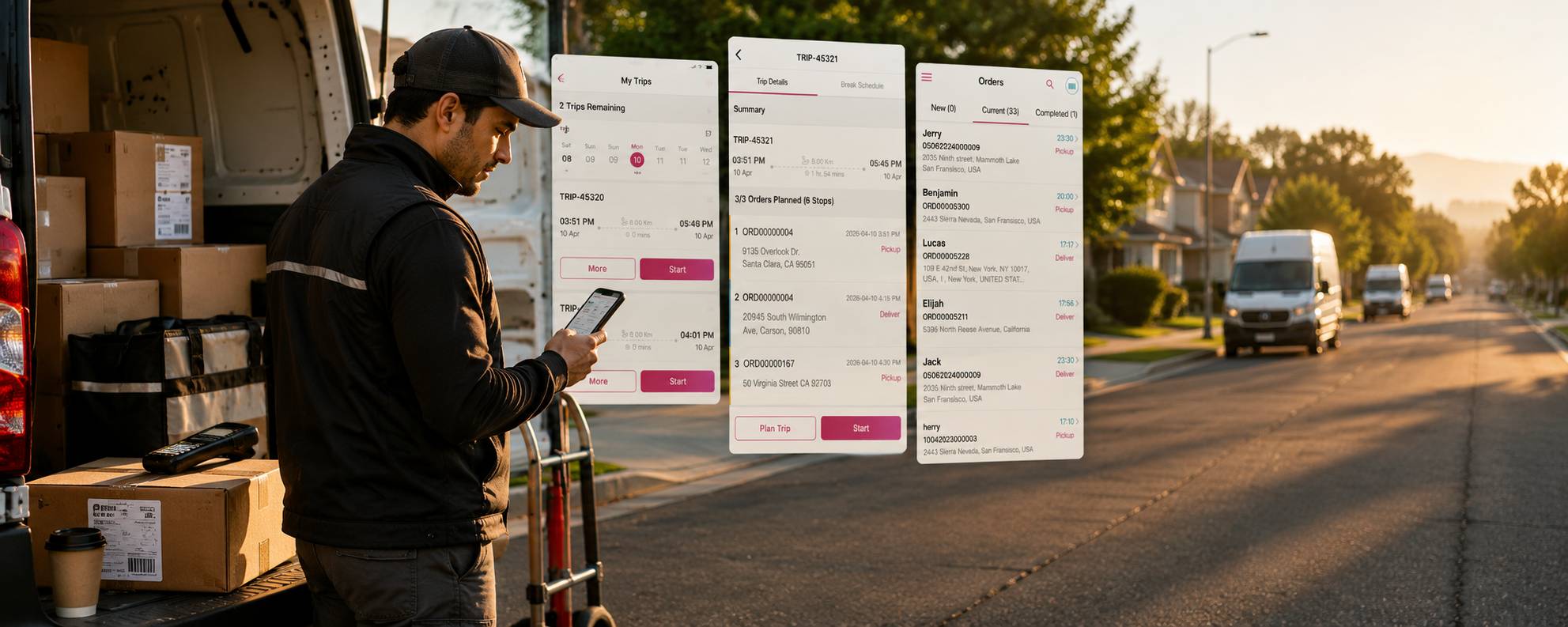
How Delivery Driver Apps Work: Choosing the Right Driver Management Platform for Smarter Deliveries
Great driver management is no longer just about assigning deliveries and hoping everything goes as planned. Every successful delivery depends on how well drivers, dispatchers, customers, and technology work together. As delivery volumes continue to grow, businesses need a smarter way to coordinate people on the road.
The rise of e-commerce, quick commerce, and same-day delivery has raised customer expectations. People now expect accurate ETAs, live tracking, and seamless communication throughout the delivery journey. Behind those experiences is a powerful driver management platform that keeps every moving part connected.
According to McKinsey, logistics companies can reduce operating costs by up to 20% through digital optimization and automation. Businesses that invest in intelligent operations not only save money but also improve customer satisfaction and delivery performance.
This is where a modern driver app and driver management software become essential. They simplify day-to-day operations while giving dispatchers complete visibility into every delivery.
The Delivery Journey Starts Long Before the Driver Hits the Road
Many people think deliveries begin when a driver leaves the warehouse. In reality, success is decided much earlier during planning and dispatch.
Every order must be assigned to the right driver based on location, vehicle capacity, working hours, delivery priority, and customer commitments. Doing this manually may work for ten drivers, but it quickly becomes inefficient when fleets grow into the hundreds.
A modern driver management solution automates this process. Instead of relying on spreadsheets or endless phone calls, dispatchers can assign deliveries in seconds using intelligent rules and live operational data.
Platforms like LogiNext go a step further by using AI-driven allocation to match deliveries with the most suitable driver. This reduces planning time while improving fleet utilization and on-time performance.
How a Driver App Works Throughout the Day
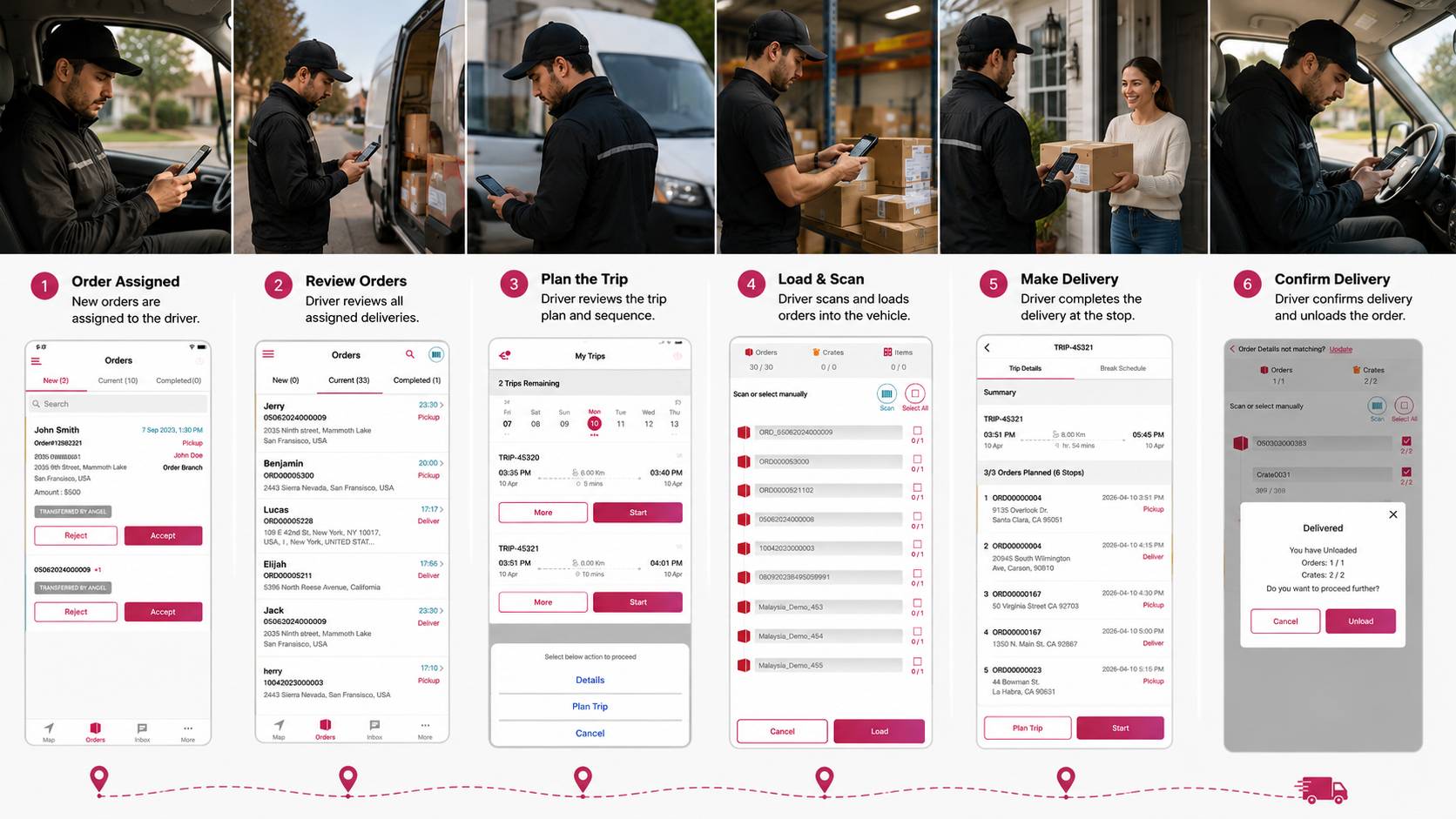
Once deliveries are assigned, the driver app becomes the driver’s primary workspace. Every delivery instruction, route update, customer detail, and status change is available in one place. Thereby, eliminating the need for paperwork or constant calls with dispatchers.
The app guides drivers through their delivery schedule while continuously adapting to real-world conditions. If traffic builds up, a customer changes their availability, or a new urgent order arrives, updated instructions can be pushed instantly.
Modern driver management software also keeps dispatchers informed throughout the day. Instead of wondering where a vehicle is or whether a delivery has been completed, operations teams receive live updates without interrupting drivers.
Solutions like LogiNext Driver App combine navigation, task management, proof of delivery, and communication into a single mobile interface. Drivers spend less time switching between apps and more time completing deliveries efficiently.
Visibility Is the Biggest Advantage
One delayed delivery rarely stays an isolated problem.
A traffic jam affects delivery schedules. A missed customer increases support calls. A failed delivery creates additional transportation costs. Without visibility, operations teams only learn about these issues after customers complain.
Real-time tracking changes that completely.
A modern driver management platform allows dispatchers to monitor every vehicle, delivery status, and route from one dashboard. They can identify delays early, reroute drivers when necessary, and communicate proactively with customers.
Customers benefit as well. Instead of repeatedly asking where their package is, they receive live tracking links and accurate ETAs. According to Gartner, proactive delivery visibility is becoming a key differentiator for customer experience in logistics.
With LogiNext, businesses can combine live driver tracking with predictive ETAs. Thus, helping both operations teams and customers stay informed throughout the delivery journey.
Why Manual Driver Management Doesn’t Scale
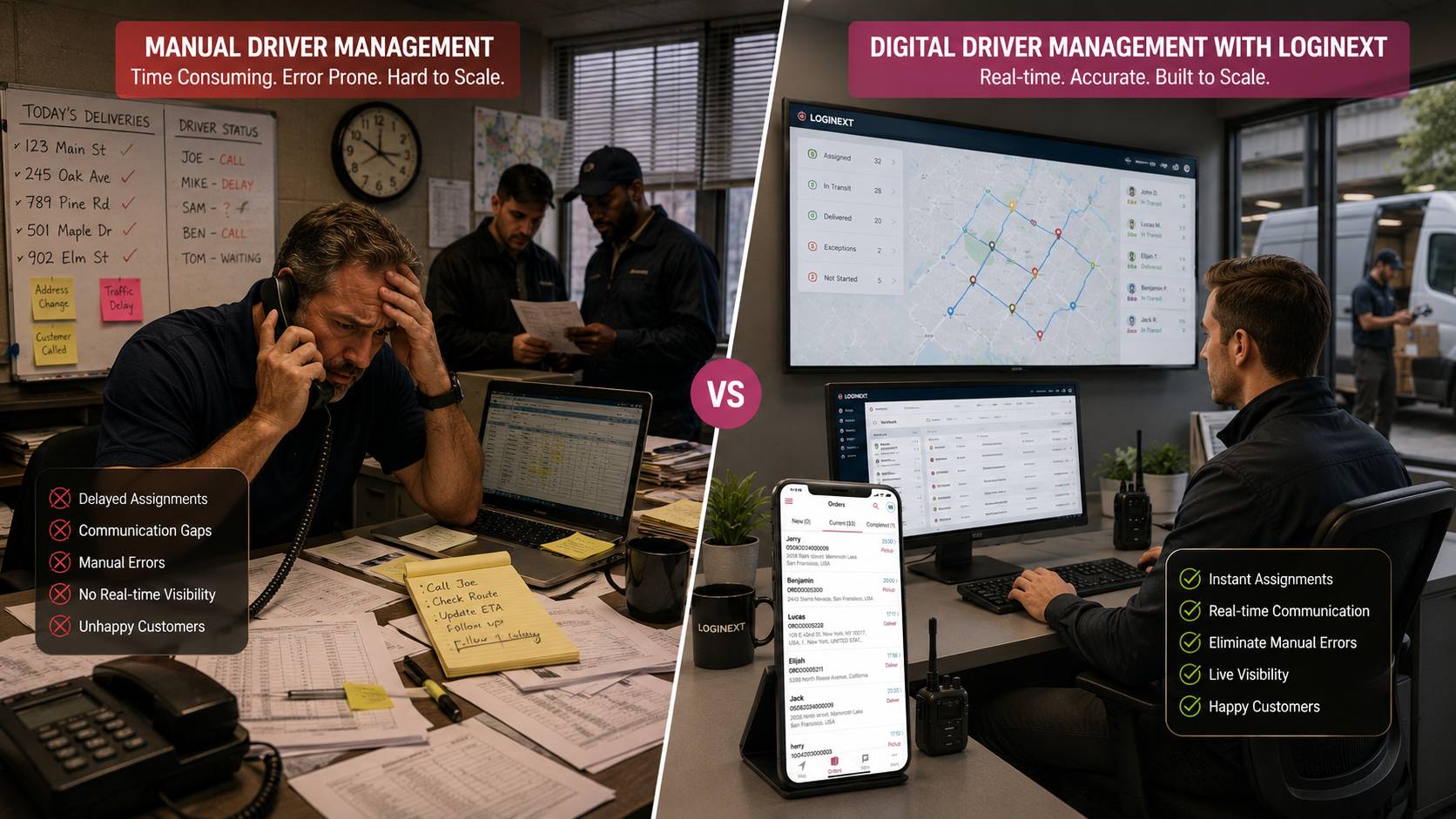
Many growing logistics companies still coordinate deliveries using spreadsheets, messaging apps, and phone calls. While this may work during the early stages, it becomes increasingly difficult as delivery volumes increase.
Dispatchers spend more time coordinating than optimizing. Drivers lose valuable minutes waiting for updates or clarifying instructions. Managers struggle to identify why deliveries are running late because operational data is scattered across multiple systems.
Poor courier management doesn’t just reduce efficiency. It also impacts fuel costs, driver productivity, customer satisfaction, and business profitability.
An integrated driver management solution removes these bottlenecks by connecting dispatchers, drivers, and customers on one platform. Instead of reacting to problems, operations teams can prevent them before they escalate.
This is one of the reasons enterprise logistics providers are moving toward platforms like LogiNext, where automation replaces repetitive manual work without sacrificing operational control.
What Makes a Great Driver Management Platform?
Not every platform delivers the same value. The best driver management software goes beyond GPS tracking by helping businesses make smarter operational decisions.
Intelligent dispatch ensures deliveries are assigned based on driver availability, proximity, vehicle type, and delivery priority instead of manual guesswork. This improves fleet utilization while reducing unnecessary travel.
Route optimization is equally important. The fastest route is not always the most efficient one. Modern systems consider traffic, delivery windows, road restrictions, and multiple stops before recommending the best route.
Communication also plays a major role in efficient driver management. Drivers should receive updates instantly without relying on repeated phone calls. Customers should automatically receive delivery notifications, while dispatchers maintain complete visibility from a central dashboard.
Finally, analytics transform everyday deliveries into long-term improvements. Managers can measure driver productivity, delivery success rates, idle time, fuel efficiency, and customer feedback to continuously optimize operations.
These capabilities come together in platforms like LogiNext, which combines AI-powered dispatch, route optimization, real-time visibility, analytics, and enterprise integrations within a single delivery ecosystem.
Why Businesses Choose LogiNext for Driver Management
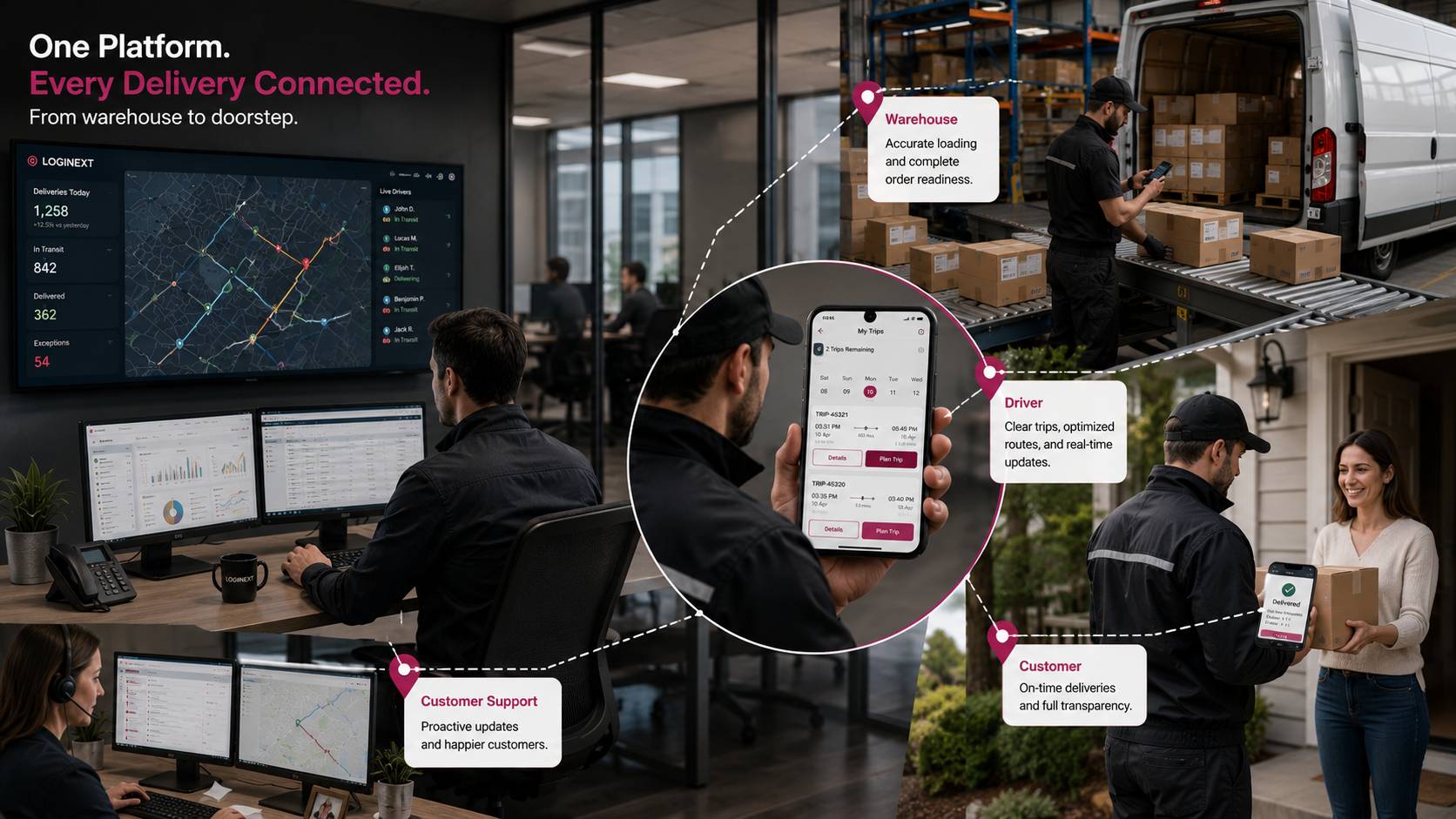
Choosing a driver management platform isn’t just about managing today’s deliveries. It’s about investing in a solution that can scale as your fleet, order volumes, and customer expectations grow.
LogiNext combines AI-powered dispatch, route optimization, real-time tracking, and an intuitive driver app to simplify everyday operations. Instead of relying on manual coordination, businesses can automate workflows, improve courier management, and give drivers the tools they need to stay productive on the road.
With actionable analytics and seamless integrations, LogiNext helps businesses build more efficient driver management while delivering the visibility and control needed to grow with confidence.
Conclusion
As delivery operations become more complex, managing drivers efficiently is no longer just an operational requirement. It has become a key factor in improving delivery performance, controlling costs, and meeting rising customer expectations.
The right technology empowers dispatchers with better visibility, equips drivers with the tools they need to stay productive, and helps businesses make faster, data-driven decisions. Instead of reacting to delays and disruptions, teams can stay ahead of them.
Platforms like LogiNext bring these capabilities together in a single solution, helping businesses streamline operations, improve delivery execution, and scale with confidence. As customer demands continue to evolve, investing in the right technology today can create a lasting competitive advantage for tomorrow.
“”
 |  |  |




@LogiNext