




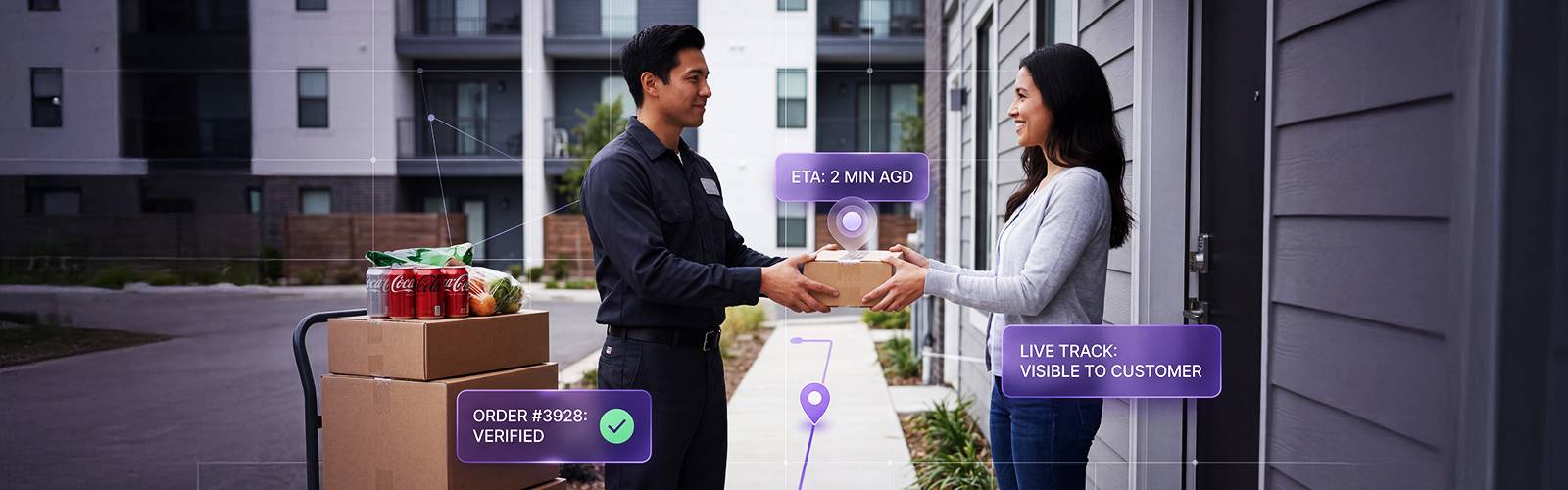
How LogiNext Helps CPG Brands Tackle Rising Delivery Expectations
The consumer packaged goods (CPG) industry is under growing pressure, driven by rising customer demands and the rapid adoption of courier delivery software. What used to be a stable, predictable supply chain has turned into a high-speed, high-stakes operation.
Customers expect faster deliveries, real-time visibility, and zero errors. Two-day shipping is no longer enough. Same-day and even instant delivery are becoming the new baseline.
This shift is not just changing logistics. It is forcing CPG brands to rethink how they fulfill and deliver orders. And increasingly, they are turning to solutions like LogiNext to stay competitive.
The New Standard: Faster, Smarter, Transparent Deliveries
Today’s consumers demand speed and convenience. According to McKinsey, more than 60% of consumers are willing to switch brands for faster delivery. That is a serious risk for CPG companies that rely heavily on repeat purchases.
To keep up, businesses are adopting advanced courier delivery software. These tools enable real-time tracking, automated dispatching, and route optimization. Without them, maintaining delivery efficiency at scale becomes extremely difficult.
This is where LogiNext plays a critical role. It helps CPG companies meet rising expectations without compromising on cost or service quality.
Where the Pressure Builds
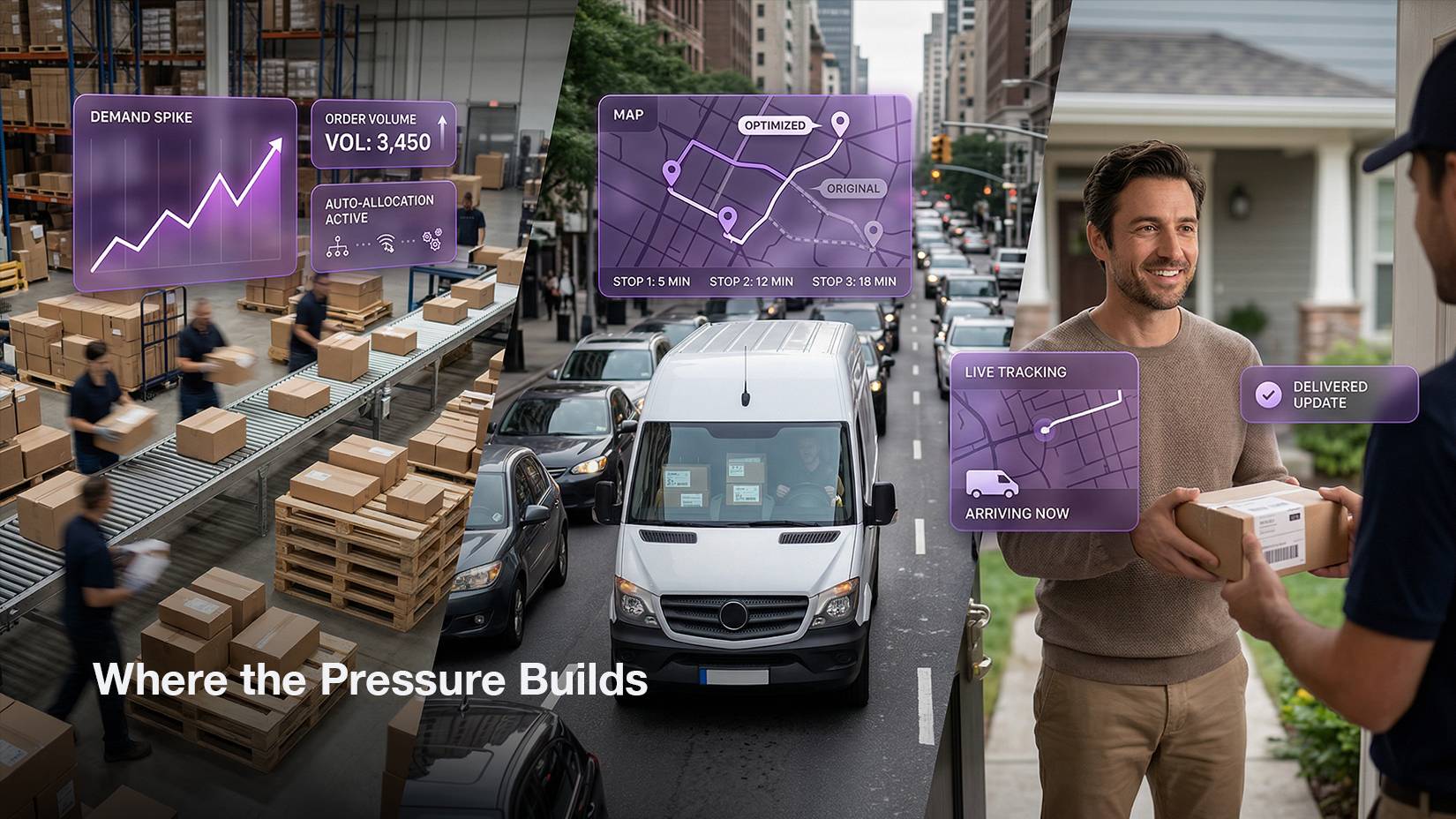
1. Unpredictable Demand:
Demand patterns in the CPG sector are no longer consistent. Flash sales, promotions, and seasonal spikes create sudden surges in orders. Traditional systems struggle to respond quickly.
A scalable courier delivery system becomes essential in such scenarios. LogiNext enables dynamic allocation of resources, ensuring that delivery operations remain stable even during peak demand.
Without such flexibility, delays increase. And delays directly impact customer satisfaction.
2. Last-Mile Complexity:
The last mile remains the most complex and expensive part of logistics. It contributes to over 50% of total delivery costs, according to Capgemini.
Traffic congestion, missed deliveries, and tight time windows make execution difficult. CPG brands must deliver quickly without increasing operational costs.
Efficient courier delivery services supported by platforms like LogiNext help solve this challenge. With intelligent route optimization and real-time updates, businesses can reduce delivery times while improving efficiency.
3. Rising Customer Expectations:
Customers now expect complete visibility. They want real-time updates, accurate ETAs, and proactive communication.
A modern courier management software enables this level of transparency. LogiNext enhances the customer experience by offering live tracking and automated notifications.
This not only improves trust but also reduces customer support queries.
LogiNext as the Pressure Valve
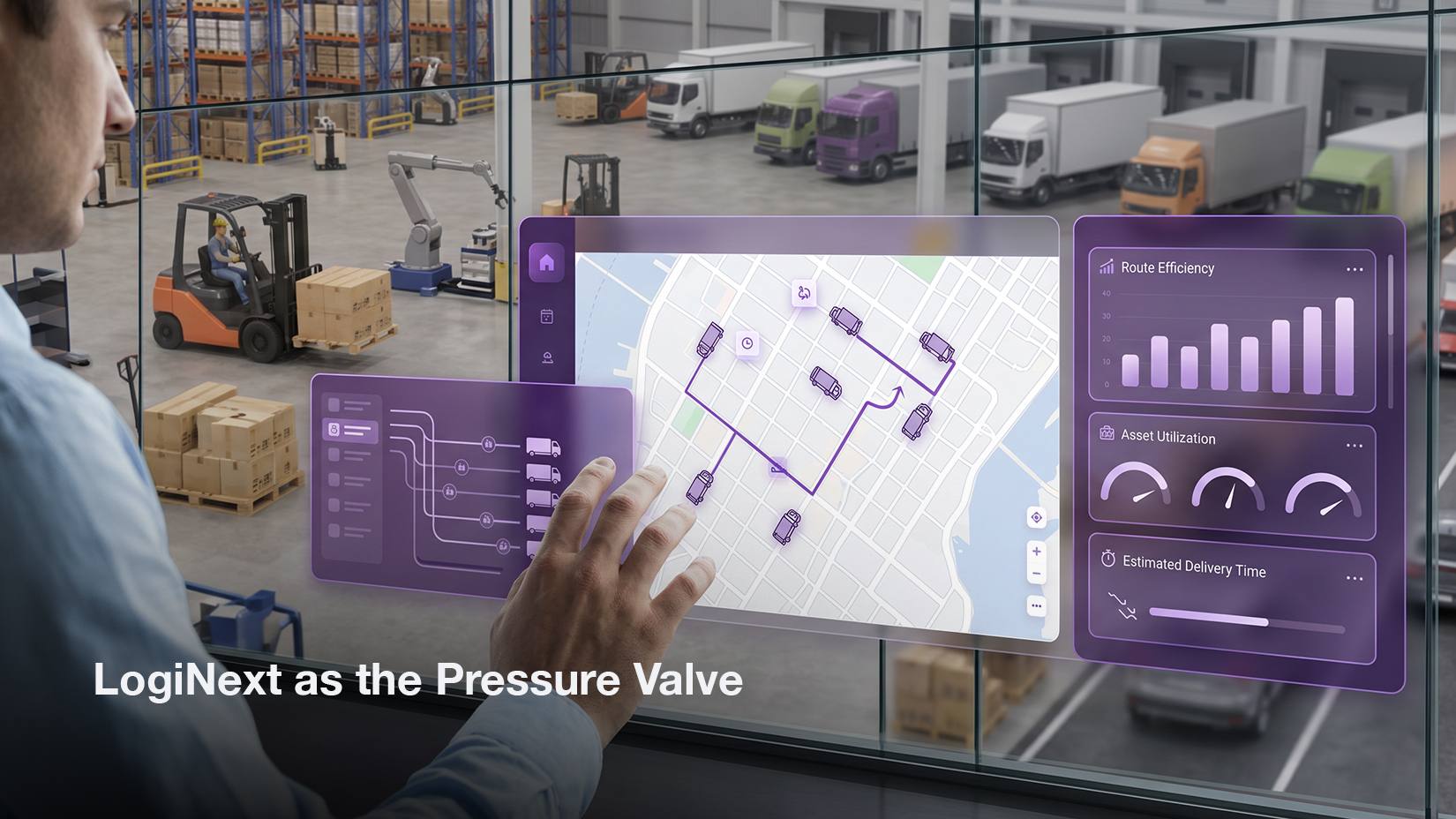
To manage these growing challenges, CPG companies need more than just basic tools. They need intelligent, scalable systems.
LogiNext acts as a control tower for delivery operations, helping businesses handle complexity with ease.
1. Automation for Smarter Planning:
Manual planning is no longer practical. With increasing order volumes, businesses need automation.
Using AI powered courier management, LogiNext can process large datasets in real time. It optimizes routes, assigns deliveries, and predicts disruptions before they occur.
This leads to faster deliveries and lower operational costs.
2. Real-Time Execution and Control:
Even the best plans can fail during execution. Traffic delays, weather conditions, and operational inefficiencies can disrupt deliveries.
A robust courier management system like LogiNext allows real-time intervention. Businesses can reroute deliveries, update customers instantly, and ensure on-time performance.
This level of control is critical for CPG companies dealing with time-sensitive products.
3. Data-Driven Optimization:
Data is a powerful asset when used correctly.
With advanced courier software, LogiNext provides actionable insights into delivery operations. Businesses can track key metrics such as on-time delivery rates, fleet utilization, and cost per delivery.
These insights help continuously improve performance and reduce inefficiencies.
Why Legacy Systems No Longer Work
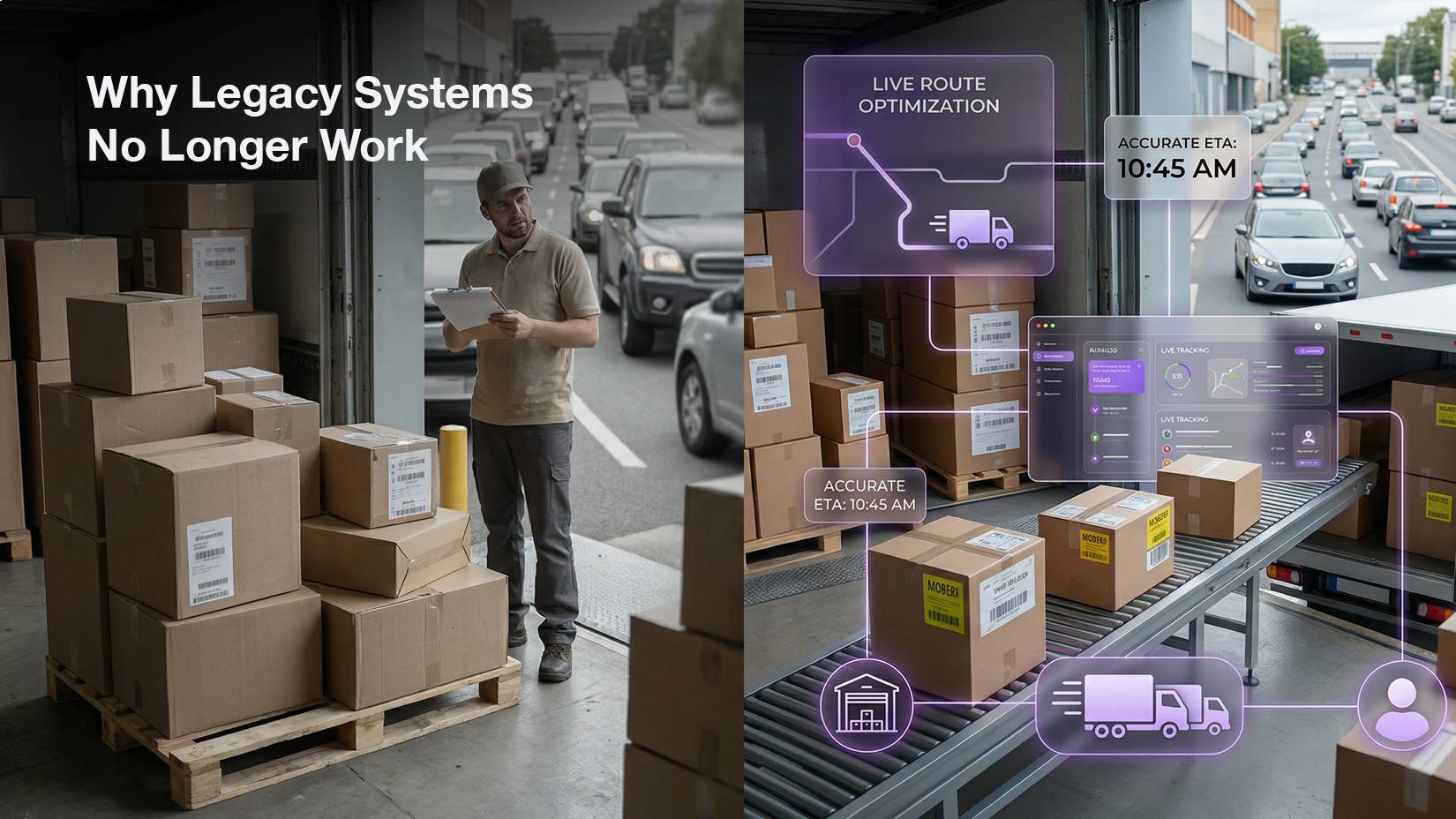
Many CPG companies still rely on outdated logistics systems that were built for a different era. These systems lack real-time capabilities, making it difficult to respond to dynamic delivery conditions. They struggle to provide accurate ETAs or adapt to sudden disruptions in the last mile.
They also fail to scale efficiently during demand spikes, leading to frequent delays and missed delivery windows. Legacy tools often operate in silos, creating gaps between warehouses, fleets, and customer communication channels. This fragmentation reduces visibility and slows decision-making across operations.
Switching to the best courier delivery software like LogiNext eliminates these limitations. It offers seamless integration, centralized control, and real-time insights across the delivery lifecycle. This ensures agility, better coordination, and improved operational efficiency at scale.
The Competitive Advantage of Using LogiNext
CPG companies that adopt LogiNext gain a measurable competitive advantage in a highly demanding market. Faster deliveries improve customer satisfaction, while optimized routes reduce operational costs significantly. This combination directly impacts both revenue and brand perception.
Businesses using advanced courier delivery software report improved fleet utilization and fewer failed deliveries. LogiNext enhances delivery accuracy, ensuring that orders reach customers on time and in the right condition. This reliability builds long-term customer trust.
With better planning and execution, companies can handle higher order volumes without increasing resources. Over time, these improvements translate into stronger customer loyalty, better margins, and a more resilient supply chain.
Building a Connected Delivery Ecosystem
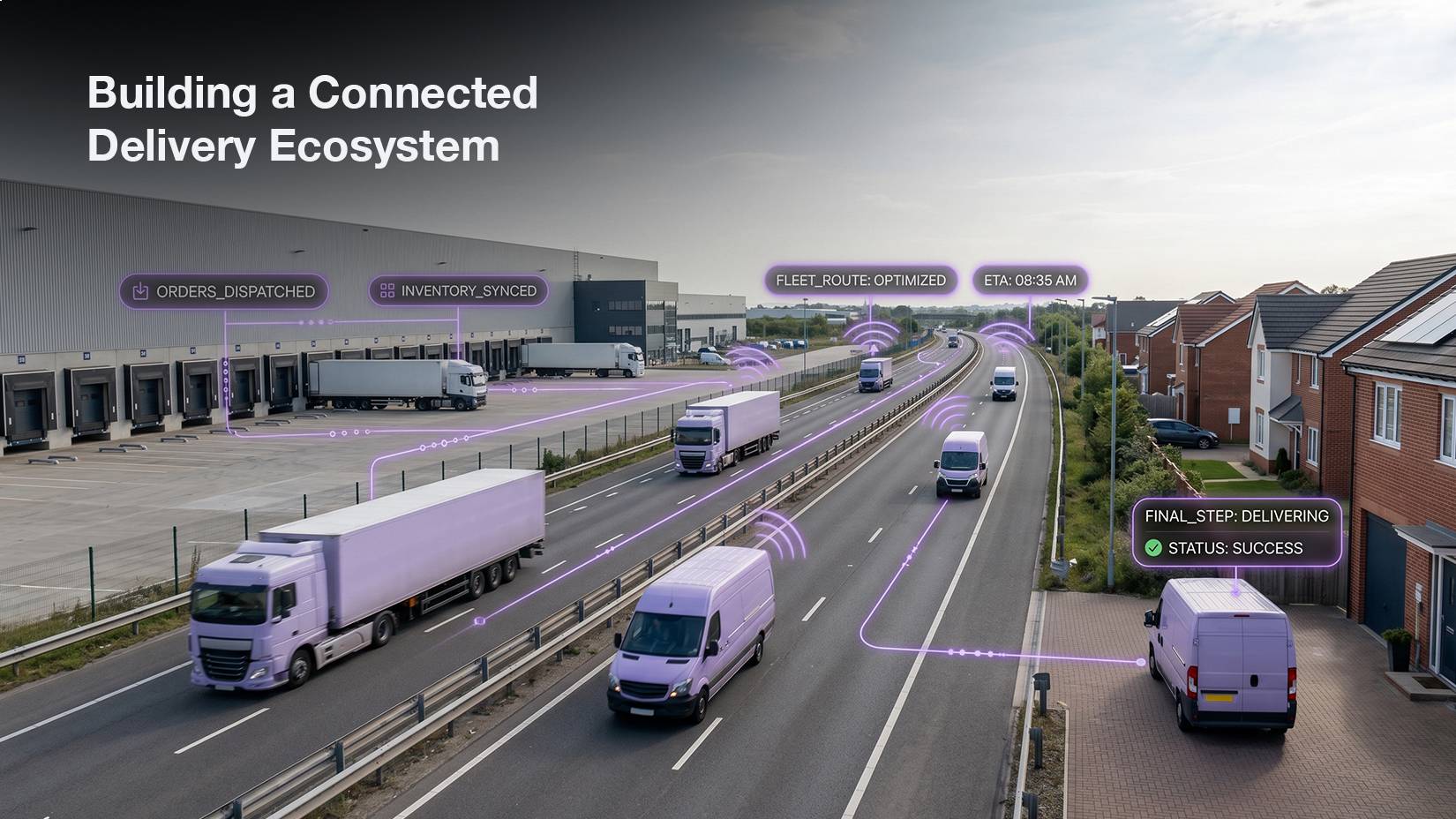
Success in modern logistics depends on creating a fully connected ecosystem rather than relying on isolated tools. A strong courier delivery system powered by LogiNext connects warehouses, distribution centers, and last-mile fleets into a unified network.
This integration ensures seamless communication and coordination across all touchpoints. Efficient courier delivery services supported by intelligent routing and tracking improve consistency across regions. Businesses gain better control over operations.
Companies can monitor deliveries in real time and resolve issues proactively. This interconnected approach reduces inefficiencies, minimizes delays, and enhances overall delivery performance while supporting scalable growth.
What the Future Looks Like
Delivery expectations will continue to rise as consumers demand faster and more reliable services. Same-day delivery is becoming standard, while delivery windows are shrinking further across markets.
Sustainability is also emerging as a key priority. Businesses are expected to reduce emissions and optimize routes without compromising speed. This adds another layer of complexity to already demanding delivery operations.
To stay ahead, companies must invest in AI powered courier management solutions like LogiNext. A scalable courier management system will be essential to handle increasing volume and complexity while maintaining efficiency.
Conclusion
Rising delivery expectations are reshaping the CPG industry, turning logistics into a critical differentiator. Companies that fail to adapt risk delays, higher costs, and declining customer loyalty. Relying on outdated systems is no longer sustainable in an environment that demands speed, accuracy, and real-time visibility.
Adopting the right delivery technology is no longer optional for CPG companies aiming to stay competitive. Solutions like LogiNext bring structure, visibility, and control to complex logistics operations, enabling faster and more reliable deliveries.
With a smarter, more connected approach to execution, businesses can meet rising customer expectations, improve operational efficiency, and build a supply chain that is both resilient and ready to scale.
“”
 |  |  |




@LogiNext