





That ‘Delivered Successfully’ Message? It’s Built on Controlled Chaos
The message looks simple, “Delivered Successfully.” Clean, reassuring, final. But behind it sits a fast-moving, unpredictable operation where routes change mid-way, drivers drop out, customers reschedule, and traffic rarely cooperates. What appears seamless is actually controlled chaos, managed by one critical layer: courier delivery software.
What customers see is the outcome and what businesses deal with is constant adjustment. Every delivery run is a live operation, not a fixed plan. And without the right systems in place, even small disruptions can quickly snowball into missed SLAs and unhappy customers.
The Illusion of Smooth Deliveries

On paper, delivery flows look linear: order placed, package picked, route assigned, delivered. In reality, it’s anything but linear. A driver calls in sick, a customer updates their address, a priority shipment jumps the queue, and suddenly the day’s plan is obsolete.
Zoom out, and the scale of the problem becomes clearer. According to McKinsey, last-mile delivery accounts for over 53% of total shipping costs, making it the most complex and expensive part of the supply chain. Add to that rising customer expectations for faster deliveries, and the margin for error becomes razor thin.
This is where traditional approaches fall short. Static planning cannot keep up with dynamic conditions. Businesses need systems that can respond instantly, not hours later. That’s why courier delivery software has become a foundational layer in modern logistics operations.
Turning Chaos into Control

Modern logistics doesn’t rely on rigid planning. It relies on adaptability. A robust courier delivery management software creates structure within unpredictability by continuously adjusting operations in real time.
Instead of reacting after something goes wrong, a well-designed courier delivery management system enables teams to stay ahead of disruptions. It centralizes data, connects teams, and ensures that every decision from dispatch to delivery, is based on real-time inputs.
This level of coordination reduces dependency on manual intervention. Teams no longer need to constantly firefight. Instead, they can focus on optimizing performance and improving service quality. Over time, this shift from reactive to controlled execution leads to better efficiency, lower costs, and more consistent delivery outcomes.
Smarter Dispatch, Faster Decisions
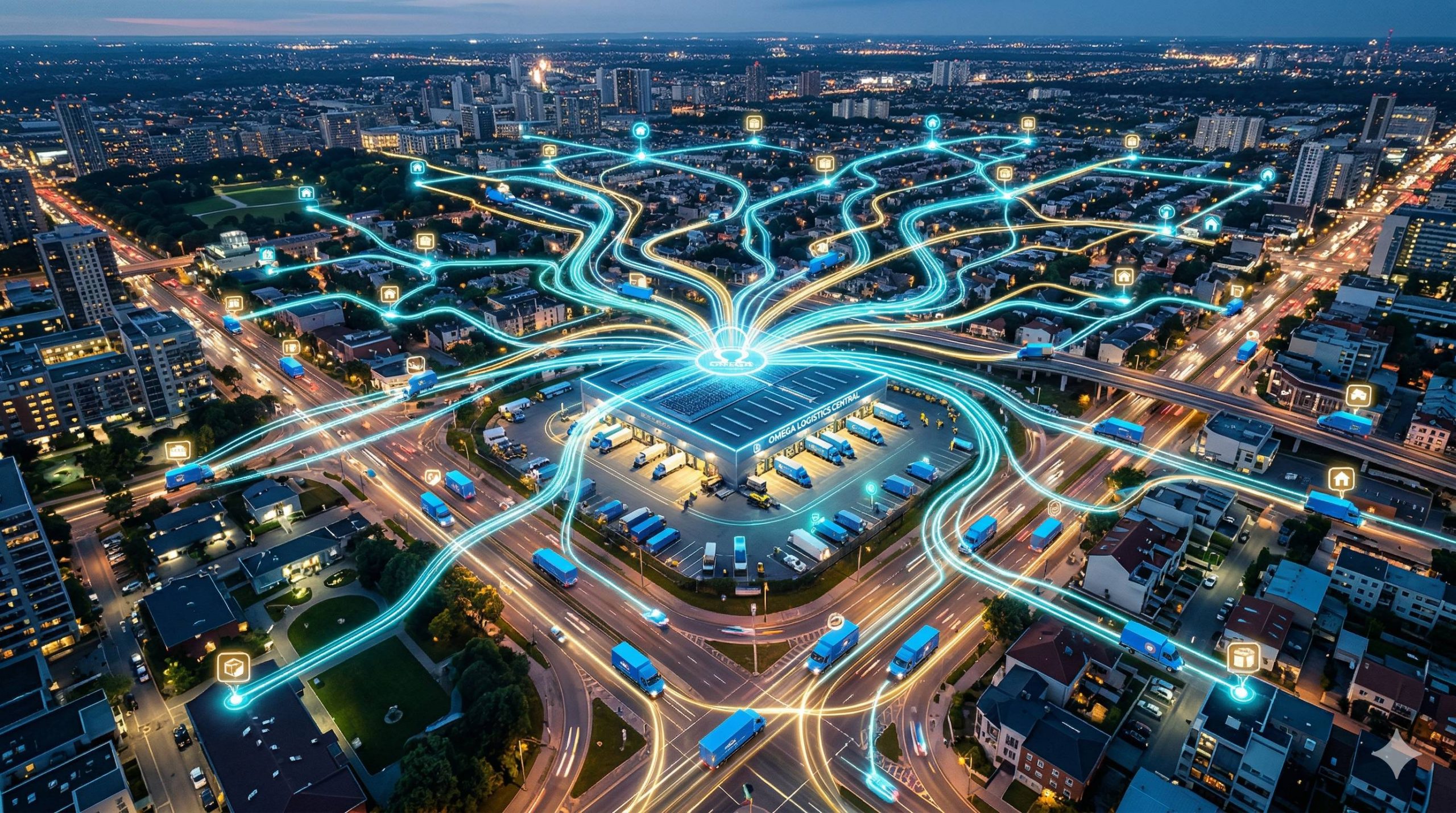
Dispatch is where everything begins, and where things often go wrong. Manual dispatching, through calls, spreadsheets, or guesswork simply doesn’t scale, especially when dealing with high order volumes and tight delivery windows.
A courier delivery dispatch software automates this process by assigning deliveries based on location, traffic, priority, and driver availability. It also considers constraints such as vehicle capacity, delivery time windows, and service levels, ensuring that every assignment is optimized.
The impact goes beyond speed. Dispatch teams gain better visibility and control over operations. According to Gartner, automated dispatching can improve delivery efficiency by up to 30%, while also reducing human errors. As operations grow, this kind of automation becomes essential for maintaining consistency and reliability.
Real-Time Routing Is Non-Negotiable
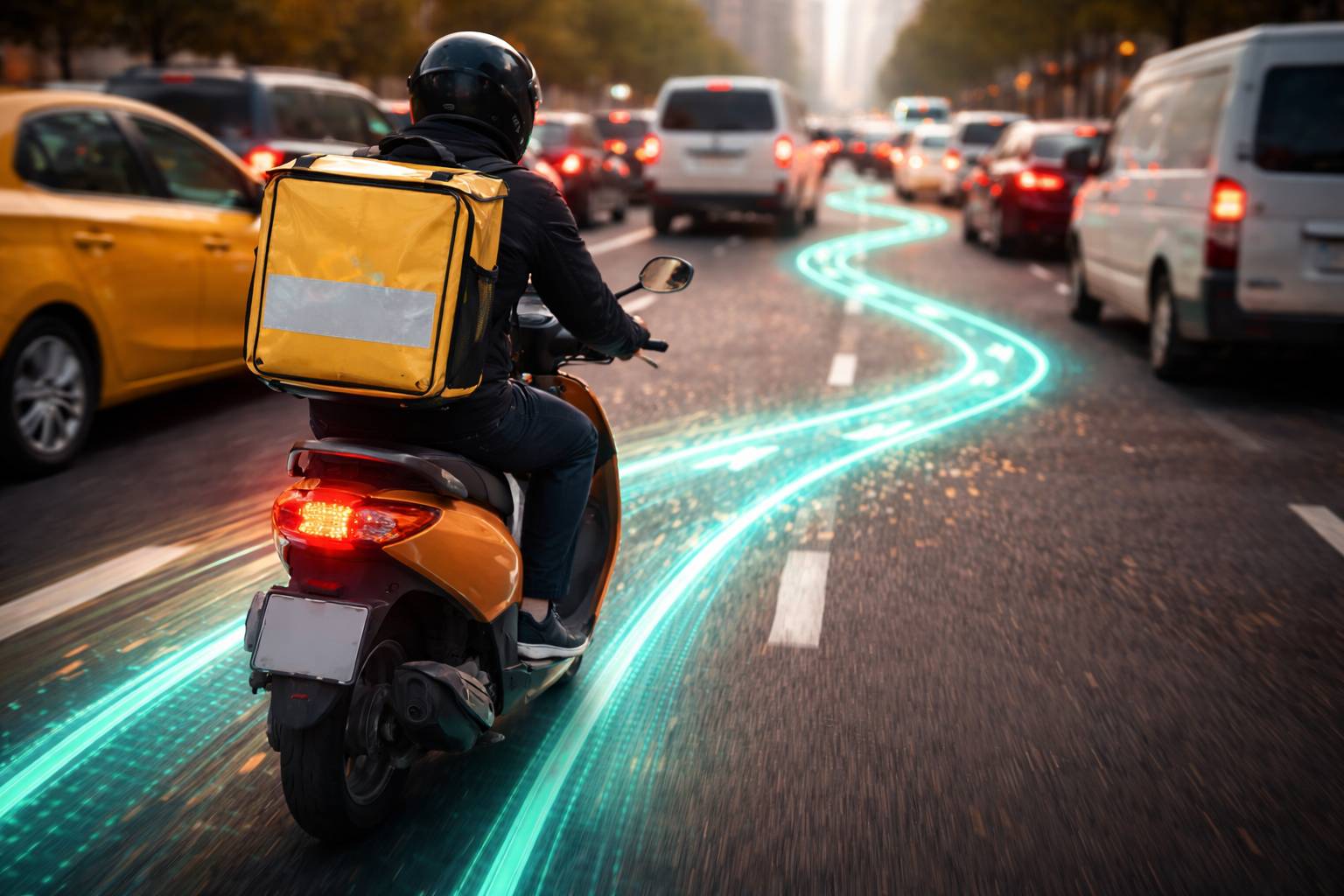
Static route planning doesn’t survive real-world conditions. Traffic changes, delays happen, and new orders keep coming in. Without dynamic optimization, routes quickly become inefficient, leading to delays and increased costs.
This is where AI powered courier delivery software makes a measurable difference. It continuously recalculates routes, reassigns deliveries, and adapts to disruptions as they happen. Drivers receive updated instructions in real time, allowing them to avoid delays and complete more deliveries within the same time frame.
According to Capgemini, AI-driven logistics operations can reduce costs by up to 15% while improving service levels. Beyond cost savings, this also leads to better resource utilization and higher on-time delivery rates. In a competitive market, these improvements directly impact customer satisfaction and retention.
Visibility Drives Experience
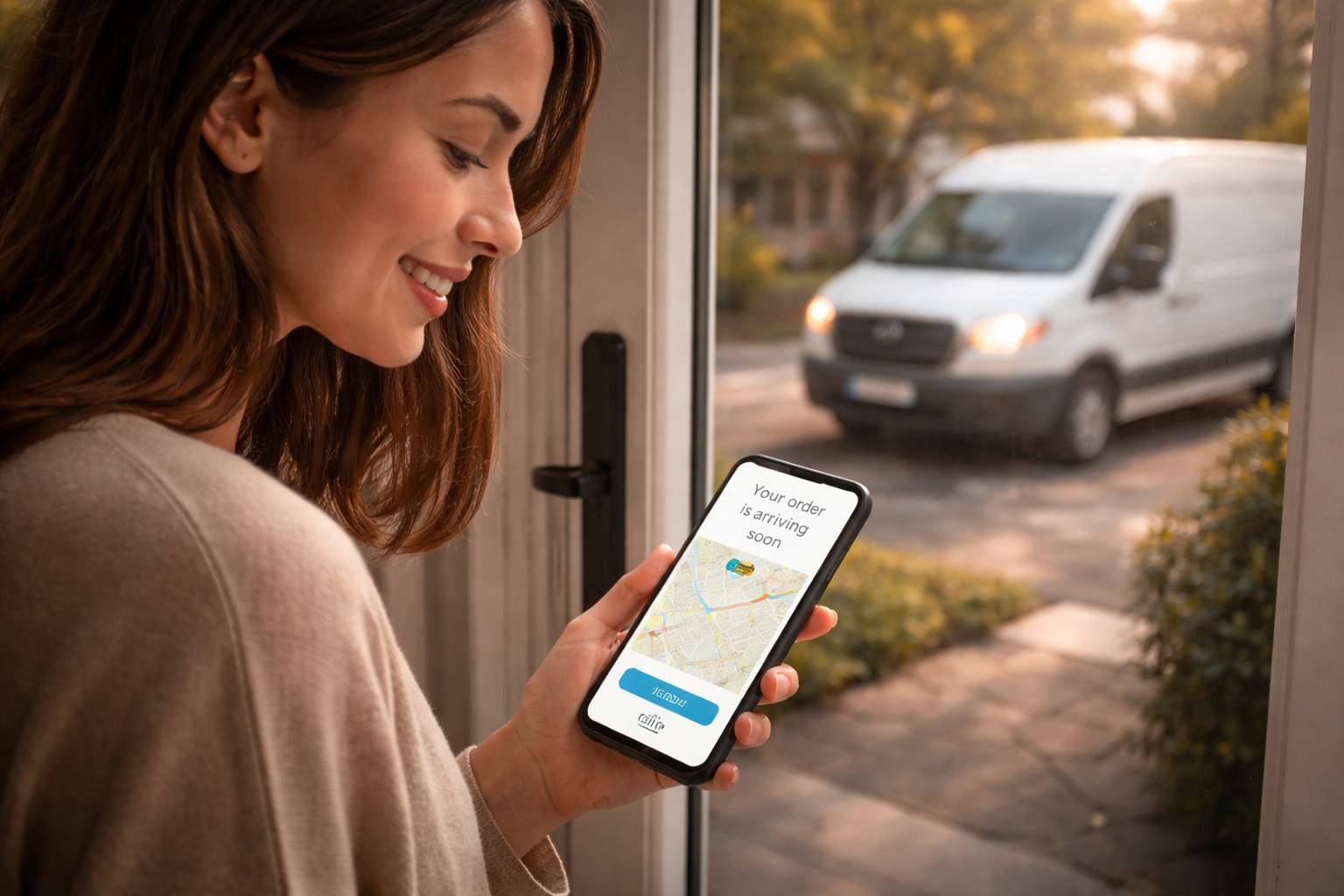
Customers expect more than just delivery, they expect visibility. The most common question in logistics is still, “Where is my order?” A lack of transparency creates anxiety and increases support queries.
A strong courier delivery tracking software addresses this by providing real-time tracking, accurate ETAs, and proactive notifications. Customers know exactly when to expect their delivery, and any delays are communicated upfront.
According to Salesforce, 88% of customers say real-time updates improve their delivery experience. This level of transparency not only enhances customer satisfaction but also reduces the burden on customer support teams.
Internally, visibility is just as important. Operations teams rely on real-time data to make quick decisions, reassign deliveries, and resolve issues before they escalate. Without this visibility, even minor disruptions can lead to significant delays.
The Role of Online Integration
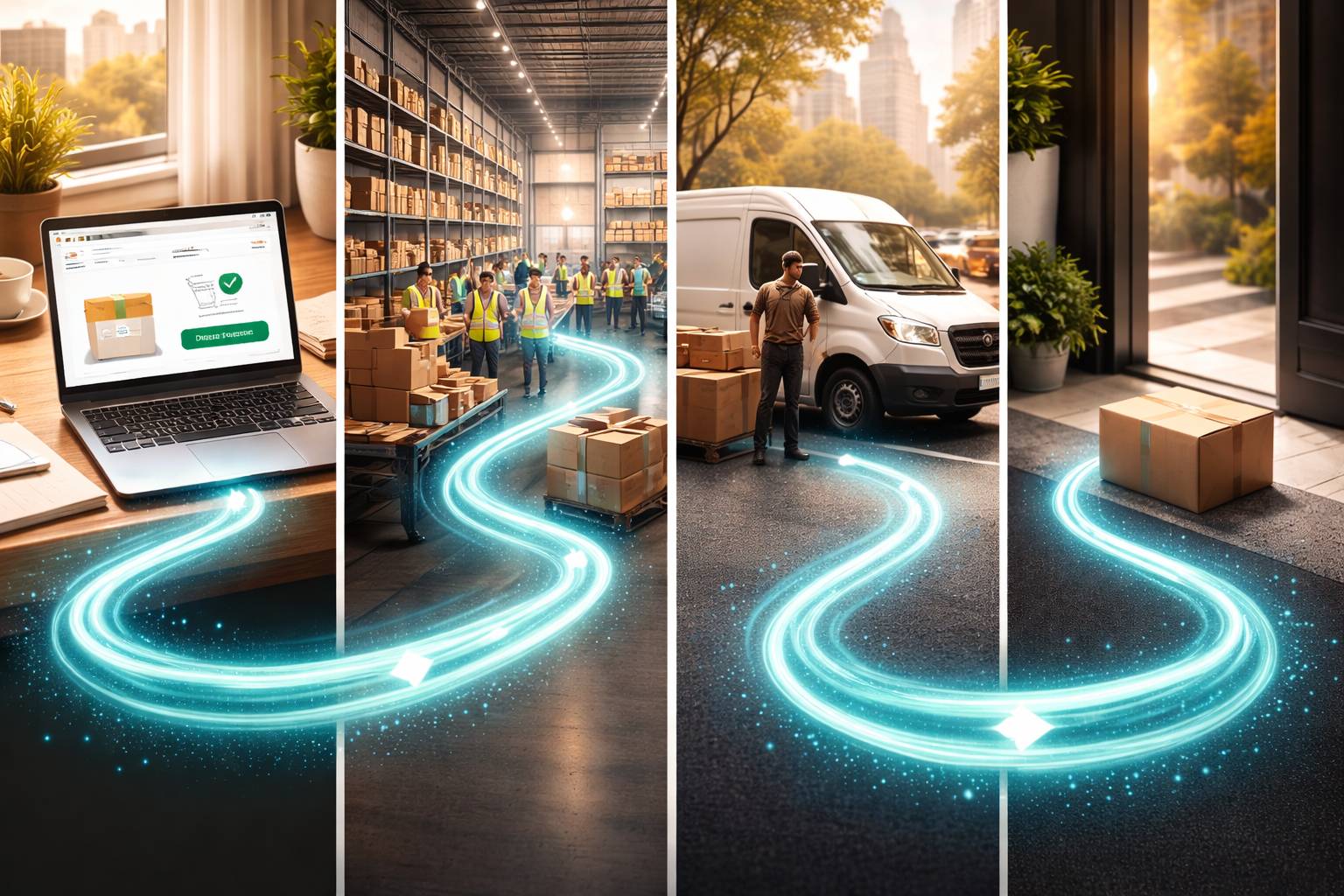
E-commerce has redefined delivery expectations. Same-day and next-day delivery are no longer differentiators, they are standard expectations. To meet these demands, businesses need tightly integrated systems that connect order management with delivery execution.
This is where online courier delivery software plays a crucial role. It ensures that orders flow directly from online platforms into the delivery system without manual intervention. This reduces processing time, eliminates errors, and enables faster order fulfillment.
As order volumes increase, manual coordination becomes a bottleneck. Integrated systems allow businesses to scale operations efficiently while maintaining accuracy and speed. In a digital-first environment, this level of integration is not optional, it’s essential for staying competitive.
When Control is Missing
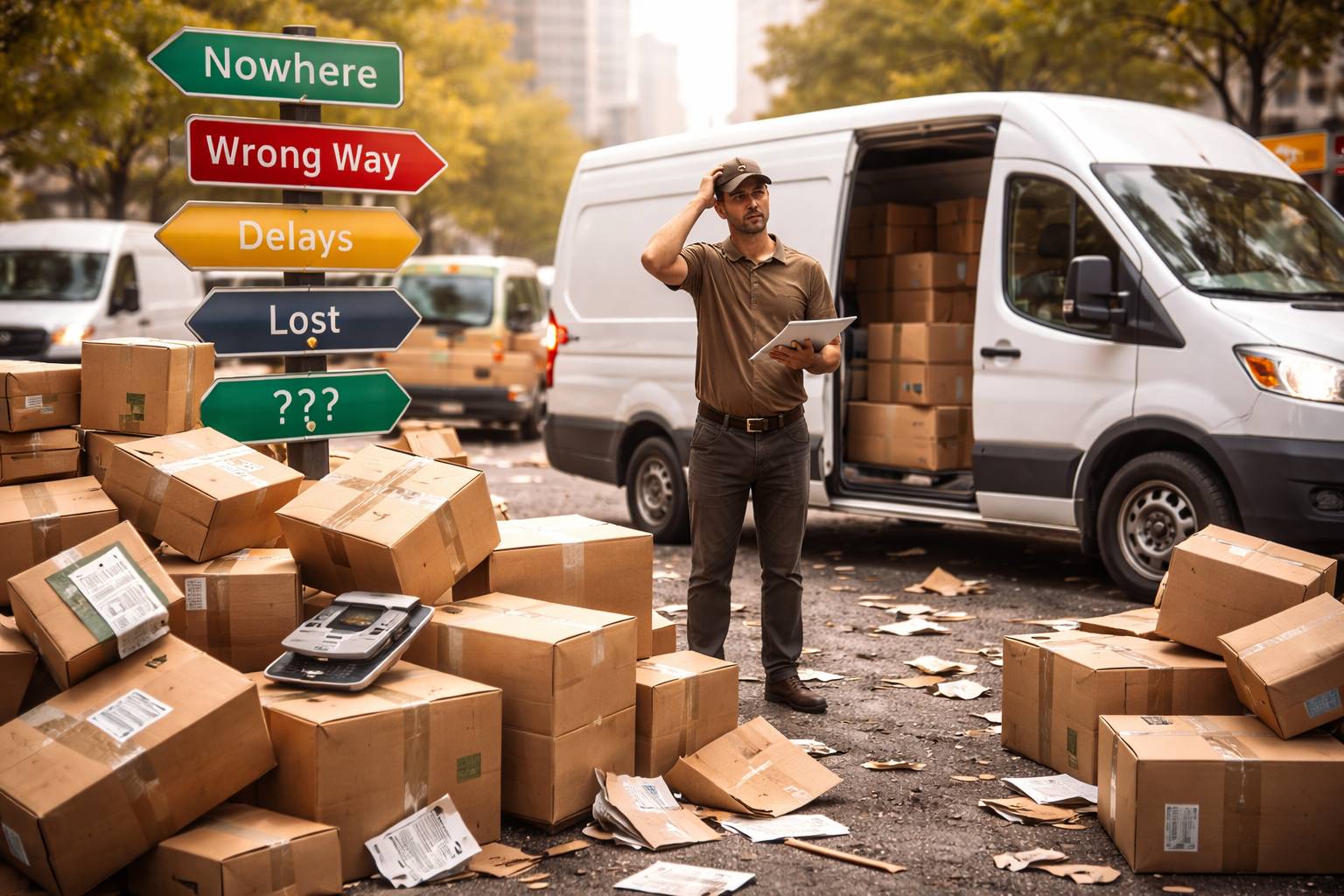
Without the right systems, the cracks show quickly. Dispatch delays increase, routes become inefficient, customers are left in the dark, and support teams get overwhelmed with queries.
Missed deliveries and failed SLAs become more frequent, directly impacting customer trust and brand reputation. As operations scale, these inefficiencies multiply, making it harder to maintain service quality.
In such environments, the “Delivered Successfully” message becomes inconsistent and unreliable. Businesses that fail to invest in modern courier delivery software often struggle to keep up with growing demand and evolving customer expectations.
AI Is Raising the Bar
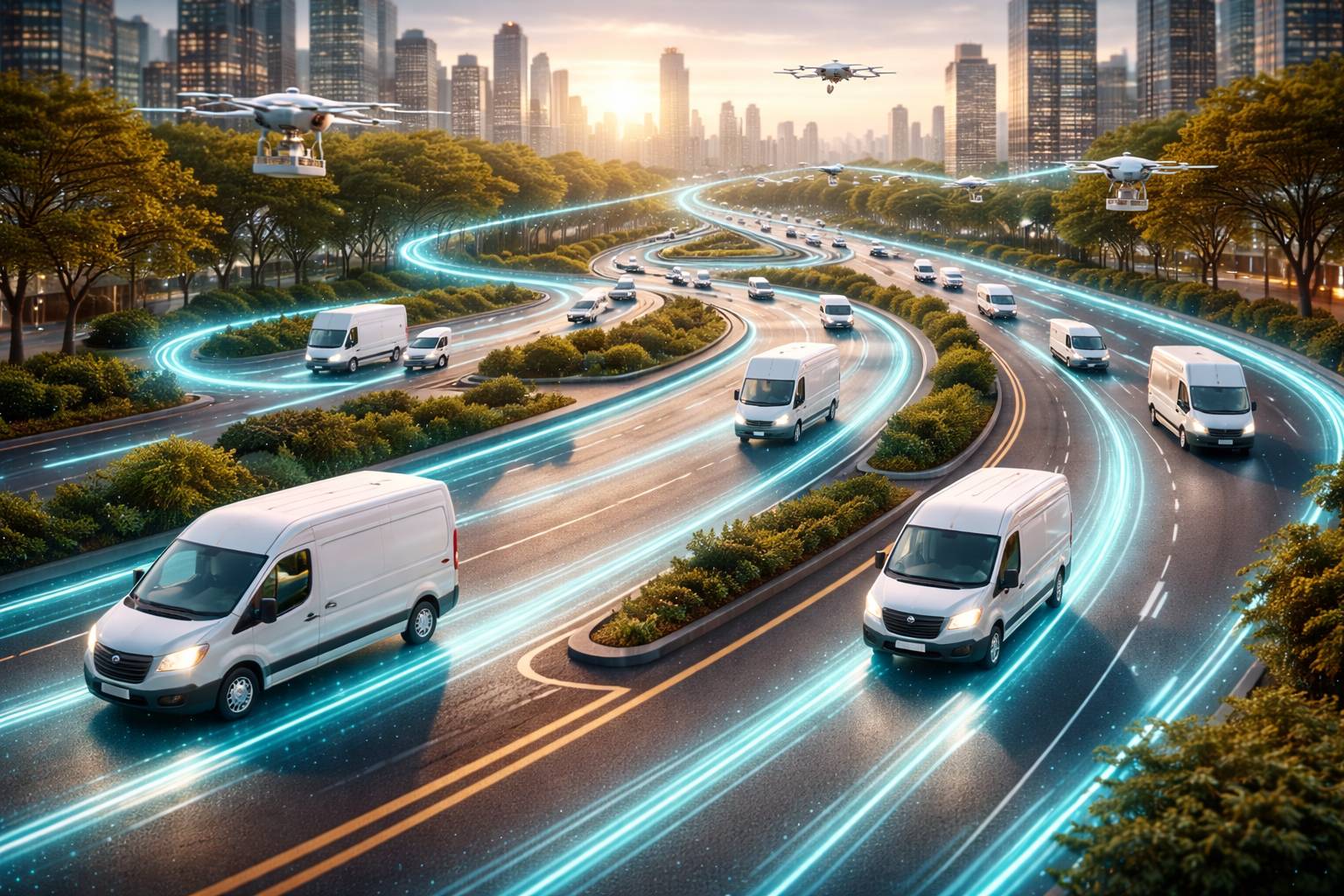
AI is no longer a futuristic concept in logistics, it is a present-day necessity. Courier delivery software powered by AI is transforming how delivery operations are managed by shifting them from reactive to predictive.
Instead of responding to issues after they occur, AI systems analyze historical and real-time data to anticipate disruptions. They can forecast demand spikes, identify potential delays, and recommend optimal resource allocation in advance.
This proactive approach allows businesses to stay ahead of challenges rather than constantly reacting to them. It also improves decision-making, reduces operational risks, and enhances overall efficiency. In a highly competitive market, adopting AI-driven solutions is becoming a key differentiator.
The Future of Delivery: From Controlled Chaos to Predictive Precision
Delivery operations are shifting from reacting to problems to predicting them. The next wave of courier delivery software will use real-time data and AI to anticipate delays, optimize resources in advance, and make smarter decisions with minimal human intervention.
At the same time, systems will become more tightly integrated, creating a seamless flow from order placement to final delivery. This will reduce errors, speed up fulfillment, and make it easier for businesses to scale without adding complexity.
Customer expectations will rise alongside these advancements. More accurate ETAs, proactive updates, and flexible delivery options will become the norm, turning what used to feel chaotic into something far more controlled and predictable.
Conclusion: Control Wins
Delivery operations will never be perfectly predictable and that’s not a flaw, it’s the nature of the game. What separates high-performing businesses is their ability to stay in control when things don’t go as planned. They rely on systems that adapt quickly, make informed decisions in real time, and keep operations moving without constant firefighting.
That simple “Delivered Successfully” message isn’t the result of a smooth day, it’s the outcome of everything working together under pressure. In a space where complexity is guaranteed, the real advantage lies in handling it better than everyone else.
Ready to take control of your delivery operations? Discover how LogiNext’s AI powered courier delivery software can help you streamline dispatch, optimize routes, and deliver exceptional customer experiences, every single time. Click on the red button to know more.
“”
 |  |  |




@LogiNext