




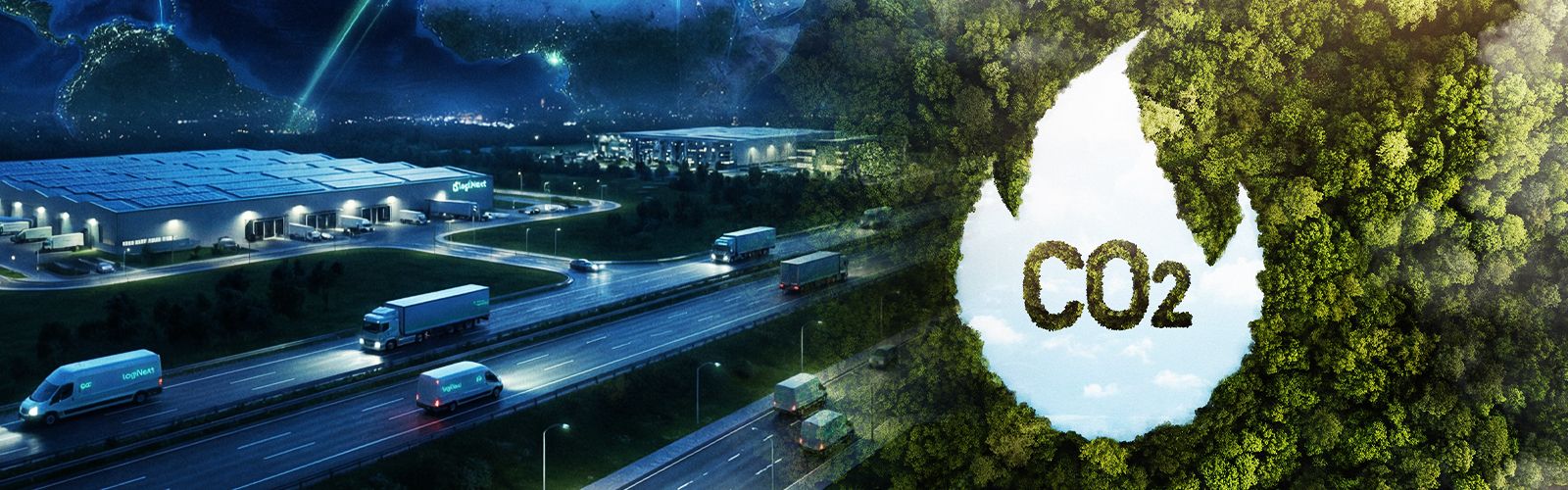
A World on the Move: Sustainable Transportation with LogiNext
Global logistics is accelerating. Expectations are higher. Delivery windows are tighter. But growth without responsibility is no longer viable. Sustainable transportation is not a branding exercise. It is a structural requirement.
Transport generates nearly 24% of global CO₂ emissions from fuel combustion, according to the International Energy Agency. Road freight is a major contributor. As networks expand, emissions rise. Regulators tighten norms. Customers demand accountability. Margins feel the pressure.
The mandate is clear. Companies must embed sustainable transportation into core operations, not treat it as an add-on. LogiNext enables that shift.
Why Sustainable Transportation Matters Now
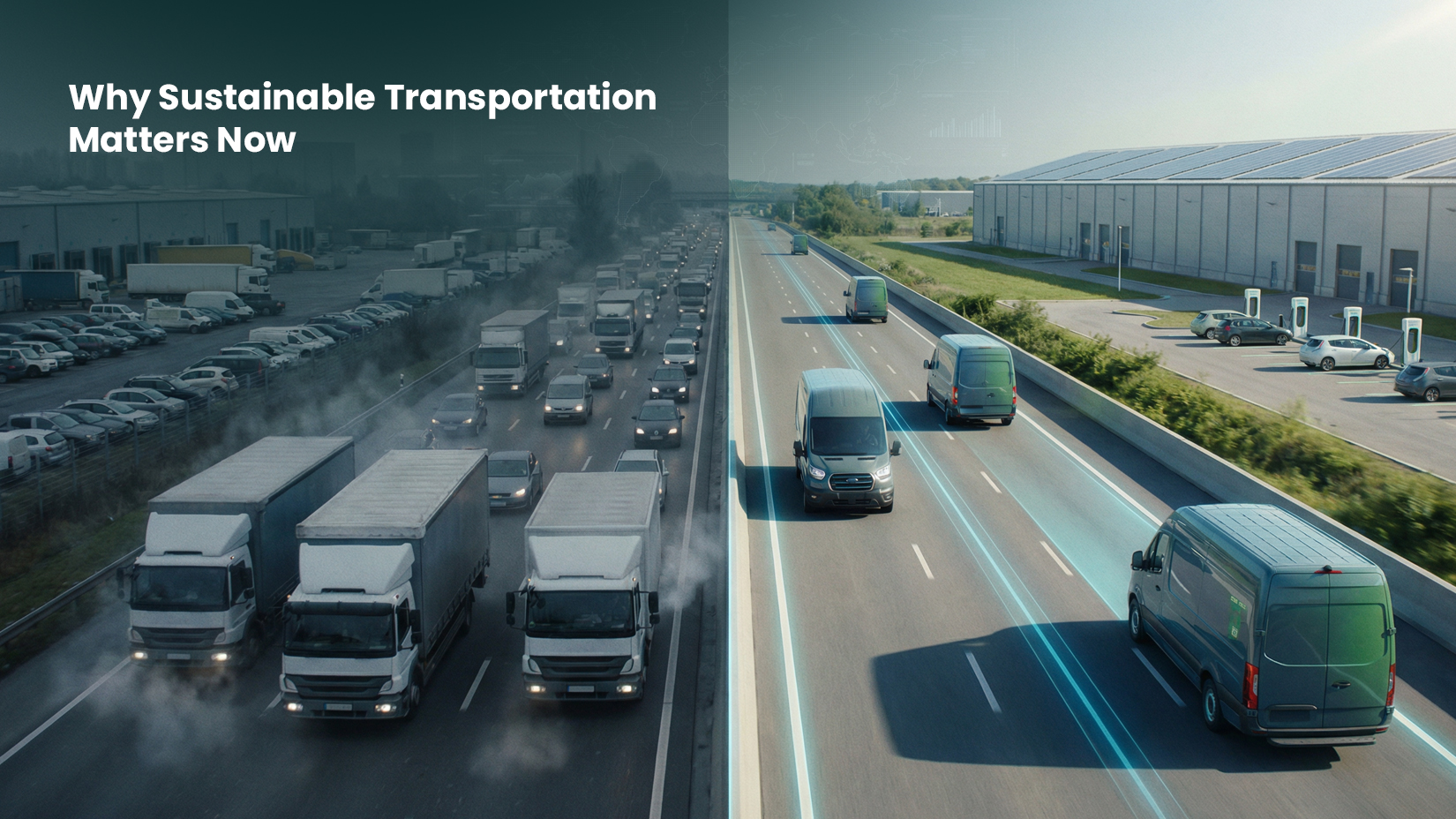
E-commerce continues to scale. Same-day delivery is becoming routine. More orders often mean more vehicles and more miles. Without optimization, emissions rise alongside revenue.
Governments are responding. The European Union targets a 90% reduction in transport emissions by 2050 under its Green Deal. India is accelerating electric mobility adoption under national incentive programs.
Sustainable transportation balances three non-negotiables:
- Lower emissions
- Controlled operating costs
- Consistent service levels
Organizations that delay face regulatory penalties and brand risk. Those that act early build resilience and cost discipline.
The Operational Gap in Transportation Management
Many fleets still operate with disconnected tools. Manual planning. Static routes. Limited visibility. The result is predictable:
- Excess fuel burn
- Empty miles
- Low load utilization
- Service delays
Traditional transportation management focuses on dispatch and execution. Modern transportation management must optimize continuously.
Without intelligent transportation software, sustainability goals remain theoretical. A scalable TMS must integrate efficiency into daily workflows.
What Defines Sustainable Transportation?
Sustainable transportation extends beyond electric vehicles. It is about systemic efficiency across the network.
It includes:
- Dynamic route optmization
- Real-time tracking and rerouting
- Load consolidation
- Fuel-efficient driving patterns
- Data-driven performance control
The World Economic Forum estimates that digital optimization could cut global logistics emissions by up to 15%. That reduction is operationally achievable with the right solutions.
Technology is the enabler. Execution delivers the outcome.
The Role of Sustainable Transportation Software
Sustainable transportation software operationalizes intent. A modern transportation software platform evaluates traffic, delivery density, vehicle capacity, and fuel patterns in real time.
Advanced sustainable transportation management enables companies to:
- Reduce route distance by 10-20%
- Increase vehicle utilization
- Lower idle time
- Decrease fuel consumption
The U.S. Environmental Protection Agency reports that reducing vehicle idling alone can cut fuel use by up to 8%.
LogiNext embeds these efficiencies into its transportation software architecture. AI-powered planning aligns cost control with emission reduction. Sustainable transportation becomes measurable, repeatable, and scalable.
LogiNext: Engineering Sustainable Transportation at Scale
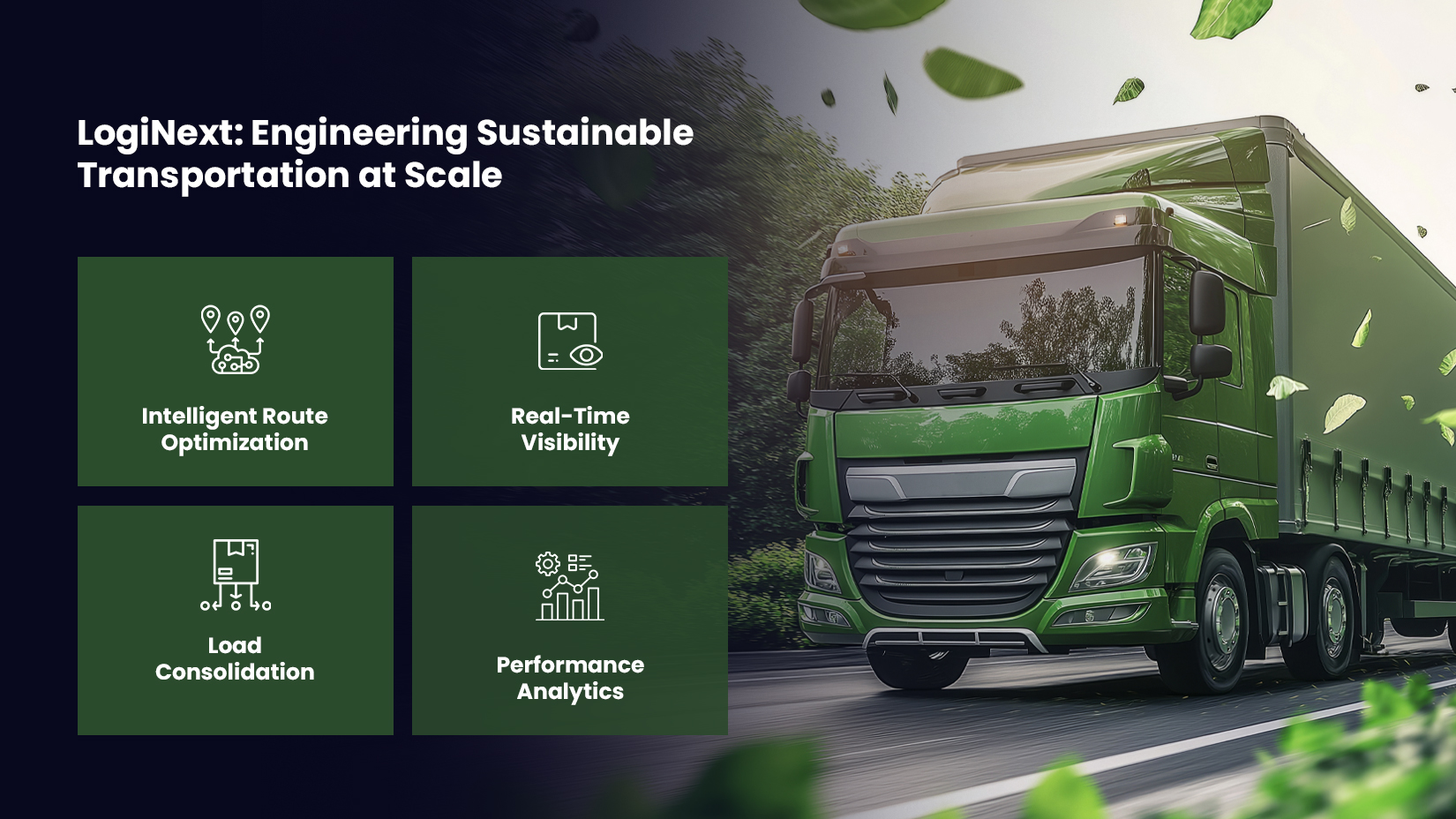
LogiNext approaches sustainable transportation as an integrated system. Optimization, visibility, and automation operate within one unified transportation management framework.
1. Intelligent Route Optimization:
AI algorithms calculate the most fuel-efficient routes by factoring in congestion, delivery clusters, and fleet capacity. Fewer kilometers. Lower emissions. Stronger margins.
2. Real-Time Visibility:
Live tracking minimizes uncertainty. Dispatchers can intervene instantly when disruptions occur. This level of management reduces wasted fuel and protects service commitments.
3. Load Consolidation:
Advanced planning within the transportation software maximizes vehicle fill rates and minimizes empty backhauls. Better utilization directly strengthens sustainable transportation outcomes.
4. Performance Analytics:
Data dashboards monitor route deviation, fuel usage, and delivery accuracy. Inefficiencies are visible and actionable. The solutions must be data-driven. Without metrics, progress stalls.
The Financial Case for Sustainable Transportation
Sustainability is often misclassified as a cost center. In reality, it is a margin lever. Fuel can account for up to 30% of fleet operating expenses. Even modest reductions in consumption materially impact profitability. Research by McKinsey & Company indicates that digitized transportation management can reduce logistics costs by up to 15%.
The software contributes directly through:
- Optimized dispaatch planning
- Predictive routing
- Reduced detention
- Lower fuel dependency
It aligns environmental objectives with financial performance.
The Shift Toward Electric and Green Fleets
Electric and alternative-fuel fleets are scaling. However, EV operations require structured planning. Charging windows, battery range, and route constraints must align with delivery commitments.
An advanced transportation software platform ensures EV deployment does not disrupt performance.
The solutions must accommodate mixed fleets, alternative fuels, and evolving infrastructure. LogiNext’s transportation management capabilities support that transition without operational friction.
Data-Driven Sustainability: From Vision to Execution
Commitments do not cut emissions. Discipline does. Organizations require:
- Accurate route intelligence
- Real-time fleet visibility
- Carbon monitoring dashboards
- Continuous performance benchmaking
Sustainable transportation management integrates sustainability into core KPIs. Embedding software within transportation management workflows ensures that emission reduction is operational, not aspirational.
Also Read: Sustainable Logistics Isn’t About EVs – It’s About Execution
Conclusion: A World on the Move, Responsibly
Freight volumes will grow. Urban density will increase. Delivery expectations will intensify. The issue is not expansion. It is execution. Sustainable transportation provides a disciplined path forward. It reduces emissions while strengthening operational performance. It turns responsibility into efficiency.
LogiNext equips enterprises with intelligent sustainable transportation software and integrated transportation management capabilities within a future-ready TMS. The next phase of logistics belongs to organizations that move decisively and move responsibly. A world on the move demands nothing less. So, by clicking on the red button below, you are entering the next phase. Book a demo today!
“” 78
 |  |  |




@LogiNext