Morning plans go stale by noon
Loads get added after trucks leave, bays run late, and the sequence that made sense at dispatch no longer holds. Phone triage replaces a live board.

What happens when a Salzburg trucking day outruns the morning dispatch sheet?
Salzburg mixes tight inner city access with longer regional legs on the same shift. A sequence built once at 6am rarely survives a late trailer, a closed bay, or a same day add.
Live previewKPI control surface
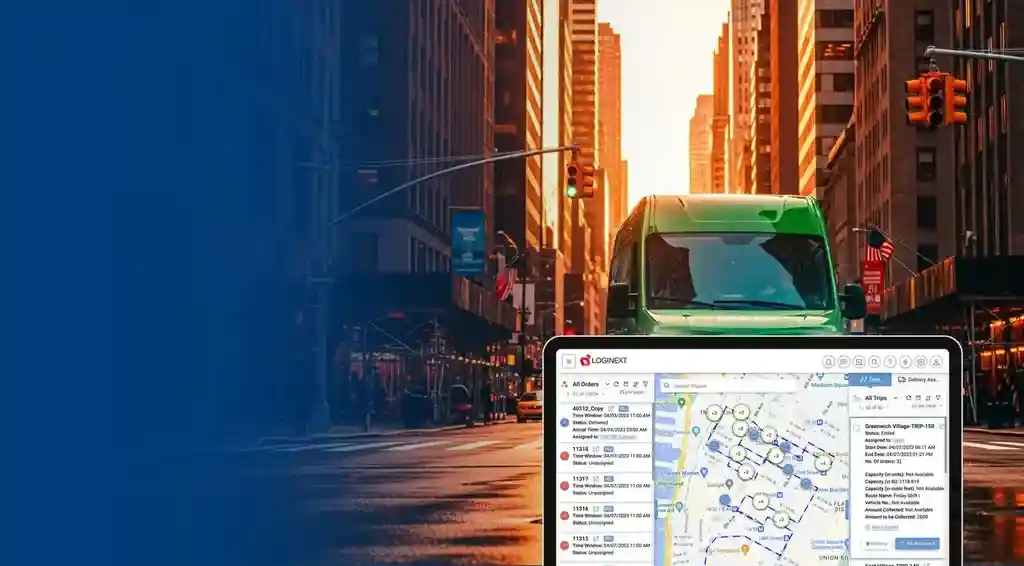
Routes, drivers, and proof of delivery on one live board — tap a metric or node to trace the pathway.
Live runs · drivers · proof of delivery
Where does a Salzburg trucking day start to fall behind?
Where days slipLoads get added after trucks leave, bays run late, and the sequence that made sense at dispatch no longer holds. Phone triage replaces a live board.
Tight inner city streets and limited bay time turn a short stop into a long delay. Without live resequencing, the rest of the run slips with it.
When planners rebuild by hand, two trucks cover the same streets while another zone sits short. Density is lost and overtime climbs.
Ingest: Orders, truck capacity, and access rules flow in from ERP and order systems before drivers roll.
Plan: Runs are built around vehicle type, stop density, and delivery windows, not a static map estimate.
Dispatch: Drivers get a clear sequence on the app, with ETAs that update as conditions change.
Execute: Proof of delivery is captured at every stop, and alerts fire when the truck is close.
Learn: Planned versus actual is replayed so the next wave starts tighter than the last.
One live board for planners and drivers keeps trucking dispatch useful after go live.
| Metric | Baseline | With LogiNext | Improvement |
|---|---|---|---|
| On-time delivery | Windows slip after mid shift changes | 95% on-time against committed windows | Live run resequence |
| Delivery speed | Stops wait for the next planning cycle | 32% faster deliveries | Mid shift reassignment |
| Cost per stop | Empty miles and idle dock time | 19% lower delivery cost | Denser sequencing |
| Dispatch effort | Spreadsheet rebuilds and phone triage | 27% less manual dispatch work | One shared live board |
No trucking team wants to rip out its order stack to fix dispatch. LogiNext connects through APIs so you keep the systems you already run:
Orders flow in, stops and proof flow back, and finance reconciles from the same records your dispatchers work from.
Go deeper on the tools Salzburg fleets use alongside trucking dispatch software.
It plans multi stop truck runs around density, access, and delivery windows, dispatches drivers with a clear sequence, tracks vehicles live, and captures proof at every stop. Planners and drivers work from one shared board instead of spreadsheets and phone triage.
New loads land on trucks that still have open capacity, and at risk stops resequence while there is still time to make the window. You do not wait for the next planning cycle to react.
Yes. LogiNext connects through APIs to ERP platforms such as SAP and Oracle, warehouse and order management systems, and GPS tracking feeds, so orders flow in and stops and proof flow back without ripping out your current stack.
Drivers get the next stop and updated ETAs on the app, customers get arrival alerts, and proof of delivery is captured at the door. That means fewer calls to the office, higher first attempt success, and fewer redeliveries.
Next step
Bring your hub constraints, stop density, and window rules. We will show how planning, dispatch, tracking, and proof sit on one board.
No slide deck required. Just your operating day and a clear path to go live.