A product reaches a customer’s doorstep, but the journey doesn’t always end there. Sometimes, it comes right back. Reverse logistics manages this journey, from return pickups and transportation to inspection and product recovery. Yet many retailers still treat returns as an afterthought rather than a critical part of their supply chain. That’s an expensive oversight.
With return volumes rising and customer expectations changing, retailers need to question how they handle products coming back. Here are four uncomfortable questions worth asking before the next return request lands.
1. Are Retailers Accidentally Making Returns More Expensive?
Free returns might win customers, but they don’t make the logistics free.
According to the National Retail Federation (NRF), US retailers expected merchandise returns worth $849.9 billion in 2025. The report also estimated that 19.3% of online sales would be returned. Those numbers make one thing clear: returns are a significant part of retail economics.
The problem is that retailers often evaluate return policies through the customer experience alone. A free pickup sounds convenient. However, sending a vehicle to collect one package, transporting it to a distant facility, and handling it multiple times can quickly erode margins.
Retailers need to examine the complete cost of a return, including:
- Pickup and transportation expenses
- Sorting , inspection and handling costs.
- Storage and holding time
- Repackaging and redistribution expense.
The question isn’t whether retailers should offer convenient returns. It’s whether they can deliver that convenience without making every return unnecessarily expensive.
2. What If the Best Return Is the One You Never Ship Back?
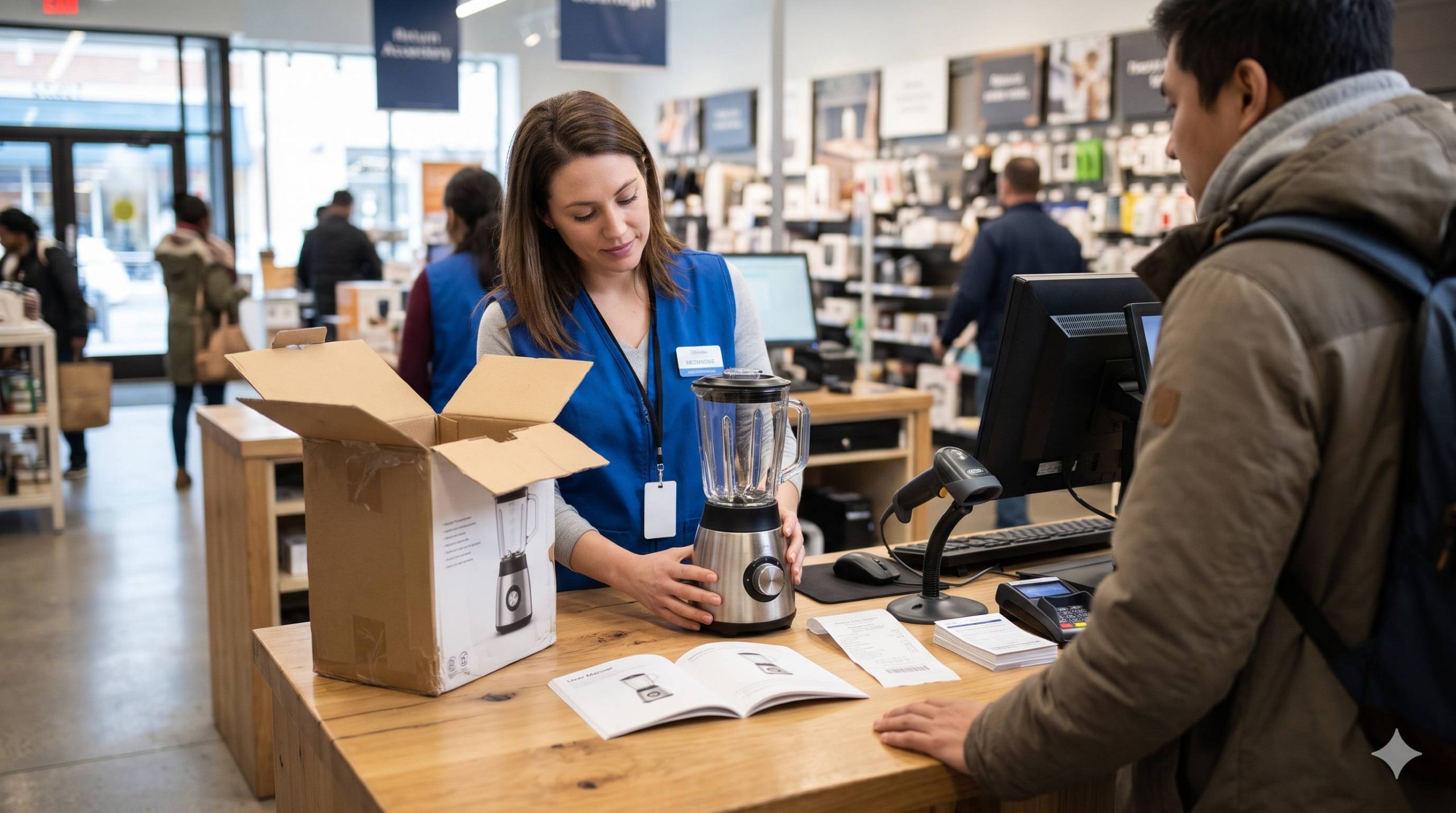
Not every approved return needs a vehicle, a pickup slot, and a trip to a warehouse.
Consider a low-value product that costs more to collect, inspect, and process than its recoverable value. Shipping it back might make little financial sense. A retailer could instead offer a refund without requiring a physical return, arrange a replacement, or direct the customer towards a suitable local donation or disposal option.
This is where return-less refunds and alternative return resolutions enter the picture.
However, retailers shouldn’t apply this approach blindly. Product value, condition, fraud risk, resale potential, and environmental considerations all matter.
NRF and Happy Returns reported that an estimated 9% of retail returns in 2025 were fraudulent. This makes verification important before retailers approve refunds or waive physical returns.
A sensible decision framework should consider:
- Recoverable value: Is the product worth transporting back?
- Condition: Can it be resold, repaired or refurbished?
- Transportation cost: Would collection cost more than recovery?
- Risk: Can the retailer verify the return and prevent abuse?
Sometimes, the smartest reverse logistics decision is to avoid transportation altogether. The trick is knowing when that decision makes sense.
3. Why Does a Returned Product Sometimes Travel More Than a New One?
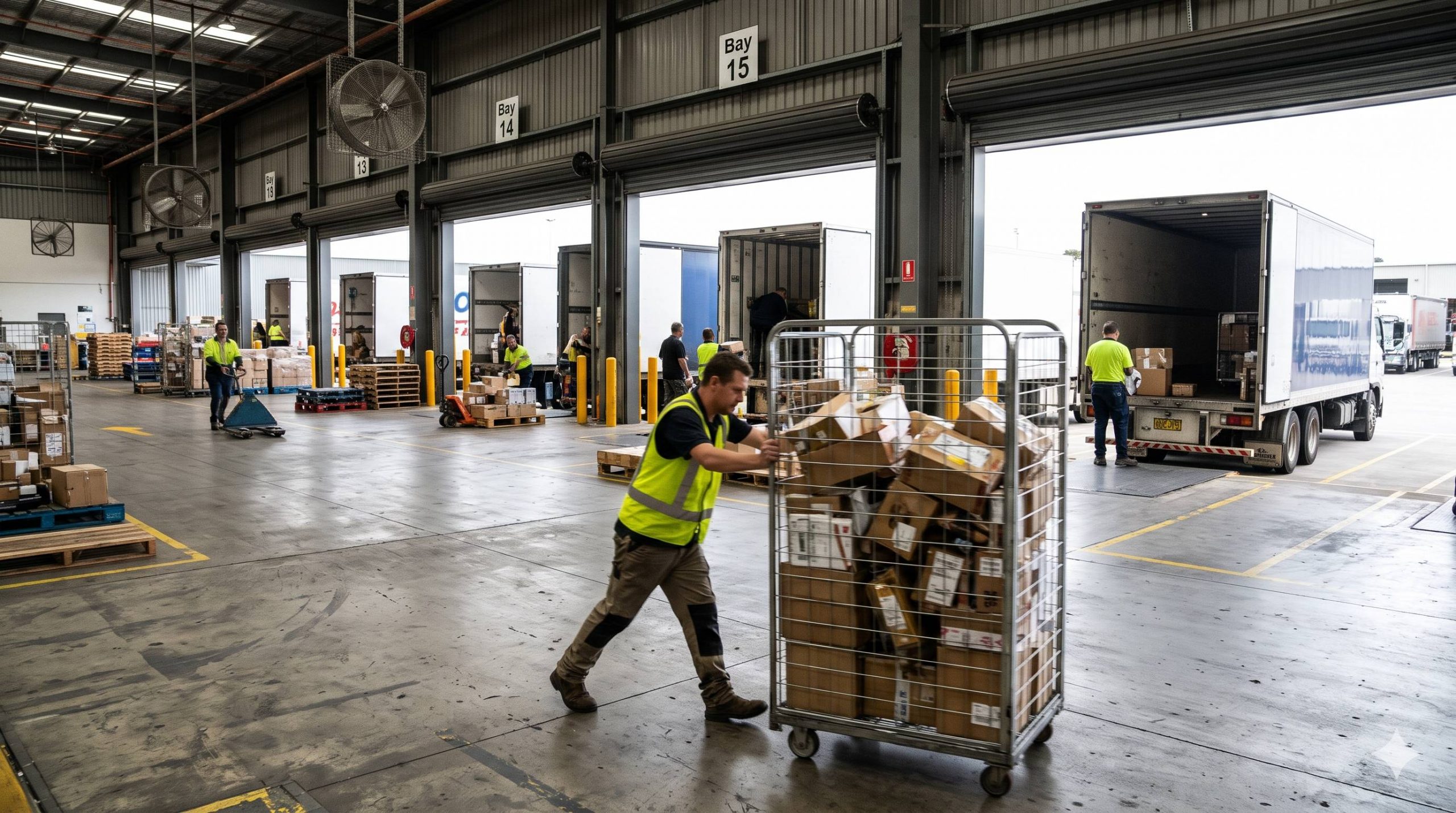
Outbound deliveries generally have a defined origin, destination, and delivery plan. Returns are rarely that predictable.
A customer might return a product from one city, while the most suitable inspection facility sits elsewhere. From there, the product might travel to another warehouse before reaching a resale or refurbishment location.
Every additional movement adds time, handling, and cost.
The environmental consequences deserve attention, too. A 2024 study published in Resources, Conservation and Recycling, examining more than 630,000 returned apparel items in the EU, found that 22-44% of returned products never reached another consumer.
The study also found that greenhouse gas emissions associated with producing and distributing unused returned products could be 2-16 times higher than emissions from post-return transportation, packaging, and processing combined.
This highlights an important distinction: reducing transportation alone doesn’t solve the entire returns problem. Products must also reach their next useful destination.
Retailers should reconsider whether every product needs to travel back to its original warehouse. Depending on its condition and location, a regional facility, repair center, resale partner, or recycling facility might be a better destination.
Better reverse logistics optimization starts with asking where a product should go next, not simply where it came from.
4. The Return Has Been Approved. So Why Is Nothing Moving?
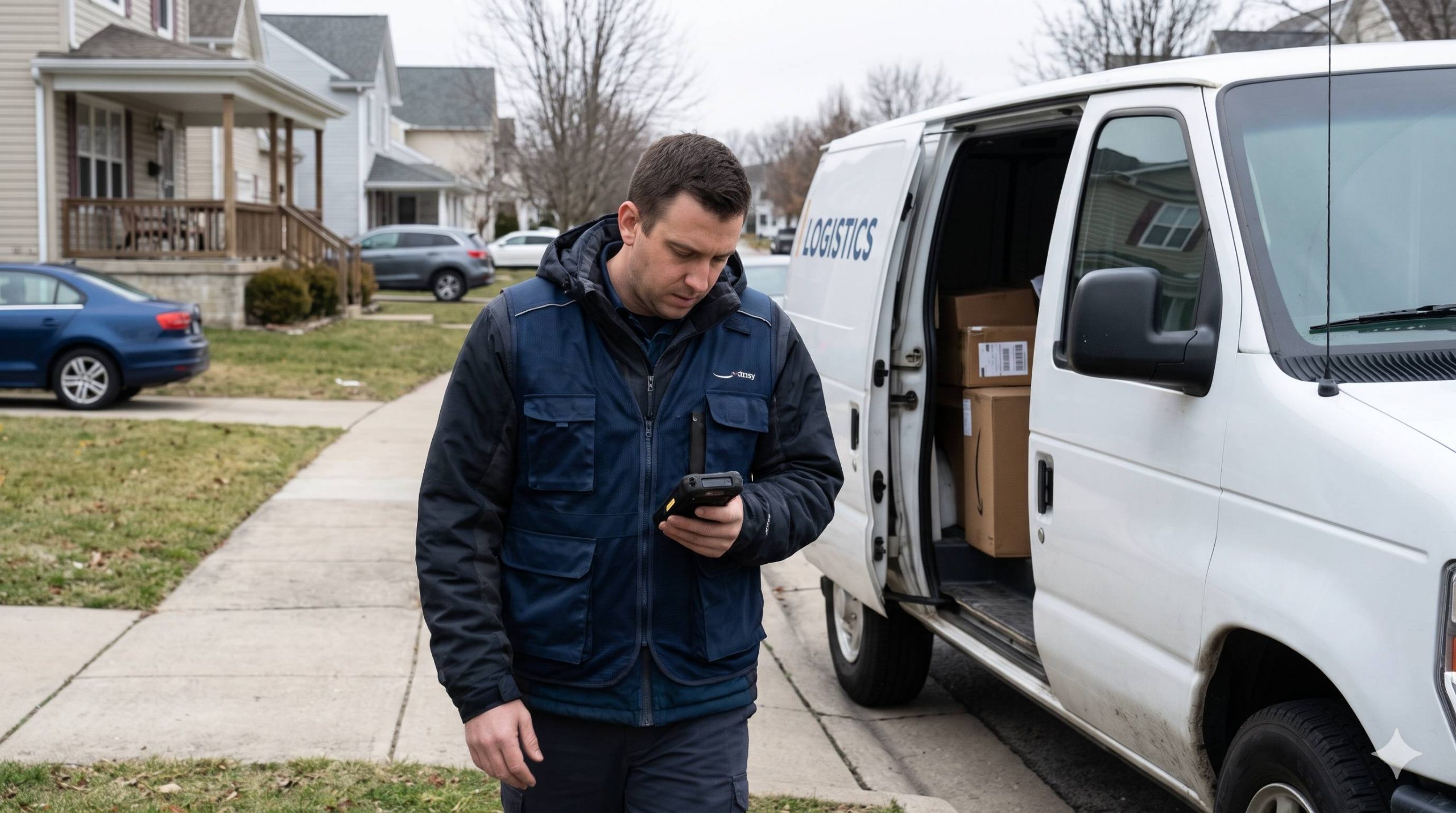
A customer submits a return request. The retailer approves it. The system sends a confirmation. Everyone appears happy.
Except the product is still sitting with the customer.
The gap between digital approval and physical execution is an overlooked reverse logistics challenge. Approving a return doesn’t automatically assign a carrier, schedule a pickup or ensure that someone collects the package.
The process involves several moving parts:
- Customer availability and pickup preferences
- Carrier assignment and resource availability
- Pickup scheduling and root planning
- Coordination between retailers and logistics partners
- Collection confirmation and shipment tracking
When these activities operate through disconnected systems, even an approved return can become a prolonged process.
Retailers need to connect return authorization with transportation execution. This means coordinating pickups, assigning available resources, monitoring collection progress, and keeping stakeholders informed.
This is also where technology becomes important. Logistics orchestration platforms such as LogiNext with a solid reverse logistics software can help businesses coordinate transportation workflows through intelligent dispatch, real-time visibility, and automation.
The goal is simple: a return approval should trigger the next operational step, not another waiting period.
What Should Retailers Rethink About Reverse Logistics?
These four questions point towards a bigger issue. Retailers cannot manage reverse logistics effectively by treating every return as an isolated transaction.
They need to consider the entire journey, from the customer’s return request to the product’s next destination.
A practical approach involves:
- Evaluating the financial and operational cost of every return.
- Considering return-less resolutions when transportation isn’t justified.
- Selecting destinations based on product condition, location, and recovery potential.
- Connecting return authorization with actual pickup execution.
- Using technology to improve transportation coordination and visibility.
Frequently Asked Questions
1. What is reverse logistics in retail?
Reverse logistics refers to moving products from customers or downstream locations back through the supply chain for returns, repair, refurbishment, resale, recycling, or disposal.
2. Why is reverse logistics expensive?
Costs can include return pickups, transportation, inspection, handling, storage, repackaging, and inventory depreciation. Inefficient routing and multiple transfers can add further expenses.
3. What are return-less refunds?
Return-less refunds allow retailers to refund customers without requiring them to physically ship the product back. Retailers typically consider product value, return costs, condition, and fraud risk before approving them.
4. How can retailers improve reverse logistics?
Retailers can improve reverse logistics through better pickup planning, optimized transportation routes, suitable return destinations, connected systems, and real-time operational visibility.
5. What role does software play in reverse logistics?
Reverse logistics software can support return tracking, pickup coordination, carrier assignment, transportation planning, and operational visibility. The exact capabilities depend on the platform.
Conclusion
Returns are an unavoidable part of retail, but unnecessary costs, movements, and delays don’t have to be.
Retailers need to look beyond the refund and examine what happens to a product after it leaves the customer’s hands. Better decisions around collection, routing, transportation, and product recovery can make a meaningful difference.
Technology can help connect these moving parts. With intelligent transportation orchestration, automated dispatch, and real-time visibility, LogiNext helps businesses coordinate complex logistics operations more effectively.
If your reverse logistics operations need better coordination and control, explore how LogiNext’s logistics orchestration platform can help build a more connected supply chain.